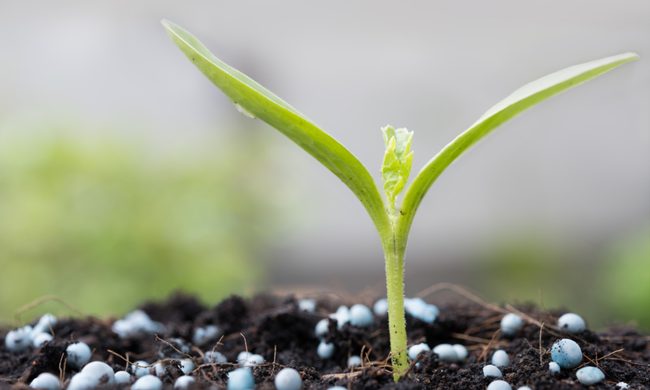
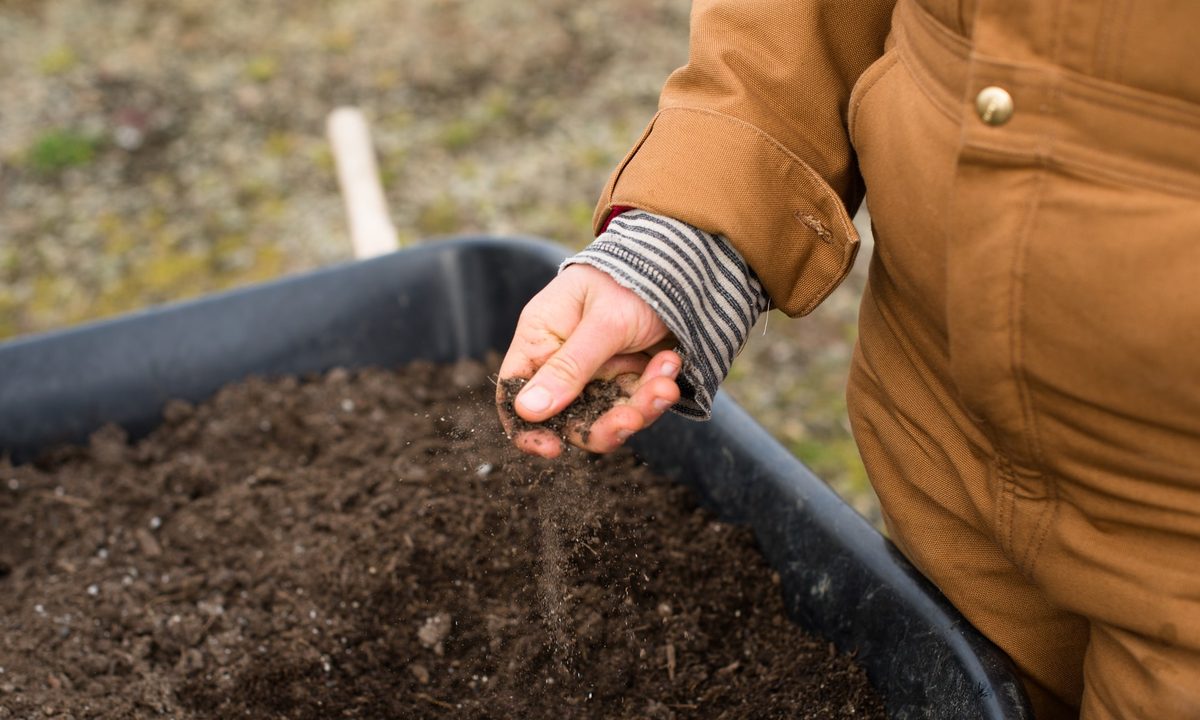
Healthy soil forms the foundation for a healthy garden. While soil in your garden is influenced by your local ecosystem, potting soil depends almost entirely on what you put into it. While many plants can tolerant most soil types, some are a little more picky. Tailoring your soil to your plants can keep these more challenging plants happy.
Whether you want to modify an existing soil blend or want to build your own from scratch, this guide will explain everything you need to know about how to make potting soil.
What makes potting soil different from garden soil?
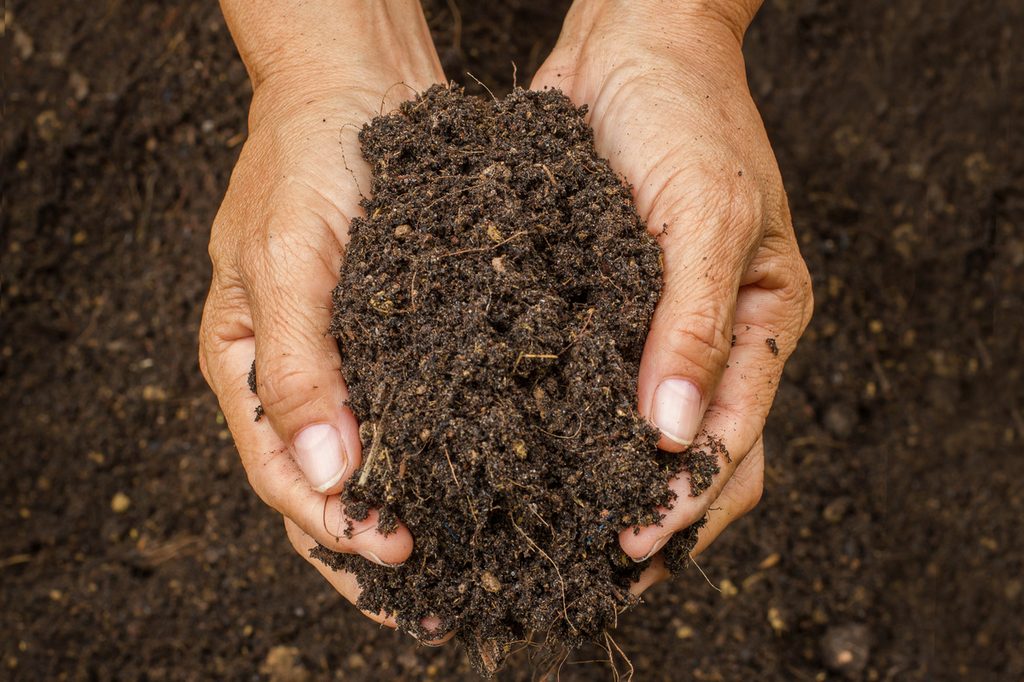
As we mentioned before, the ecosystem influences garden soil, and potting soil is influenced mainly by what you add to it. Your garden soil is made up of broken-down rocks, minerals, plant matter, and animal matter. Your garden soil consists of anything around it, from the rocks under the soil to the plants growing around it. Wind and water can take soil and nutrients away, and certain plants can take nutrients from the air and return them to the soil.
Potting soil doesn’t have the benefits of this natural cycle, since it’s contained. This means that the potting soil can run out of nutrients over time. While garden soil can recover naturally (although you can speed the process up using cover crops, compost, and other methods), potting soil needs to be replenished using fertilizer or another additives.
What is in potting soil?
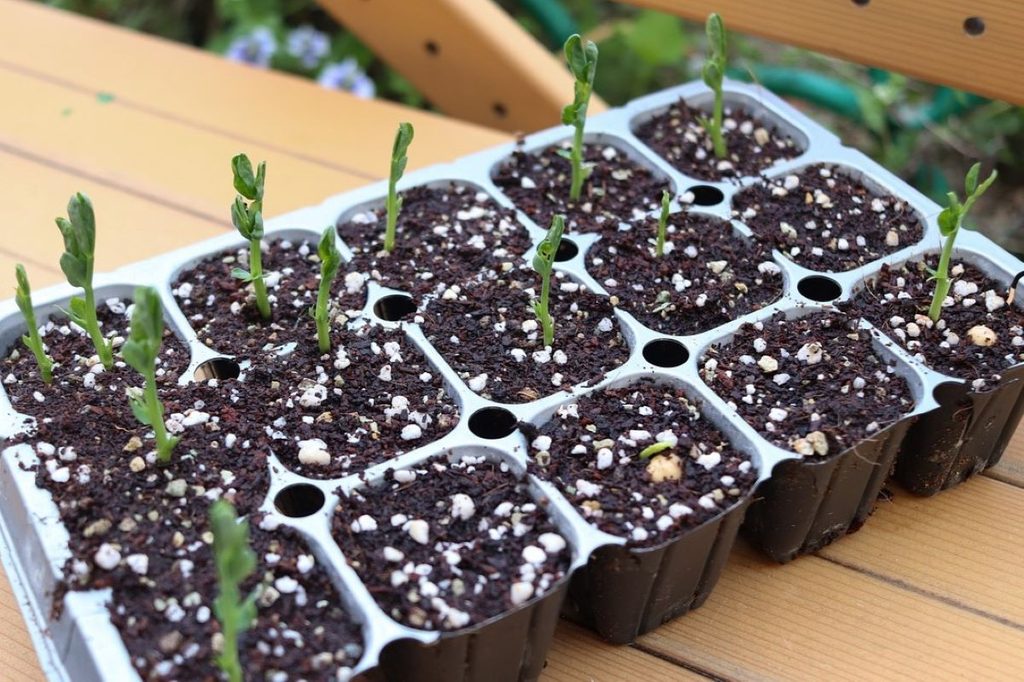
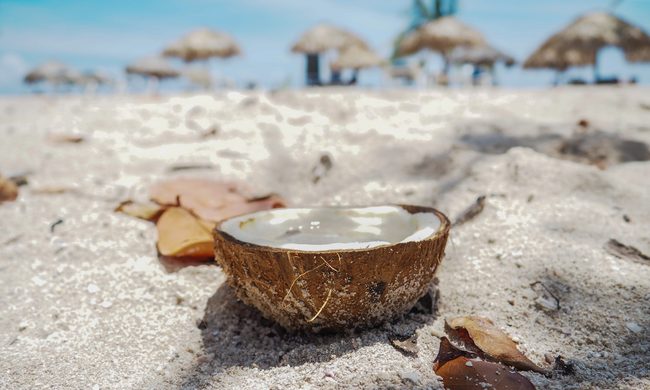
Potting soil usually starts with a base of compost or garden soil, sometimes with sand or bark mixed in. Perlite is often added to improve drainage and water retention, as it absorbs water and releases it slowly over time. Some potting soils might use vermiculite instead. You may also see peat moss or coco coir, both of which improve drainage and texture, as well as altering the pH of the soil.
Some potting soils add fertilizer to the mix, while others use additives that supply the same nutrients without using chemicals. Bone meal, blood meal, rice hulls, and worm castings are a few common additives, all of which break down over time to add more nutrients to the soil. Potting soils formulated for plants that prefer specific pH balances may also include limestone or garden sulfur, which make the pH more alkaline or acidic, respectively.
What is the best ratio for potting soil?
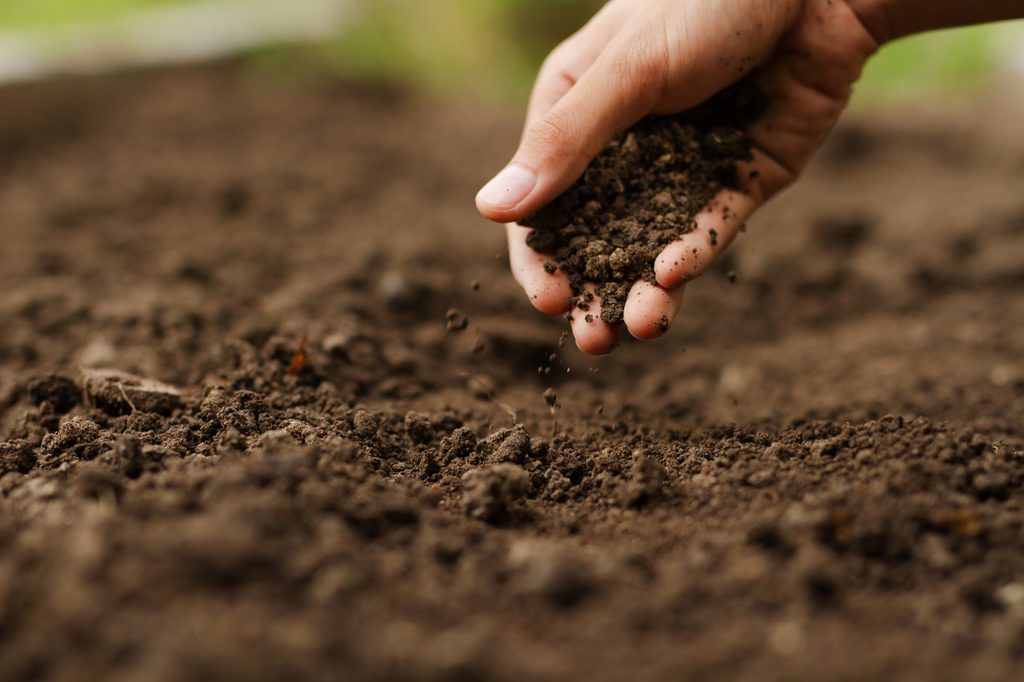
The ratios used for potting soil vary slightly depending on exactly what your plants need, but the ratio used for a basic potting soil is simple. The ratio isn’t exact, so don’t panic if you end up with a little more of one thing or not quite enough of another — remember, natural soil isn’t exact either. What’s more, many gardeners tweak the ratios or develop their own soil recipes. Experimenting and seeing what works best for you and your plants is a normal part of the process.
Whether you use a cup, bucket, or barrel to measure depends on how much potting soil you want to make. The important thing is to keep the measurement consistent across the entire process. If you start off measuring with a cup, don’t switch to a bucket halfway through.
Start with two parts of your base. This is typically garden soil or compost, but you can swap it out for coco coir or bark for a soilless potting mix. If you’re using garden soil from your own garden, you’ll need to sterilize it first. Otherwise, store-bought garden soil will work just fine.
You can then add one part of perlite, compost, coco coir or peat moss, bark, and sand. Most potting soils include perlite, compost, and either coco coir or peat moss. Bark and sand will change the texture of the soil, and bark can sometimes change the pH as well.
Is there a difference between potting soil and potting mix?
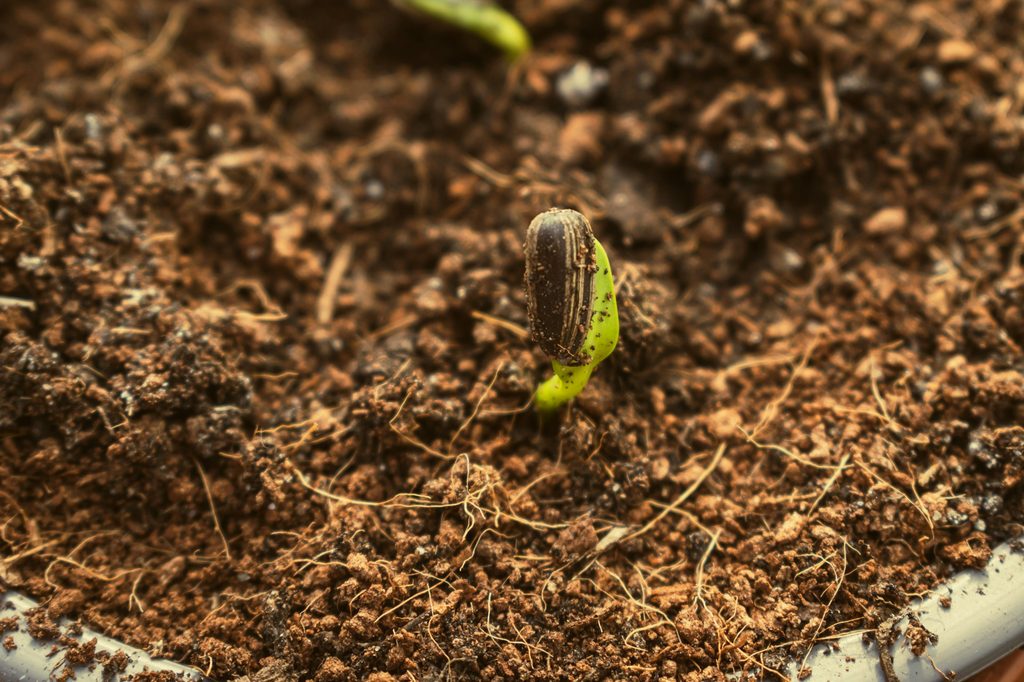
Potting mixes typically don’t contain soil, while potting soil typically does. Although you may see some people use the terms interchangeably, the presence of soil is usually the deciding factor. Potting mix uses coco coir, peat moss, and bark chips to support the plants rather than soil. This makes potting mixes lighter than potting soil, and they typically drain more quickly as well. While some plants can grow in either, plants that are epiphytic, like many types of orchids and air plants, grow better in potting mixes. These plants naturally grow without soil, so they can struggle to adapt when planted in potting soil.
Now that you know how to make potting soil, you can help your plants thrive. A basic mix of garden soil, compost, and perlite is perfect for the average plant, but you should feel free to test out new blends. Many plants are surprisingly forgiving, and you can always try again if something doesn’t work out!