One of the most rewarding parts of maintaining a garden is watching your fruits, flowers, and veggies grow from seedlings into their vibrant final forms. Currently on our radar for gardening tips and progress pics is Instagram user @greenladymeg, aka horticulturalist Megan Arnold from Adams County, PA located in Zone 6b. Arnold’s feed documents plant pictures and tips, broadly speaking, but you’ll find specific information about herbs, pansies, and pest management. Because Arnold is a plant grower at the Ashcombe garden center in Pennsylvania, we also get plenty of insight into her work there. Over the years, Arnold has doled out pretty helpful tips about gardening along with beautiful pictures — here are the best lessons from the @greenladymeg page!

You can still have colorful plants in cold winter weather, though it might take a bit of work.
In this post, Arnold shares pictures of thriving pansies, germanders, cabbages, and kale heads in her front garden bed. According to her, pansies are pretty hardy — they won’t start to suffer until temperatures dip beneath 25 degrees Fahrenheit. The germanders, likewise, are hardy perennial herbs that function beautifully as border plants. But kale and cabbage, on the other hand, do require some elbow grease. For Arnold, the extra work comes from managing caterpillars, installing plant growth regulators, and providing supplemental calcium.
Winter doesn’t need to mean a barren garden with nary a green leaf in sight. To maintain a vibrant patio or yard during winter, select hardy, frost-tolerant perennial plants first and foremost — flowers and brassicas can especially thrive in cool weather. From there, take measures to protect your plants from the elements, whether it’s BT for pests or mulch for cold temperatures.
Your plant can survive even if you cut it down.
Arnold has shared her false banana plant’s (Ensente maurelii) journey throughout her Instagram feed. Here, she chronicles how she cut off the leaves of her large false banana plant and only left it with a few roots to overwinter it. After making the chops, she stored her plant’s bare root inside her attached garage, which stays above 40 degrees Fahrenheit at all times. When it warms up in late winter, she’ll place her plant in potting soil once more.
The lesson to be learned is that plants are pretty hardy — even if you cut them down to their roots, they’ll be able to bounce back. You certainly don’t need to cut as much as Arnold does, of course. If you notice a struggling plant at home, it can be helpful to prune it back so that it can push out bushier growth during the growing season. When cutting back a plant, you have the best shot of your plant surviving if you leave green stems and leaves on it so that it can photosynthesize properly.
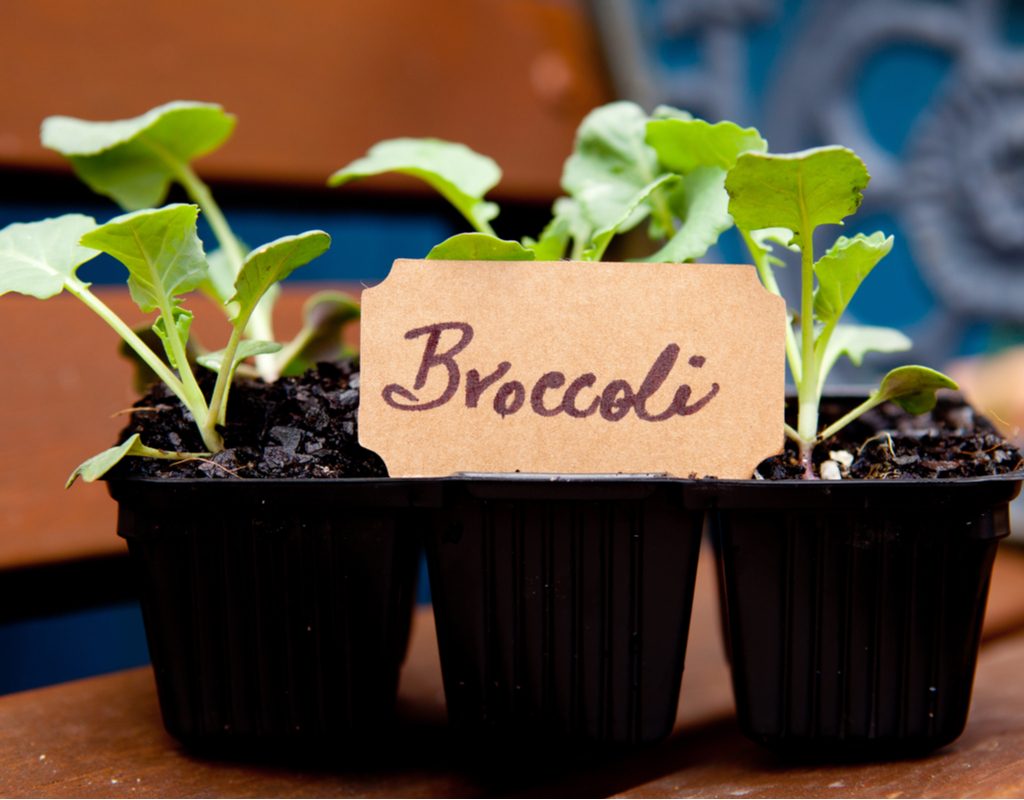
Consider the temperature when you bring your seedlings out in the spring.
In this post, Arnold highlights her bountiful pink celery harvest, which turned out to be her best of this veggie yet. However, she does talk about exposing her seedlings to less than ideal temperatures earlier in the year, emphasizing the importance of a greenhouse for protecting vulnerable seedlings. If you’re not lucky enough to have a greenhouse, it may be best to keep veggie seedlings inside for a little longer until temperatures warm up. While they were stunted in the spring, the celery plants bounced back during the summer for a bountiful harvest.
Knowing when to bring seedlings out can be tricky, as temperatures fluctuate during the transitional period between winter and spring. Start your crops in late winter, just a few weeks before your area’s last frost date. If the temperatures aren’t yet ideal by the time your seedlings have grown, a greenhouse can be helpful. Likewise, you can harden off your plant by leaving it out for a few of the warmest hours of the day until the temperatures stabilize. Or, of course, you could simply leave your plant inside.
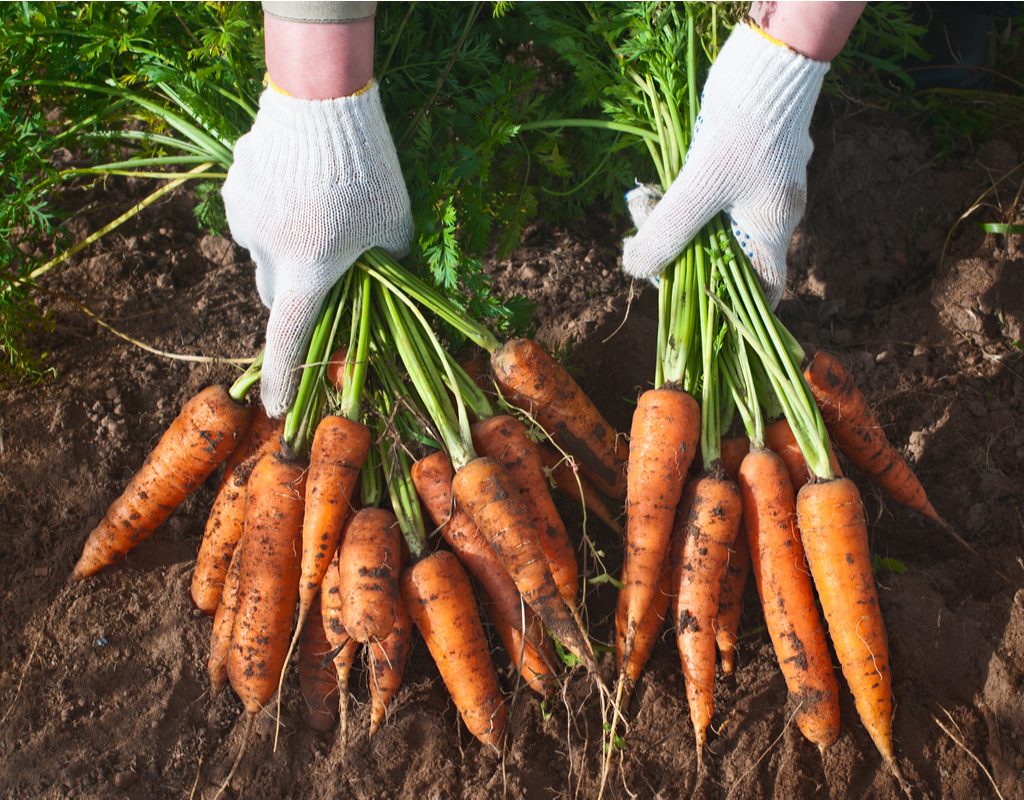
Wait for the right time to dig up your plants.
Here, Arnold spotlights her Manpukuji carrots, which she waited to harvest. Because her soil was dry, she avoided digging the carrots up until it started raining, as taking them out in dry soil could’ve broken them. Here, the lesson is that gardening patiently will save you time, energy, and heartache in the long run.
When you’re digging up root vegetables at home, it’s ideal to harvest after the rain so that the roots loosen up a little. You don’t want the soil to be soggy, which could make the process messy. But you also don’t want it to be so dry that you end up breaking your veggies. For root veggies, your soil should be loose and sandy in the first place, but a little moisture, whether from rain or watering, does make the extraction process easy.
For beautiful harvest and bloom images where you can see growing cycles progress, check out @greenladymeg on Instagram. You’ll be delighted by her striking images of fruits, veggies, and flowers while learning a few growing tips along the way. And hey, you can see for yourself how her false banana plant fares over time!