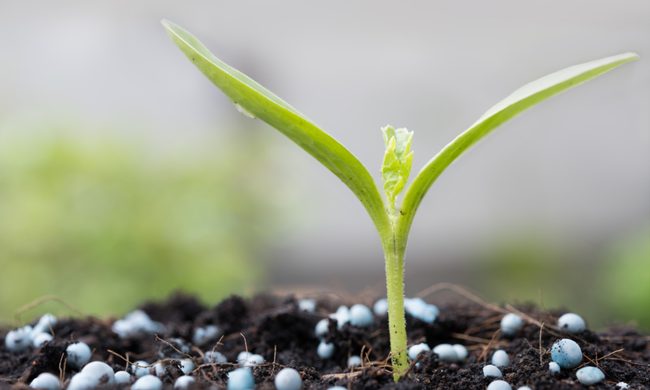
There are different types of fertilizers – organic, synthetic – except we live in a time where people are turning to organic products for everything in their lives — food, cat litter, and cleaning supplies. So, of course, people are looking more into organic gardening tools. Yet, there may still be questions about organic garden fertilizer, like is it really that much better than nonorganic options?
Why not use synthetic fertilizers? Well, it’s a reasonable question. Most nonorganic fertilizers come with the three chemicals that plants need to grow: Nitrogen, phosphorus, and potassium. So what is the advantage of buying a big bag of the organic stuff that may require more investment when the smaller, less-expensive option might still work well? Let’s break it down.
The nutritional benefit of organic fertilizers
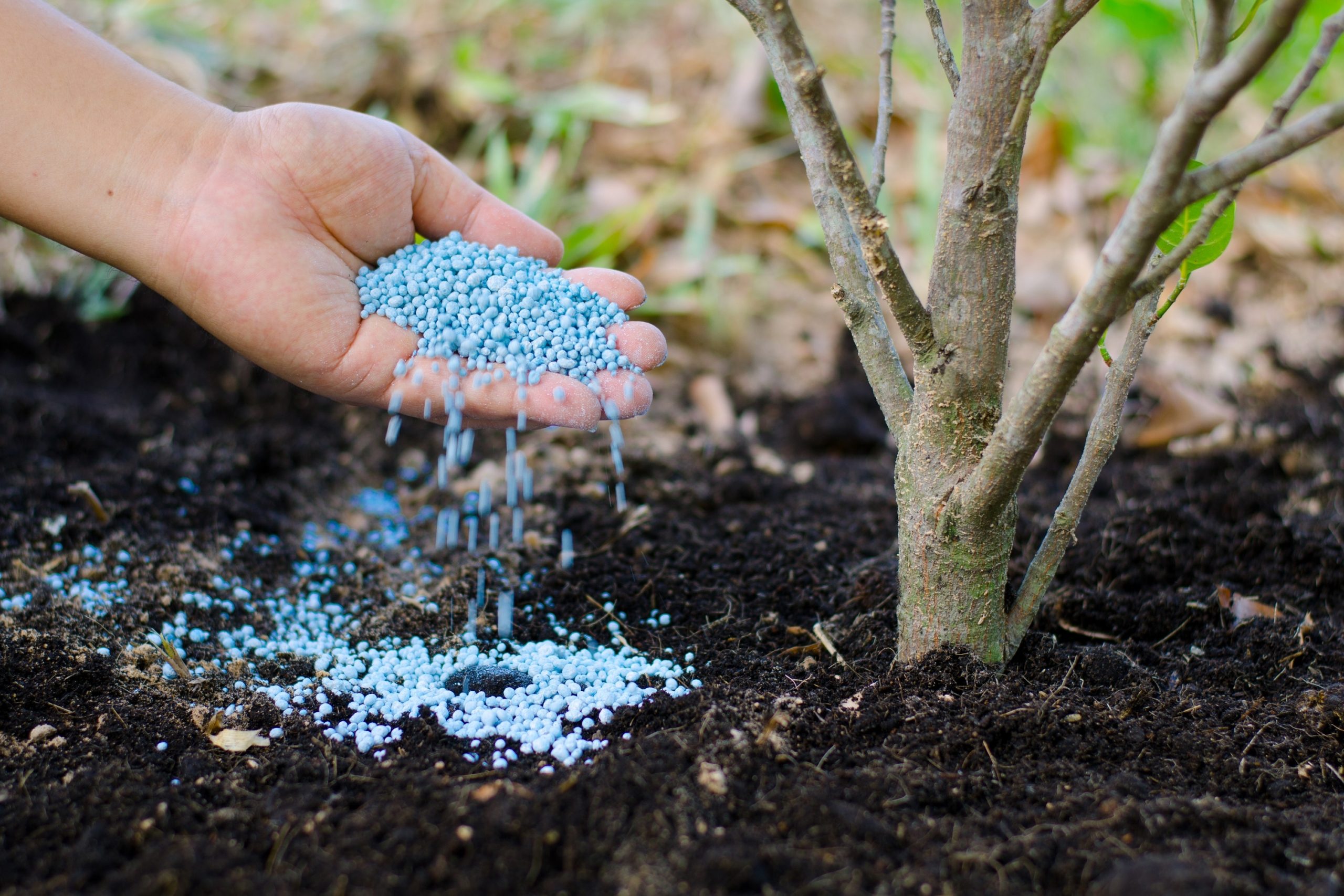
Most nonorganic options only provide the previously mentioned trio of nitrogen, phosphorus, and potassium. These are known as macronutrients, and while they are definitely required in greater amounts for plants, these are only three of the 13 nutrients needed for a garden to thrive. The other 10 include the secondary nutrients — calcium, sulfur, and magnesium — and the trace nutrients — boron, chlorine, manganese, iron, zinc, copper, and molybdenum (we can’t pronounce it, either).
While these other nutrients come in far smaller quantities, they are no less essential than the macronutrients. Many times, the plants will get these nutrients from the soil. However, nonorganic fertilizers can prevent the plants from completing this process.
Disadvantages of nonorganic fertilizers
There are three main disadvantages to using nonorganic fertilizers:
- Harmful to the soil: These chemicals are hard on earthworms and microorganisms that call the soil home. Earthworms are some of the best composters and they aerate the soil by digging tunnels. If the earthworms disappeared, thanks to the chemicals found in nonorganic fertilizer, the soil would become compact, and the plants would struggle to absorb the necessary nutrients.
- Harmful to the plant: Over time, the plant will lose the ability to absorb nutrients from the soil and will continue to rely on the pure chemicals; think of it like being hooked up to an IV in the hospital. While the IV may be providing certain necessary components, your stomach would grow weak from not being fed in the proper way. This dependency on chemical fertilizers is only pushed further by the way they release nutrients. Most nonorganic options come in a liquid form, which gives plants a short-term boost, but that supply drops off a cliff in the long term. That sudden loss of nutrients is hard on plants, requiring more chemical fertilizer … then more and more.
- Harmful to the environment: Many nonorganic options are created from oil, using a significant amount of fossil fuels. This oil can slip into streams and lakes, which then causes algae to bloom, depriving oxygen from fish and other organisms in the water; it’s one big domino effect.
Advantages of organic fertilizers

Now that we have gone over the disadvantages of nonorganic, we will discuss the advantages of organic:
- Has all the nutrients: Unlike the simplistic fertilizers previously mentioned, organic fertilizers are complex creations that add all 13 necessary nutrients to the plant, not just the two or three necessary for survival. These organic options can come in a variety of materials, including manure, powdered rocks (these include lime, rock phosphate, and greensand), blood meal, bone meal, wood ash, and compost, and all of them contain important micro and trace nutrients. Not only that, but the texture of these options will improve soil quality, not degrade it.
- Safe for everyone: Another benefit is one of the most important — it’s safe for humans! That does not mean we suggest drinking organic fertilizer or rubbing it on your skin, but rest assured, organic fertilizer is safe for you, your family, and your pets if an accident were to happen.
- Easy to apply: Organic fertilizers are just as simple to use as their nonorganic cousins. You can add it to the soil or spray onto the plants directly. No matter how you apply them, organic fertilizers have far more benefits while providing the same convenience as chemical substitutes.
To recap, organic fertilizer is the best option for your plants to thrive when compared to nonorganic fertilizer. The organic options contain important secondary nutrients; improve the texture, aeration, and drainage of soil; allow the nutrients to slowly release; and is better for the environment during the manufacturing process.