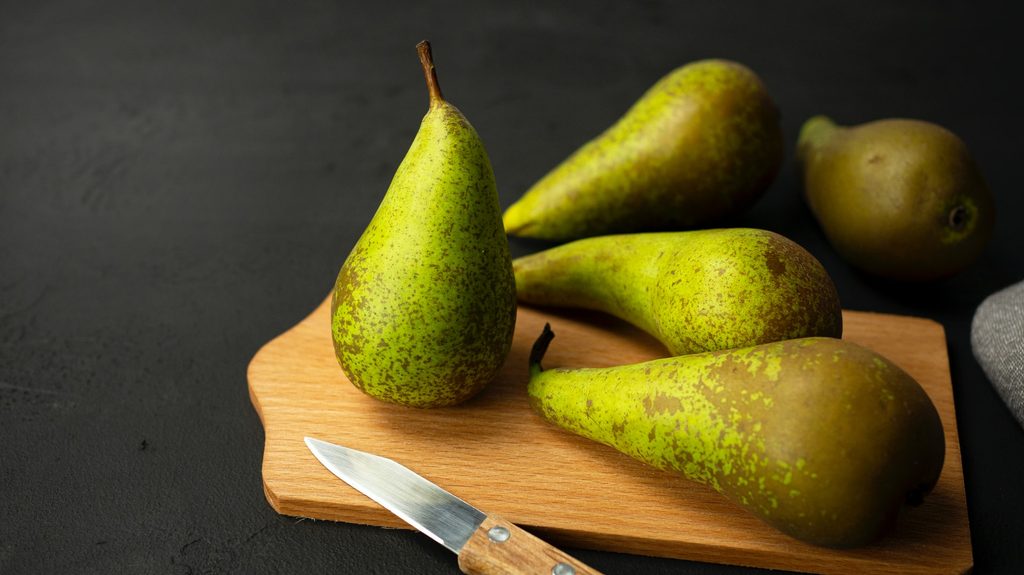
Sweet, juicy, and crispy, pears are not only versatile in recipes, but they’re also some of the easiest fruits to grow in a home garden. They ever-so-slightly resemble apples in look and taste but tend to be much more resistant to pests and diseases. Plus, they’re full of fiber, vitamin C, and potassium for added benefits to your health.
So, when are pears in season, and when can you pick them for cooking and eating? We’ve rounded up everything you need to know about growing, harvesting, and preparing pears for delicious homegrown snacks!
Growing pears
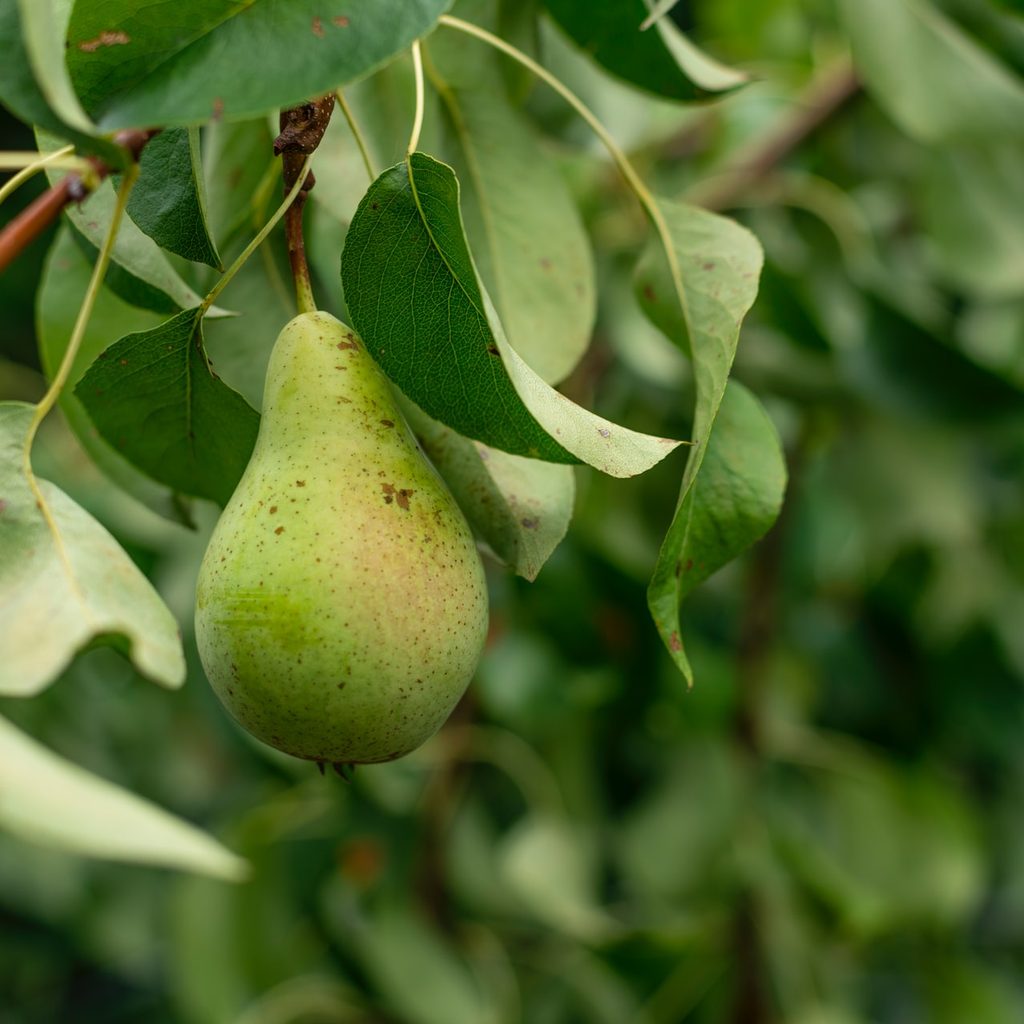
Pears are hardy in USDA Zones 3 to 10, but consult your local nurseries to see which varieties are best for your region. Pear trees can grow up to 40 feet tall, so if you have a smaller space, consider a dwarf or semi-dwarf variety. The most common type for home gardeners is the Bartlett tree, which yields yellow-green fruits.
When do pears come in season?
Pears are typically available from August to October, so you can expect fruits in your garden around autumn. Generally speaking, pears require less maintenance than apples while still yielding similar fruits. However, you might have to wait a few years before you can harvest anything from a pear tree. Growing pear trees from seeds is possible, but you can make things easier for yourself by starting with a bare-root tree.
How do you care for pears?
Place your plant in an area that receives full sun at least six to eight hours a day. Plant your pear tree in the spring by placing it in a hole four to six inches deeper and wider than its root ball. Fill the opening with soil and compost, and keep in mind that pear trees prefer well-draining substrates. Pack down mulch around the base of your tree for moisture retention and to prevent competition from weeds.
Pear trees aren’t high maintenance, but there are care tips you should keep in mind. Water your pear tree consistently — about once a week — when it’s putting out flowers and fruits. Fertilizing once a year should be sufficient for most pear trees. If you fertilize more often, avoid plant food with too much nitrogen, as it will make your tree more prone to disease and encourage the growth of foliage rather than fruit. Once your tree starts to produce fruit, thin them out to two or three per cluster and leave about half a foot between each grouping. You can also prune your branches back in the winter before they push out new buds.
Picking ripe pears
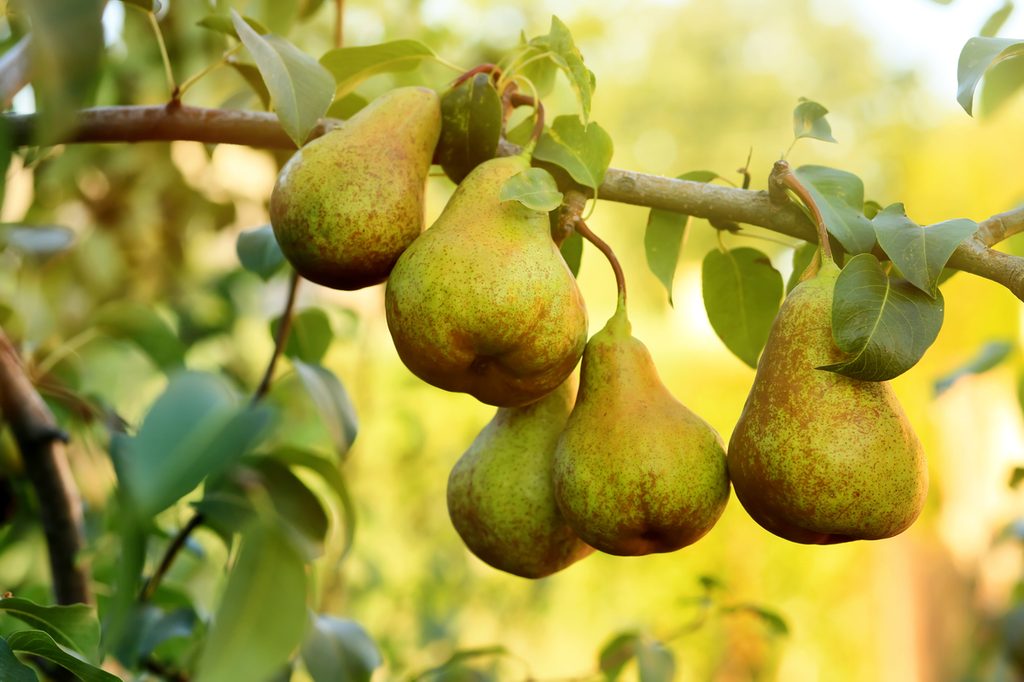
Learning how to pick pears is a skill set on its own. Asian pear varieties (such as hosui or shinseiki) can be eaten right after harvest. But when are Bartlett pears ripe or at least ready for picking? You want to harvest your pears when they are mature but still feel hard — they should be slightly yellow in color. For varieties that don’t undergo a color change, check the pear’s stem end. If this area gives when you press down on it, the pear is ripe.
Can you leave pears on the tree?
For European pears, you can leave pears on the tree as long as they haven’t ripened all the way. However, if you let them yellow completely or get too soft and mushy on the tree, you won’t be able to store them and will have to use them right away. In fact, leave them too long on the tree and you may notice a gritty texture and unpalatable flavor. Asian pear varieties, on the other hand, should be totally fine if you allow them to ripen on the tree. Some fruit may even fall off of the tree naturally to let you know it’s time for picking.
How do you store pears?
Now, let’s talk about storing pears. Leave Bartlett and other pear varieties at room temperature in your home, giving them a few days to ripen before you eat them. In this condition, they should turn soft and sweet with time. A fair warning: the longer you leave them out, the mealier pears become. Place ripe pears in the refrigerator for up to a week or in the freezer for up to two months.
Using pears
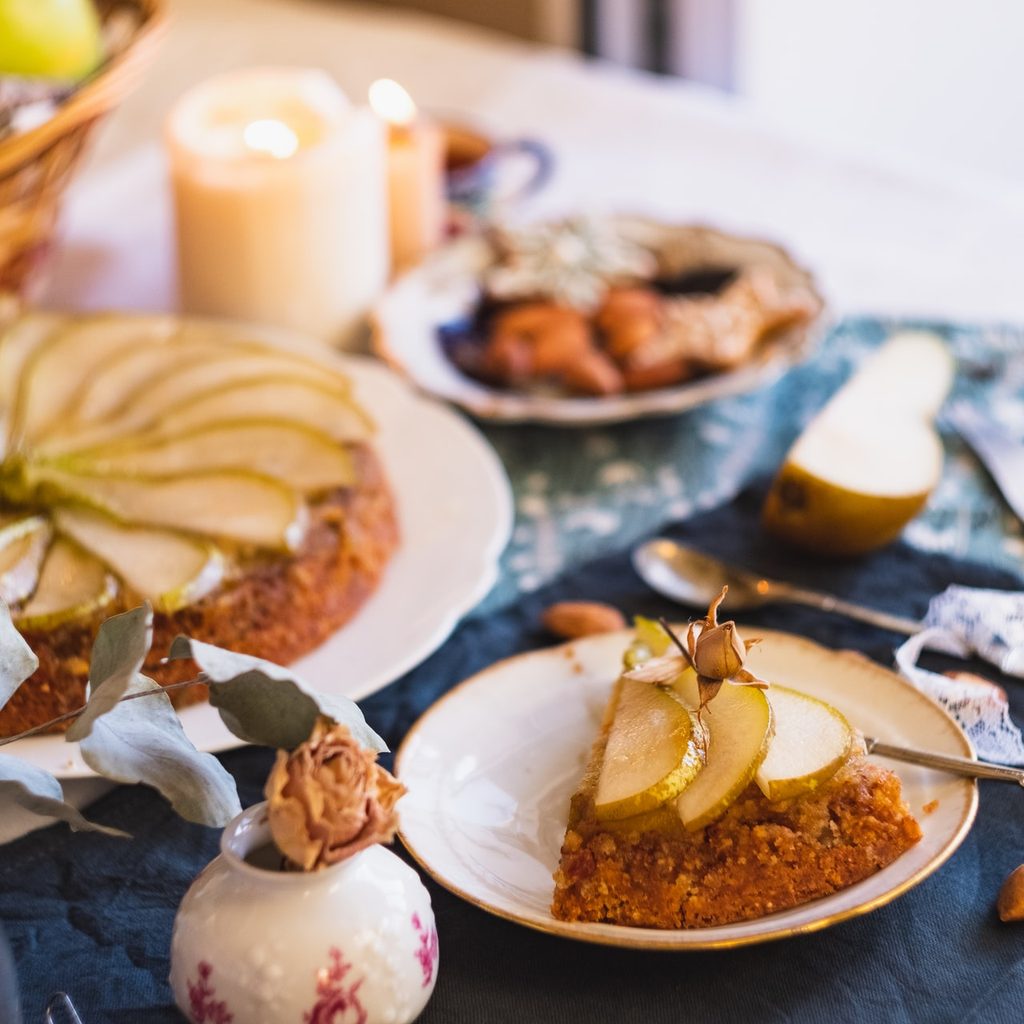
Because they’re usually ready to pick after August, pears are frequently used in autumn recipes. You can eat them plain or bake them, and they work well for both savory and sweet dishes. Bake them into your favorite pastries, such as turnovers and pies, for a sweet dessert. You can also toss them into a stuffing or salad for an extra sweet, tart flavor. If you preserve your pears, make sure that they’re slightly unripe at first so that they can retain some structural integrity over time.
Pears are delicious, juicy, versatile, and easy to grow. Once you learn how to maintain them and know when to pick them, you’ll enjoy harvesting them around the time autumn arrives.