
It’s conventional wisdom that the typical lifespan for a houseplant ranges between two to five years. But there’s some fine print to that: How long a houseplant can survive depends on whether or not it agrees with your home environment and if you give it the care that it needs. With proper maintenance, some homebound plants live well beyond that given range. That said, some plants, of course, are hardier than others and are anecdotally long-lasting as houseplants. Need a sure-to-last suggestion for your next nursery trip? From the Christmas cactus to the monstera deliciosa, keep reading to learn all about long-living plants for your home.
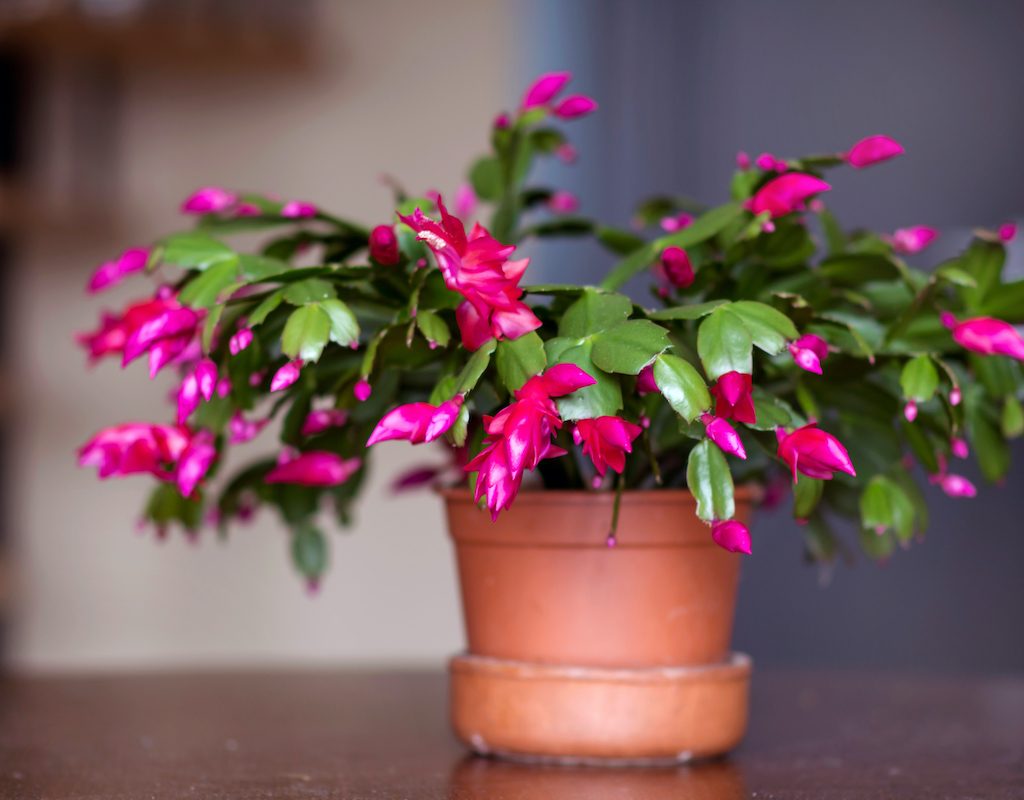
Best for a festive look: Christmas cactus
In between mistletoe branches and pine trees, give the holidays a succulent flair with a Christmas cactus. This festive plant is named after the fact that its flat, fleshy leaves produce beautiful fuschia blooms during November and December. Although it’s a succulent, it appreciates moderate watering and high levels of humidity. Additionally, you want to give it periods of darkness to encourage blooms. When you really care for it properly, this plant can live up to 100 years.
Best for a trailing look: Hoya
While the hoya is a typically slow grower, it’s relatively easy to care for, which is why it’s a plant that’s often passed down in families. Its fleshy, waxy leaves are semi-succulent, thriving with bright indirect light, monthly feeds throughout the growing season, and moderate waterings whenever the soil dries out. The trailing leaf growth and beautiful blooms that hoyas display make them well worth the effort you put into caring for them.
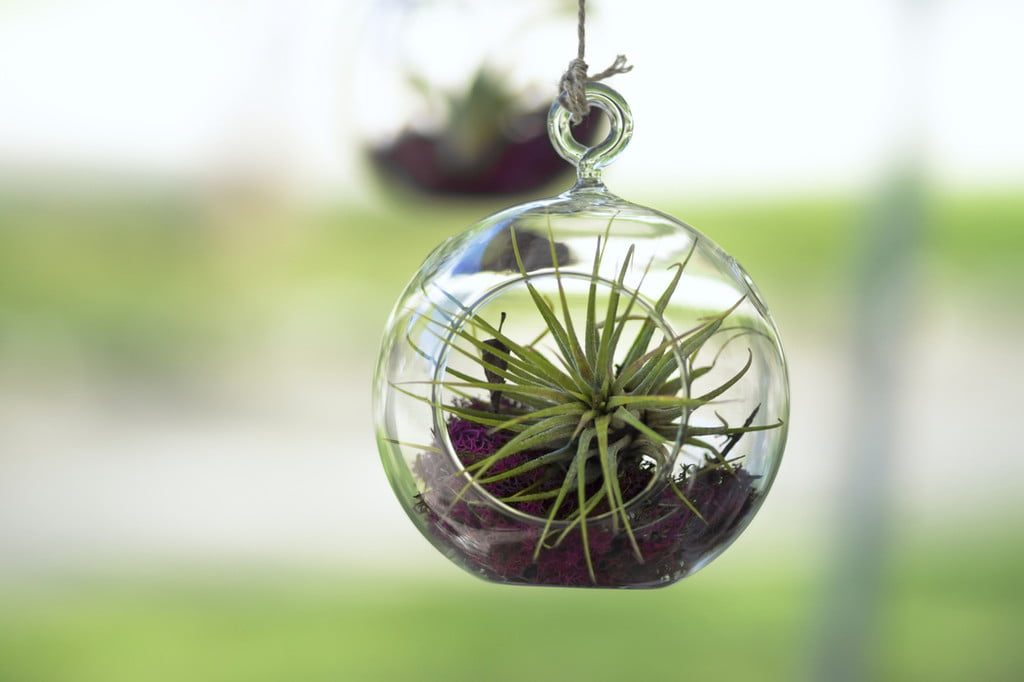
Best for a no-planter look: Air plant
If you don’t want to fuss around with planters or soil, air plants may be the right pick for you. Including roughly 650 species, the Tillandsia genus consists of plants with curled, spiky foliage that live off of the moisture in the air, so you can simply leave them on a table or decor piece. Air plants can live beyond five years (when they reach maturity), while their flowers can last for a few weeks. To keep them healthy, give air plants the occasional soak in water and supply them with plenty of humidity.
Best for a minimal look: Snake plant
The snake plant’s name comes from the fact that its leathery, upright leaves have marbled patterns that make them look like a group of snakes—it’s great for people who want a clean pop of greenery that’s not too loud or showy. This easy-care plant can survive without too much water, sunlight, or fertilizer—giving it too much of the first will kill it with root rot, while supplying it with extra amounts of the latter two isn’t necessary, but will help it grow bigger. The lifespan of an average snake plant is somewhere between five to 10 years, but it can live for several decades with proper care.

Best for a full look: Spider plant
Have a corner in your home that could benefit from a pop of green? A bushy, full spider plant will do just the trick. With the ideal conditions—i.e. bright indirect light, sufficient watering, and moderate humidity, a spider plant can quickly take over your life. This prolific plant consists of striped, curved tufts that give out little spiderettes… which in turn, give out more spiderettes! You can propagate the spiderettes to share with friends easily, either by water or soil propagation. With thoughtful care, this plant can live upwards of 20 years.
Best for a desert look: Golden barrel cactus
The round, spine-covered golden barrel cactus is probably the cactus that you’ll most likely encounter in your garden center’s outdoor section. As with most cacti, this low-maintenance desert plant thrives on neglect, only requiring full sun, sandy soil, and infrequent waterings. With proper care, its lifespan is roughly 30 years.

Best for a tropical look: Monstera deliciosa
The monstera deliciosa is ubiquitous, and it’s become synonymous with creating a jungle vibe because of its glossy heart-shaped leaves with delicate hole patterns. If you give it bright indirect light and adequate watering, this lush plant will unfurl new leaves at least once every month or two. Because it’s a fast-growing plant that doesn’t appreciate being too potbound, you may want to give it a new container every few years and tie it to a moss pole for support—alternatively, you can trim its leaves and roots to keep it manageable.
With bright indirect light and a careful hand on watering, most houseplants are more resilient than we may assume. As long as they get proper care, many may even stick around with you for generations to come! The next time you head to your garden center, keep an eye out for these houseplants for greenery that’s virtually guaranteed to last.