
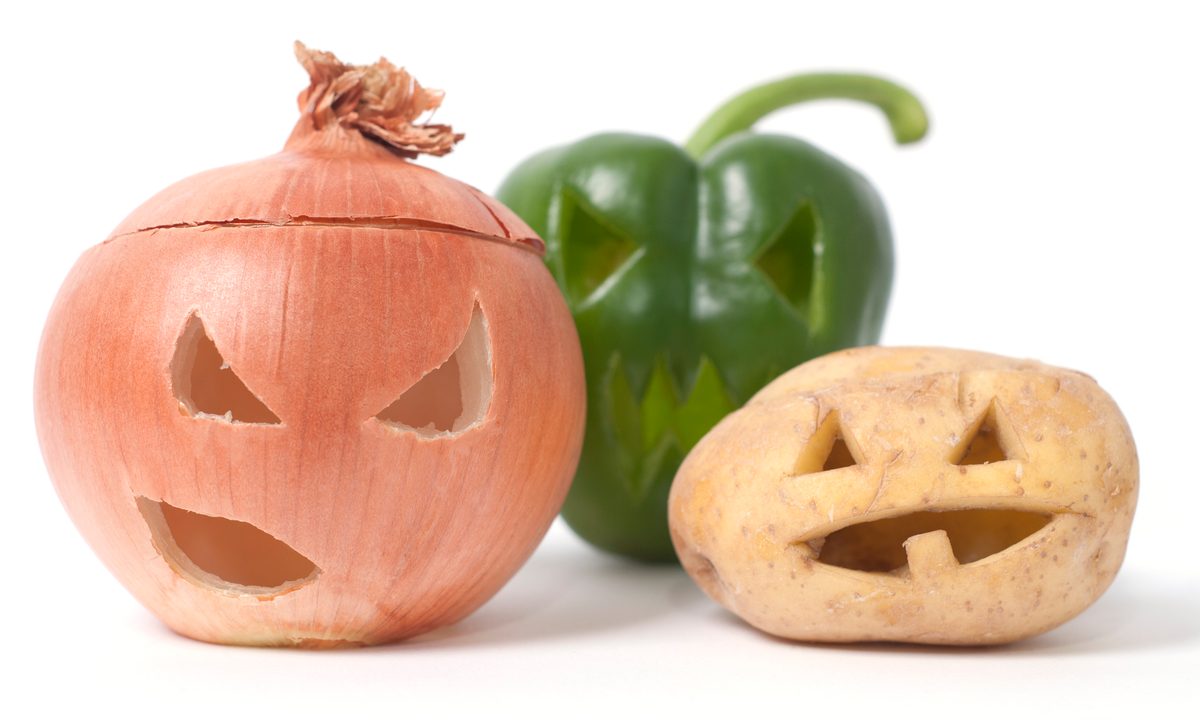
Carving a jack-o’-lantern by yourself or with friends and family is a fantastic way to get into the Halloween spirit. There are tons of cute designs you can choose, and you can spice up your Halloween display further by carving more intricate or scary designs. If you’re bored with pumpkins or want to add a little more whimsy to your display, then you’ll be happy to know that there are other fruits and vegetables you can carve.
Not sure where to start when looking for a vegetable or fruit to carve? We’ve got eight great options for you to choose from.
Watermelons
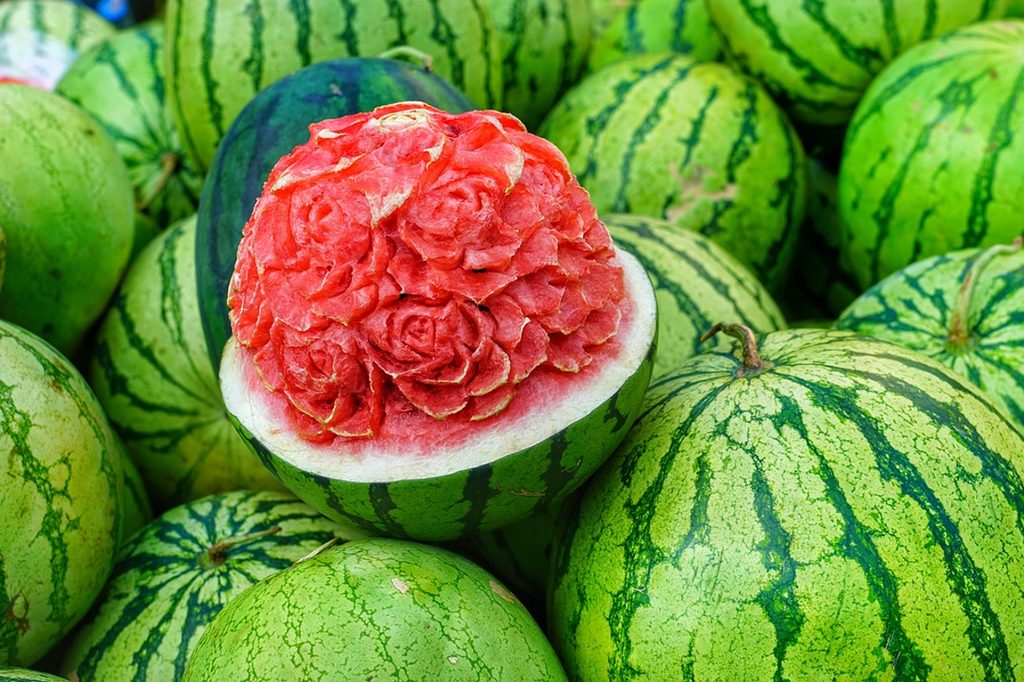
Watermelons are a great place to start, as they have several things in common with pumpkins that make them fairly easy to carve. They have a thick, smooth rind with soft flesh, so you don’t need special tools to hollow them out or carve them. Additionally, watermelons are larger than many other fruits, so you have plenty of room to work. However, there are a couple of things to be aware of.
Firstly, watermelons tend to have rounded ends, so be sure to flatten off the end that yours will be resting on to keep it from rolling away. The other thing to be aware of is that carved watermelons don’t last long, only about a week on average. Keeping your watermelon cool can extend its shelf life. The inside of a watermelon can also be carved, which makes for a delightful Halloween snack table display!
Turnips
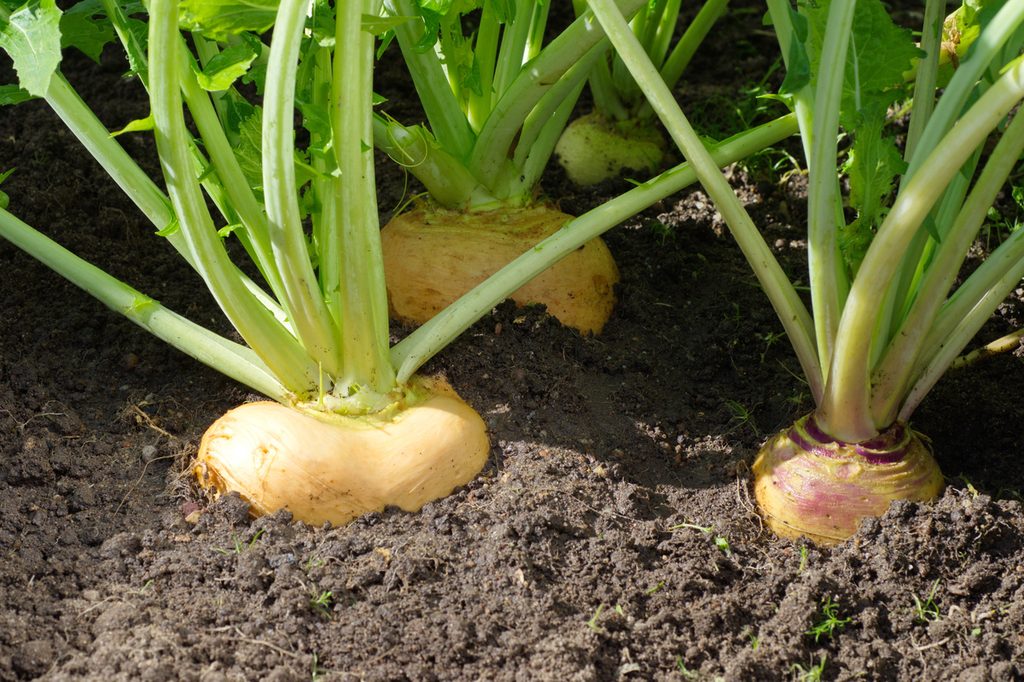
Turnips may not be the first vegetable you think of when listing things to carve, but there’s a surprising history you may not be aware of. Turnips were among the first vegetables to be carved into jack-o’-lanterns, due to how readily available they were in Ireland, where the tradition began.
The unique shapes and textures of turnips can create some really interesting designs, and the firmness of the flesh adds structural integrity. However, turnips are quite a bit smaller than pumpkins, so you’ll need smaller tools. Turnips also don’t last long outdoors, only around three to five days. Their small size means they take less time to carve as well, so they’re easy to replace.
Apples
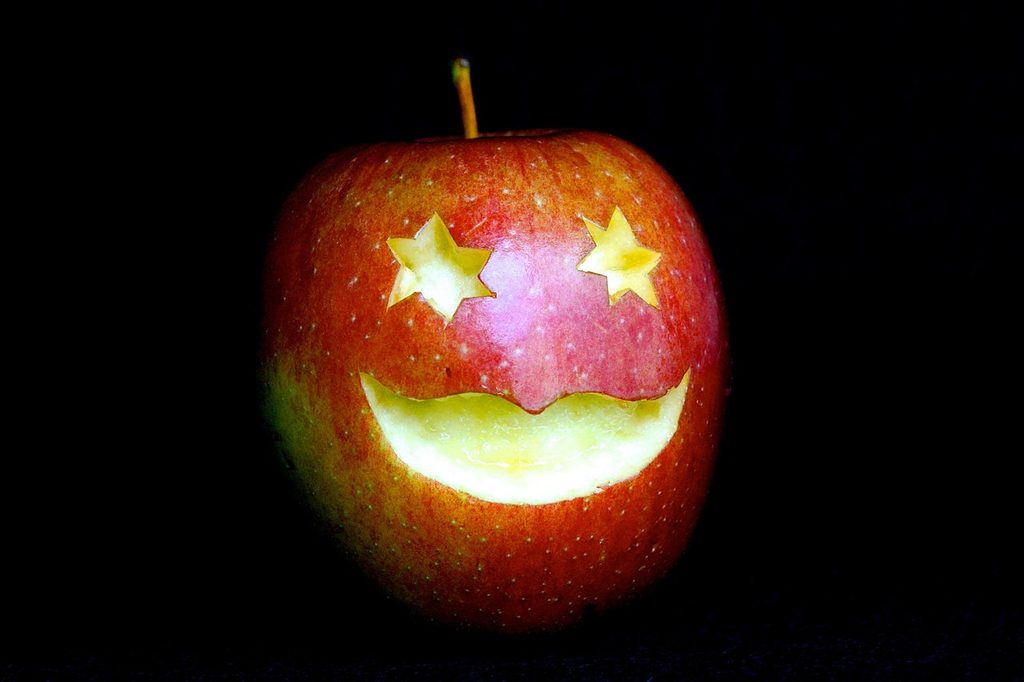
Apples are a bit different from some of the other plants on this list, since they’re much more difficult to hollow out due to their thin peels and softer flesh. However, they are a great choice for sculpting, especially if you choose a large, firm variety like a Honeycrisp.
It’s true that apples don’t have a long shelf life, especially if you’re displaying them outdoors. Once they’ve been carved, you can dry them, which helps preserve them. The drying process also makes them shrink and become more wrinkled, which can add to the grotesqueness of the carving.
Butternut squash
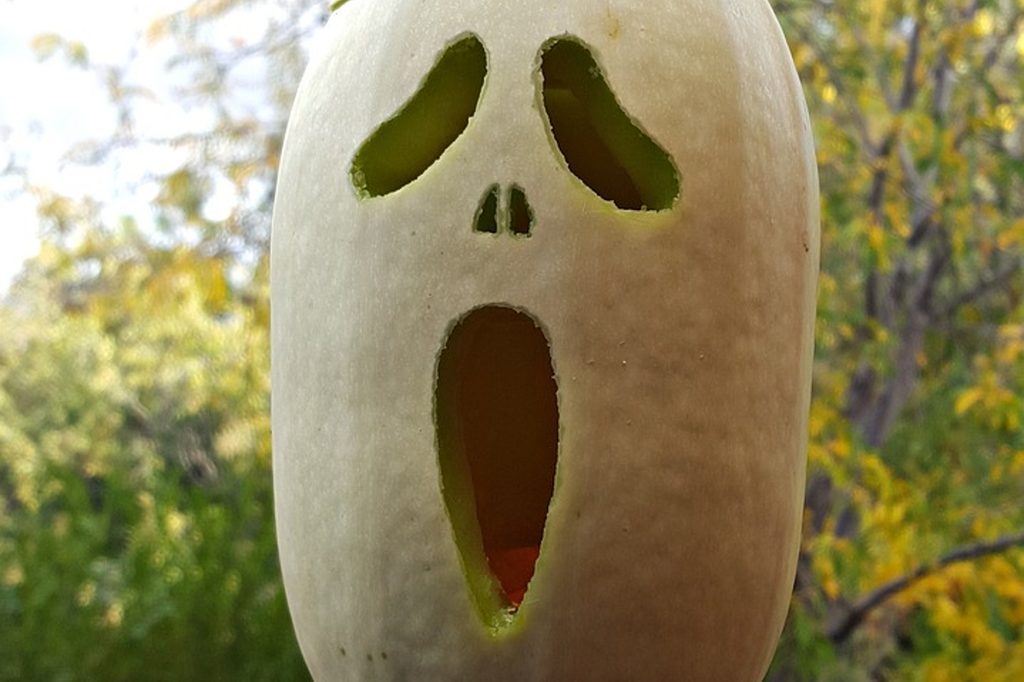
Butternut squash are an excellent choice for carving if you’re looking for something simple and classy. They have a similar consistency to pumpkins, both in their thicker outer layer and goopy insides. Butternut squash stays fresh for roughly as long as a standard jack-o-lantern, too.
A key way they differ, though, is in shape. Butternut squash is more oblong than pumpkins, and their pale coloration means your carvings are easier to accent with paint.
Potatoes
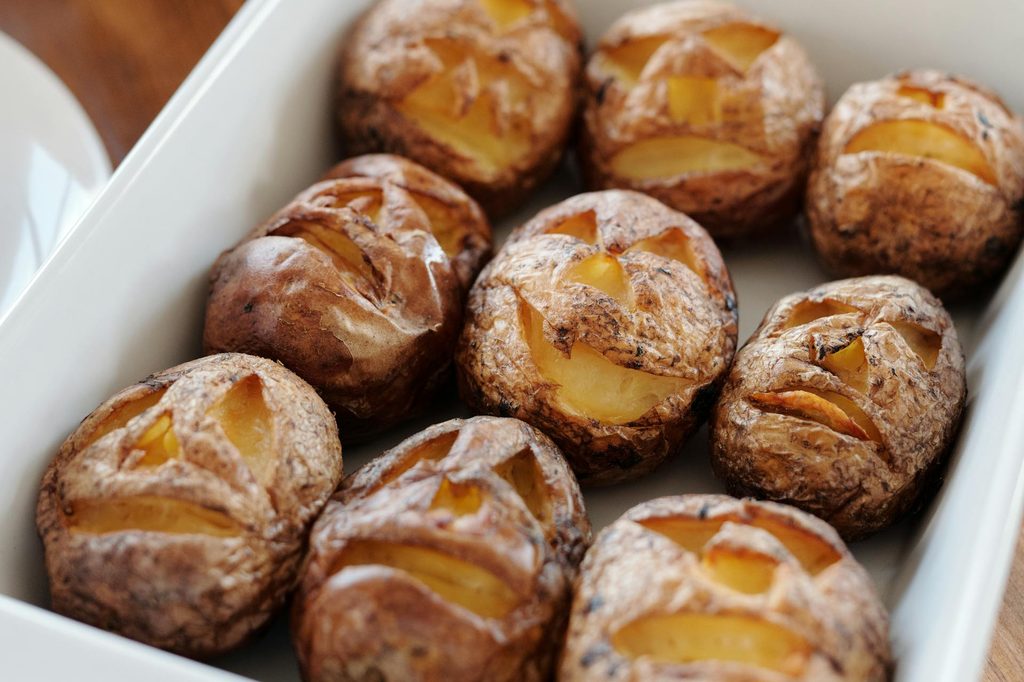
Potatoes are great for carving for a few different reasons. The starchiness of potatoes means that they hold up well for sculpting, although they can be a little tricky to hollow out. They’re readily available regardless of season or location in most cases. The dry, starchy texture of potatoes helps them last longer than other fruits and vegetables.
You can find potatoes in bulk, which removes a lot of the pressure of making a good jack-o-lantern. If you get a 5-pound bag of potatoes from your local grocery store, you’ll have plenty of potatoes to experiment with or to use as backups if one carving doesn’t go well.
Bell peppers
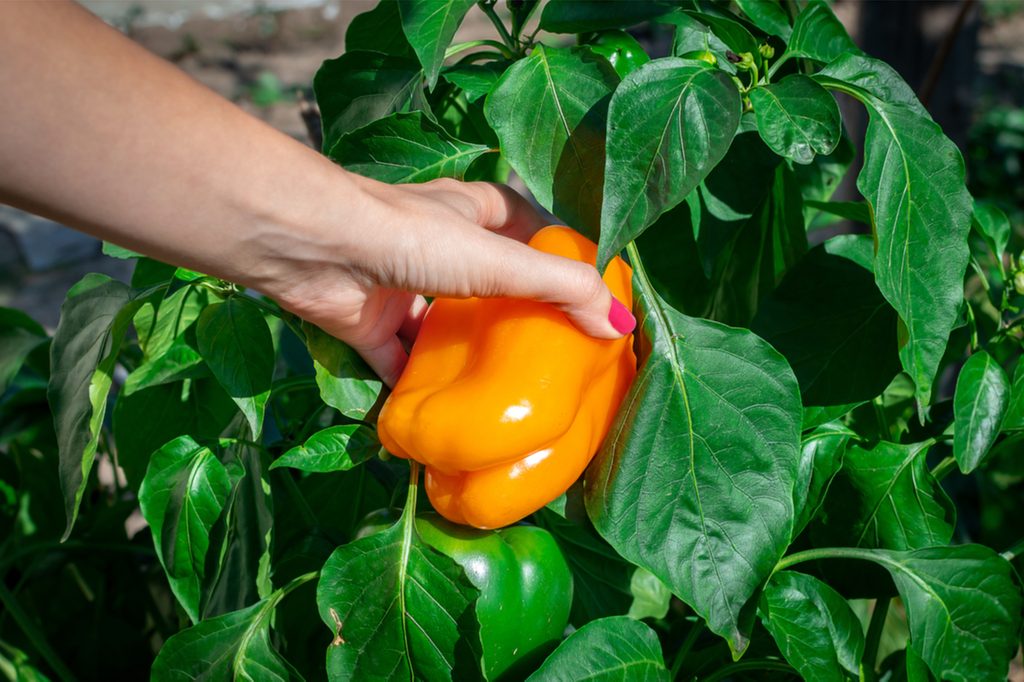
Bell peppers are a fun way to add a splash of color to your Halloween display without using paints or markers. They’re small and relatively fragile (when compared to heartier vegetables like pumpkins and butternut squash), which can make them slightly more difficult to carve in general and significantly more difficult to carve intricate designs into.
In general, you should opt for a smaller blade, like a pocket knife or precision knife, for carving bell peppers. Bell peppers don’t last long, especially in hotter climates, but they do have the added benefit of already being mostly hollow.
Beets
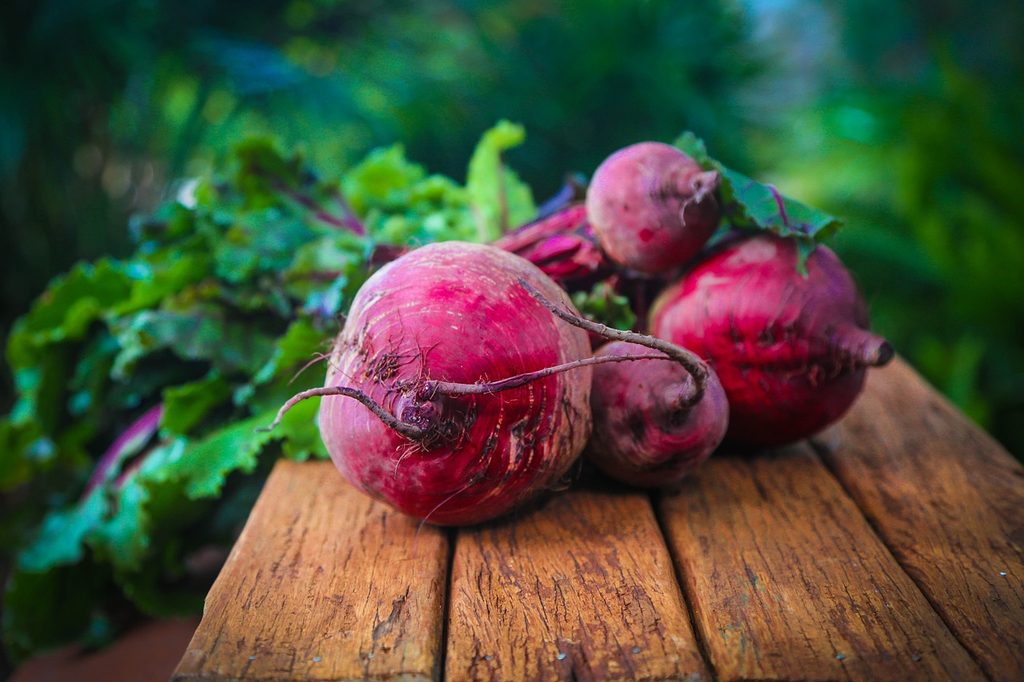
Beets are similar to turnips in size and texture, making them excellent for sculpting. With careful, steady hands, you can even hollow them out for that classic jack-o-lantern lighting. The one notable difference between carving a turnip and carving a beet is the color. Beets are a deep reddish-purple color that lends itself well to the spookier aspects of Halloween. Carved beets can last a few days to a week, depending on the weather. Consider storing them in the fridge until you’re ready to display them.
Oranges
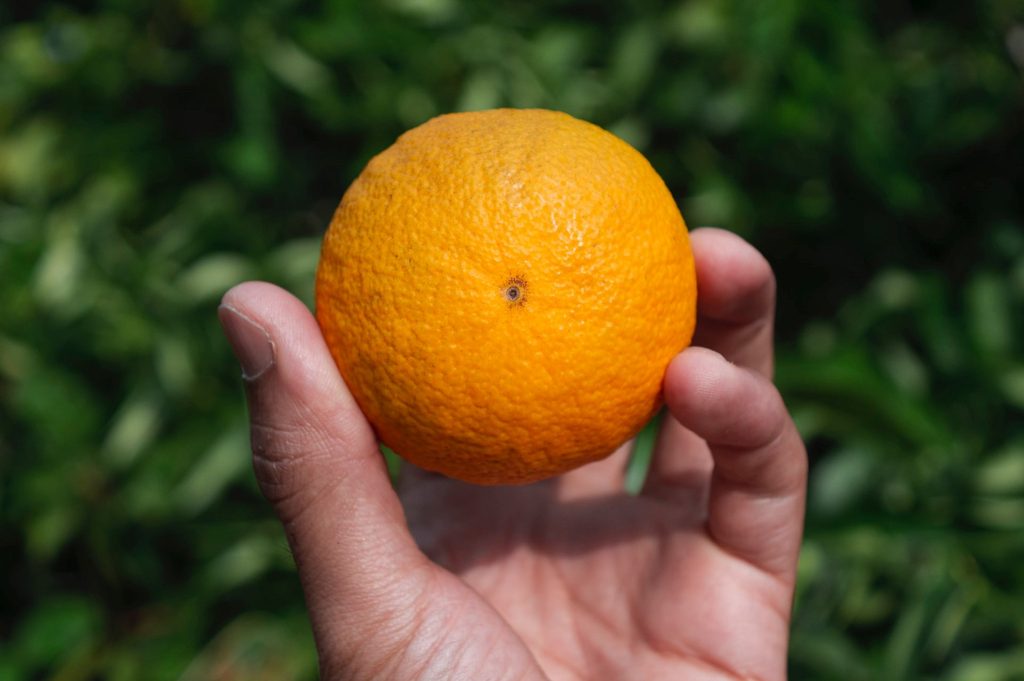
If you love the classic look of a pumpkin but want something smaller, then oranges are the perfect jack-o-lantern fruit for you. They are easy to carve, and their firm interior makes them relatively easy to hollow out.
While they won’t last as long as a pumpkin will, they are easier to replace, meaning you can keep your display going as long as you want. You’ll need a smaller blade to carve them, but otherwise, oranges are fairly easy to carve. Plus, you can enjoy the pleasant scent of fresh citrus for a bit.
Adding these eight fruits and vegetables to your Halloween display can help your home really stand out. Whether you prefer to carve ghoulish monsters, beautiful designs, or cute little faces, there are pumpkin alternatives to fit your needs. Now you’re ready to create the Halloween display of your dreams, without limiting yourself to just pumpkins.