Spider plants are one of the easiest plants to take care of in your home. They don’t require a lot of light or need to be in direct sunlight and can survive without a lot of water. The best part? It requires only a few necessities for plant propagation. You can grow more spider plants from the cuttings of other spider plants.
It may seem difficult to grow spider plants from cuttings, but it’s easier than many people think. Propagating spider plants is a very easy process, with a number of ways of doing it. It also helps that spider plants are one of the easiest houseplants to propagate in the first place.
What are spider plant babies?

Spider plant babies are the offshoots, sometimes called spiderettes or plantlets, that branch out from the main plant. You will usually see them grow in the summer, and once they are mature enough they can be used to grow new plants.
Growing new spider plants from the plantlets is the most common method, and there a couple of ways you can do it. You can either root them in soil while still attached to the main plant or cut them off and root them in water.
Taking cuttings from spider plants
We suggest waiting until the plantlets have started growing roots of their own before taking the spider plant cuttings. If your plantlets do not have roots yet or they are tiny nubs, then wait until the plantlets are a little more mature.
Once you believe that the plantlets are ready to be propagated, cut them away from the main plant. It’s possible that gently pulling them will help them come off on their own, removing the need to cut them. It does not matter where you cut the plantlets off. However, try to keep the cuts as close to the main plant as possible so there is not a stem sticking out.
To cut, you can use anything that you think will give a clean slice. However, if you want to be professional, you can use precision clippers.
Propagate the plantlets in water
The easiest way to propagate spider plants is to root the plantlets in water until new roots begin to grow. However, that ease comes with some disadvantages. The plantlets could become rotted and could go into shock when suddenly transplanted into dirt. There is also a chance they will be weaker when rooted in water, requiring more recovery time when put into dirt.
Before putting them in water, cut or pull off any leaves that are growing at the bottom of the plantlet or under the roots. No foliage should be put into the water or they will rot. Use a deep, clear vase to root the plantlets, then fill the vase with water until it just covering the roots. The deep vase will keep the leaves upright, preventing them from rotting in the water.
Propagate the plantlets while still attached
If you want better results from your plantlets, root them while they are still attached to the main plant. The benefits of this method are you do not have to worry about transplant shock, and the plantlets are stronger from the beginning. However, this is a more difficult method because the plantlets will not always root as easily while still attached.
Put a pot of soil next to the main plant and place the start roots of the attached plantlet into the dirt. If you want to make this process slightly easier, use a rooting hormone to speed up root growth.
Transplanting the plantlets
After your plantlet grows new roots, either from water or still attached to the main plant, it is time to move them into their own pot. Before moving the plantlets into a pot of soil, make sure that the plantlets have grown several roots; a general potting soil will work perfectly.
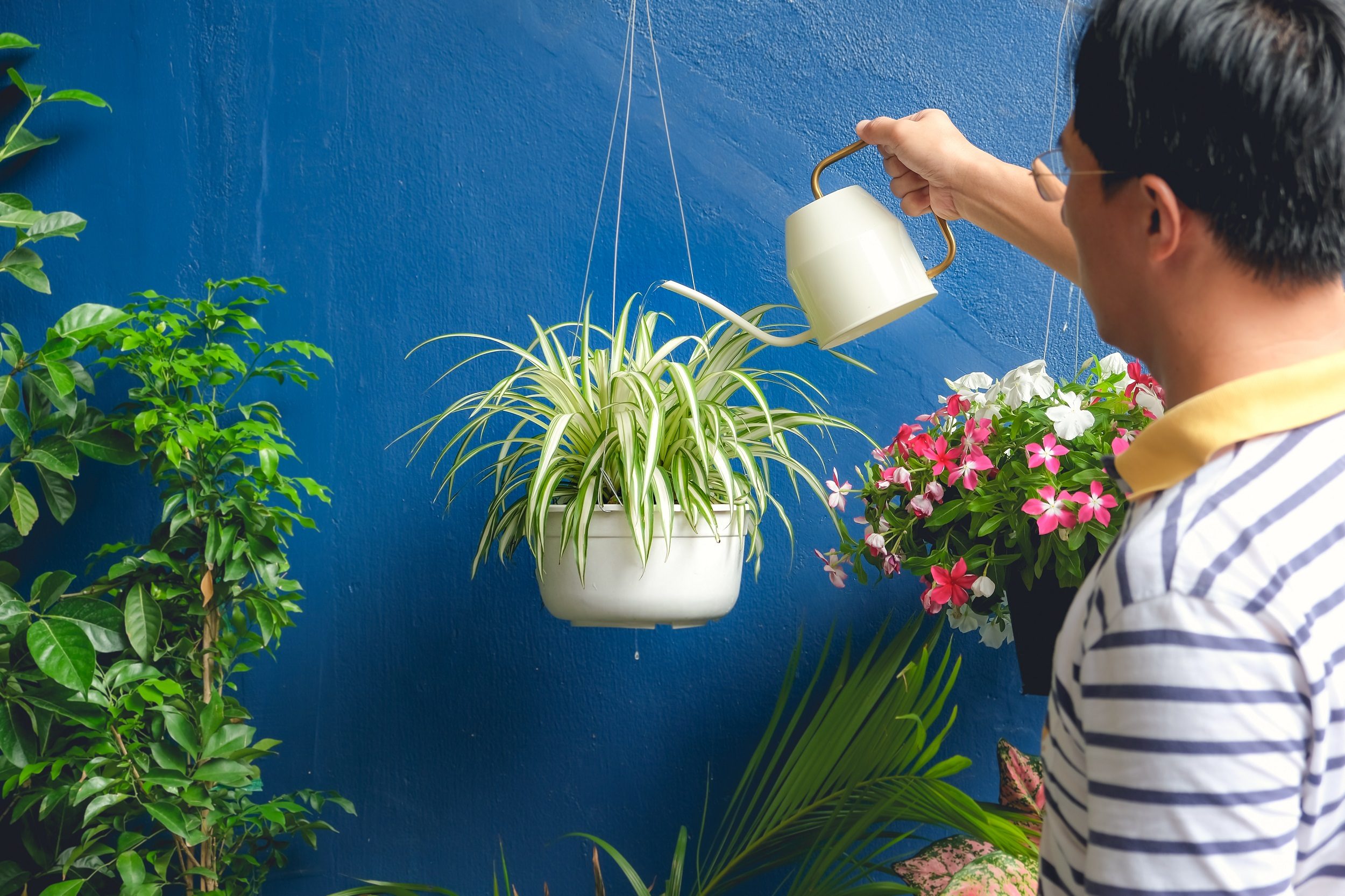
Once transplanted, water the plant well, making sure the excess water drains to the bottom of the pot. The soil should be evenly moist, but do not overwater. Watering the plant once a week is fine, but if you are really worried, a general rule of thumb is to feel the soil. If the soil feels dry, simply add a little water.
If you want to go one step above and beyond, using a daily plant mister can go a long way. If you do not want to cough up the cash, keeping the plant in a humid room (bathroom or kitchen) at first will also help it recover.
Cuttings that were rooted in water will take a little longer to recover. Don’t panic if the plant starts drooping; this should stop after a few days. Once you see new growth, you can start treating it like any other spider plant.
In the end, spider plants are very easy plants to propagate. They are the perfect houseplants to try your hand at growing. Just follow these steps and you will have spider plants all over your home in no time.