The dog days of summer are not just rough on humans; our plants suffer as well. Many of us have lost harvests or even whole plants to an unexpected heatwave. While you may not be able to save every plant, we hope these tips and tricks will give you the knowledge you need to become a better gardener and protect your plants from the scorching summer heat.
Deep watering in the morning
Many plants benefit from deep watering no matter what. However, watering plants deeply right next to the roots can be the difference between life and death during hot days. This will provide the plant with a reservoir of water to soak up and reduces the risk of evaporation before the plant has a chance to use it. Watering in the morning allows the plant to use the water throughout the day and, most importantly, during the hottest parts of the day.
Apply mulch
Along that same thought process, applying mulch to your entire garden will protect the soil from the hot sun. Mother Nature doesn’t like bare ground and will do whatever it takes to cover it up. This is why weeds are so prevalent in uncovered gardens. Mulch also reduces the amount of moisture that evaporates from the soil. So after a deep watering, if your soil has a thick layer of mulch, the plant won’t have to fight the sun for that water. The mulch also protects the roots from getting too hot and keeps the soil at a more average temperature.
Don’t get water on the leaves
No matter what time of day you water, avoid getting water on the leaves of your plants. Water droplets on leaves can cause burns and diseases. Drip irrigation systems make this job easier by watering right at the soil, so the leaves stay nice and dry.
Umbrellas for your plants?
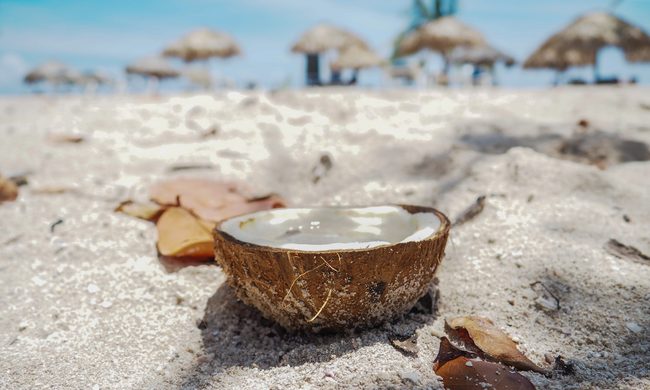
A day at the summer beach would be miserable without a protective umbrella to sit under. This is also true for your garden. Using umbrellas or shade clothes can be an excellent way to protect your precious plants from the sun.
Don’t remove already damaged foliage
If the heatwave has already caused its damage, it doesn’t mean all is lost. Even damaged plants have a chance at survival. When leaves are damaged, don’t remove them. They protect other leaves from further damage and might have vital nutrients leftover that the plant can utilize.
Back off pruning in general
Pruning a healthy plant causes no harm and will likely benefit the plant. However, this isn’t the case for a plant that already has or might need to survive a blistering hot day. Pruning will only cause even more stress to the already stressed-out plant, and it might just be the straw that breaks the camel’s back.
Avoid fertilizers
Try to avoid using fertilizers on your plants while the intense heat is around. Manure, fish, and blood fertilizers contain salts that can cause further stress and burning to the roots of the plants. To a plant already struggling, it might just kill it off completely.
Remove damaged fruits
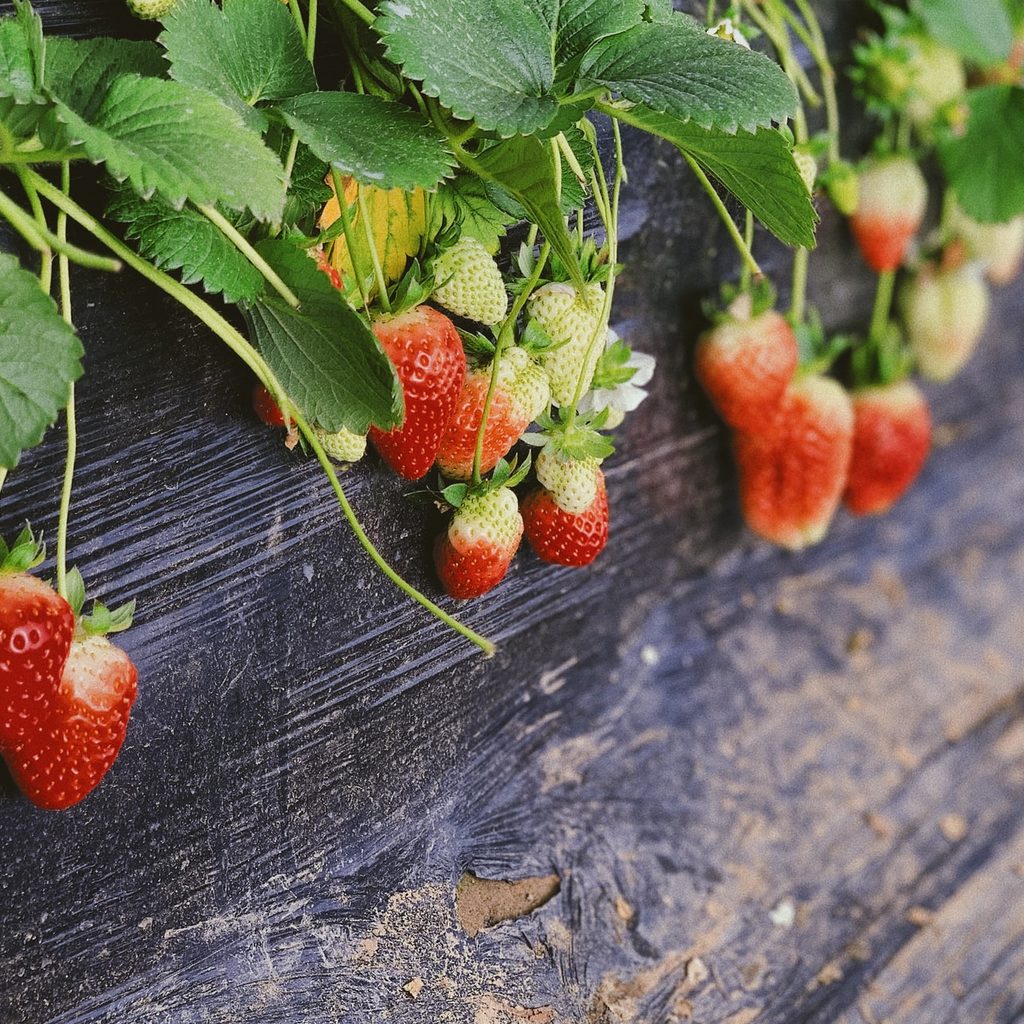
As sad as it is, heatwaves will often damage the fruits on plants. These fruits might have been days away from harvest but now resemble raisins. Any blistered fruits such as tomatoes, peppers, beans, or squashes will not continue to ripen. It’s best to remove them to give the plant a chance at growing more.
Prune your roses
We just said not to prune, but that rule doesn’t apply to your beautiful rose bushes. They are more susceptible to diseases and pests, so remove the damaged and wilted blooms to protect the plant and encourage it to produce more blooms.
Avoid dark containers
Many urban gardeners utilize containers for their gardens. When doing this in a hot climate, avoid dark-colored containers. Dark containers will heat the soil even more than the sun already does. Lighter colors will reflect the sun and won’t turn your soil into a frying pan for those tender roots.
As a gardener, it’s crucial to be aware of the weather and how it might affect your garden. Often this means covering plants when a cold snap moves through. However, this is also true for heatwaves. While you’re out there implementing these tips and tricks to protect your plants, don’t forget to protect yourself while out in the hot sun!