Zone 6 is a beautiful ribbon of climates running through the continental United States, and it happens to be one of the zones where the widest variety of plants can grow, meaning you have plenty of zone 6 fruit trees to choose from! This zone’s warm summers and relatively mild winters make the perfect mix for many fruit trees, bringing beauty and delicious fruit to any backyard or homestead. If you’re looking for the best fruit trees to add to your zone 6 garden, then you’re in the right place! Here are our top 6 fruit trees that will thrive in your garden.
1. Apple trees
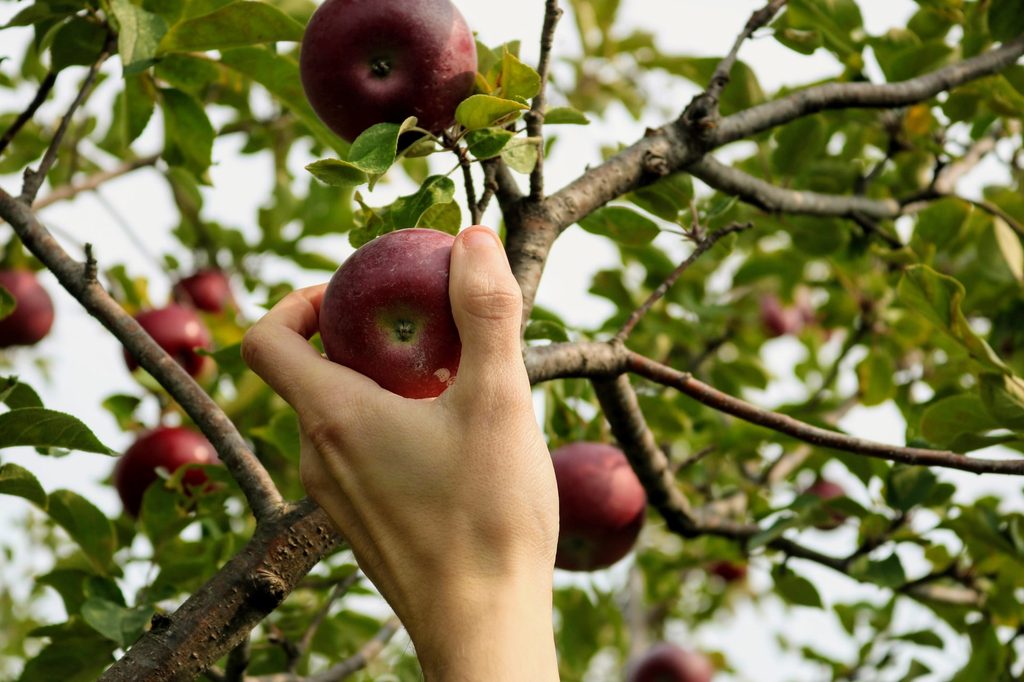
As with many plant species, there are numerous varieties of apples. Not all of these can be grown successfully in zone 6. However, several popular favorites grow and thrive in this climate. Among these are varieties like gala, red halareds, liberty and red McIntosh, dwarf Honeycrisp, and Lodi apples.
Gala apples grow on semi-dwarf trees and are sweet for eating. You harvest them in the fall along with the tart and juicy red halareds. Liberty and McIntosh apples are crunchy and disease resistant, making them ideal for those new to fruit trees. Sweet and juicy Honeycrisp apples are delicious for eating, but the Lodi apple is best for sauces and pies and harvested in the late summer.
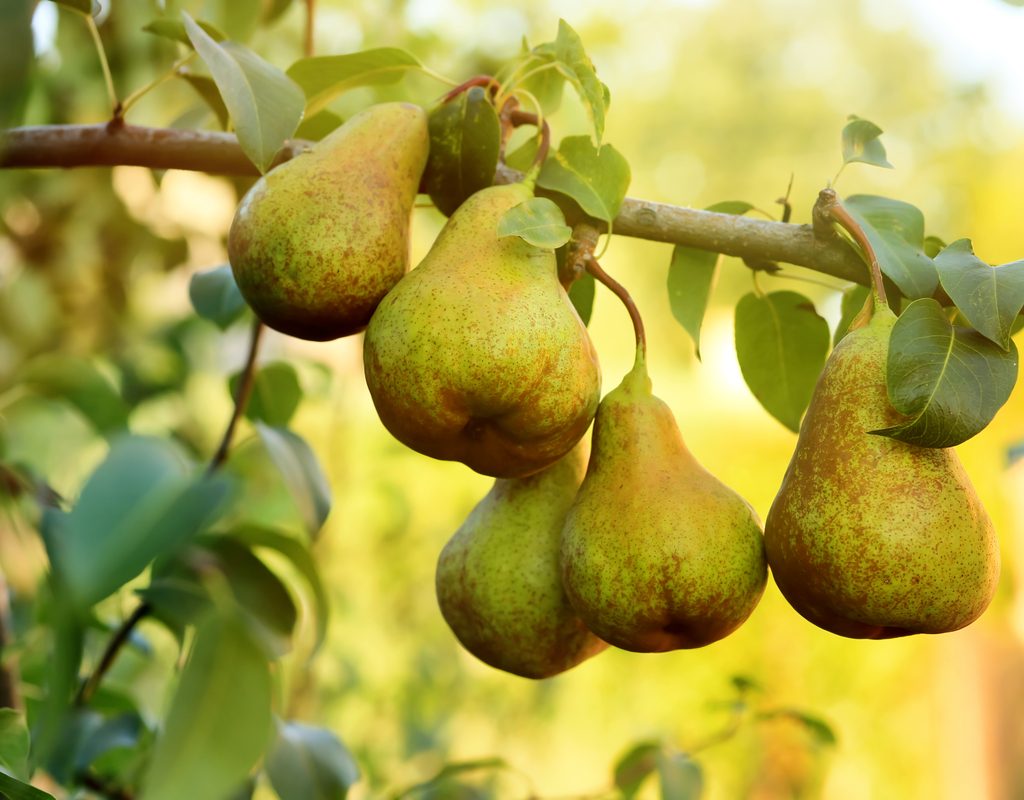
2. Pear trees
European pears and Asian pears are the two most common types of pears. There are several varieties within these types, and almost all can grow within zone 6. The pears produced by European pear trees are sweet and aromatic. They also have the classic pear shape with skins of yellow, red, brown, rough, or smooth. It’s important to note that these types of pears do not ripen on the tree. They must be harvested at specific dates and then ripened indoors.
Asian pears are trees that would probably grow as ornamental trees. It’s a bonus that they also produce flavorful fruit. Unlike European pears, Asian pears are more round like an apple. The flesh is crisp and low in acidity. The skin tends to be more green, yellow, or even bronzed. These ripen on the tree.
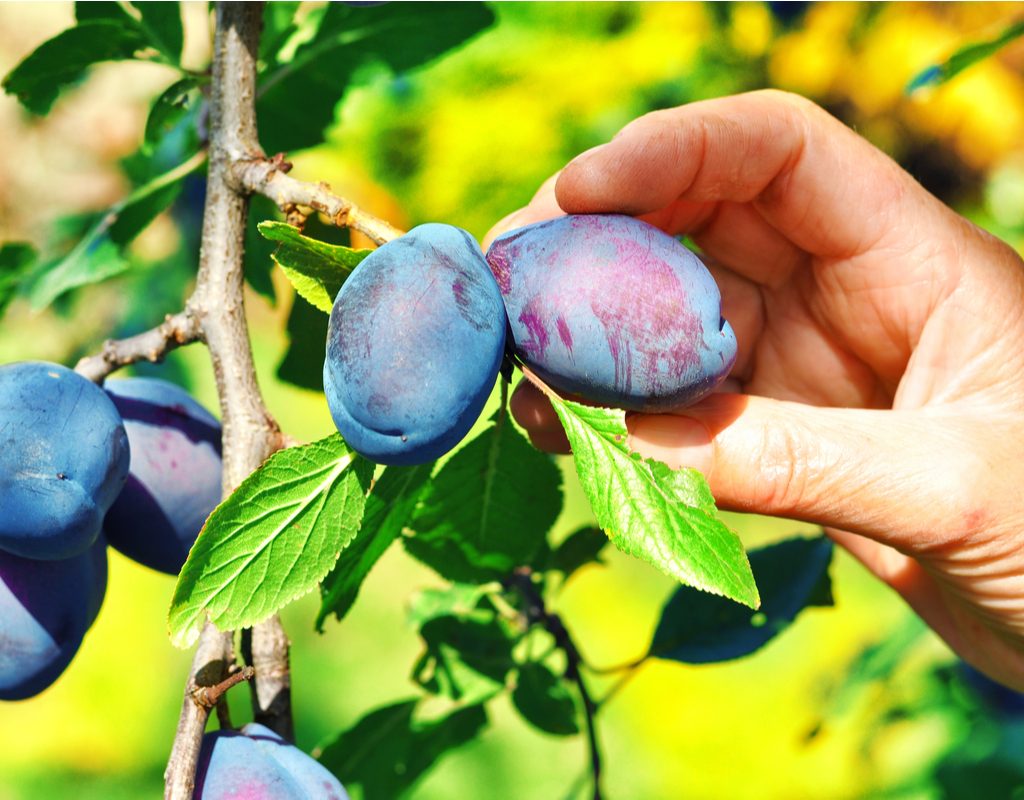
3. Plum trees
Plums are another tasty fruit that can grow well in zone 6. European varieties such as Damson and Stanley thrive in zone 6, as well as the Japanese varieties of Santa Rosa and Premier. However, some of these cannot pollinate unless there is more than one of them. For example, the Santa Rosa plum needs one or more Santa Rosa trees with which to pollinate.
Certain plum trees are grown specifically for drying, jellies, and sauces. The Damson plum is the perfect example. A Damson plum will be bitter right off the tree, but once it’s been cooked down into jelly, it’s sweet and delicious.
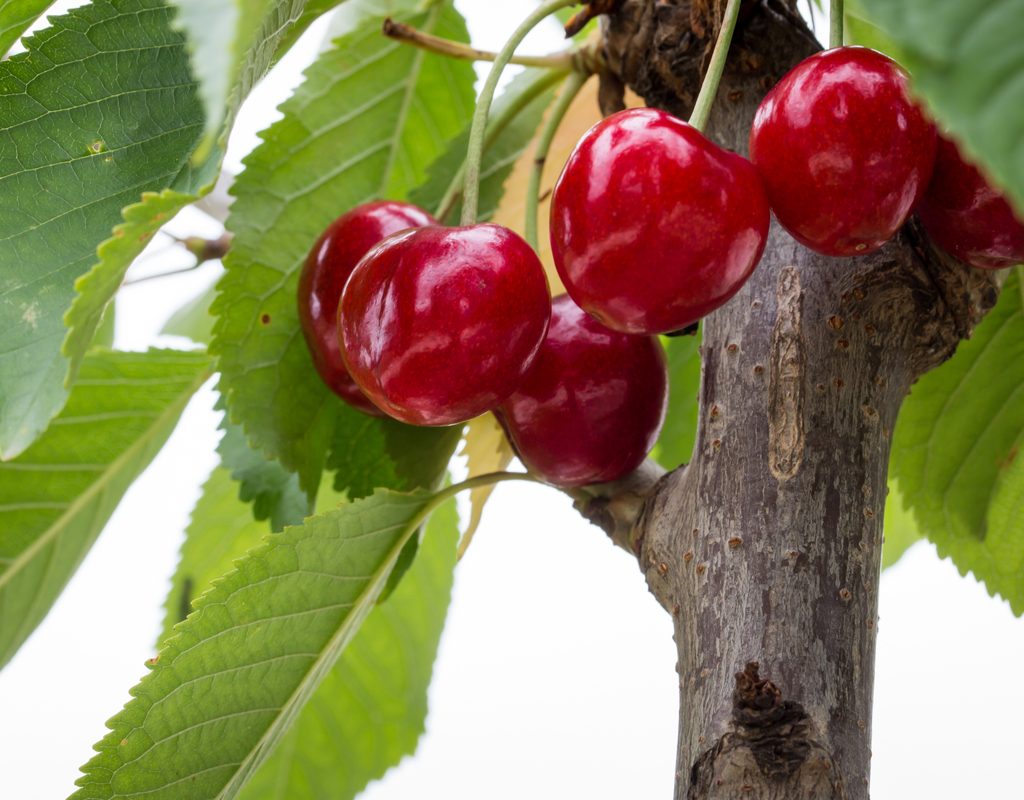
4. Cherry trees
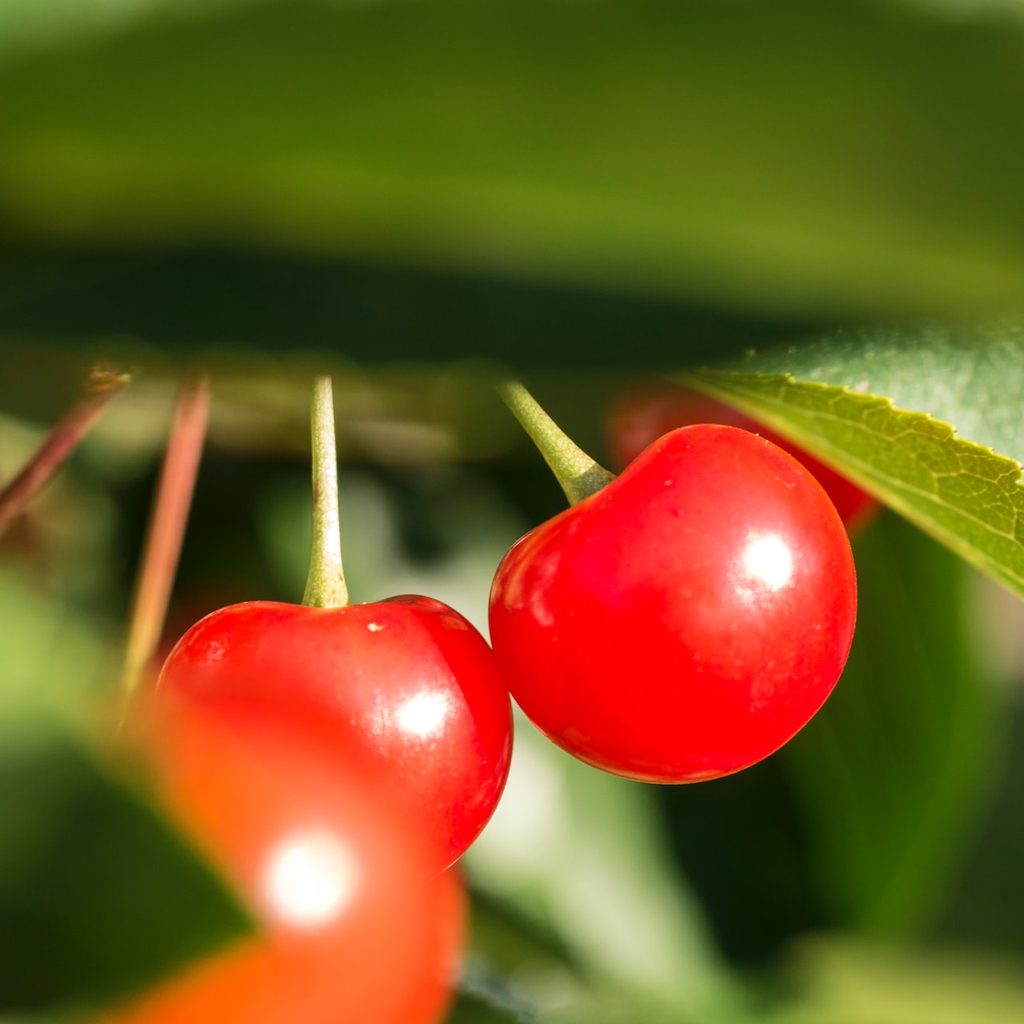
Once again, there are not too many varieties of cherry trees that will not do well in zone 6. Sweet cherry varieties such as Benton, Stella, Sweetheart, and Richmond are fantastic to eat right off the tree. There are the Montgomery, North Star, and Danube varieties for sour cherries, which are ideal for pies and jams. No matter which you decide to grow, all cherry trees are beautiful and act as lovely decorations for any yard or orchard.
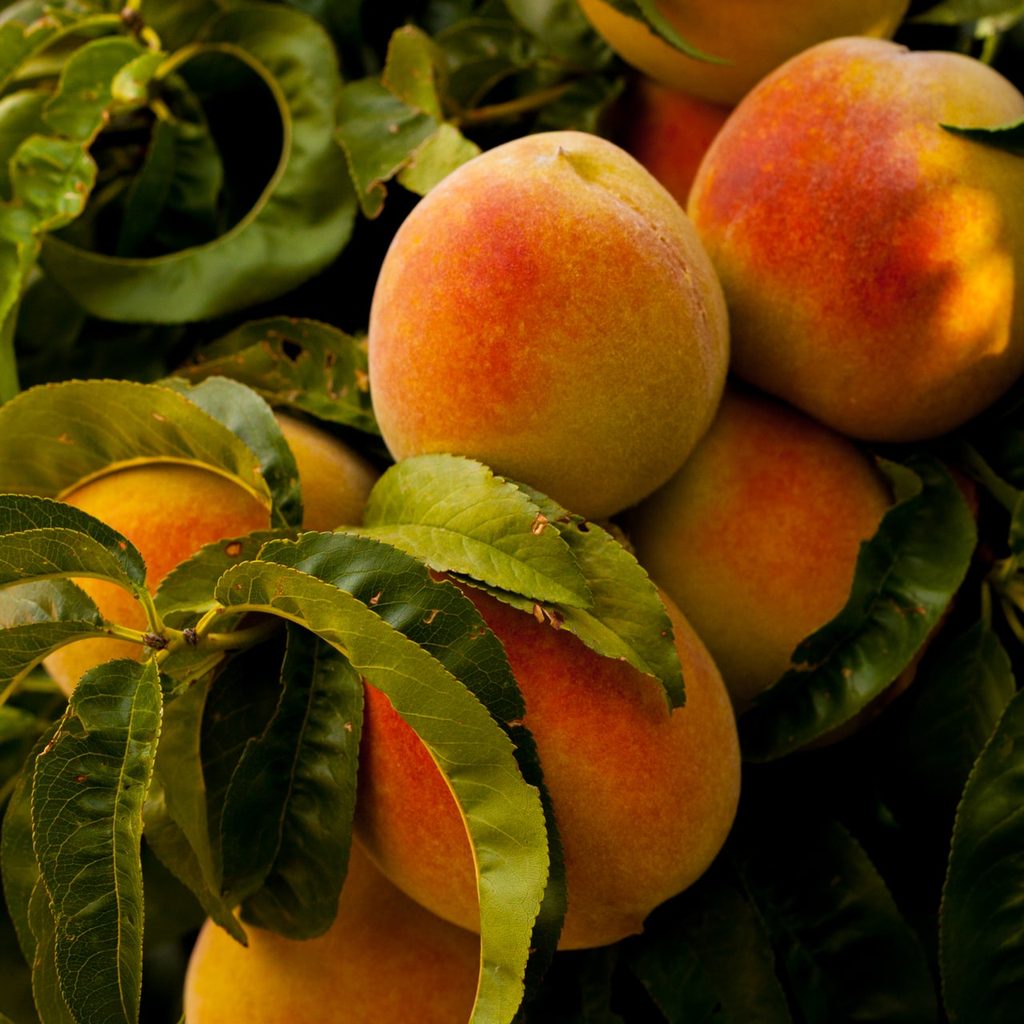
5. Peach trees
Keep in mind that there might be more work or precautions to take when caring for a peach in zone 6, but it can be done with persistence. One of the most popular trees, known as Elberta peaches, can produce up to 150 pounds in a season. Their fruit is bright yellow with orange blush marks. Other delicious options for zone 6 peach growing are Candor, Halehaven, Madison, Redhaven, and Reliance.
6. Apricot trees
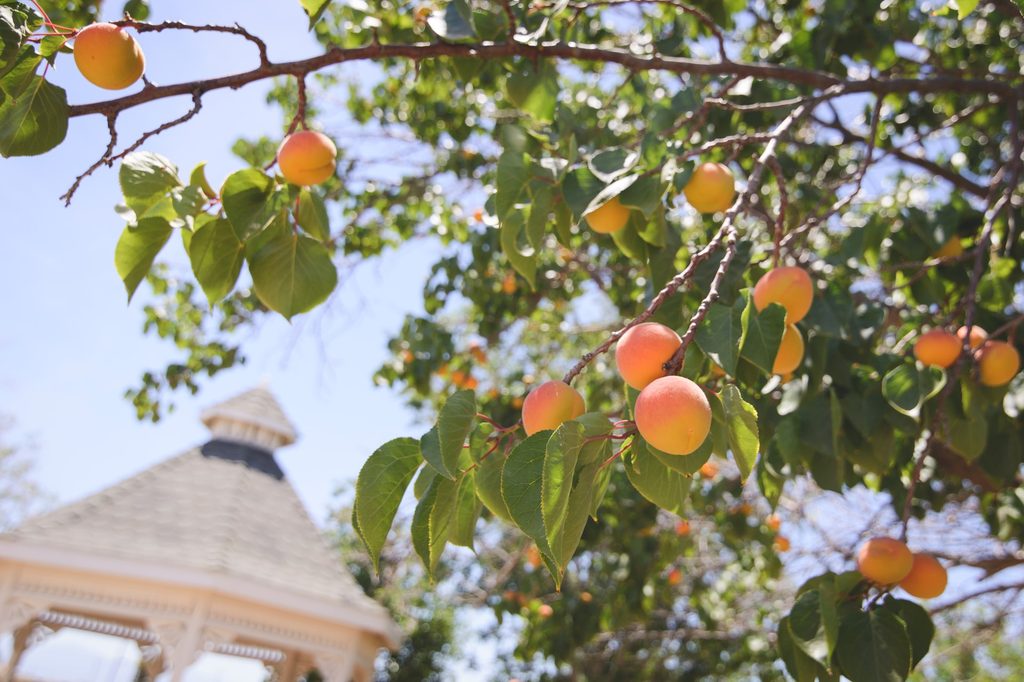
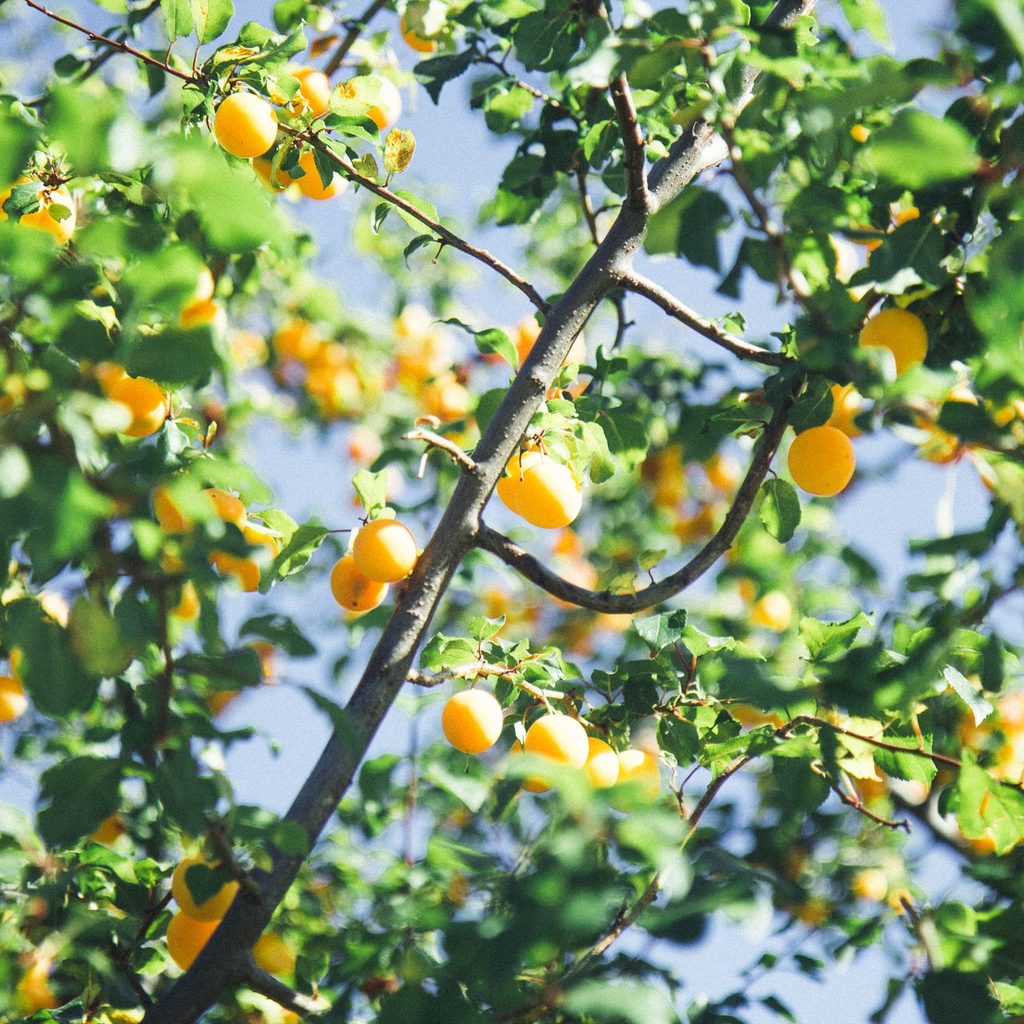
Similar to peaches, apricots are better known for growing well in southern and warmer states. However, there are a few varieties that are cold tolerant and could do well in zone 6. Some of these are Royal Blenheim, Moorpark, Tilton, Harglow, and Goldrich. Apricots are also self-pollinating, meaning you don’t need more than one tree to get fruit. This can save on time, money, and space for those with limited recourses. Like almost all the trees on this list, the blooms of an apricot tree are beautiful and will add a touch of color within any backyard or orchard.
When to plant fruit trees in zone 6
The best time to plant your zone 6 fruit trees is spring, with the second best time being fall. Avoid planting your fruit trees during summer or winter, when the temperatures are at their most severe. The sudden exposure to the heat or cold can stress your fruit trees out, leading to various health problems, such as poor growth, lost or stunted leaves, and even increased pest problems. Instead, plant your zone 6 fruit trees during mild weather and let them acclimate gradually to the weather. This leads to less stress overall and helps your fruit trees thrive.
While it may be impossible to grow lemons, oranges, or other southern fruits, those of us in zone 6 need not despair. There are many types and varieties of fruit trees that can grow and can even thrive in our cooler winters. Try some of these for yourself and enjoy homegrown apples, pears, plums, cherries, peaches, and apricots.