
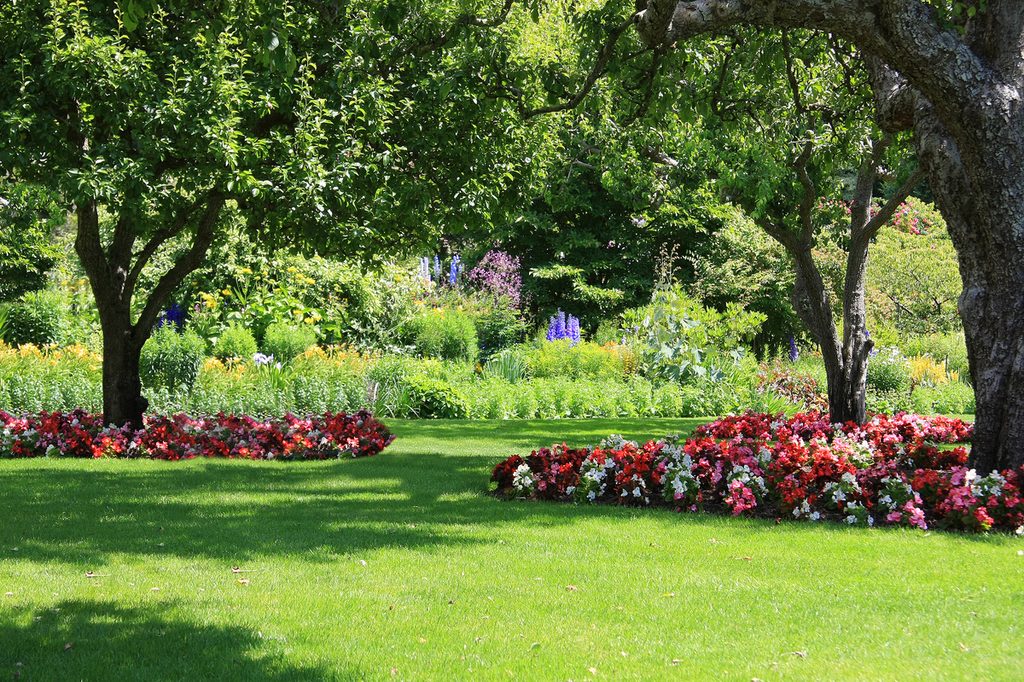
Most plants love sunshine, but it can be challenging to fill up that shady spot in your landscaping when living in zone 6. While these are many houseplants that thrive in low-light, it can be trickier to find shade-loving perennials for your outdoor garden. However, if you know where to look, there are actually plenty of plants to choose from for your shady zone 6 garden.
Whether you need just a few plants to fill in smaller shady spots or enough plants to fill your entire garden, this list has you covered. Here we’ll be talking about some of our favorite and unique Zone 6 shade perennials that will provide your garden with greenery and color year after year.
Bleeding heart plant
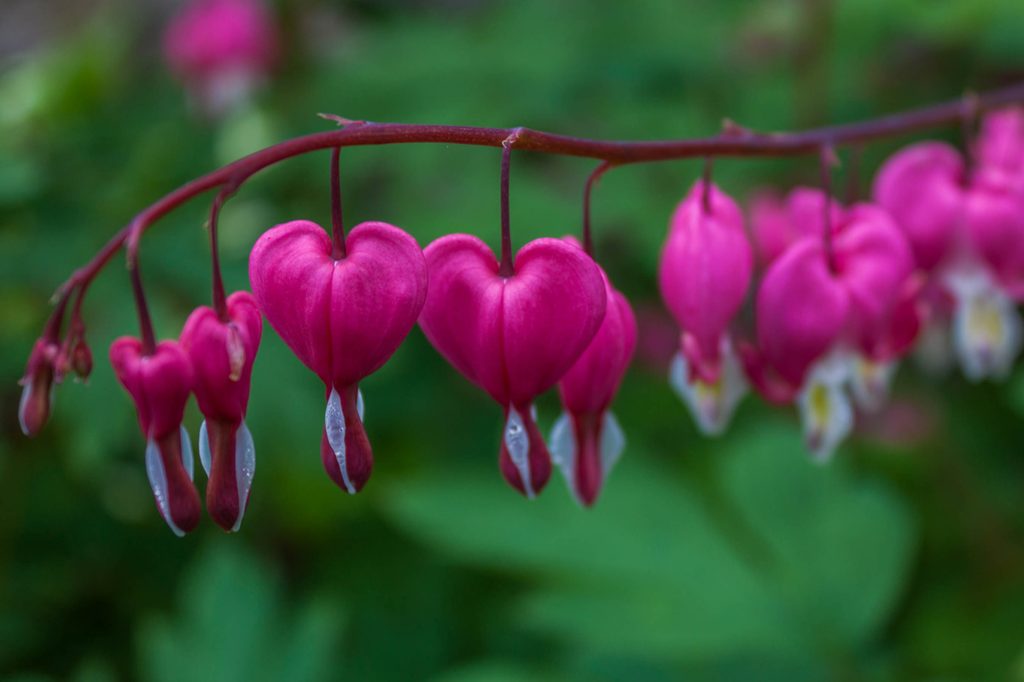
The bleeding heart plant, or Lamprocapnos spectabilis, is native to Asia and blooms in early spring. About 20 flowers hang down in a row and come in either pink, red, or white. The bushy foliage grows when the weather warms up in spring but will die back in the summer heat. They like moist soil, so be sure to water regularly; not only do they survive in shady areas, they actually prefer it.
Mature plants can grow up to 3 feet tall and 3 feet wide. Be cautious about where you plant these. They’re toxic, so if you have a child or pet that likes to taste test things they shouldn’t, you might want to steer clear of this plant.
These flowering perennials are ideal for a cottage garden. They’re low maintenance and require no pruning or deadheading unless you’d like to for aesthetics.
Lungwort
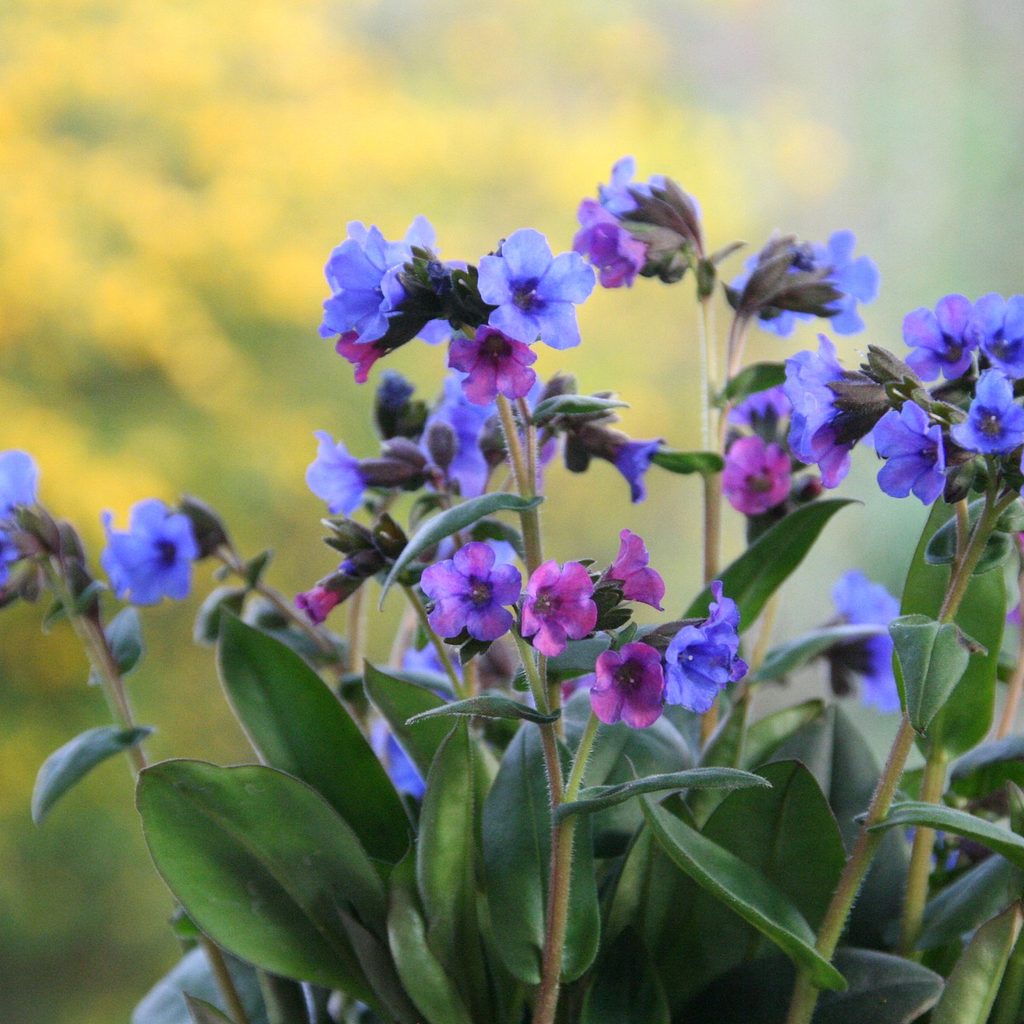
Don’t let the ugly name fool you; these beautiful plants will be a fantastic addition to your shady flower garden. Not only does this plant have an odd name, but it’s also a delicate and lovely flowering plant that will come back year after year. Their tiny flowers bring elegance and a whimsical feel to a garden space that could go perfectly with a cottage garden. They are also a favorite among pollinators such as bees and butterflies!
It blooms in early spring, and the flower can be blue, pink, or white. Usually, there is even more than one color on a single plant! However, these plants are not typically purchased for their flowers but for their spotted leaves. Sometimes called the spotted dog plant, lungworts have little green leaves with random white spots. This makes these plants attractive even when their pretty flowers aren’t in bloom.
They are shade-loving plants that like their soil to be moist. They can reach heights of 12 inches and, in excellent conditions, will spread throughout the garden quickly. You can divide them in early spring or fall to replant them in other locations in your garden, or let them take over on their own. Unfortunately, these plants are toxic to both humans and animals so be sure to plant them out of reach of curious kids and pets.
Corydalis
Although the corydalis isn’t the prettiest plant, it has other attractive features that might encourage you to add it to your landscape. These shade-loving plants have been used in Chinese medicine for ailments such as insomnia, depression, pain relief, fibromyalgia, and menstrual cramps! Plant a mini pharmacy right outside your door with this little plant.
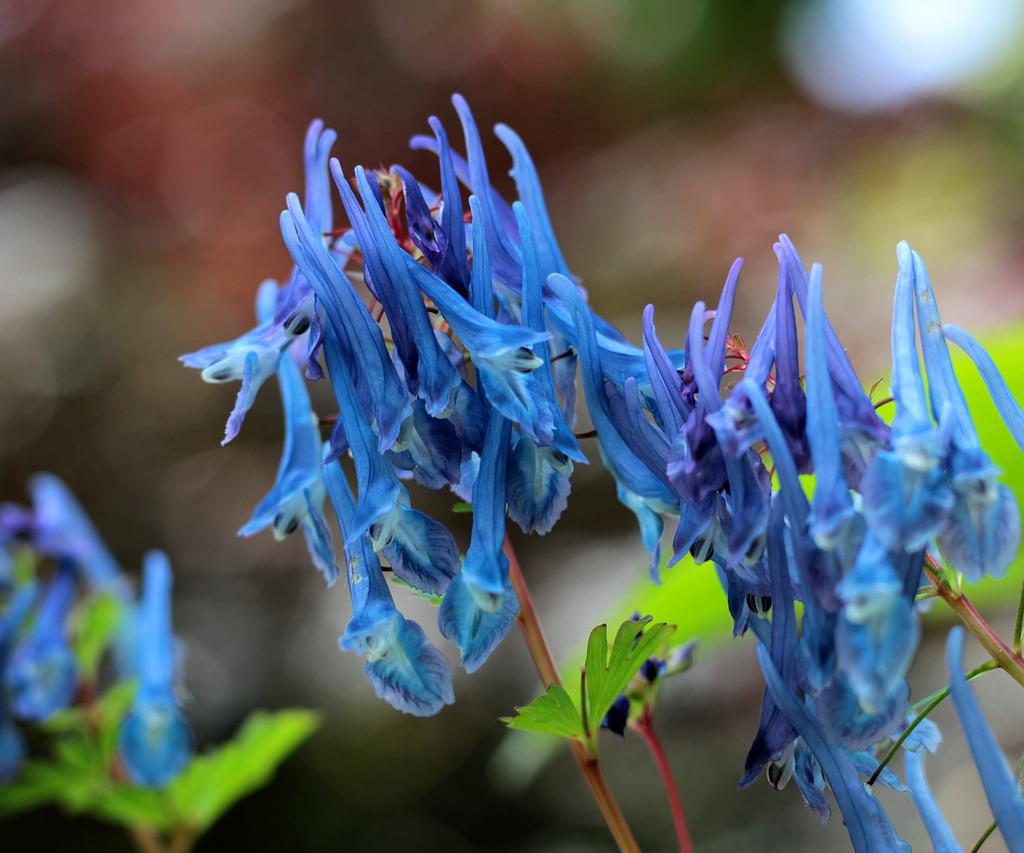
You can plant these mound-shaped plants around the garden’s borders and enjoy its small flowers from spring until the first frost. These flowers are most often yellow or blue. The whole plant, when in bloom, reaches about 15 inches in height, making it a great layering plant among other shorter and taller plants. The corydalis also loves moist soil and partial shade, but it can survive full sun as long as it gets enough water.
This plant will die back when winter rolls around, but don’t worry; they’ll be back when the warm spring arrives.
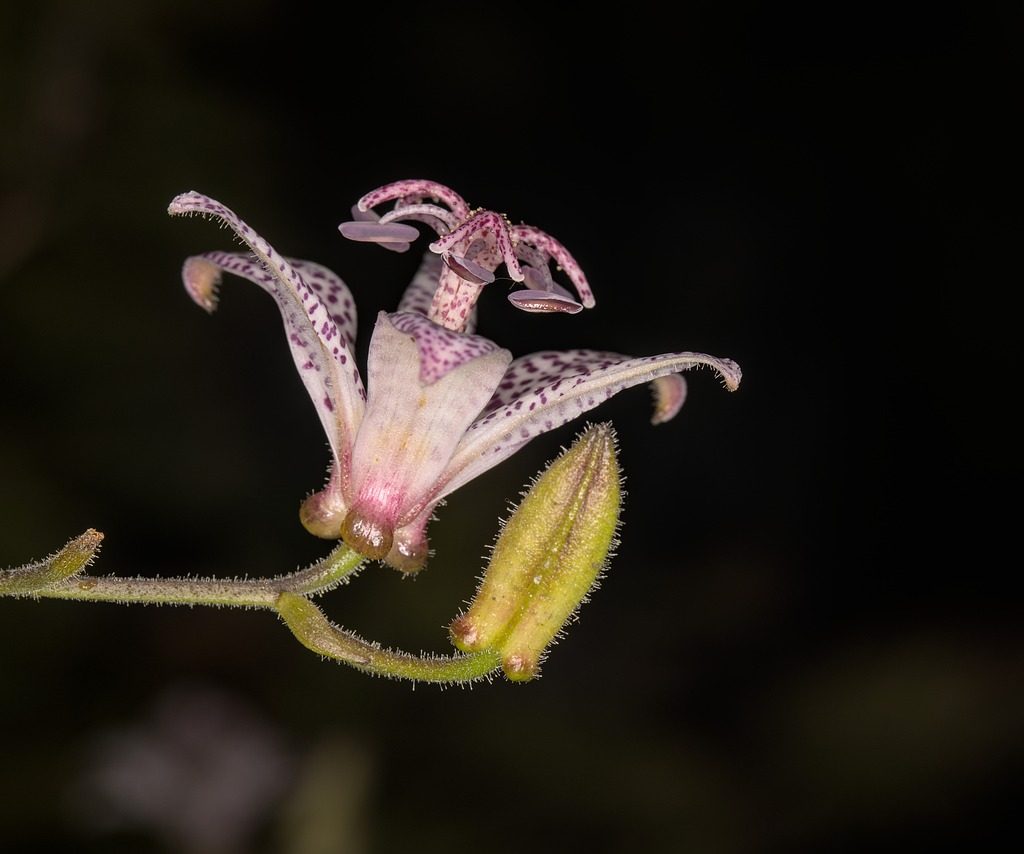
Japanese toad lily
With a cute name like toad lily, you’re likely already interested in this plant for your flower garden. The toad lily, or Tricyrtis, has unique blooms that come in many colors and are sure to bring an eye-catching aspect to your garden. What’s even more impressive about these plants is that it’s not just their blooms that are variegated. The leaves of the toad lily are often variegated as well, so even when they aren’t flowering, they’re still beautiful.
Like all the other plants on this list, the toad lily is a shade-loving plant that prefers its soil to stay a little moist. They’re also great for container gardens and keeping the deer away from other plants! When planting this flowering beauty in the ground, be sure to add organic compost to give it plenty of food.
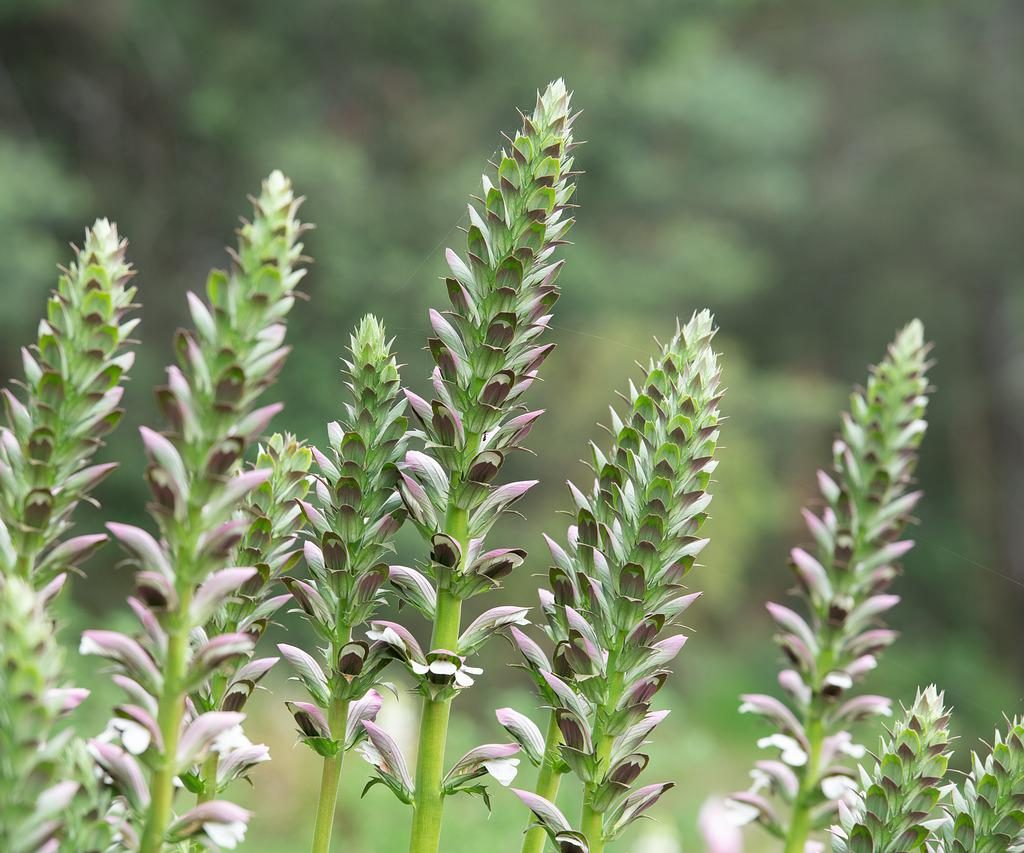
Bear’s Breeches
What an adorable name when compared to its Latin name, acanthus mollis. Although its flowers are cute, this plant is known for its leaves. The blooms appear on a 3-foot tall spire and bloom white or pink flowers similar to snapdragons. Caring for this plant is as easy as putting it in a shady spot with well-draining soil. Be sure to keep it well-watered. It’s as easy as that. It’s perfect for borders in landscaping!
During the winter, this plant survives by relying on its deep roots. If your climate experiences winters that are too harsh, the deep roots could be damaged and kill the plant. You can protect the plant from frigid temperatures by heavily mulching it in the winter. The mulch acts like a warm blanket.
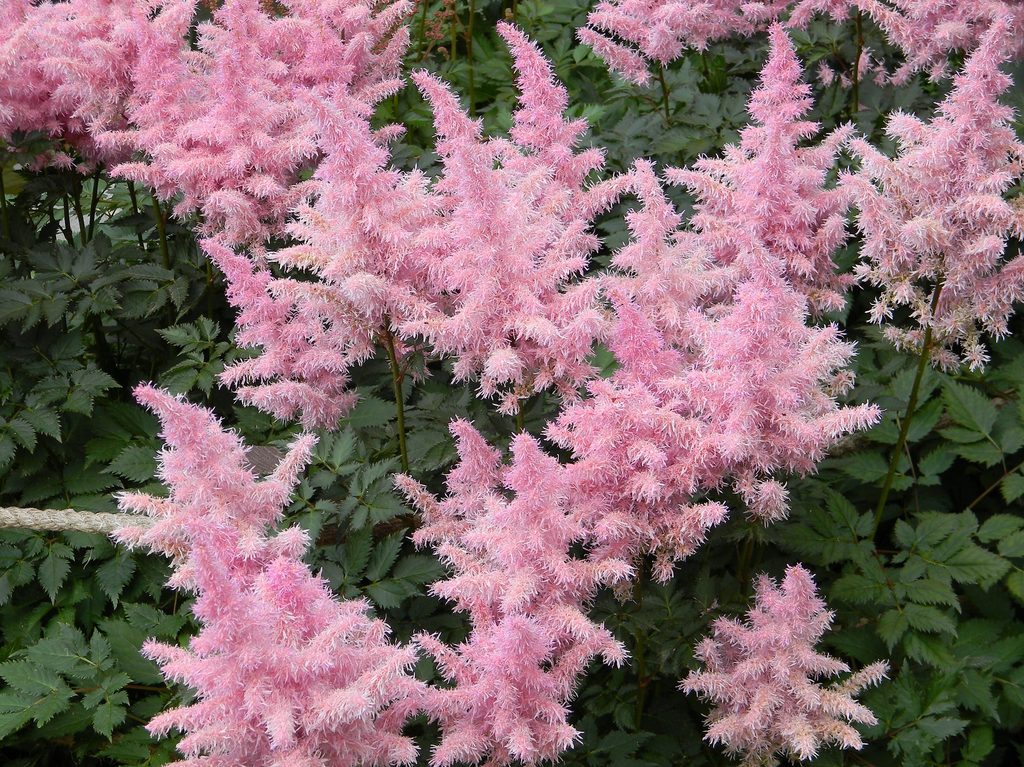
Astilbe
Astilbe, also known as false goat’s beard or false spirea, is a fantastic zone 6 shade perennial to add color and texture to your garden. With tall, fluffy flower spikes that come in many shades of pink, purple, red, and white, astilbe will stand out among smaller flowers and foliage plants.
They thrive well in partial shade, but will grow well in full shade as well. Astilbe grow best with regular, even watering and semi-regular fertilizing. While the flowers are in bloom they’ll draw many butterflies and bees to your garden. After the flowers have faded, you can leave them standing or cut them back. Astilbe can also be grown in container gardeners and make lovely cut flowers.
With cute names and even prettier flowers, these shade-loving perennials will add a pop of color to your flower garden. They’re easy to care for, and some even have medicinal properties! So if you have a shady corner you’ve been wondering what to do with, look no further than these remarkable plants.