
Backyard swimming pools don’t often have lifeguards, which is why it’s important to establish good swimming pool etiquette. Pool splashing, running on the deck, diving into the shallow end. They’re all things you don’t want your kids or guests doing, so you may as well set up your own pool rules for anyone who wants to enjoy using it.
No splashing or roughhousing in the pool
This includes dunking, lifting, and tossing other people, or splashing to the extent that someone else can’t breathe or see properly. Roughhousing can turn from fun to dangerous in the blink of an eye, and the last thing you’d want is anyone to get hurt in your pool.
No running on the deck
The deck will be slippery, without question. Your pool is an enclosed body of water, and any minimal splashing or people getting out will result in puddles on the deck. Because of that, it’s important to have a “no running” rule. People will slip, whack their heads, scrape their legs, and could even fall off an elevated deck. The kids might be sad they can’t run, but it’s for their own safety.
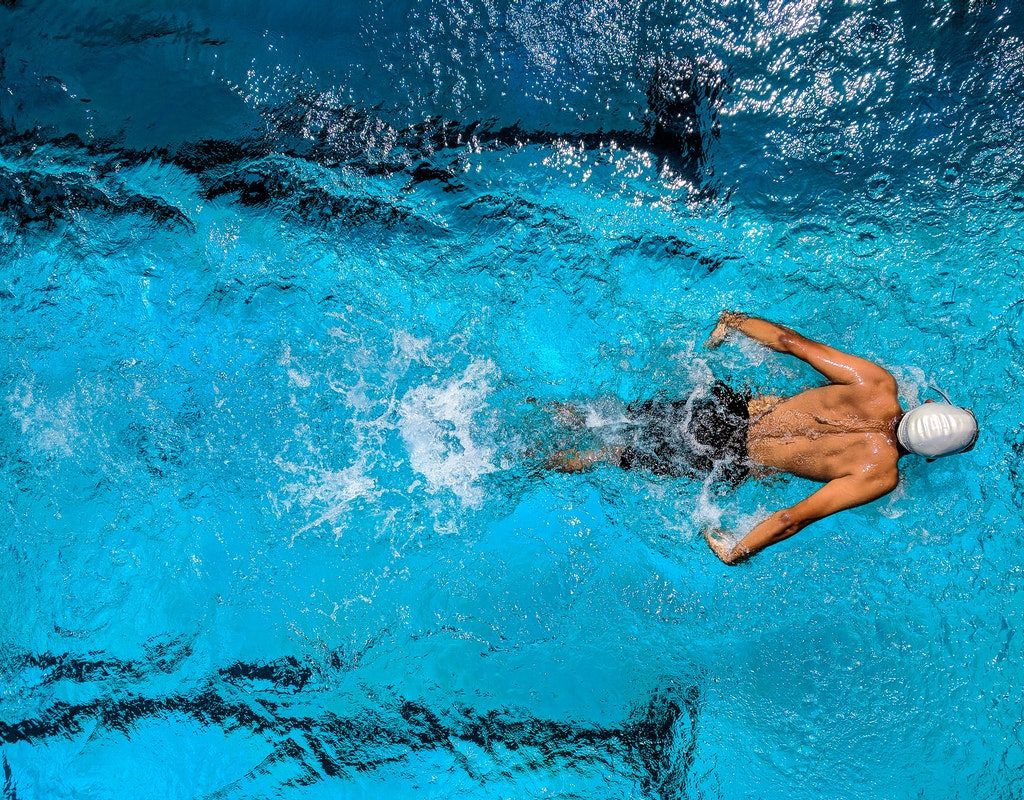
No diving into the shallow end
And more importantly, no diving into the pool at all if there’s no deep end. Cannonballs are one thing, but diving (especially in a shallow pool) could lead to someone hitting their head on the bottom and getting knocked unconscious — or worse. Limiting the types of jumps and dives people can do is very important. Unless your pool is deep enough to have a diving board, no diving should be done.
You aren’t allowed in the pool if you can’t swim
This seems like it may be obvious, but some people might try, anyway, especially if they’re tall enough to just stand in the pool. However, accidents do still happen, and not knowing how to swim while in a pool is always a risk. It’s best not to allow anyone in that can’t swim just to be safe. No one risks drowning, and the mishaps caused by not knowing how to swim will be minimal.
Drink water and stay hydrated
Even though you’ll be in water, it’s important to drink and stay hydrated! Having this as a rule will help people remember to take care of themselves. Swimming is still a form of exercise, but because of being in the water, people won’t realize how much they’re sweating while they’re having fun. That means you can still get dehydrated when you swim, so why not have a rule that encourages everyone to take care of themselves?
Go inside to use the bathroom
Drinking water means having to use the bathroom, and no one likes a person who pees in the pool! Have a rule saying that people must go inside to use the bathroom. We all know it isn’t fun taking off a wet swimsuit, but it keeps the pool environment clean and helps keep everyone happy. If you want, you can add an extra rule that says to dry off thoroughly before you go in so you don’t slip. Hardwood and laminate floors are hazards when you’re wet, too, even if they’re not right at the pool.
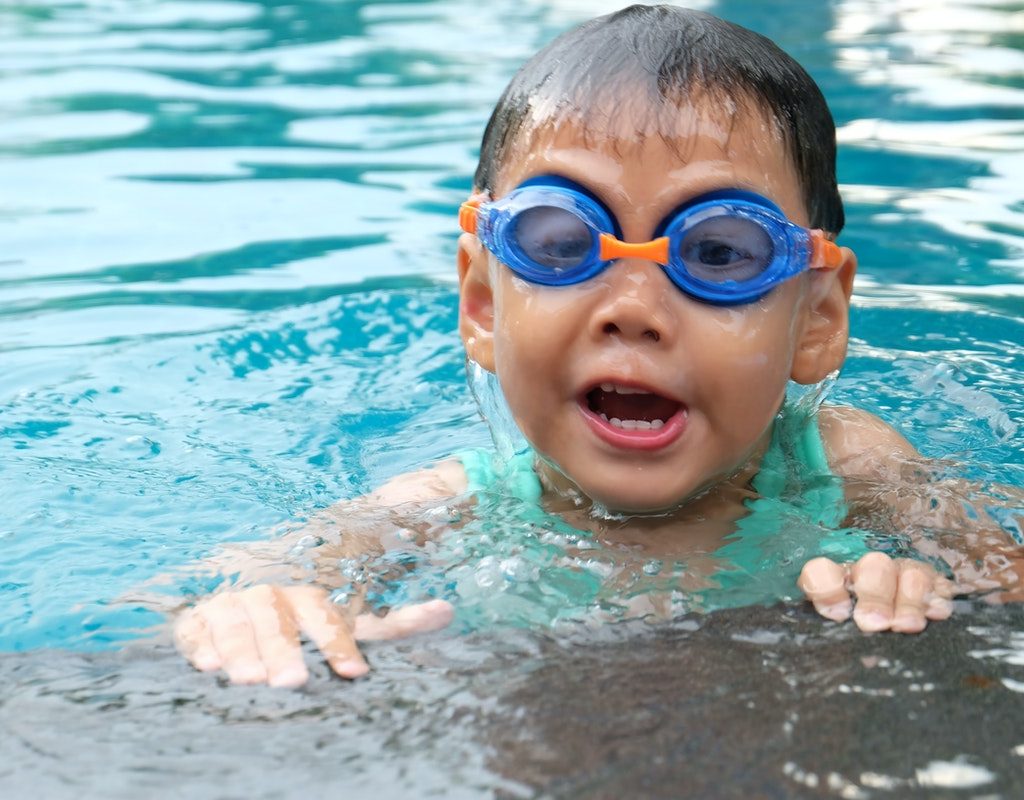
Kids under 13 need to be accompanied
Although kids under 13 may know how to swim, they’re still small. Older kids are often able to stand in the pool better and be aware of their limits when it comes to holding their breath underwater. Because of that, it’s important that younger kids are accompanied by someone who can take care of them and help them if something goes wrong.
Only jump in when no one is in the way
Whether you yell “Look out!” “Incoming!” or any other warning phrase, make sure everyone’s out of the way before you jump in. Having this as a pool rule helps prevent harmful accidents. Jumping in is fun, but no one likes to be landed on by the full weight of another human being. All parties in the pool should be out of the way of danger before someone jumps in.
No pushing or shoving on the deck
Similar to running on the deck, pushing and shoving can cause harmful, unintended accidents. The deck will be wet, so someone could easily slip and fall. Or someone could get pushed and fall unexpectedly into the pool, which could be made worse if the cover is on. To make sure accidents like these don’t happen, it’s best to have a no-shoving rule.
Latch the pool gate when you’re done
And finally, when all is said and done and people are tired of swimming, make sure the last person latches the gate (if you have one). This not only keeps smaller kids from getting in and getting hurt when the pool is closed but also keeps beloved animals at bay. The pool stays nice and enclosed, and nothing goes wrong while you aren’t there.
But how do you make sure your rules are known? The best way to ensure everyone reads and knows the rules is to create your own sign! There are plenty of creative, unique ways to do this yourself, or you can order a custom-made sign from a company.
Want more? Learn how to drain swimming pools with our tips.