  1. Home
  2. Gardening
  3. Evergreens

How to grow better tomatoes: This TikTok tip will help your garden thrive

Grow stunning tomatoes with this simple trick

There are tons of places across the internet you can go to for great gardening tips, and TikTok is quickly rising through the ranks. While not every video is a winner, we’ve found one we think you’ll love! The TikTok video below from GardeningSimplified explains how to grow tomatoes more easily through the use of companion planting. Not sure what companion planting is or how it works? Don’t worry, we’ve got you covered!

Tomato plant tips I’ve learned along the way #gardening #gardening101 #gardeningtips #gardeningtipsforbeginners #gardeninghacks #growingtomatoes

What is companion planting?

Companion planting is simply the technique of planting veggies and other plants near each other. Plants that have similar preferences for things such as water, sun, and soil type typically make good companion plants. Pairings, where one plant provides a benefit to the other, make exceptionally good partners. These benefits could include adding nutrients to the soil, providing shade, or even keeping pests away.
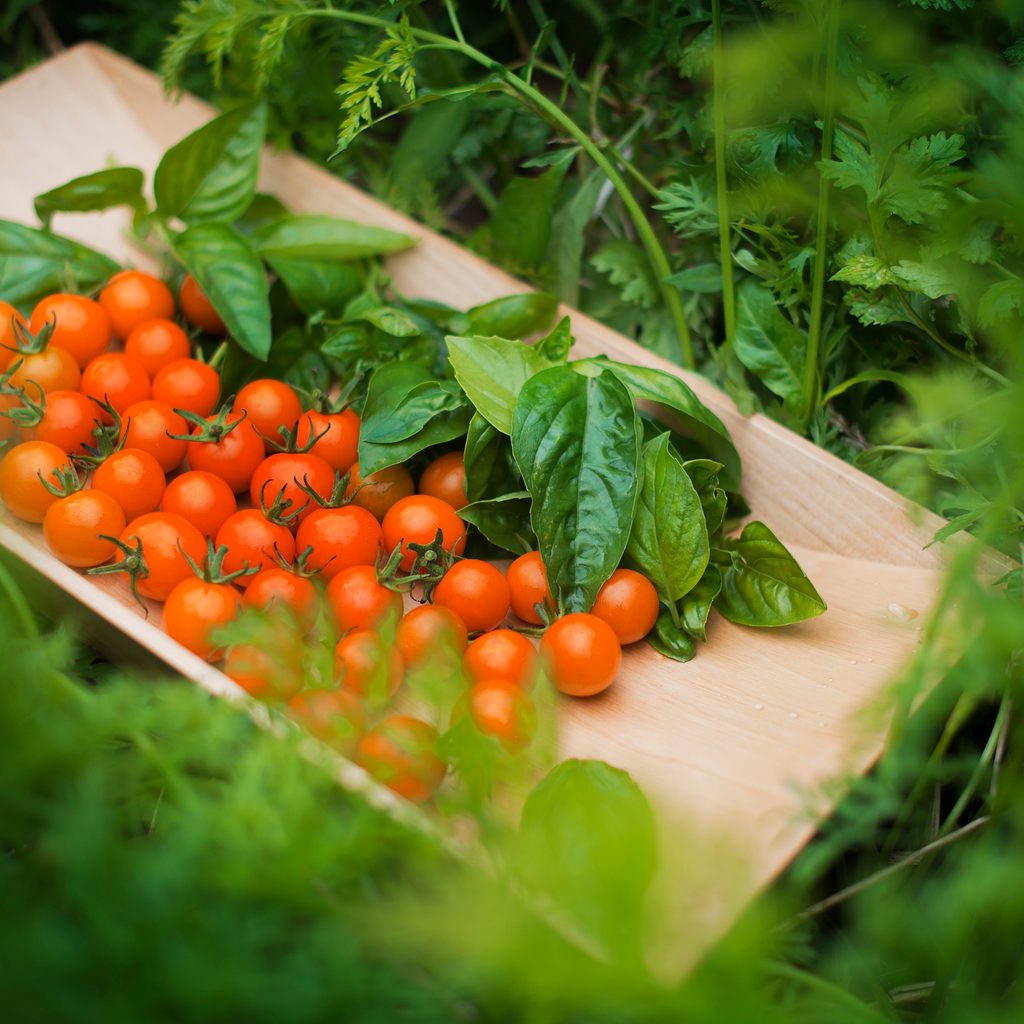
Tomatoes and basil
MintImages / Shutterstock

What do these companion plants offer tomatoes?

The most common companion plant for tomatoes is basil. They taste great together, and strong-smelling herbs like basil are reported to keep pests away. Peppers and squash love the same conditions as tomatoes. Peppers are even in the same family as tomatoes (as are potatoes and eggplants).

Recommended Videos

The lettuce in this grouping serves as a type of living mulch. Lettuce shields the ground, slowing evaporation and helping keep the tomato plant’s roots warm and safe. In return, the tomatoes, peppers, squash, and basil shade the lettuce. As a cold-weather vegetable, lettuce can bolt quickly in warm weather. By growing it in the shade of the other plants, you can keep it from bolting and extend your growing season.

Cupped hands holding ripe and unripe cherry tomatoes
Angèle Kamp / Unsplash

Are there other companion plants for tomatoes?

If you’re not a fan of squash or peppers, you might wonder if you can swap them out for other plants. The good news is you can! Tomatoes grow well with many plants. Here are just a few.

If basil doesn’t appeal to you, try planting borage, marigold, thyme, parsley, or chives. These grow nicely with your tomatoes, repel pests, and they’re delicious (yes, even the marigolds). You can also swap out squash for other cucurbits like cucumbers, zucchini, or small pumpkins. However, you should avoid some of the larger cucurbits like watermelons, as they can crowd your tomato plants.

Many root vegetables make great companion plants for tomatoes as well. You can plant carrots, radishes, and beets around the base of your tomatoes. Their leaves will give the soil many of the same benefits lettuce will, and their nutritional needs complement each other.

One plant family you should avoid planting with tomatoes is brassica. This includes cabbage, kale, and broccoli. They compete for the same nutrients, which leads to stunted growth and sick or weak plants.

Now that you know a little more about tomato companion planting, you’re ready to get out into your garden! Planning your garden with effective companion planting is easy, and the results speak for themselves. You’ll be thrilled when you see your thriving plants and abundant harvest.
Keep Bermuda grass at bay with these lawn care strategies
Tips on keeping unwanted Bermuda grass under control
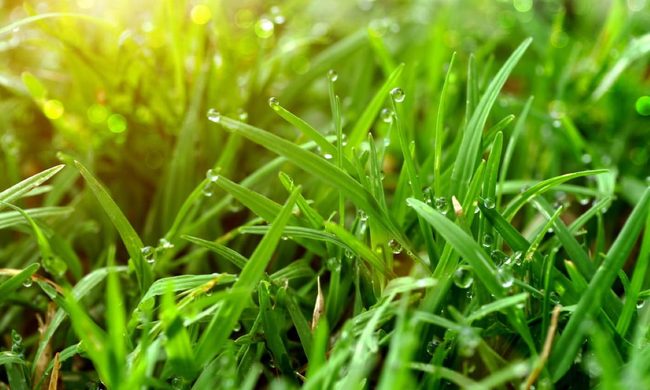
Manicured Bermuda lawn

Bermuda grass, also known as Cynodon dactylon, is a common type of lawn grass. Its toughness, adaptability, and creeping growth habit attract either appreciation or disdain from the homeowners, gardeners, landscapers, and others who plant it or are invaded by it. While it's hardy nature makes it a resilient lawn grass, its habit of spreading can make it a serious nuisance. Even worse, once it's spread into an area it's incredibly difficult to get rid of. If Bermuda grass is spreading into your lawn from the surrounding area or you've just moved into a new home with a Bermuda grass lawn you'd like to replace, then here are our tips for controlling it.

Read more
Sustainable gardening: Tips for a greener, eco-friendly garden
Make your garden more sustainable with these tips
Cupped hands holding soil and little seedling

Gardening can be a rewarding, fun, and useful hobby, but it can also be challenging at times. If you’re struggling to keep your garden healthy and happy, then it might be time to consider switching to a more sustainable gardening method. Sustainable gardening can make your garden easier to care for, and it’s better for the environment. If you’re wondering about what exactly sustainable gardening is and how it works, then this is the guide for you! We’ll explain what it is and help you get started with some tips and tricks.
What is sustainable gardening?

Sustainable gardening doesn’t have a single concise definition, and it can take many different forms. Unfortunately, that sometimes leaves gardeners (especially beginners) a bit confused. To break it down, sustainable gardening methods focus on the environment, including being mindful of what chemicals or invasive species are being introduced to the ecosystem and trying to mimic the natural conditions of the environment in your garden.

Read more
How to get rid of gnats without harming your plants
Follow these tips and get rid of gnats now
Potted herbs on a windowsill

In most cases, gnats are little more than a nuisance. For gardeners, though, a gnat infestation can spell devastation. While adult gnats don’t damage plants, the larvae will eat roots and leaves. In large numbers, they can cause serious damage. There are many pesticides on the market, but some plants are sensitive to the chemicals in them. Luckily, there are other options for controlling a gnat infestation, so you can save your plants without scorching their leaves. This guide on how to get rid of gnats in plants will explain everything you need to know.

Read more