
  1. Home
  2. Gardening
  3. Evergreens

Angelonia is excellent for containers, borders, and more – how to grow this beautiful and sweet-smelling flower

An angelonia care guide for growing these flowers in your garden

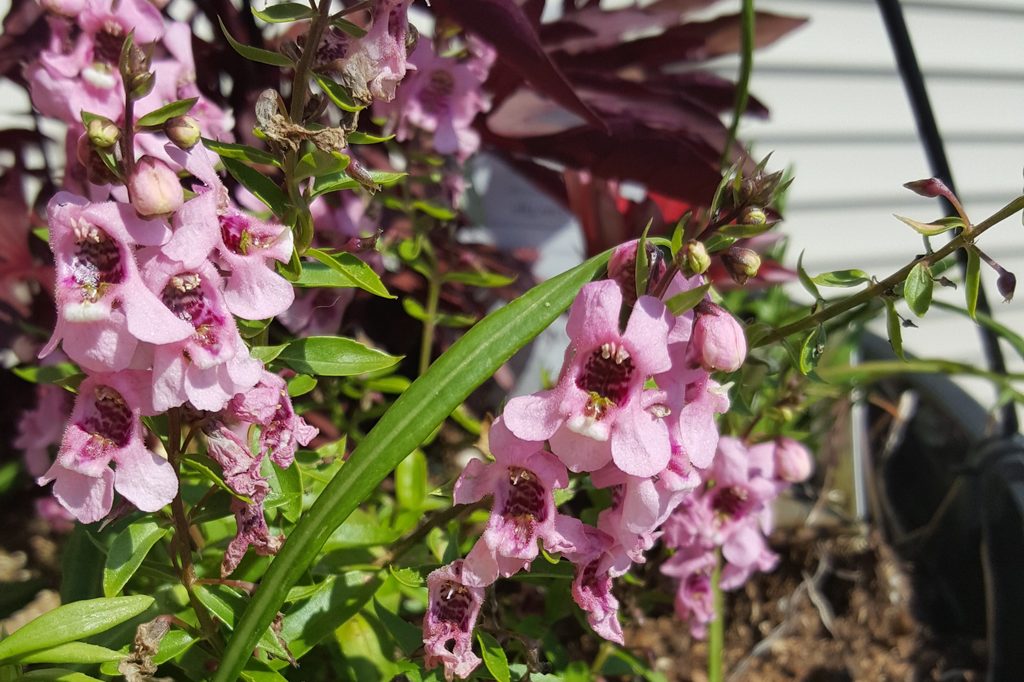
Pink angelonia flowers
Image used with permission by copyright holder

Angelonia is a beautiful flower with a sweet scent that some say is reminiscent of apples. It grows short flower spikes that bloom in shades of purple, blue, pink, and white. Angelonia’s smaller size and lovely colors make it exceptionally popular for use in container gardens and garden borders. To help you get started growing angelonia for yourself, here is a simple care guide.

Planting angelonia

When growing it outdoors, begin planting your angelonia in mid-spring. Although mature angelonia plants can tolerate some cold weather, colder temperatures slow down the germination of their seeds.

Recommended Videos

You can start angelonia indoors at any time, as long as you keep the seeds and seedlings warm. You can transplant the seedlings in your garden once the weather warms up. If you live north of zone 9, you’ll either need to grow your angelonia in a container or grow it as an annual. Whether indoors or out, make sure your angelonia is growing in full sun and rich, well-draining soil.

Purple angelonia flowers
Image used with permission by copyright holder

Caring for angelonia

Keep the soil moist but not soggy for the first few weeks after planting. Once it is fully established, angelonia is somewhat drought tolerant. However, it does appreciate consistent watering. Applying a layer of mulch around the base of your angelonia can help with water retention. Mulch is also useful for suppressing weeds.

Feed your angelonia lightly during the growing season with a balanced fertilizer or compost. During the fall, adding leaf mulch or leaf mold to the soil can provide both fertilizer and mulch for your angelonia. When the flowers wilt and die, you can remove them to keep your garden looking neat, but it isn’t strictly necessary. The flowers typically fall off on their own once they’re fully dead.
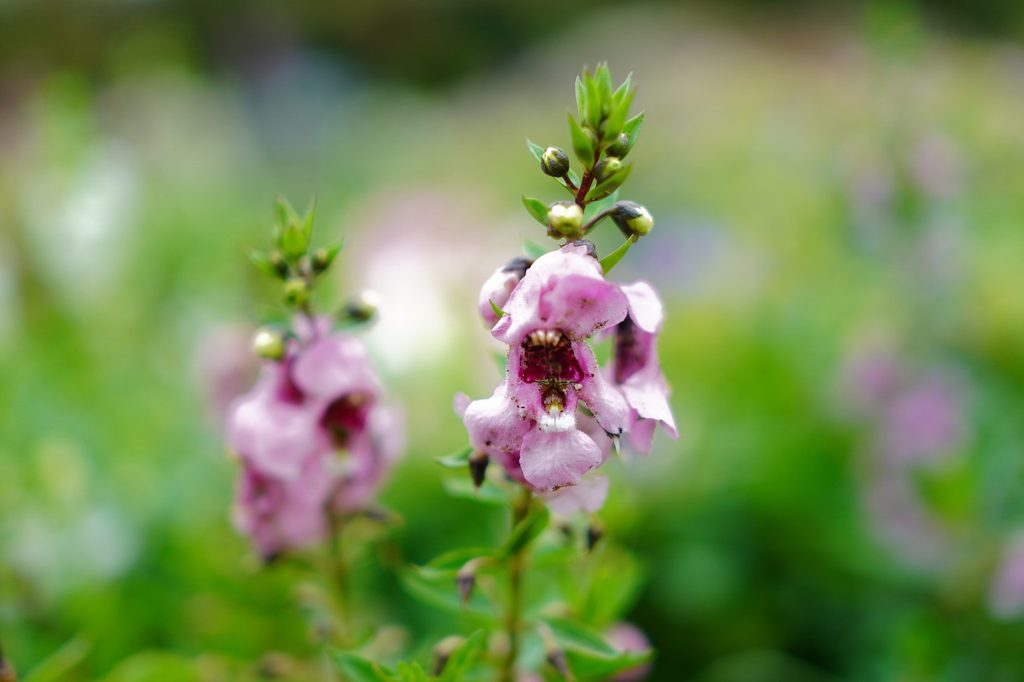
Pink angelonia flower
Image used with permission by copyright holder

Common problems and solutions

Angelonia is resistant to most pests and diseases, but it can develop powdery mildew and aphid infestations. Powdery mildew is a fungal infection caused by wet leaves and poor air circulation, and it looks like thin white fuzz or powder on the leaves of the plant. You can prevent this by spacing your plants properly to allow air to flow between them and avoiding watering them from overhead. To treat powdery mildew, apply potassium bicarbonate or a fungicide.

Aphids are small sap-sucking insects are a nuisance in small numbers, but they can cause more serious problems in larger infestations. They can spread certain plant diseases that lead to stunted or discolored growth, and they leave behind honeydew that’s a perfect fuel for fungi. You can treat aphid infestations using insecticidal soaps. Aphids are also a major food source for ladybugs, so attracting ladybugs to your yard can keep the aphid population in check.

Angelonia is a gorgeous and easy-to-grow flower that can brighten up any garden. Its hardy nature and resistance to most pests mean you can grow it without worry. Whether you plan to grow yours indoors or out, you’ll be delighted by the fragrant and colorful blossoms of angelonia.

Topics
Keep Bermuda grass at bay with these lawn care strategies
Tips on keeping unwanted Bermuda grass under control
Manicured Bermuda lawn

Bermuda grass, also known as Cynodon dactylon, is a common type of lawn grass. Its toughness, adaptability, and creeping growth habit attract either appreciation or disdain from the homeowners, gardeners, landscapers, and others who plant it or are invaded by it. While it's hardy nature makes it a resilient lawn grass, its habit of spreading can make it a serious nuisance. Even worse, once it's spread into an area it's incredibly difficult to get rid of. If Bermuda grass is spreading into your lawn from the surrounding area or you've just moved into a new home with a Bermuda grass lawn you'd like to replace, then here are our tips for controlling it.

Read more
Sustainable gardening: Tips for a greener, eco-friendly garden
Make your garden more sustainable with these tips
Cupped hands holding soil and little seedling

Gardening can be a rewarding, fun, and useful hobby, but it can also be challenging at times. If you’re struggling to keep your garden healthy and happy, then it might be time to consider switching to a more sustainable gardening method. Sustainable gardening can make your garden easier to care for, and it’s better for the environment. If you’re wondering about what exactly sustainable gardening is and how it works, then this is the guide for you! We’ll explain what it is and help you get started with some tips and tricks.
What is sustainable gardening?

Sustainable gardening doesn’t have a single concise definition, and it can take many different forms. Unfortunately, that sometimes leaves gardeners (especially beginners) a bit confused. To break it down, sustainable gardening methods focus on the environment, including being mindful of what chemicals or invasive species are being introduced to the ecosystem and trying to mimic the natural conditions of the environment in your garden.

Read more
How to get rid of gnats without harming your plants
Follow these tips and get rid of gnats now
Potted herbs on a windowsill

In most cases, gnats are little more than a nuisance. For gardeners, though, a gnat infestation can spell devastation. While adult gnats don’t damage plants, the larvae will eat roots and leaves. In large numbers, they can cause serious damage. There are many pesticides on the market, but some plants are sensitive to the chemicals in them. Luckily, there are other options for controlling a gnat infestation, so you can save your plants without scorching their leaves. This guide on how to get rid of gnats in plants will explain everything you need to know.

Read more