
Near the end of April each year, nature lovers all over the United States — and in more than 30 other countries — mark Arbor Day by planting trees. National Arbor Day is dedicated to planting trees of all kinds and promoting the many benefits they offer. It is America’s original conservation holiday, predating Earth Day by nearly a century. Arbor Day 2021 will be celebrated Friday, April 30.
In 1872, the same year that Yellowstone became the world’s first National Park, Arbor Day started as a statewide initiative in Nebraska. Organized by newspaper editor and politician Julius Sterling Morton, it was a way for emigrant pioneers of the region to increase the local tree population and gain the benefits of shade, soil conservation, fruit, lumber, and fuel that trees offer. Approximately 1 million trees were planted that day.
Although National Arbor Day is always set for the end of April, most states observe Arbor Day on other dates throughout the year based on the best time to plant trees in the area. Southern states celebrate in cool winter months, while some of the northern states celebrate as late as May. The National Arbor Day Foundation is an excellent resource for state-by-state dates, resources, events, trees, and information. If you’re looking for fun ways that your family can join in, we’ve got you covered.
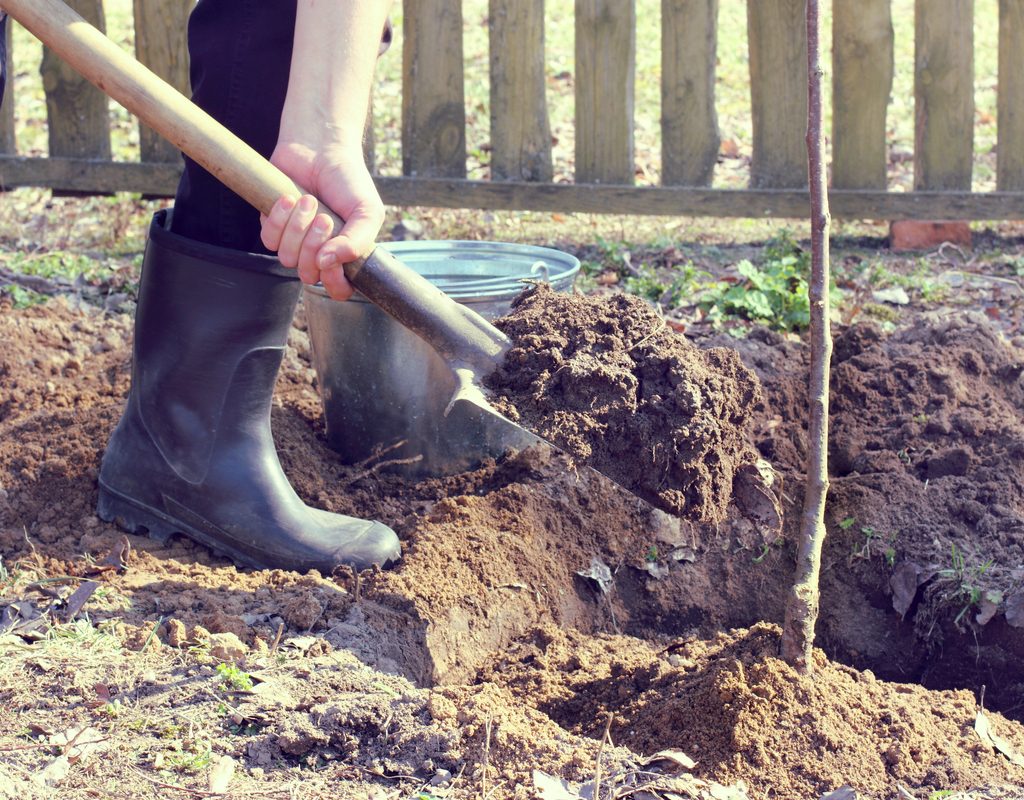
Plant a tree
Whether you plant your tree for shade, flowers, fruit, or wildlife habitat, be sure to choose the right tree for the location. Learn how to properly plant and care for it. But don’t just plant the tree. Consider the ways that the tree could mean even more for your family. Create a dedication plaque to commemorate a special person or life event — like the birth of a child, start of a business, purchase of a home, or as a memorial for a lost loved one.
Be an influencer for trees
Use the digital world as a force for good by sharing your tree planting and other Arbor Day activities on social media. Tag people and brands who are in your post to be seen by them and their followers. (Don’t spam people who aren’t actually in the post). Use the hashtags #ArborDay, #trees, #planttrees, and #forests to expand your reach and be seen by others who use and follow those hashtags.
Read a book about trees
Learning is a vital part of conservation, and there is always more to find out. If you are new to the trees in your area, find a book about tree identification. Not sure how photosynthesis or annual growth rings work? There are books that can help. Peter Wohlleben’s “The Hidden Life of Trees” offers a fascinating introduction to the ways that trees interact with one another and the larger environment. Kids will love classic titles like “The Giving Tree,” by Shel Silverstein, or “The Lorax,” by Dr. Seuss.
Write a tree story or create tree art
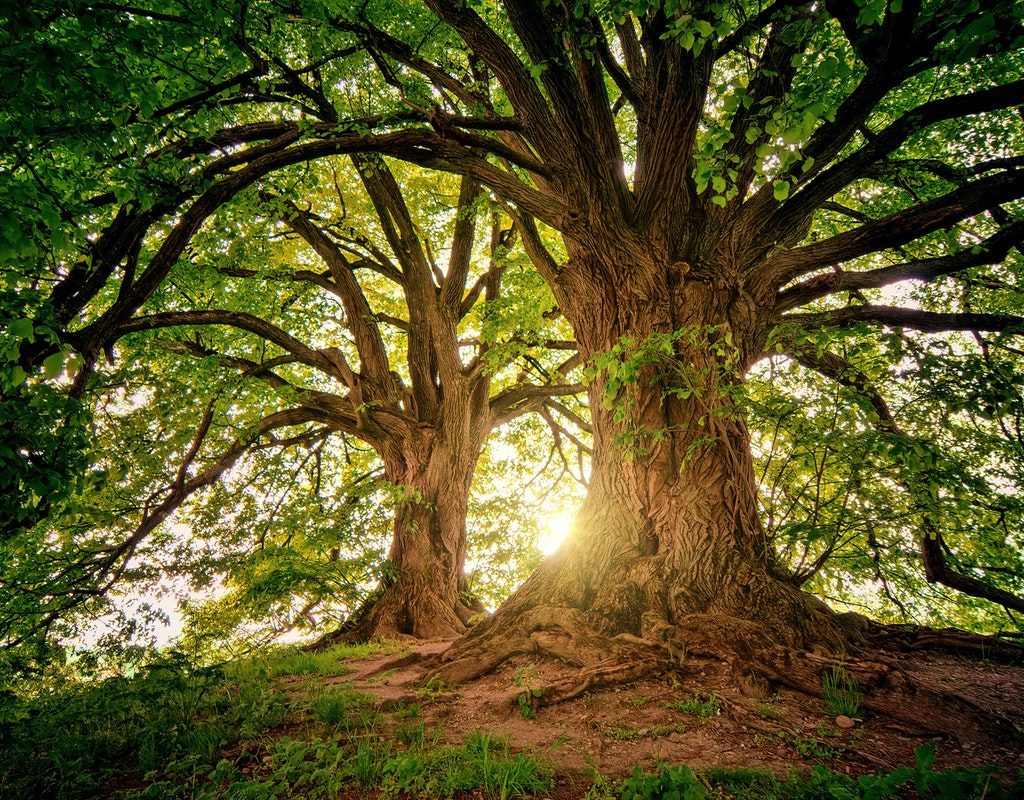
Trees have always played important roles in storytelling and art. Their sheer size and extended life span serve as symbols of life and growth, longevity, prosperity, power, and wisdom. The extensive but hidden root system calls to mind mystery and solidity. The diversity of forms, from the mournful weeping willow to the rugged cliffside juniper, evoke the full range of emotions. Let your imagination run wild.
Volunteer with a tree-planting organization
Planting trees is a great way to build relationships. Local community groups in your area may already be planning an Arbor Day event that your family can join. They may have a special interest in preserving threatened species, providing wildlife habitat, feeding the hungry, or beautifying the neighborhood. It’s an excellent way to get involved, do good, learn, and get to know your neighbors.
Create an Arbor Day event
If you want to make a bigger impact, why not make it an event? Connect with your neighbors, schools, local business owners, or community groups to plan an event that brings the community together. There are lots of ways to do it and no limit to the possibilities. Honor a local conservation hero by planting a tree in their honor. Clean up a park. Host a tree identification walk around the neighborhood. Host a poster contest in the days leading up to the event. Celebrate the day with a party or concert.
As the world continues to develop solutions for numerous environmental concerns, trees are as important as ever. More and more, our contemporary lifestyles move most of us farther from nature and the potential solutions to some of our greatest challenges. Arbor Day is a wonderful opportunity to reconnect with the natural world, do something tangibly good, and reflect on the incredible value of trees.