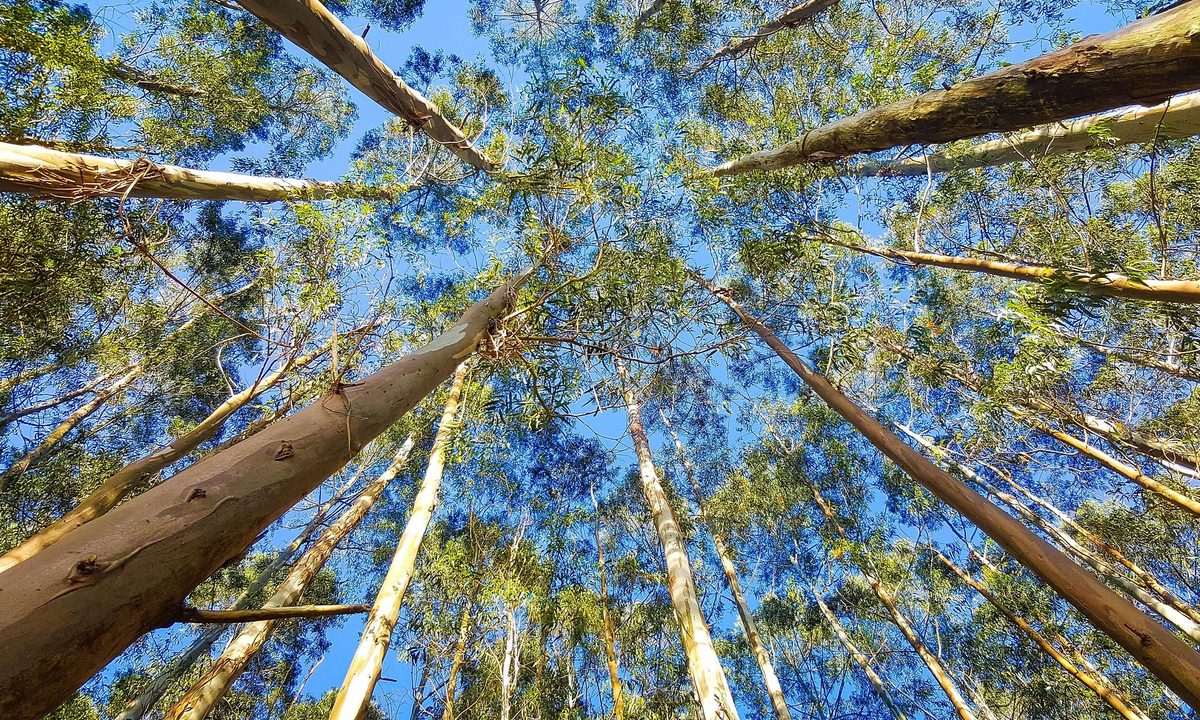
Trees are a major part of our ecosystem. They provide shelter and food for wildlife, absorb carbon dioxide and produce oxygen, and provide shade to help keep us cool. However, not all trees have the same benefits, and some do more harm than good. If you have a eucalyptus tree in your yard, or are planning on getting one, then you should be aware of the dangers these beautiful trees can pose. If you’re wondering what the big deal is, this guide to eucalyptus trees will explain everything.
Why shouldn’t you plant eucalyptus trees?
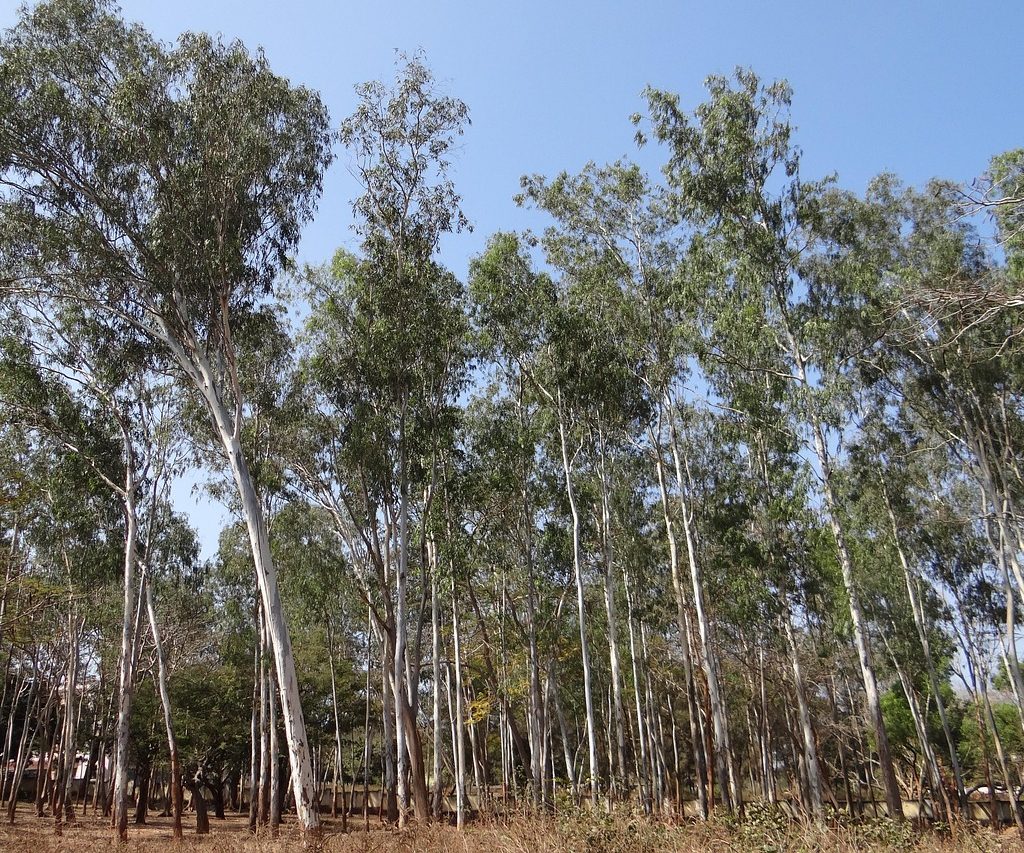
There are many reasons why planting eucalyptus trees is a bad idea. First, eucalyptus trees aren’t native to the U.S., and they carry more danger than some of the more common invasive species. Typically, the concern with invasive species is that they might spread rapidly and out compete native species, changing the natural ecosystem in a way that’s difficult to reverse. Eucalyptus trees can spread, and they do grow quite quickly, but there are larger problems when growing them.
Eucalyptus trees are extremely flammable. The oil contained in the bark and leaves burns hot and fast. If the fire is hot enough and moving quickly enough, eucalyptus trees can even explode due to the amount of oil that is vaporized all at once. Even if they don’t explode, a eucalyptus tree can turn a small fire into a large one or keep a large fire burning for longer.
Additionally, eucalyptus trees are prone to wind damage, especially if the trees are young, diseased, or poorly maintained. High winds can take branches, bark strips, or even entire trees, causing damage to surrounding structures. While eucalyptus trees grow in several places in the U.S., they are most commonly found in Southern California, which is prone to both high winds and fires. For more information, check out this report from the National Park Service.
Where are eucalyptus trees native to?
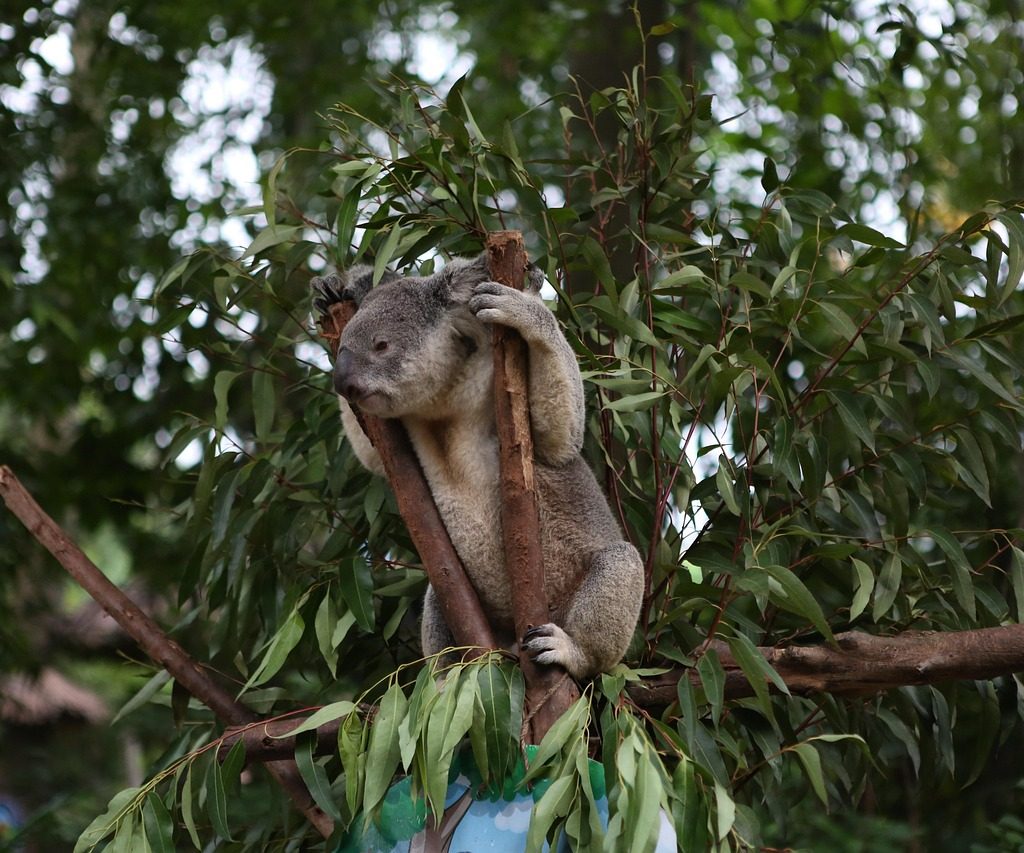
You may wonder why eucalyptus trees have these problems in the U.S. but not in their native environment. The truth is they do, but their native ecosystem is better suited to it. Eucalyptus trees are native to Australia, where they are a food source for several animals. Koalas are the most well-known wildlife that eat on the trees, but they aren’t the only ones. These animals strip bark and leaves from the trees, so each tree has less oil to fuel fires with.
Additionally, there are many places in Australia where vegetation is more spread out. In these areas, fires have less fuel so they tend to stay smaller or pass more quickly. While eucalyptus trees in population centers can cause more problems than the ones in the wild, they cause fewer problems in their native environment and city management teams are more likely to be prepared to handle them.
What to do if you have a eucalyptus tree
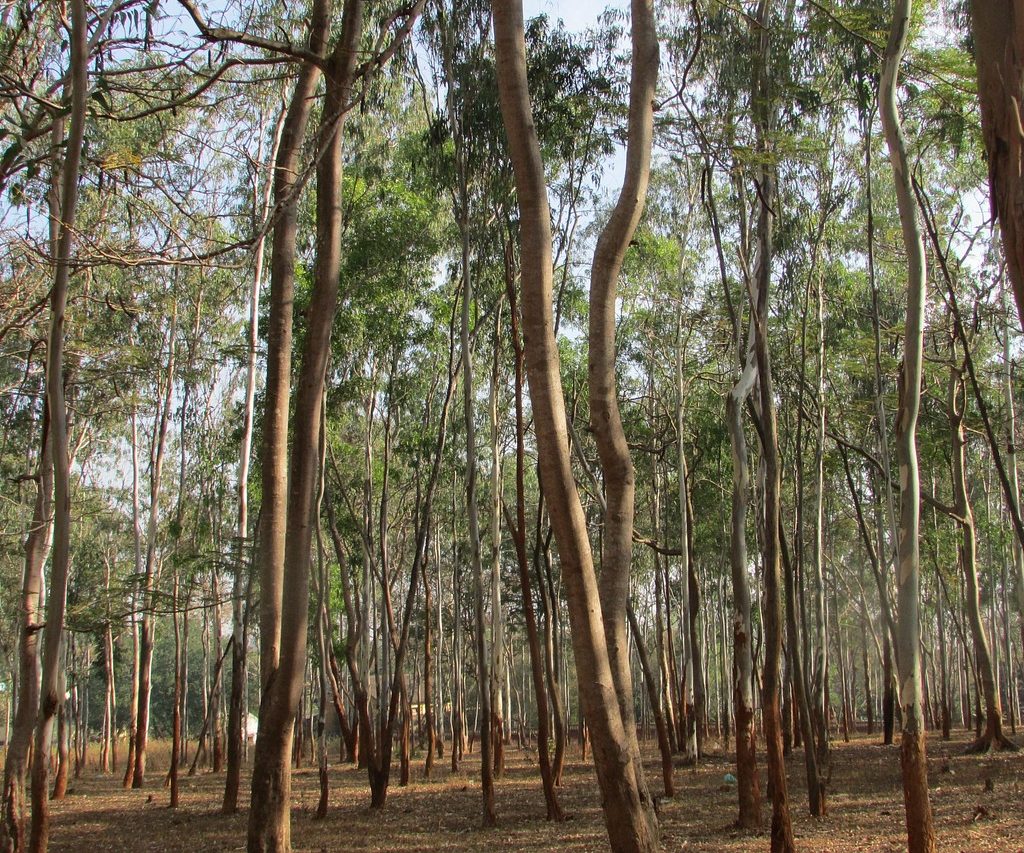
If you already have a eucalyptus tree in your yard, should you run out and cut it down right away? Well, maybe not. If the eucalyptus tree is dead, dying, or diseased, then you should remove it as soon as possible. These eucalyptus trees are the highest risk for causing damage.
Eucalyptus trees that are close to structures, roads, or other trees may need to be removed if possible. If they can’t be removed, they’ll need to be maintained more carefully to reduce the risks. Trees that are healthy and not near any structures can be removed or maintained, depending on how much time and effort you’re able to dedicate to them.
To reduce the risk of fires and wind damage, careful pruning is necessary. Remove branches that are too long, weak, close to structures or other trees, show signs of pest damage, or are low to the ground. Weak and long branches are the most likely to break off during high winds, while branches that are low to the ground or close to structures or other trees are more likely to catch and spread fires. Additionally, dispose of bark, branches, and leaves that have shed from the tree, and don’t use them in your garden as mulch or compost.
Native alternatives to plant instead of a eucalyptus tree
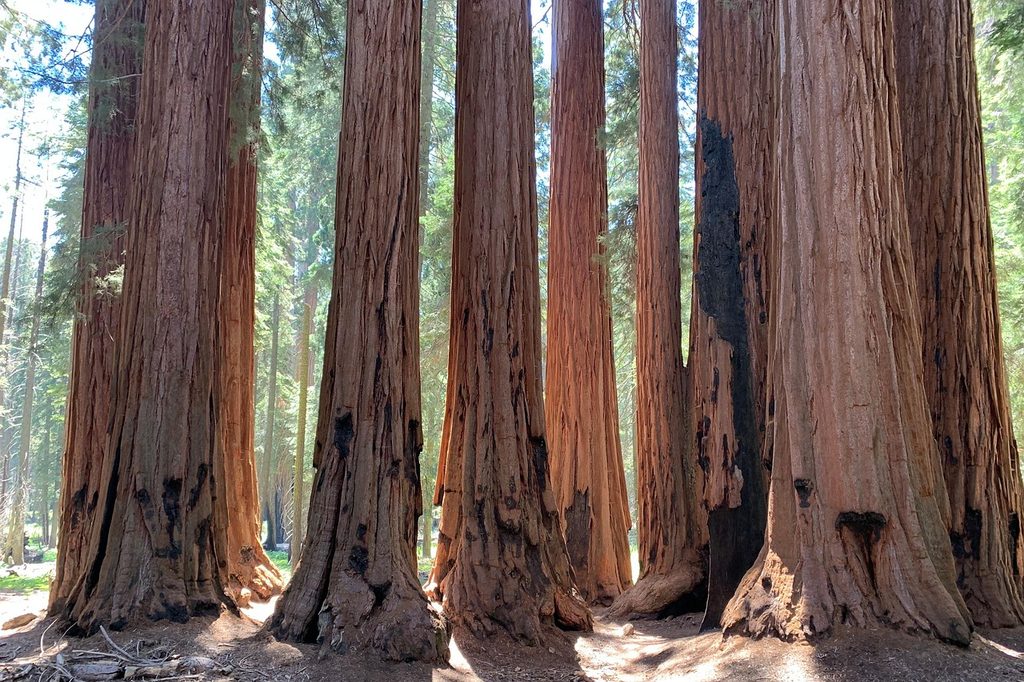
Eucalyptus trees can be dangerous, but they do offer some benefits. With native trees being planted less often, some native animal species, such as monarch butterflies and birds, have turned to eucalyptus trees for shelter. However, that doesn’t mean eucalyptus trees are the best option for these critters. Instead of planting a eucalyptus tree, try growing a California bay tree, coast live oak, or a California redwood tree. These native trees offer all the benefits of a eucalyptus tree without the dangers. If you live in the foothills or mountains, California juniper trees are a great option, while homeowners looking for a fire-resistant evergreen should look for a toyon tree.
Eucalyptus oil can be a great source of relaxation, but if you want to grow a eucalyptus tree to make your own, you might want to think again. The U.S. ecosystem can’t handle such a flammable tree, and growing them here can be risky. Instead, look for native trees and shrubs to fill your yard and garden.