
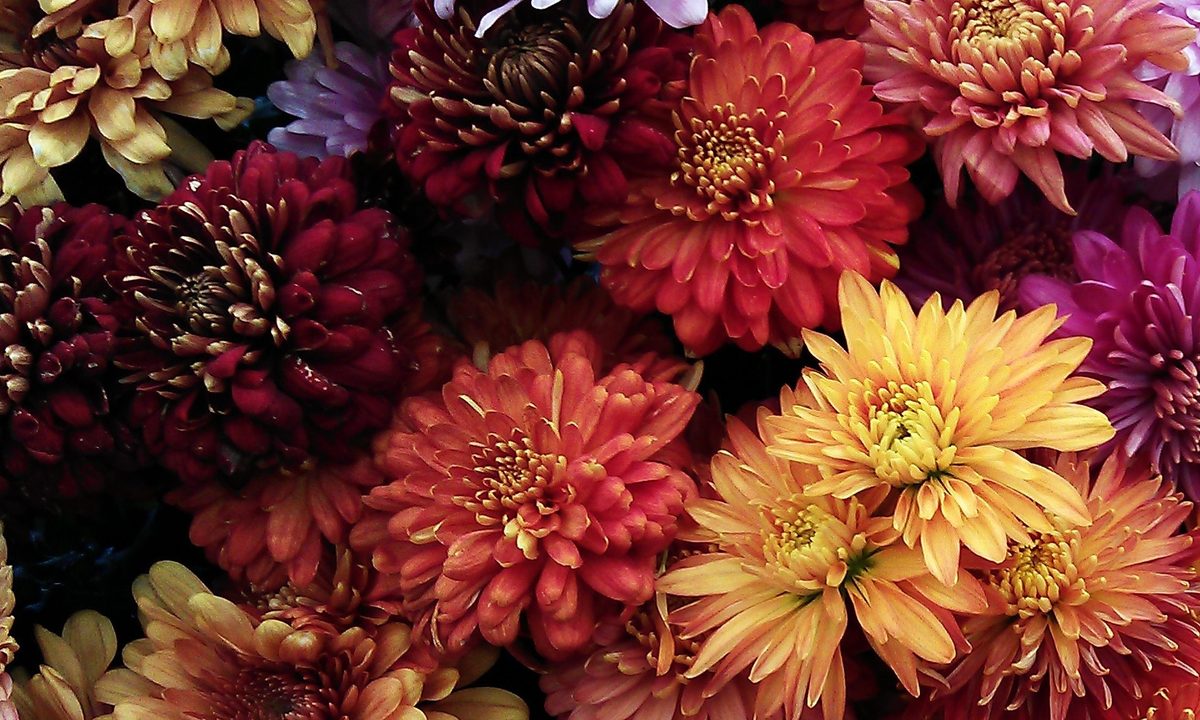
Chrysanthemums, or mums for short, are gorgeous flowers that are particularly popular in the fall. They can bloom in a wide array of colors, but every autumn store shelves fill up with mums blooming in shades of red, yellow, and orange. If you love mums, you might be wondering if you can grow them in your garden all year long and perhaps even year after year. Are mums perennials, or do you have to be content with replanting them every year? We have the answers so you can grow your mums with confidence.
Are mums perennials or annuals?

The reason the answer is a bit complicated is that mums are tender perennials, like dahlias. This means that they are perennials, but sensitivity to cold weather often prevents them from surviving the winter in more northern climates. Since they may not survive the winter to return, they are typically grown as annuals and replanted each year, or kept as a short-lived container plant for seasonal displays.
Garden mums can grow as perennials in USDA hardiness zones 5 through 9. In these zones, the winters are mild enough that most mums can survive, as long as they have proper care. North of this range, they require more work to stay alive and may not be able to withstand the cold, even with additional protection. South of this range, the heat may cause problems for your mums as well, although they can still grow as cool-season annuals or in shadier gardens.
Can you keep mums alive over winter?
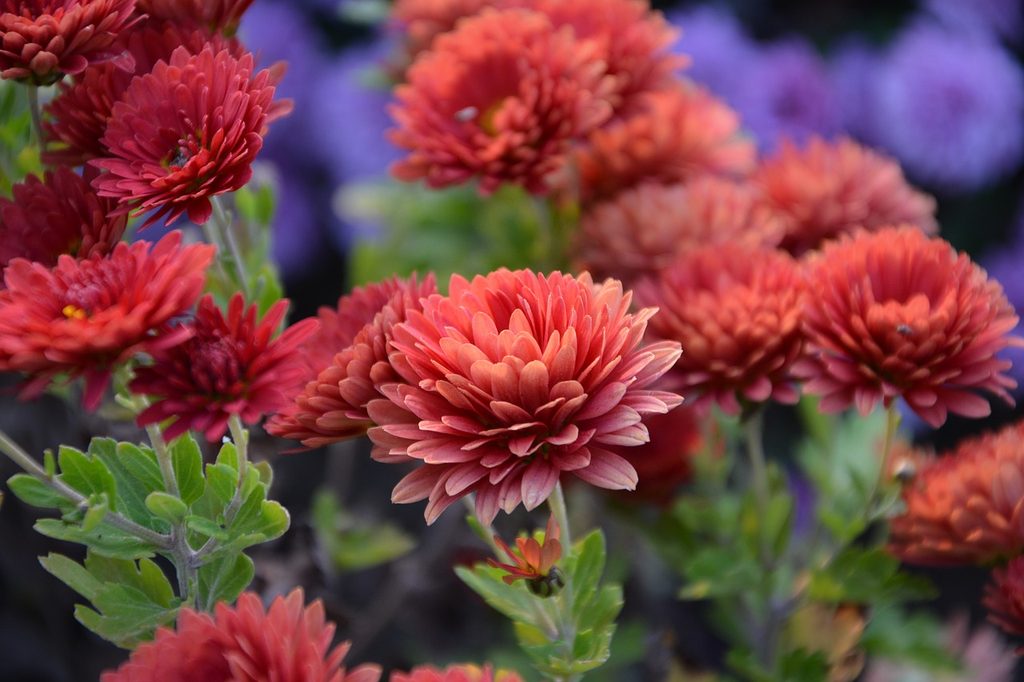
With proper care, mums can survive the winter, provided it doesn’t get too cold. If you live in USDA zones 1 through 3, your mums will struggle unless kept indoors. Outside of those zones, you can keep your mums alive through winter with careful planning and protection. At the colder edge of the mum’s range (zones 4 and 5, primarily), it’s best to plant them in spring or early fall, so that they have time to develop a strong root system before winter arrives.
When the weather begins to cool down, add mulch around the plant. Once your mums have finished blooming, cut them back to a few inches above the ground. This prevents the plants from heavy damage by frost, which weakens the plants and can prevent them from growing new leaves and stems in spring. Once cut back, cover the remaining plants with 6 inches to 1 foot of mulch or leaf mulch. This insulates the ground and protects your plants from the cold. In spring, your plants will grow up through the mulch.
Potted mum care
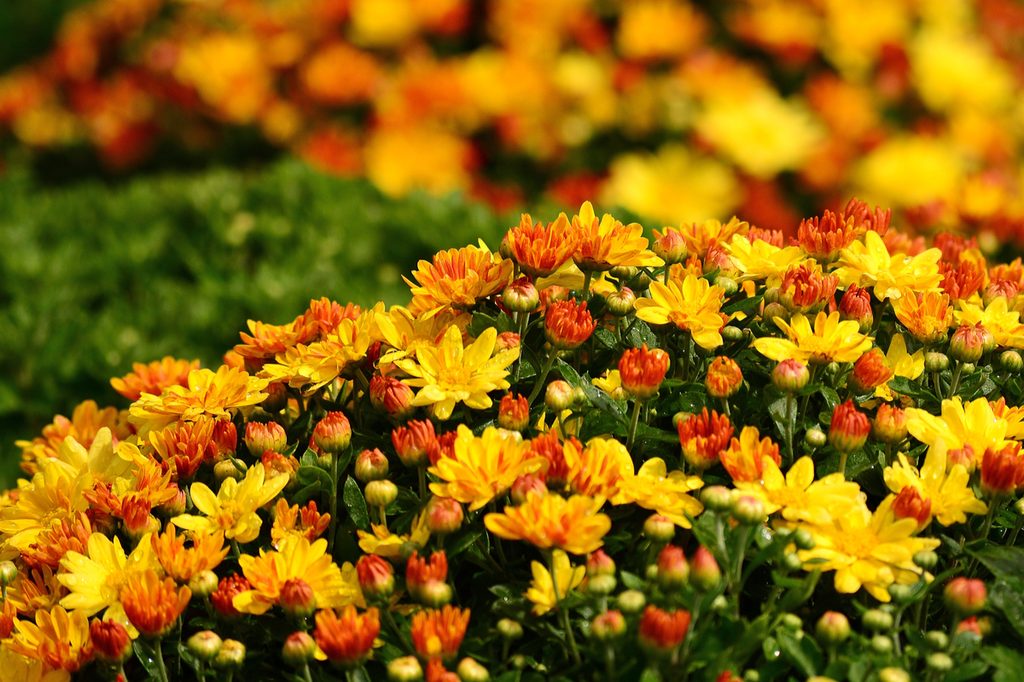
Gardeners often grow potted mums as annuals because they are more difficult to keep alive through the winter. Garden plants get insulation from the cold by the soil over the roots and the mulch, but potted plants have less soil around their roots and less room for mulch. If you can bring your potted mums indoors and place them in a warm, dry room, your mums are much more likely to make it through winter. Even if you don’t have a warm room, just moving your mums to a sheltered location or unheated room will give them a better chance.
If you place them in an unheated space, your container will need extra insulation. Avoid placing them directly on the ground or a metal shelf. A layer of newspaper or cardboard under the plant will insulate them from the cold from the ground. To insulate the containers further, you can wrap the outsides in a few layers of newspaper. You can add a layer of mulch over the top of the soil in the containers.
Avoid using fabric to insulate your potted mums. While it might seem intuitive to use a towel or blanket to keep your plants warm, it can actually cause more problems. Fabric absorbs water, so any moisture in the area may draw into the fabric. Water by itself will cool your plants down, but even worse is that the water might freeze. This could even lead to the fabric becoming frozen to the containers.
Mums are beautiful seasonal flowers, often used in fall displays, but now that you know they’re perennials, you can plan for a living display that returns year after year. Whether your mum are in the ground or in containers, you can keep your mums alive through winter and enjoy their flowers next year with proper planning and care.