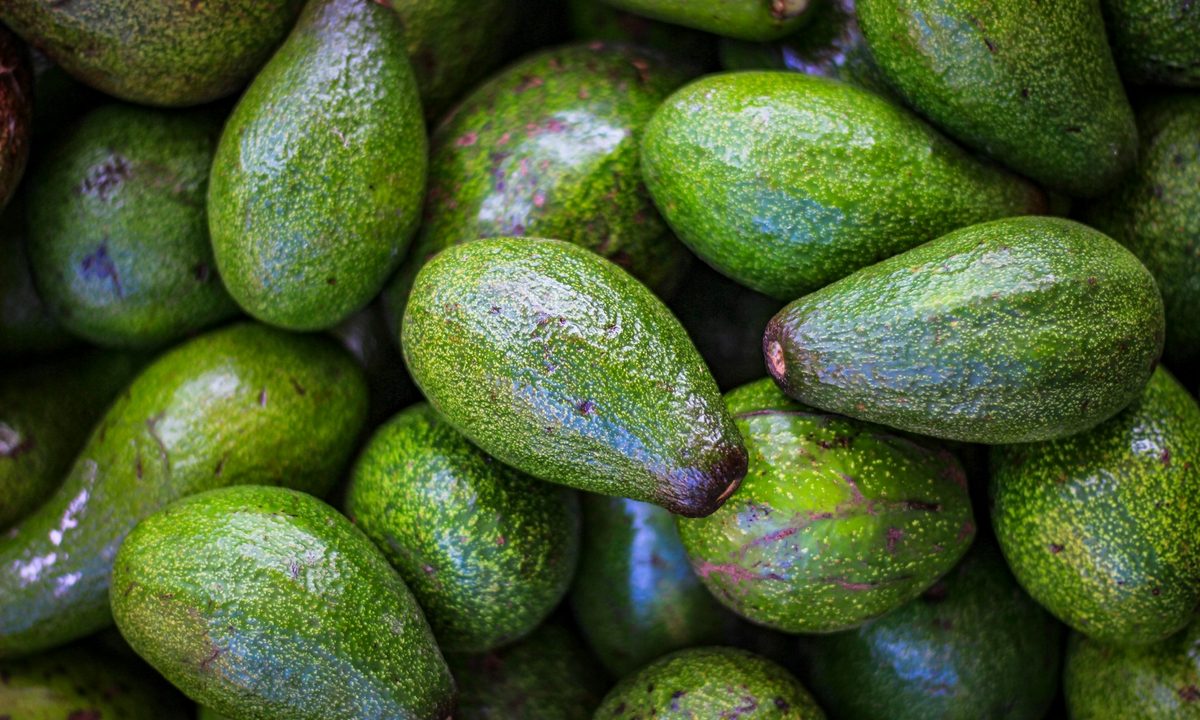
Anyone who enjoys the challenge and satisfaction of growing plants will love growing an avocado from seed. If you live in the right climate, it could be the next addition to your garden. If not, it makes an attractive and interesting houseplant. All you need to start one is a fully ripe avocado, a planting container, and some high-quality potting soil.
Whether you want to have fresh, ripe avocados for your kitchen or just enjoy the way these trees look, you’ll be glad to know that avocado trees are surprisingly easy to grow. This guide to avocado plant care will explain everything you need to know.
Avocado at a glance
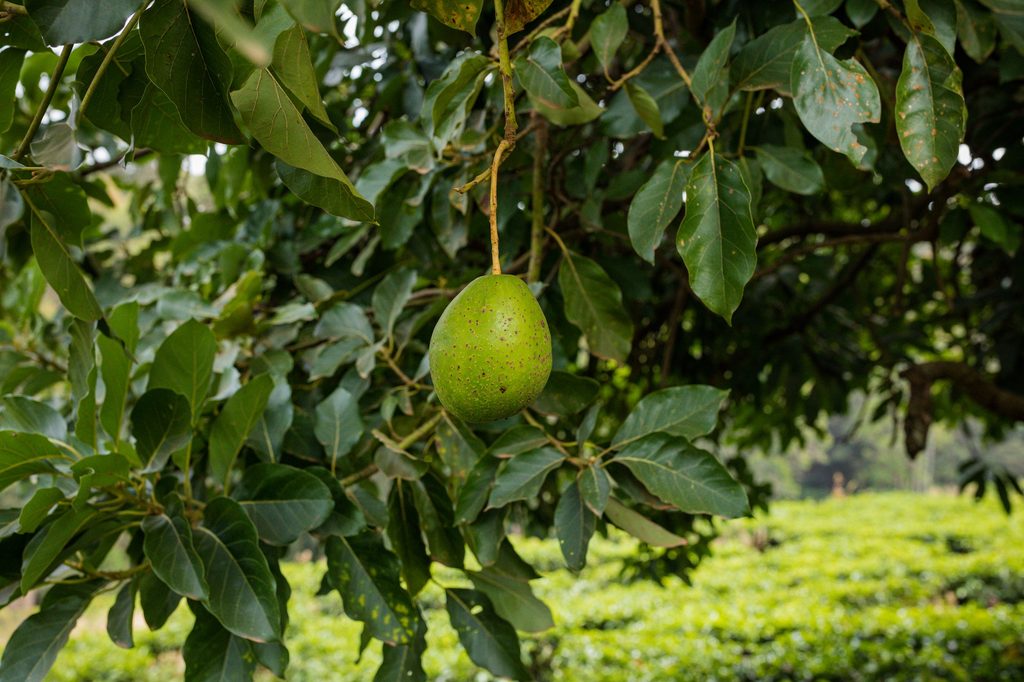
Avocado, Persea americana, is a multi-stemmed broadleaf evergreen tree that is native to tropical parts of Mexico, Central America, and South America. It’s hardy in USDA zones 9 through 12, where it can grow 30 to 60 feet tall in rich, well-drained soil and full sun. The world’s largest commercial producer of avocados is Mexico, with more than two million tons harvested annually. In the United States, California grows the vast majority of fresh avocados.
Growing culture
Avocado farmers must monitor and manage the tree’s health, soil fertility, and irrigation with three concurrent growth cycles in mind. The currently ripening crop needs good nutrition and irrigation to mature properly. While the current crop ripens, the tree needs resources for next year’s flower buds that are forming within the stems, and it needs a reserve of nutrients to produce new woody growth for flower production two years from now.
Flowering and fruiting
From late winter through early summer, mature avocado trees produce flower clusters that are pollinated by insects, including bees. It takes nearly two years for an avocado fruit to grow from flower bud break to maturity. The fruit is harvested when it’s still green and hard. If it was picked at the right time, it will ripen perfectly on a countertop within about five days.
Two ways to start an avocado tree from seed

If you live in a warm climate where the coldest temperatures never drop below freezing, you could grow one of these lovely trees in your yard. The rest of us can enjoy them as houseplants, with maybe a few months outdoors in the summer. Here’s how to start them from the pit, or seed, of a grocery store fruit.
Sprout an avocado seed in water
One popular method that has been used for generations is the water method. Remove the pit from a fresh, ripe avocado and wash off any remnants of the flesh. Insert three toothpicks into the side of the seed, evenly spaced around the perimeter. Use the toothpicks to suspend the seed in a jar of water, broad end down, with water covering the bottom third. Change the water every day or two. In two to six weeks, when the seed splits and roots begin to grow, plant the seed in an 8-inch container with potting soil.
Start an avocado seed in soil
Perhaps a more convenient way to start an avocado from seed is to simply plant it in soil. Fill an 8-inch container with high quality potting soil. Water the soil thoroughly and let the excess drain off. Insert the seed, broad end down, two-thirds of its depth into the soil. Place the pot in a warm location, away from direct sunlight, and keep it evenly moist but not soggy. The seed should split in four to six weeks, and the stem will begin to emerge soon after.
How to care for an avocado tree
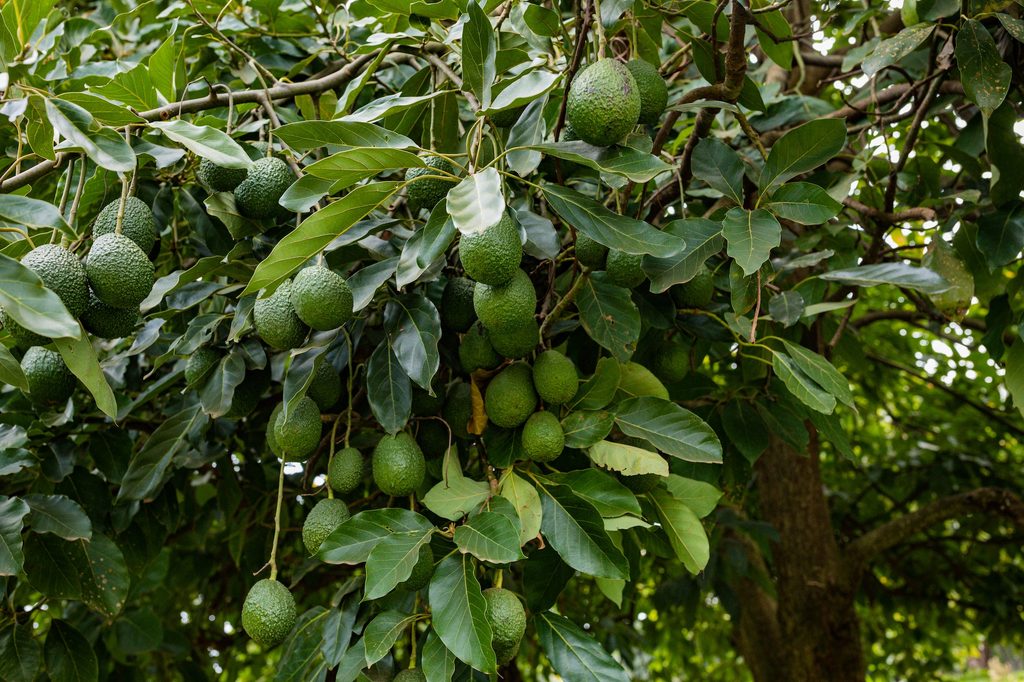
Once the seed splits and the roots begin to grow, your avocado seedling is ready to grow. You’ll notice a bud emerging from the middle of the split. If you sprouted it in water, now is the time to pot it up. Plant it in an 8-inch standard pot with high-quality potting soil, leaving the top one-third of the seed exposed, and water it well. Place the pot in a sunny location outdoors during warm weather. When night temperatures are forecast to dip below 55 degrees, bring it to a high light location indoors.
Light
Avocados are sun-loving plants. If your plant is starved for light, the stem may grow thin and weak. Stake it to keep it upright and move it to a brighter location, if one is available. Or you can add supplemental grow lights. Turn the pot weekly to provide even light on all sides.
Water
Watering is important for avocado plant care. Keep the soil evenly moist, not wet. The soil should consistently have the feel of a wrung-out sponge for the first several weeks after transplanting. As the plant becomes established, the surface should dry out between waterings. Numerous variables, such as plant size, pot size, soil makeup, ambient humidity, temperature, and others, make it unwise to generalize a precise, uniform watering schedule. The best test is to stick your finger in the soil—if it’s dry to the depth of your first knuckle, water the tree.
Fertilization
Feed the tree with general purpose houseplant fertilizer. If you use a dry application fertilizer, follow the directions on the package. For water soluble plant food, dilute the product for weekly feeding and apply in place of plain water on those days. If the label instructions are for monthly feeding, mix it at quarter strength.
Does it take two avocado trees to produce fruit?
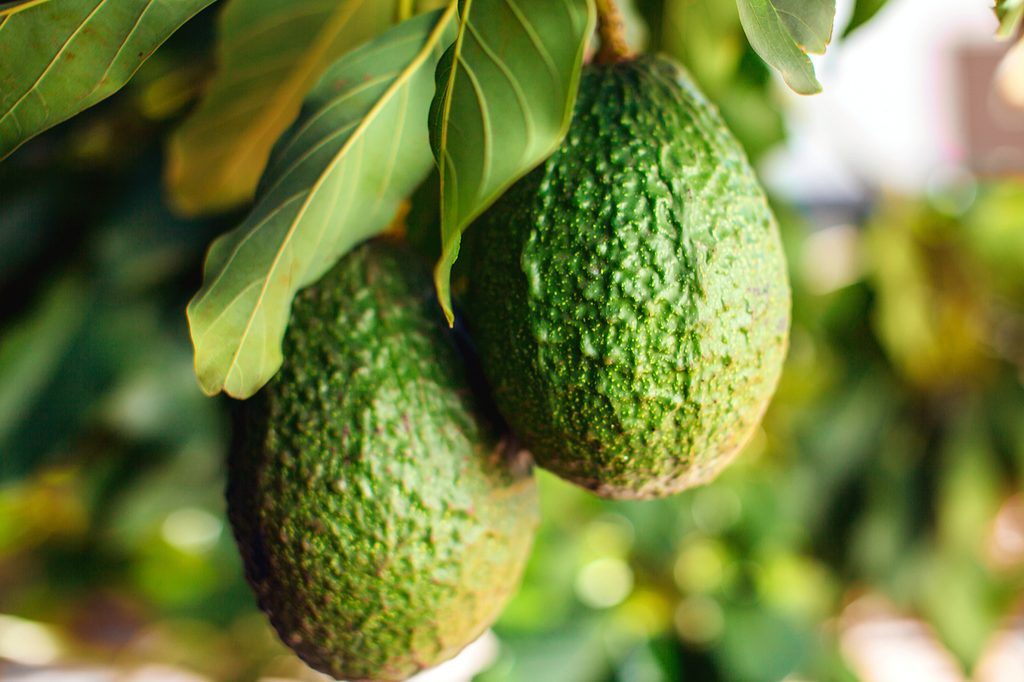
Some plants are self-pollinating, meaning you only need one of them to produce fruit. Others need the pollen from another plant in order to produce fruit, meaning you need to grow more than one if you want to harvest fruit. Avocado trees will often produce fruit without the presence of another tree, so you typically only need one avocado tree. However, they do tend to produce more fruit if they have another avocado tree nearby.
When choosing avocado trees to plant together, you might hear about type A trees and type B trees. Avocado trees fall into two categories based on when their flowers open, and the largest yields tend to happen when a type A and type B are planted near each other. The University of California has a simple explanation and list of common avocado varieties by type that you can use to choose a complementary avocado tree.
It’s fun and easy to start an avocado tree from a seed. Whether you’re an old hand at gardening or just getting started, it’s well worth the time and simple effort.