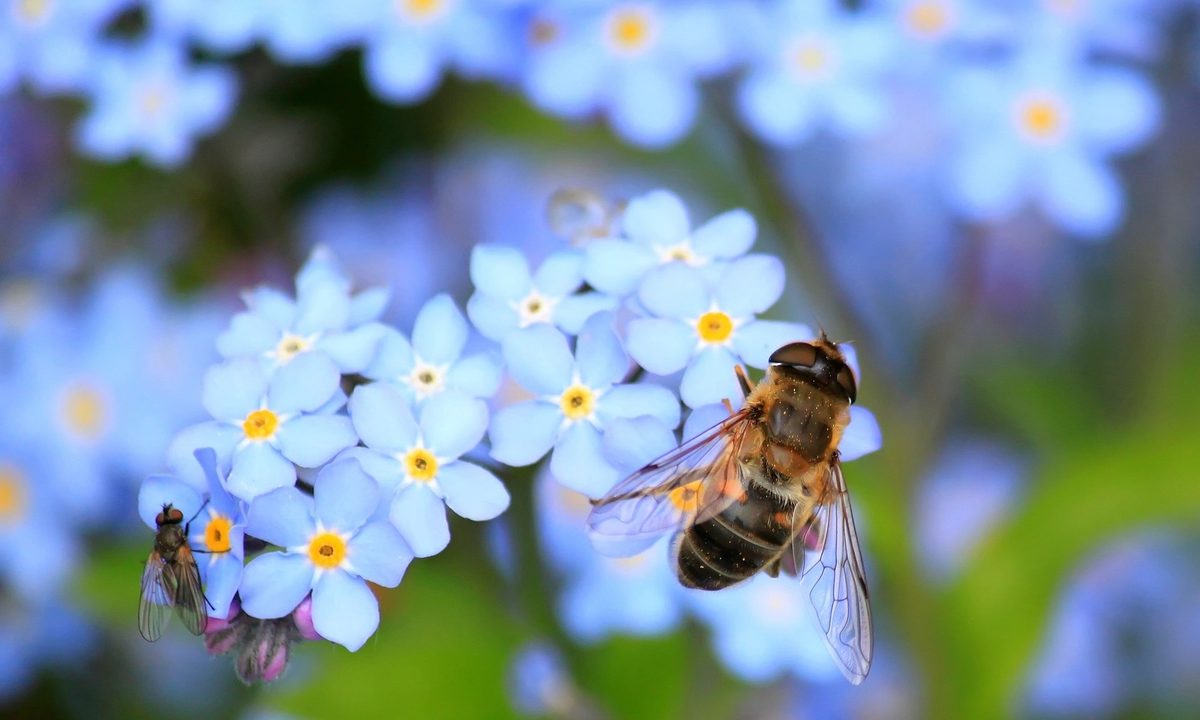
Pollinators play a crucial role in the environment, but there has been a sharp decline in their numbers over the years. Now, new studies are showing that the bee population is decreasing, even in areas where humans aren’t as active. If you’re confused about how this is happening, then you’re in the right place. We’ll break down the causes of this decline and what you can do to help save the bees.

Why are bees dying more rapidly?
There are several factors leading to the decrease of bees and other pollinators. Invasive insect species, such as Asian giant hornets, African hive beetles, and several species of ants and mites kill bees. Additionally, some invasive species carry diseases that our native pollinators aren’t equipped to handle. These diseases spread quickly through the pollinator population, causing devastation.
Climate change is another factor. As temperatures rise, flowers that pollinators rely on can bloom too early or late, causing pollinators to miss their meals. Temperatures fall unseasonably as well, which can kill tender growth, leading to fewer flowers overall. With flowers blooming out of season or not at all, there is less food to go around. Pollinators compete more fiercely for the food that is available, and invasive species are often able to outcompete the native pollinators.

What can you do to help?
Here are some things you can do to help protect bees, butterflies, and other pollinators:
Step 1: Stop using pesticides in your garden.
Pesticides don’t only harm pests, they can also hurt pollinators.
Step 2: Plant native wildflowers.
Native wildflower gardens provide food and shelter to pollinators. Salvia, milkweed, coneflowers, and black-eyed Susans are just a few common options.
Step 3: Report sightings of invasive insects to your local agricultural department.
Keeping track of invasive species helps the agricultural department determine what actions to take to protect the environment.
Step 4: Provide a water source.
Step 5: Leave natural debris where it is.
Fallen logs, stems, leaves, dried shrubs, and other plant matter provide nesting sites and shelter for many native insects, including pollinators!
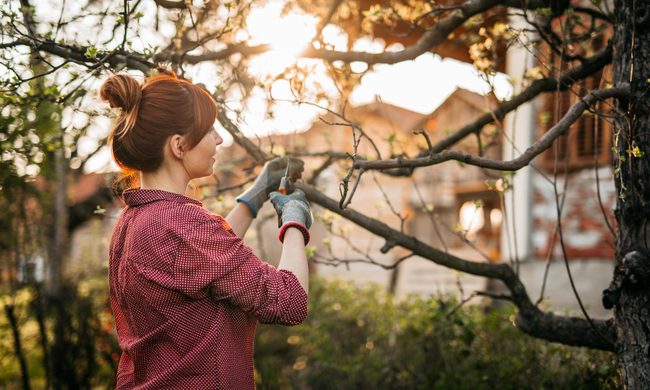
Step 6: Use eco-friendly and green gardening methods in your garden.
Step 7: Get involved in your community and help raise awareness.
Your community may already have programs in place, such as public gardens or wildflower planting initiatives. If not, reach out to your neighbors and friends to see who else might be interested in starting one.
Step 8: Contact your government representatives to let them know you care about this.
A large percentage of environmental damage comes from corporations. Letting your representatives know that this is an issue people care about encourages them to make policy changes that stop corporations from continuing their harmful practices.
Bees and other pollinators face greater and greater risks each year, and many species are on the brink of extinction. By working together to revitalize the natural habitats of these crucial insects, we can lessen the danger and get things back on track. You can help save the environment by choosing native plants for your garden, avoiding pesticides, and spreading the word to those around you.