Gardening is a rewarding and relaxing hobby, but it sure can take up a lot of space. From towering trees to sprawling English gardens, there are many ways to design and fill a garden if you have plenty of space. What if you don’t have much room, though? If your yard is small, or if it’s already full of other plants, then you might be looking for a way to maximize your garden while minimizing the space it takes up. One recent trend that can help with this is square foot gardening. If you’re not familiar with what a square foot garden is, we’ll break down the basics for you.
What is square foot gardening?
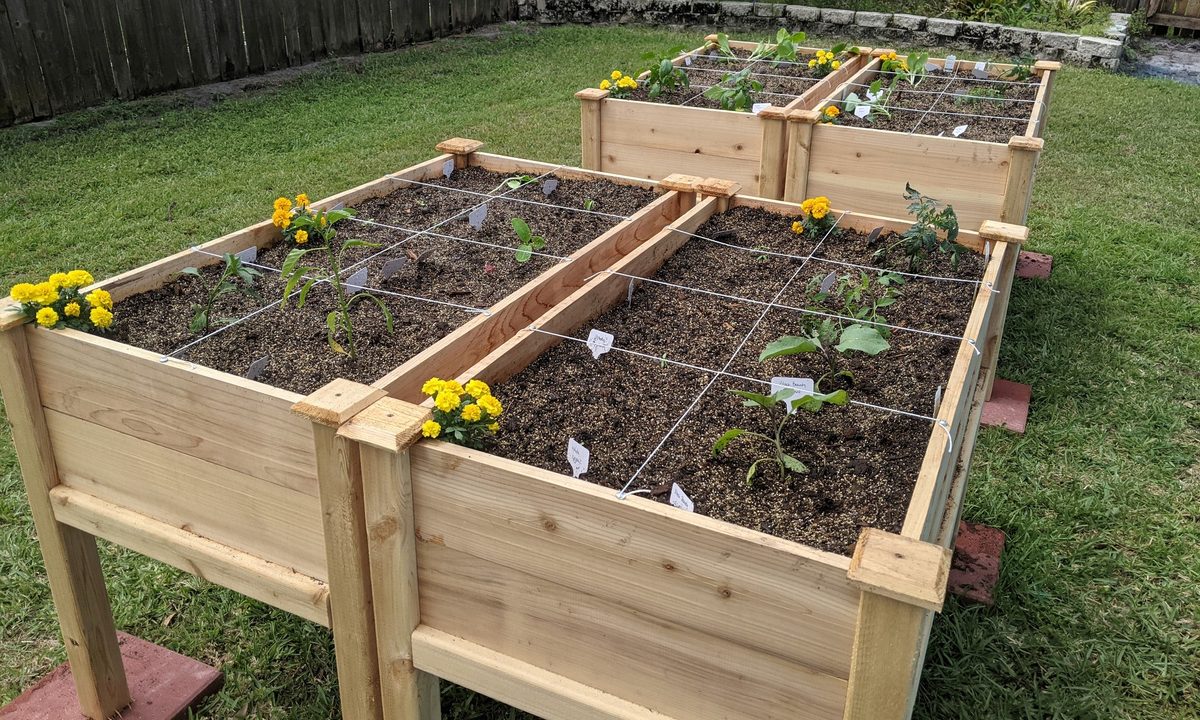
Square foot gardening is a method of growing more plants in less space by dividing a garden bed into equal sections of one square foot each. The number of plants you grow in each square depends on the size of the plants. The rule for square foot gardening is 1 extra-large plant per square, or 4 large plants, or 9 medium plants, or 16 small plants. The largest plants, such as spreading vines like watermelons or taller plants like corn or trees, should not grow using this method, as they take up too much room.
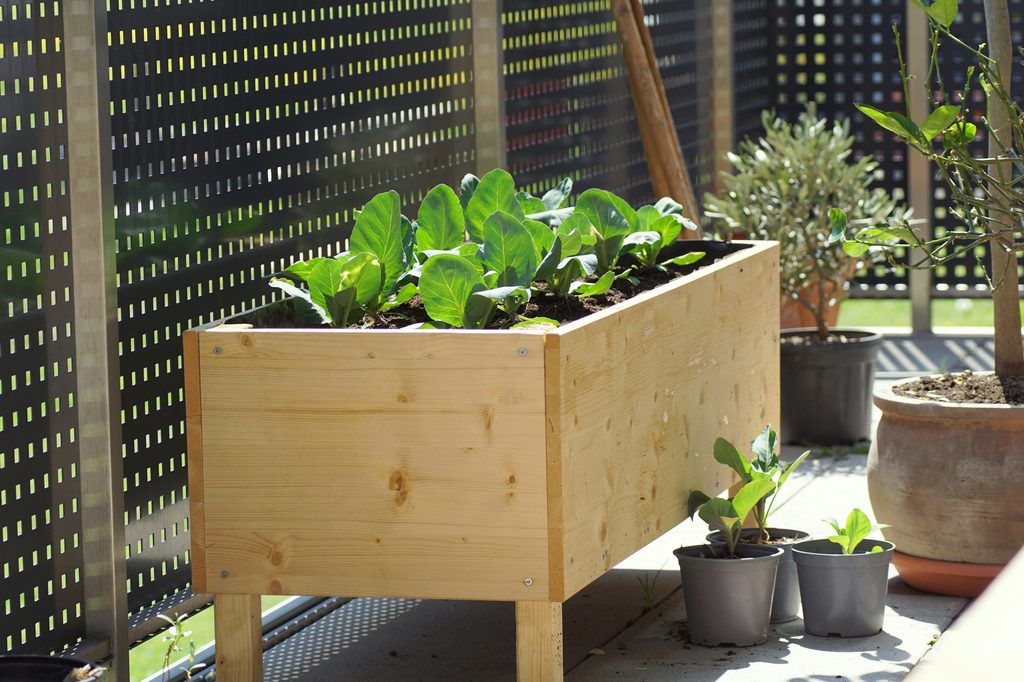
While you can divide a regular garden bed into sections, most gardeners prefer to pair this method with a raised garden bed. Since you can add cross beams or tape strips to the sides to clearly mark each square, raised garden beds make it easier to keep track of where one square ends and another begins. Additionally, since square foot gardening is intended to capitalize on small spaces, raised garden beds are a natural fit. Raised garden beds can be built anywhere, even in places where traditional gardens can’t grow.
What are the benefits of square foot gardening?
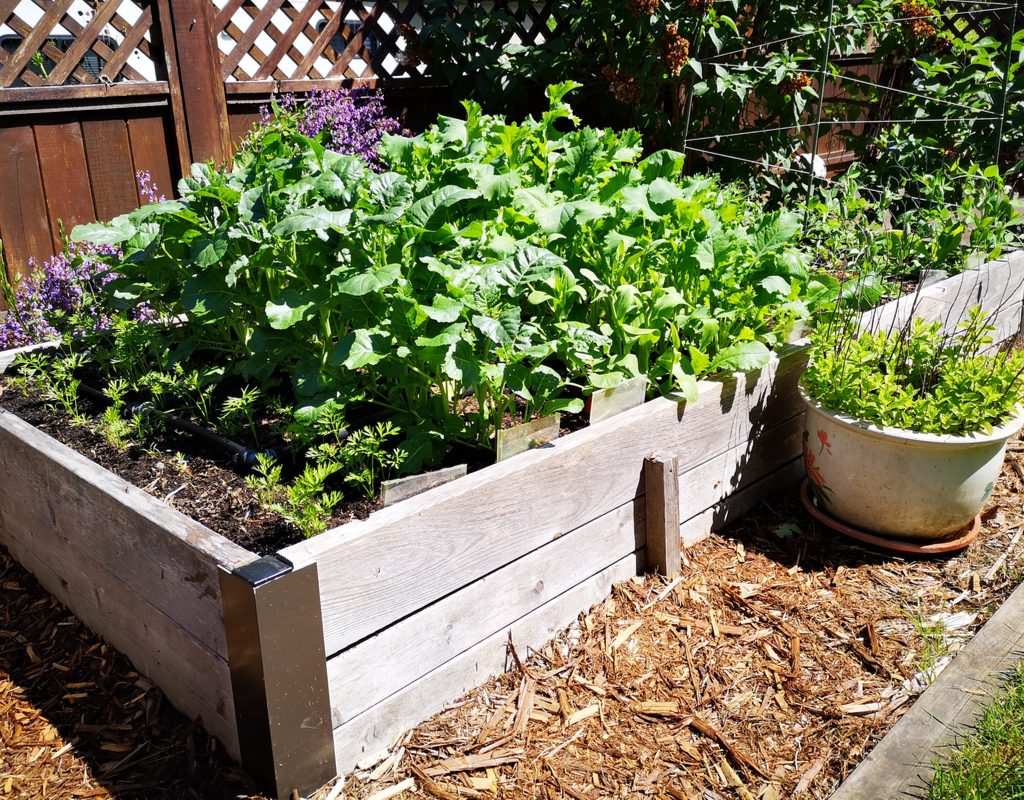
The main benefit of square foot gardening is that it does exactly what it’s meant to — it helps you grow more plants in less space. If you’re struggling with how to garden when you don’t have much outdoor space, then the guidelines provided by the square foot garden can be a huge help. Additionally, having clear guidelines like the ones provided can be reassuring to beginners, who may feel lost and confused without the structure they provide. Intending to conserve space by choosing smaller plants and planting them closer together may not be as helpful for beginners as saying they should plant four plants in a single square foot section.
The best (and worst) plants for square foot gardening
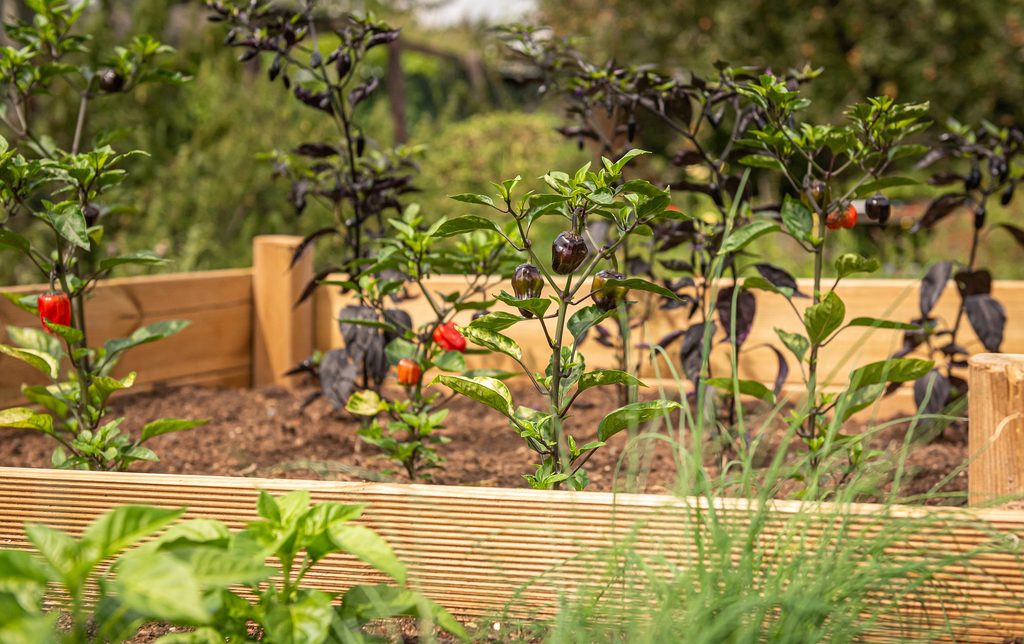
When choosing plants to go in your square foot garden, it can be helpful to consult a companion planting chart. Since the plants will be in such close quarters, it’s important to make sure they grow well together. As long as all your plants can grow together, there are only two real limiting factors you should be aware of: size and nutrient requirements.
We’ve already touched on size, but as a reminder, plants with deep roots, large stalks or trunks, or spreading vines shouldn’t grow using this method. You should also avoid heavy feeders, as they’re likely to compete with the other plants in your garden.
As for the best plants, a wide variety of plants can grow using this method. Tomatoes, beans, marigolds, basil, carrots, garlic, onions, beets, radishes, cabbage, lettuce, spinach, and kale are a few popular choices. These plants don’t need a lot of room or nutrients, and it is easy to find companion planting charts for all of them.
What are the downsides and pitfalls of square foot gardening?
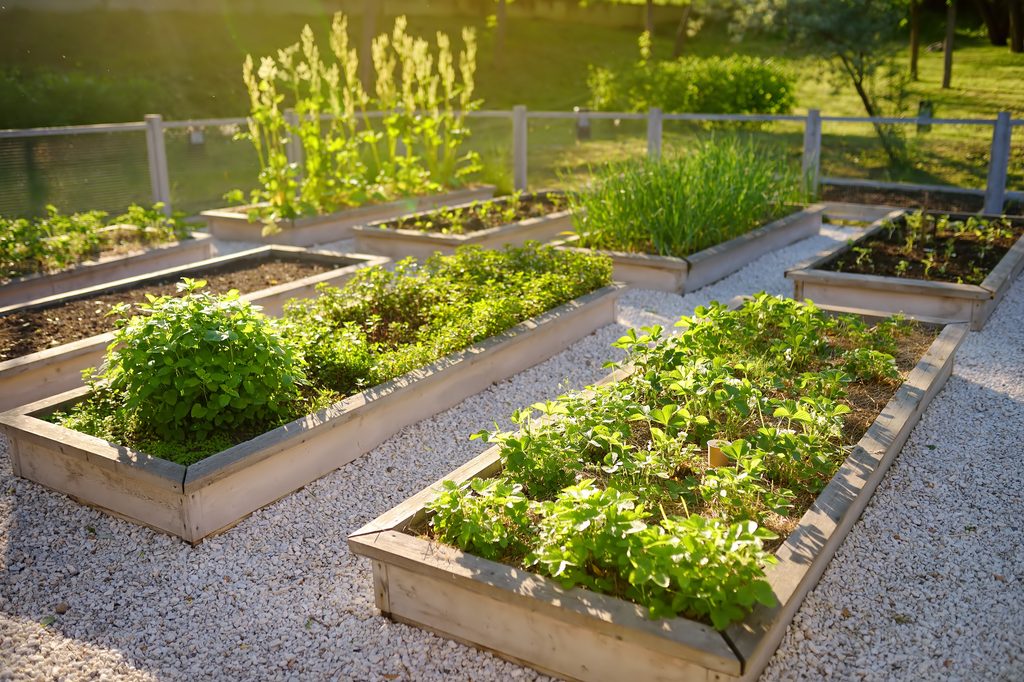
Unfortunately, no gardening method is without its faults, and square foot gardening is no exception. Planting your plants so close together does help conserve space, but it can also make your plants more vulnerable to pests and diseases. If a problem affects one plant, it can easily spread to those around it. There are countermeasures you can take to lower the risks, such as choosing disease-resistant plants or separating plants that are vulnerable to the same pests so that problems won’t spread as quickly. However, you can’t fully eliminate the risk.
Additionally, since the plants are in close quarters, they will compete for resources. This includes both nutrients and water. While square foot gardening is efficient for space, it’s not efficient for water usage or fertilizing.
Square foot gardening may not be right for everyone, but if this gardening method sounds interesting to you, then you should try it out. It’s easy to get started, and plenty of gardeners have found success with their square foot gardens. However, if the downsides sound like too much, there are other strategies you can use to grow plants in small spaces.