Spring is the season most associated with flowers, when buds begin to form and bloom and new growth is abundant. Different flowers bloom at different points in the season, from the first day of spring to the last. If the bleak cold of winter has you in a bad mood, you might be itching to see some color and life return to your garden. For that, you’ll need some of the earliest blooming flowers. To make the most of your spring season, here are seven gorgeous early spring flowers for you to plant right now!
Snowdrops
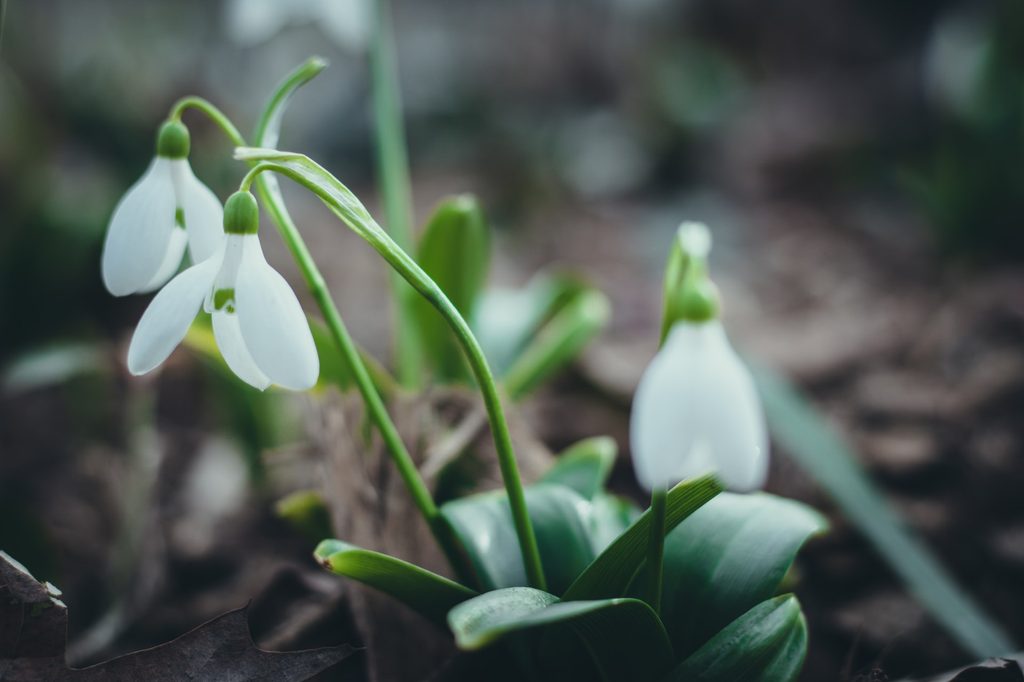
Snowdrops are a classic early spring flower with small white flowers topping thin green stems that poke out of the snow as early as January in some regions! Snowdrops are perennial bulbs, meaning you can plant them now for lovely flowers year after year. They are small enough to grow in containers, making them a great choice for gardeners without much outdoor space. You can plant snowdrop bulbs in the fall to bloom when spring rolls around, or you can find nursery plants that have started sprouting to plant in February or March.
Daffodils
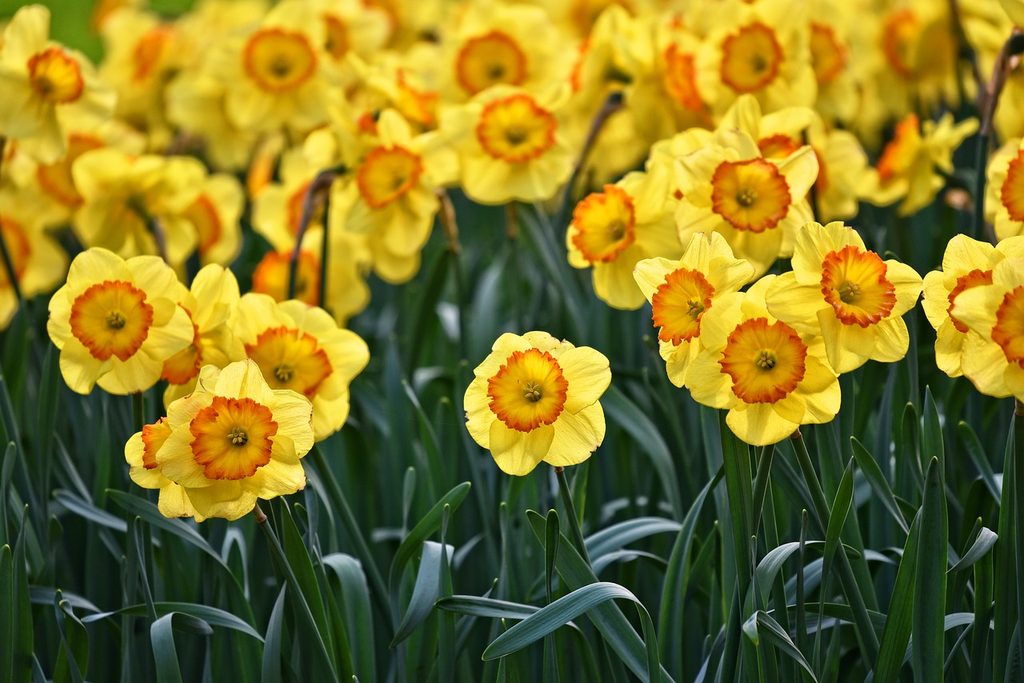
Daffodils are another classic perennial bulb, and they’re a great choice if you’ve been missing the sun over winter. With their bright yellow flowers and wide-spread petals, daffodils in bloom look just like miniature suns. If you aren’t a fan of bright yellow, you can also find varieties that are pastel, orange, or even white. Similarly to snowdrops, daffodils can be planted as bulbs in the fall or as sprouting plants in the spring. You can expect to see daffodil flowers as early as February, and some will last until May.
Crocus
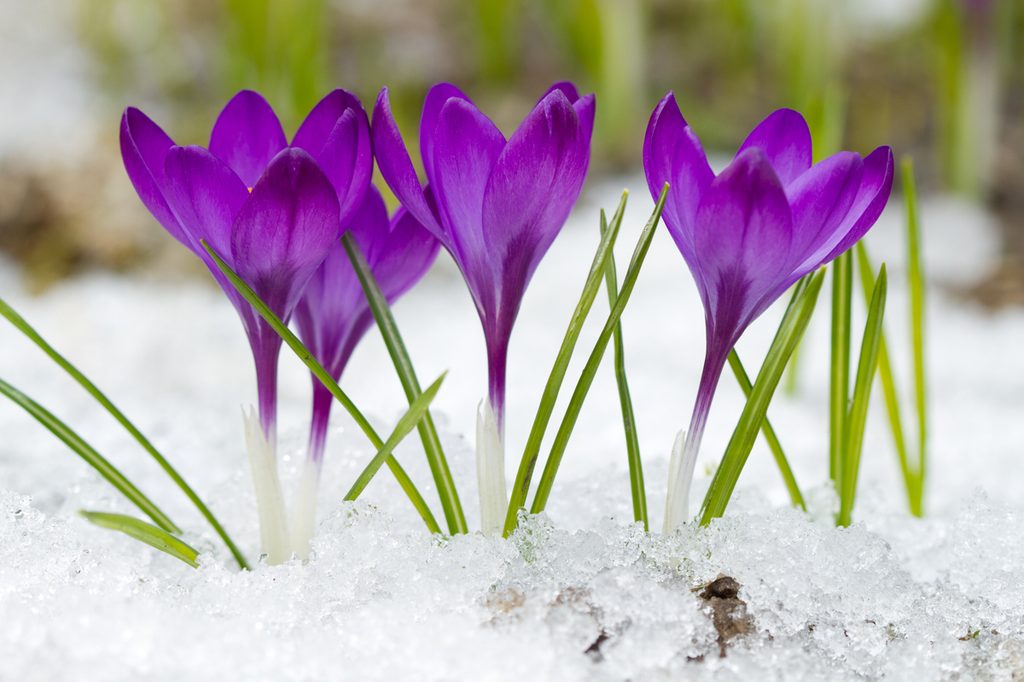
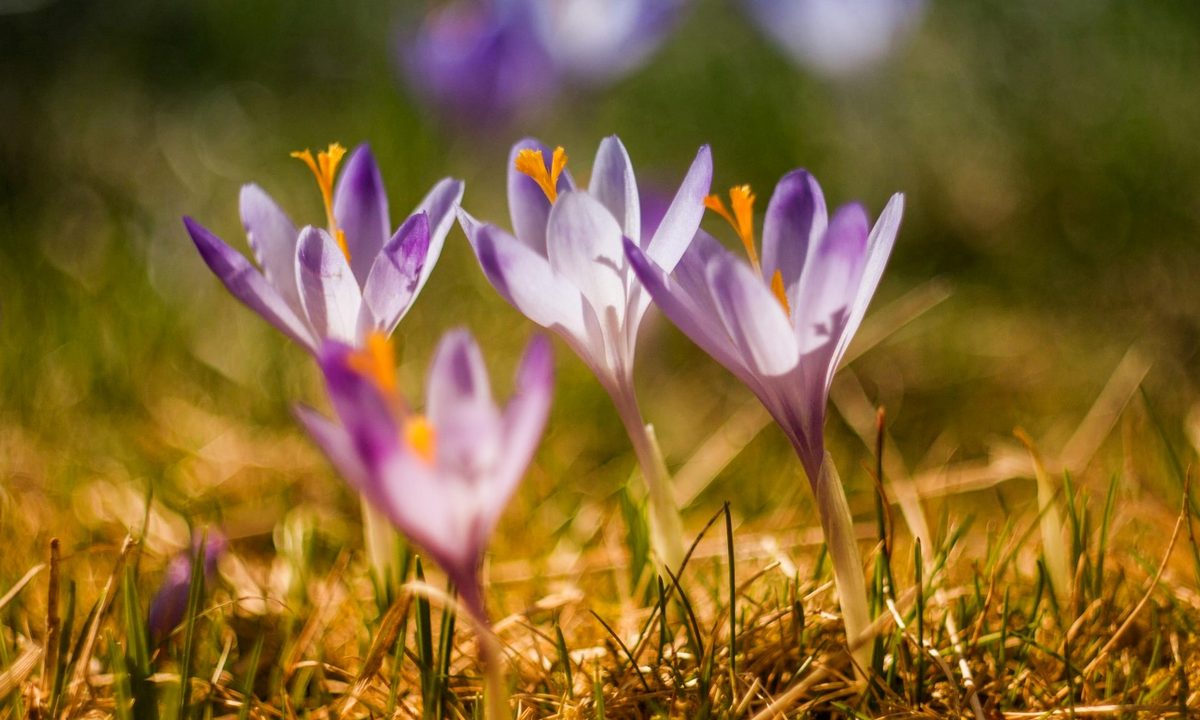
Crocus flowers are another perennial bulb that’s perfect for containers or gardens. They have purple cup-shaped flowers that often begin to bloom before the last snows of the year have even melted. Some may even bloom in late winter, with flowers lasting until mid-spring. Out of all the early spring flowers, crocus flowers are among the earliest. If you want to grow crocus flowers outside, it is easiest to plant them in fall. However, you can often find potted crocus flowers in early spring to sit in your window or on a patio.
Pansies
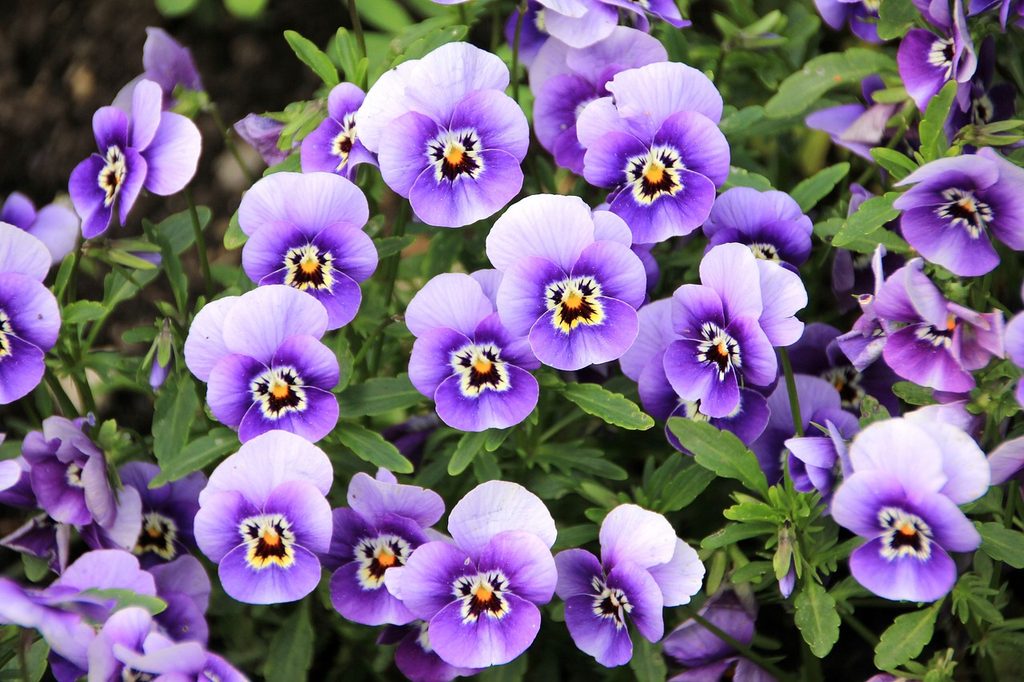
Pansies, along with their close relative violets, are perfect for gardens, containers, and hanging baskets. These soft and colorful flowers are a great way to welcome spring, with broad flowers that come in a range of colors, including pink, purple, yellow, and blue. Many pansies have two or more colors. Pansies are perennials, but they tend to be short lived and are often grown as annuals. You’re likely to find baskets of flowering pansy plants in nurseries in either late fall or early spring. For the longest lasting flowers, choose plants with buds that haven’t bloomed yet.
Hellebore
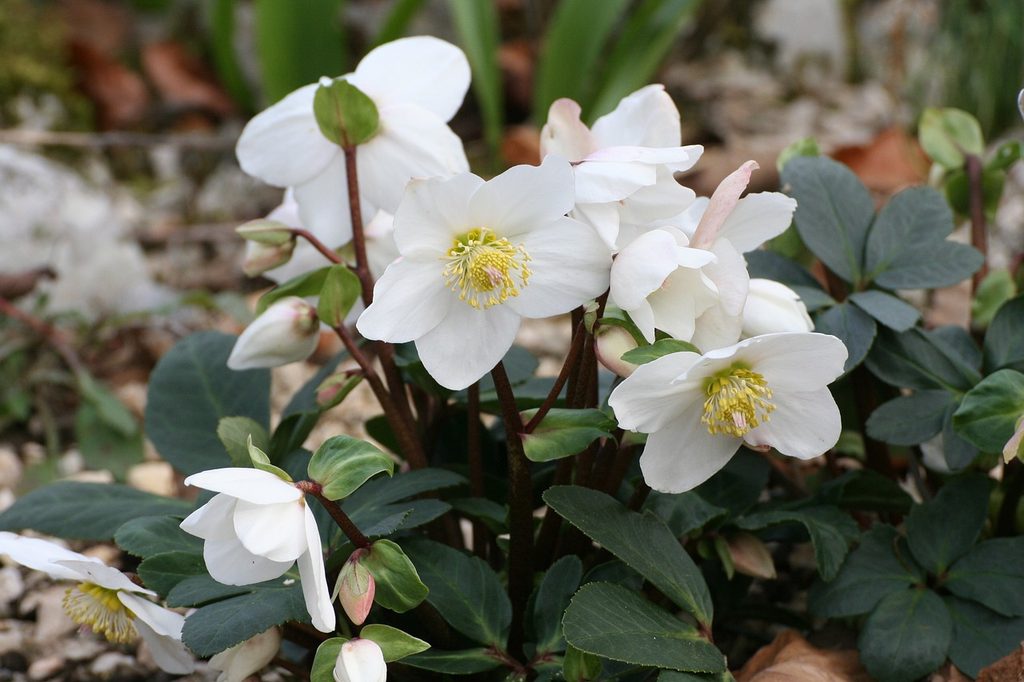
Hellebores, also called lenten roses or Christmas roses, are unique flowers that are perfect for any shady spots in your garden. Their flowers range from creamy white to pink and purple and even green, and these cup-shaped blossoms are known to sometimes tilt downward. This gives them a unique shape, almost as if the plant is ducking its head. In addition to their flowers, which can begin appearing in fall and last through winter into early spring, hellebores have evergreen foliage for year-round appeal. No matter the season, hellebore plants are a welcome garden addition.
Striped squill
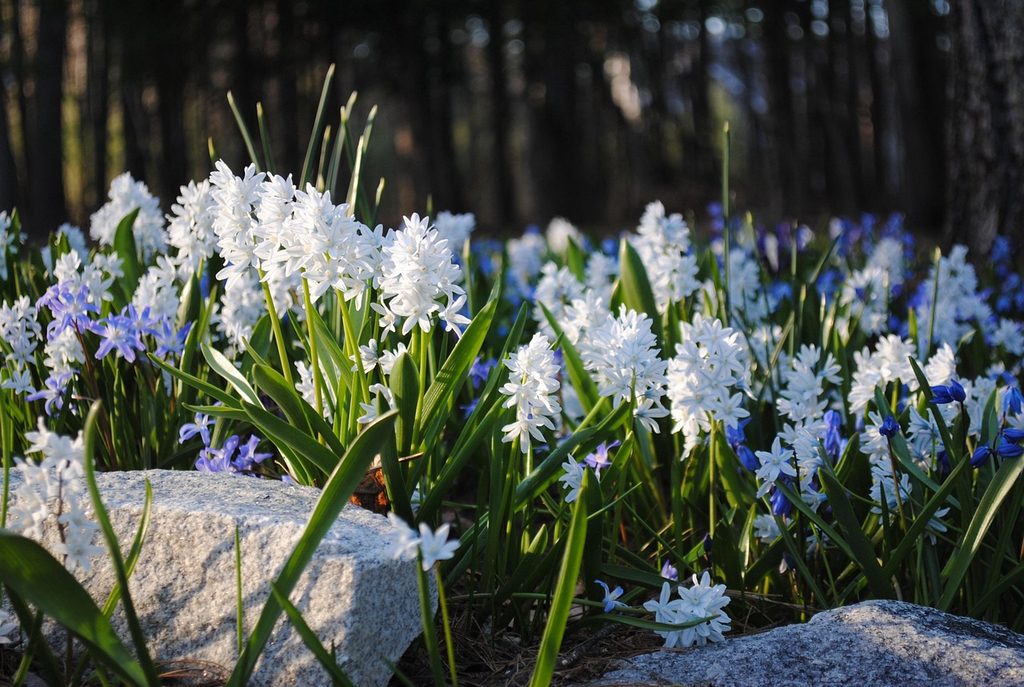
Striped squill, or puschkinia, is another perennial bulb that is easy to grow and blooms quite early. You can expect to see the lovely white flowers with blue stripes in late winter to early spring, making them a great companion for crocus flowers. They thrive in sunny garden patches and can grow almost anywhere. They do need some maintenance to keep them from spreading, but luckily striped squill can grow in containers, which makes this much simpler. Similarly to other bulbs, you can plant the bulbs in fall or plant sprouted bulbs in spring or indoors.
Virginia bluebells
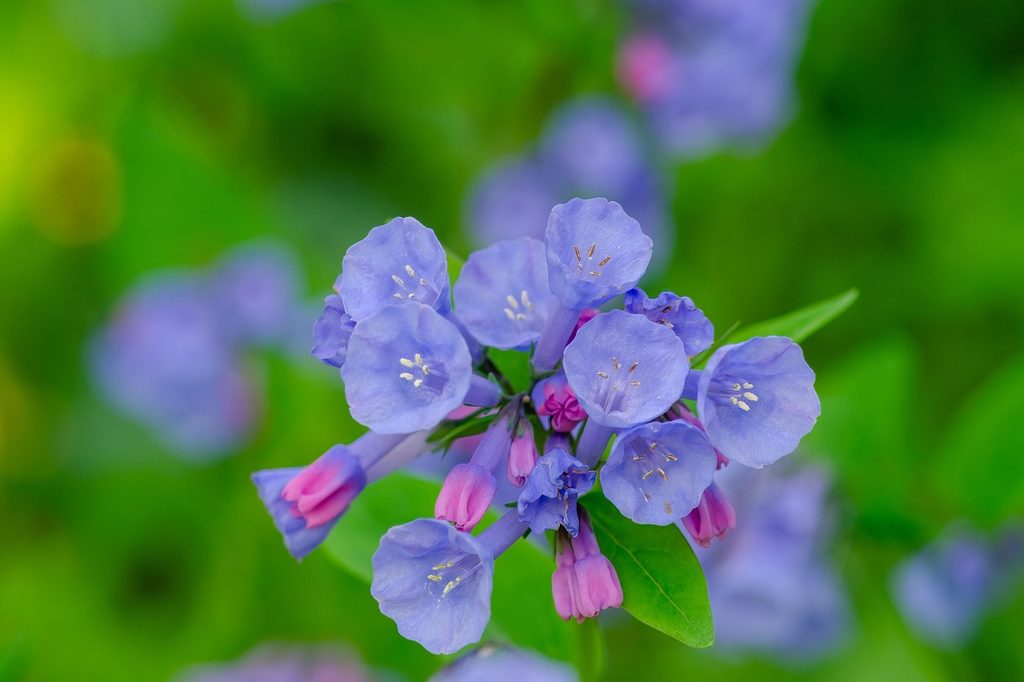
Virginia bluebells are not actually related to bluebells, but they do look similar. With trumpet-shaped flowers in a lovely shade of blue that typically begin blooming in early to mid-March, Virginia bluebells are perfect for gardeners with a native wildflower garden. Virginia bluebells can be found across most of the eastern U.S. and parts of Canada, especially in forests and along rivers. Although the flowers are small, they are prolific bloomers and can spread to create a carpet of lovely blue flowers over time.
These early spring flowers are a fantastic way to welcome the season and bring some life back to your garden while the rest of your plants are still waking up. Whether you want a few potted plants for your front porch or plan on filling your garden with spring blossoms, one of these seven flowers is sure to be the perfect fit for you.