Trees have a lot to offer your garden. Whether you prefer looking at their beautiful flowers, eating their fruit, relaxing in their shade, or climbing their branches, trees can make a great addition to your home garden. They offer all the same benefits to your local wildlife as well, attracting birds, squirrels, deer, and other forest friends to your yard!
There are tons of great trees to choose from, but if you’re having trouble picking one, then this is the guide for you. Here are some of our favorite trees for home gardens to help you get started.
Magnolia tree
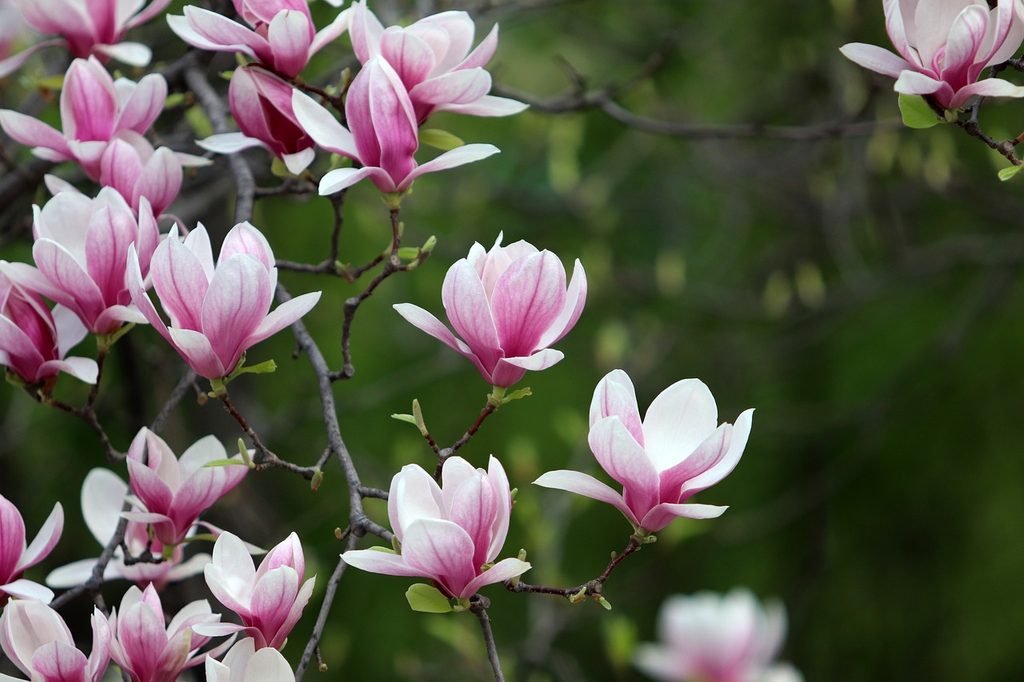
Magnolia trees are known for their stunning flowers and glossy leaves, and their large branches and long lifespans make them perfect additions to a family home. While not all magnolia species are native, several are. Native magnolia trees are hardy and can even withstand harsh weather once they’re established. Plus, Eastern tiger swallowtail butterflies lay their eggs on sweetbay magnolias, so planting one can grant you a garden full of butterflies.
There are some downsides to planting magnolia trees. They need quite a bit of space to grow, and their wide-reaching roots can sometimes damage structures if they are too close. They are also quite messy, as both the leaves and flowers can drop off and gather underneath the tree. This is part of the natural cycle, but if you prefer a tidy yard, then this may not be the tree for you.
Dogwood tree
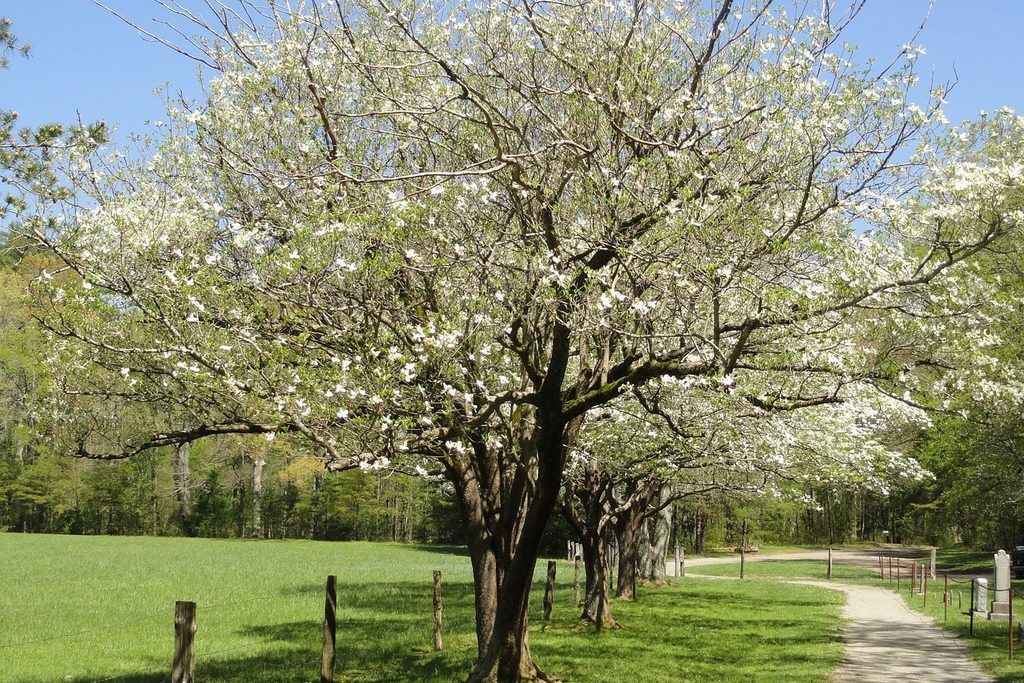
Dogwood trees are another lovely native tree known for their flowers, which can be either pink or white. In fall, they produce tiny bright red berries that are popular with birds, making this a great choice for gardeners who love birdwatching or who want to support their local ecosystem.
Flowering dogwoods are also on the smaller side for trees, typically growing to around 25 feet tall, although they can grow taller if they have the space. As an understory tree, dogwoods are also better suited to growing in the shade than other trees. They still need some sun if you want them to bloom, though.
Cherry tree
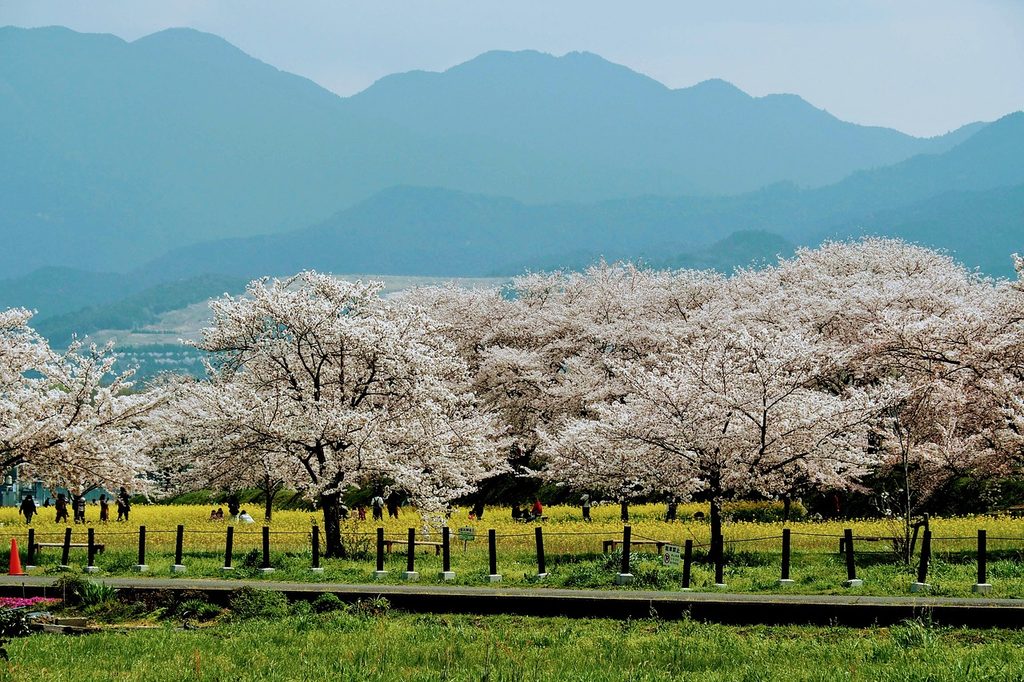
There are several types of cherry trees that are popularly grown, both for their gorgeous abundance of flowers and their delicious fruit. While you might think of sakura or Japanese cherry trees (Prunus serrulata), there are also native cherry trees that will fit perfectly in your home garden.
Black cherry trees (Prunus serotina) are among the most common native cherry trees, with soft white flowers and bittersweet black fruits. American plum (Prunus americana) is more palatable, but has the same lovely white flowers as its cousin. If you aren’t interested in eating the fruit yourself, then a chokecherry tree (Prunus virginiana) is a great choice as well.
Crabapple tree
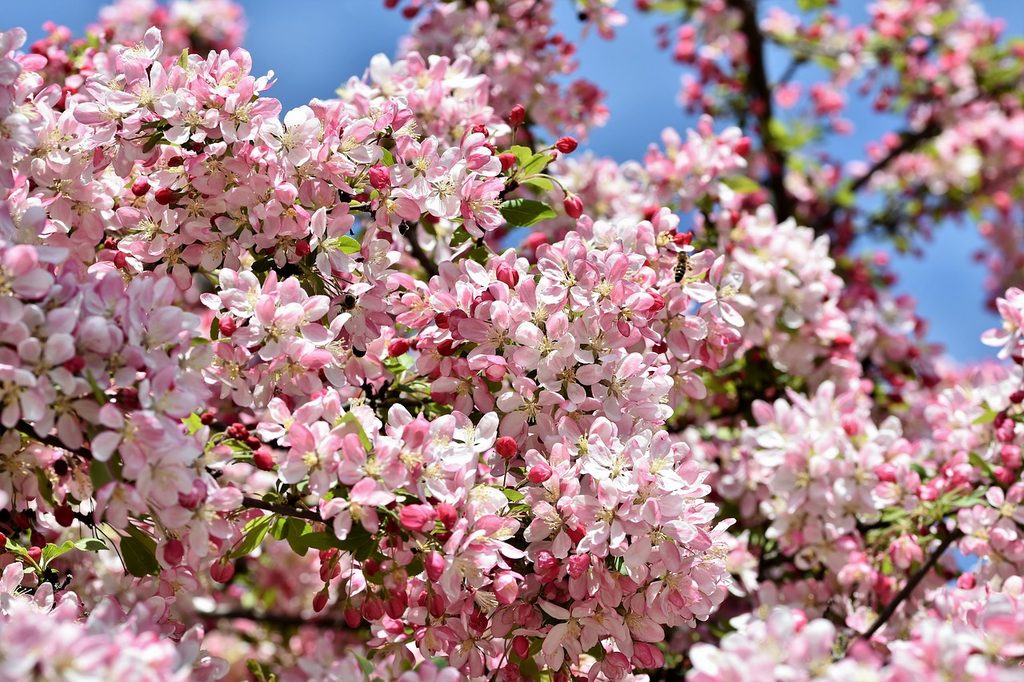
Southern crabapple trees (Malus angustifolia) are found throughout the southern half of the East Coast. They’re easy to identify in spring, as they are filled with a truly massive amount of pink flowers. The flowers are great for attracting pollinators, especially native bee species, and they look gorgeous on the tree and as part of a cut flower display.
After the flowers, come the crabapple fruits, which are small, hard, and sour. Despite their texture and flavor, they are edible and are often sweetened and used in jam, jelly, or other preserves. They are also extremely popular with deer. Typically growing to between 25 and 30 feet tall with a wide canopy, crabapple trees are excellent small shade trees.
Maple tree
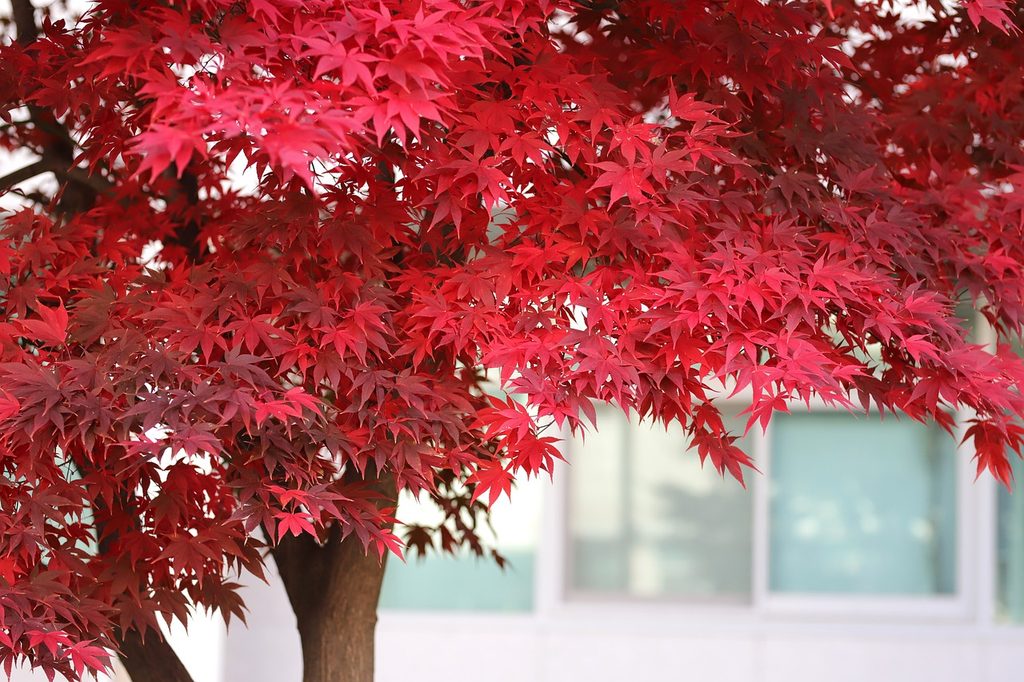
Maple trees are fantastic trees for home gardens, and there are many types you can grow. Japanese maples are among the most popular, due to their smaller size and gorgeous deep red foliage. Sugar maples, which are commonly used to make maple syrup, are another popular choice, as are silver maples and red maples.
During spring and summer, maple trees are great for providing shade, and they’re a good choice if you want to build a treehouse or add a swing to your yard. In fall, their brilliant foliage provides a stunning pop of color and plenty of leaves to jump in.
Redbud tree
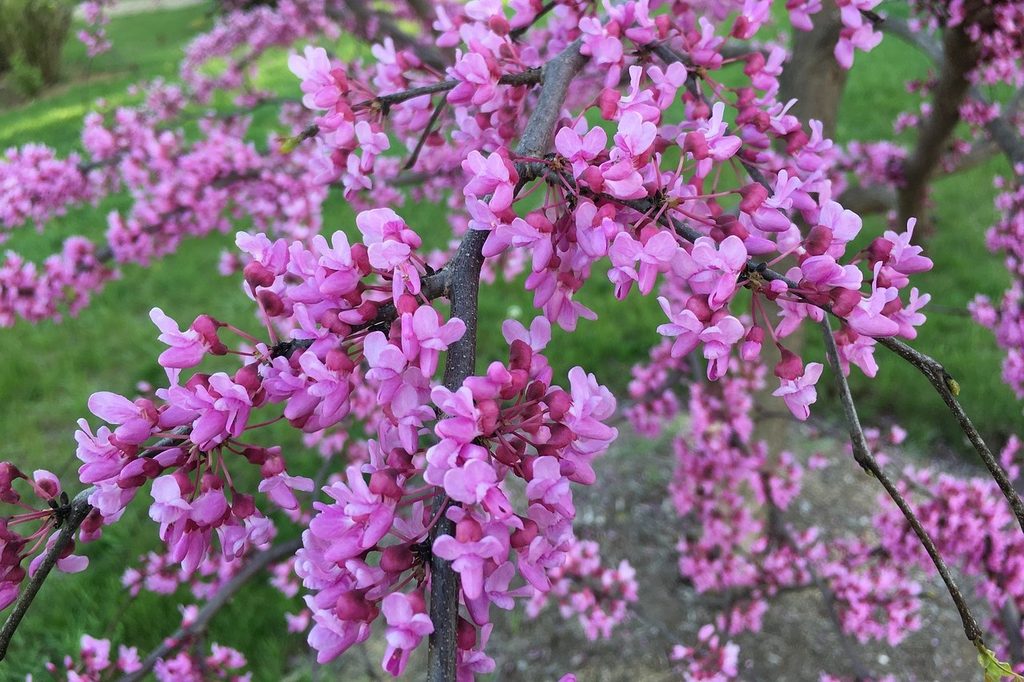
If you’re low on space but still want to grow a tree, eastern redbuds (Cercis canadensis) are one of the best trees to choose. These trees stay fairly small, typically only growing to between 10 and 20 feet tall, and their size is easy to maintain through pruning.
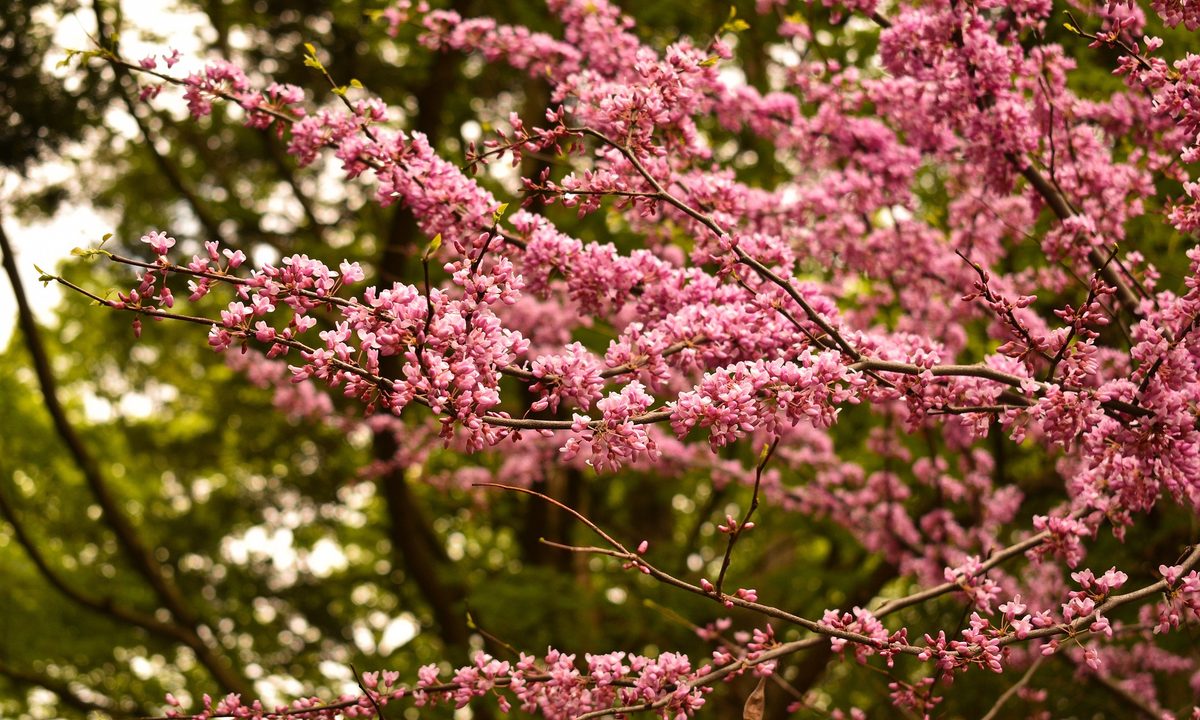
While they may be small, they still provide an outrageous number of flowers in early spring. These flowers can appear red, bright pink, or even slightly purple, and they often appear before the tree has even put out new leaves. Redbuds are also quite adaptable, growing in a range of conditions and soil types.
These six trees may not be the only choices, but they’re a great place to start. With native options, stunning flowers, and even a few with edible fruits, one of these trees is sure to be a great fit for your home garden. So why not pick your favorite and start planting? With beauty and benefits lasting for years, these trees for home gardens are sure to please.