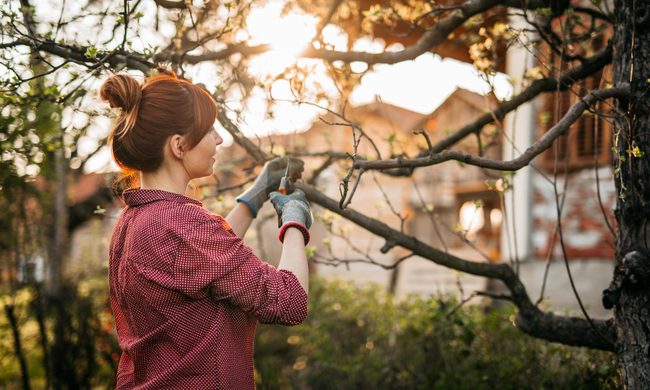
Planting trees in your yard or garden is a great way to add shade, enjoy flowers and fruit, and even attract birds. Some trees are more trouble than they’re worth. According to several states, one such tree is the Callery pear tree, including the incredibly popular variety Bradford pear tree. Wondering why these trees are getting the ax? We’ve got the answers for you!
What is a Callery pear tree?
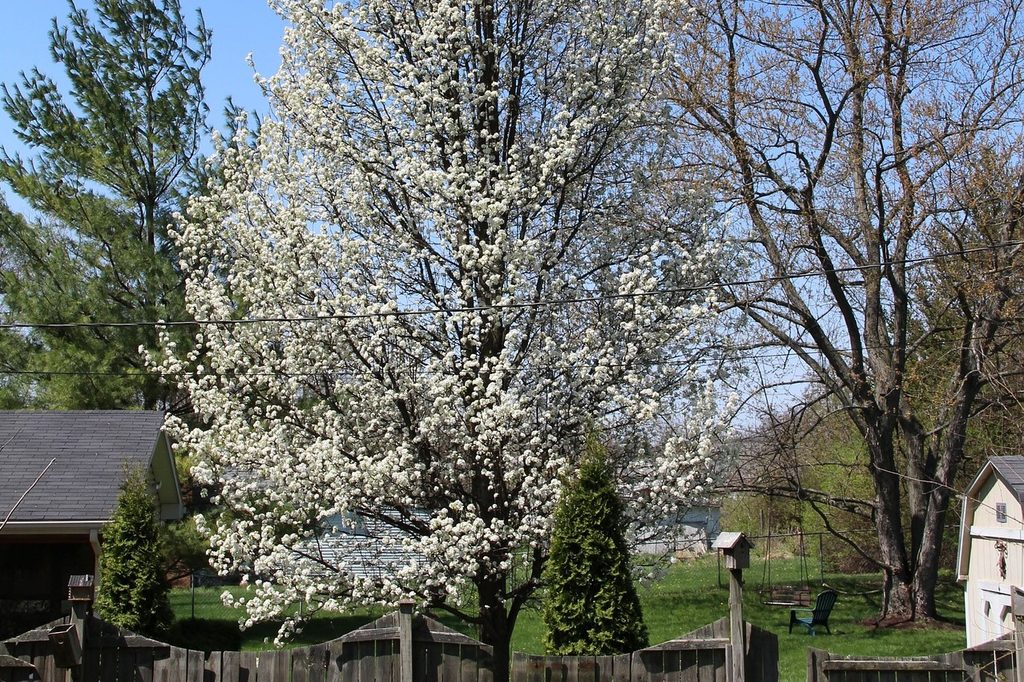
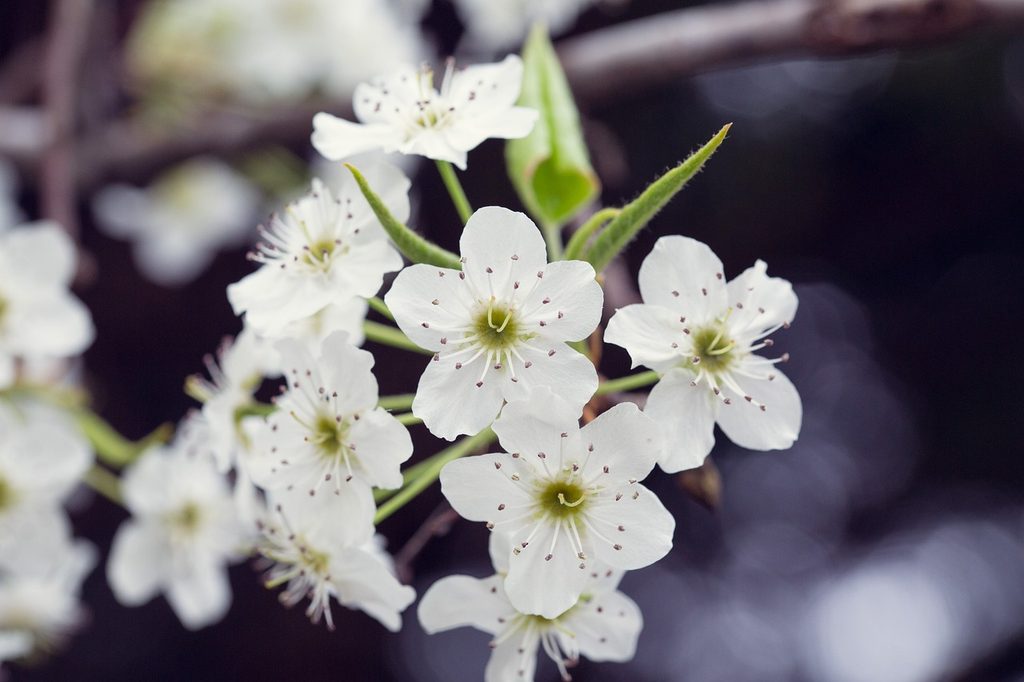
The Callery pear is an ornamental pear tree native to China and popular in cities across the U.S. These decorative trees have beautiful white flowers in the spring, dark green leaves in the summer, and vibrant red leaves in the fall. The Bradford pear tree is much more enjoyable at a distance than close up, due to the strong, somewhat fishy smell its flowers produce.
They became popular in the U.S. because of their quick and easy growth. Callery pears could grow in yards or gardens, but would thrive just as well along sidewalks or parking lots. The first variety grown in the U.S. was the Bradford pear tree, and it was created through grafting and cloning. Since Callery pears cannot self-pollinate, the Bradford pear tree wasn’t able to grow fruit. City planners and landscapers loved this feature, since it meant they didn’t need to worry about cleaning rotting fruit off the streets and sidewalks.

Why are they banned?
As more varieties of Callery pear were created or brought over from China, the trees were able to cross-pollinate and grow fruit. Birds loved the fruit, and they began to spread the seeds. After a few years, people started to notice new Callery pear trees sprouting in and around cities. From there, they spread farther into forests and natural areas. Callery pears began to outcompete native tree species.
Today, the trees are considered highly invasive. Due to how quickly and easily they grow and their popularity with birds, the Bradford pear spread uncontrollably. This prevents native plants from flourishing, which impacts the ecosystem at every level.
What should you do if you have a Bradford pear tree?
The ban doesn’t impact trees that are already growing, so if you already have a Bradford pear tree, you don’t need to do anything. The ban prevents people from buying or selling new trees. If you were planning on adding an ornamental pear tree to your yard, then you’ll need to find an alternative, such as a dogwood tree.
Some states are offering benefits for homeowners who remove their Bradford pear tree. North Carolina, for example, is hosting several events across the state this year where homeowners can receive a native tree to replace their Bradford pears, provided they bring proof they’ve already cut down the Bradford pear.
Whether you choose to remove Callery pear trees from your yard or leave them standing, it will soon be illegal to buy or sell them. Starting in Ohio this year and spreading across the U.S., you’ll begin to see fewer and fewer of these once-popular trees in nurseries and garden centers.