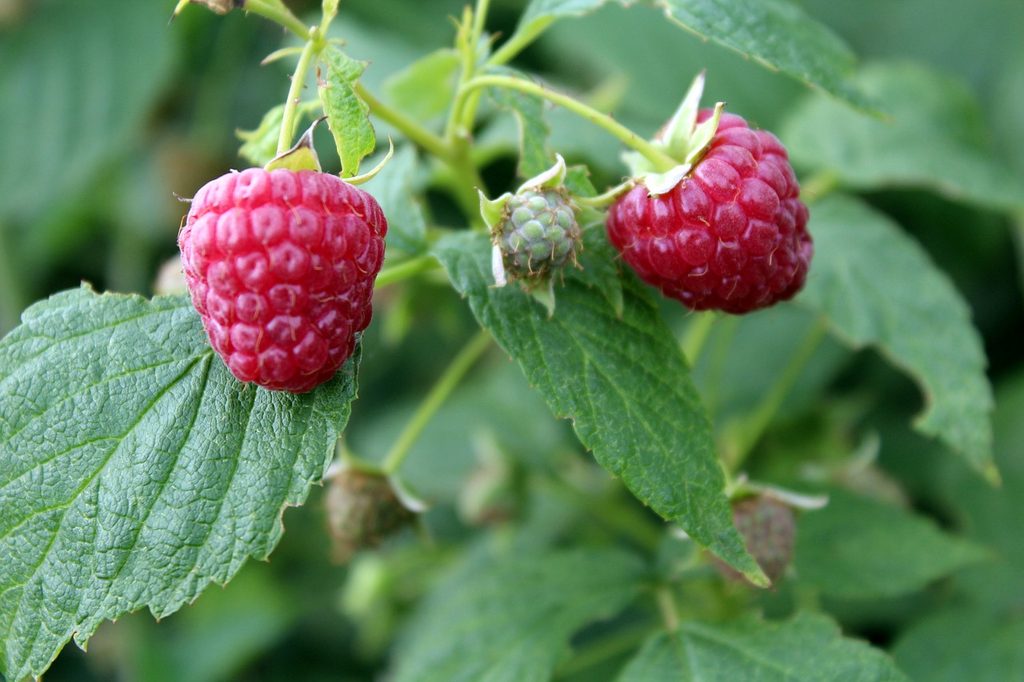
Like many plants, raspberry bushes can benefit from their neighbors. When planning the space next to a raspberry bush in your garden, consider plants that bring in pollinators, repel pests, and add soil nutrients. Keep in mind the environment each plant prefers when planning your garden — a plant that loves water and a plant that prefers drought aren’t going to make good neighbors.
Spacing is important as well. Raspberry bushes need space to grow, but they will welcome companion plants, whether they’re flowers, evergreens, or other fruits and vegetables, as long as they aren’t too close. These six raspberry companion plants are our recommendations to you!
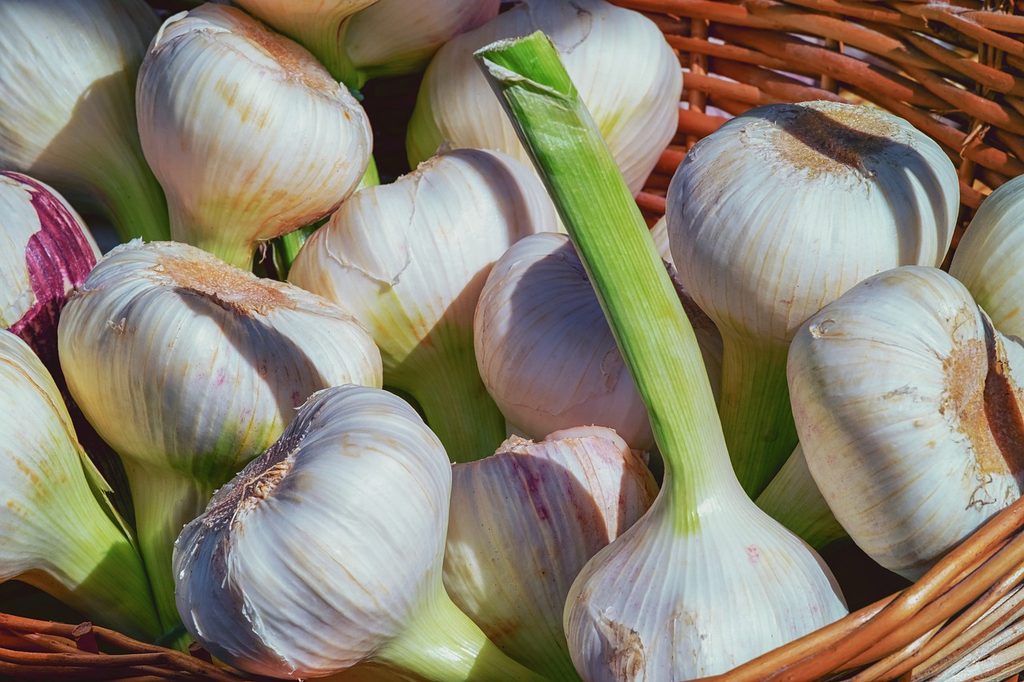
1. Alliums
Plants in the allium family, such as garlic, leeks, chives, and onions, are some of the best companion plants for raspberries. They repel insects, such as Japanese beetles, because of their pungent odor. Their smell also deters larger pests like rabbits and deer. Additionally, alliums have fungicidal and antibacterial properties that can prevent plant diseases, such as verticillium wilt. You can plant alliums like garlic in the fall to harvest during summertime.
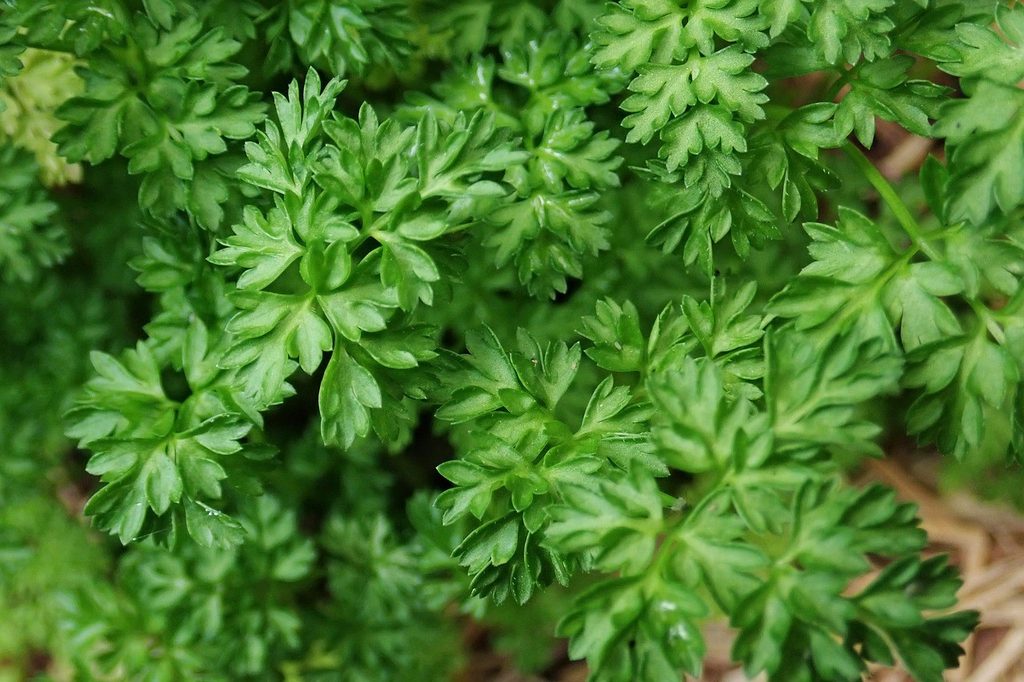
2. Chervil
Keep ants, Japanese beetles, and squash bugs away from your raspberries’ fruit canes by planting them next to chervil, or French parsley. This herb also helps attract pollinators, which in turn, helps your raspberry bush yield more fruit. If big enough, your raspberry bush can also provide chervil with partial shade during the hot summer months. Other flowering herbs that pair well with raspberries include rue and tansy, which also inhibit Japanese beetles. Whichever herb you choose, most are easy to start around early spring — or whenever the ground isn’t frozen solid.
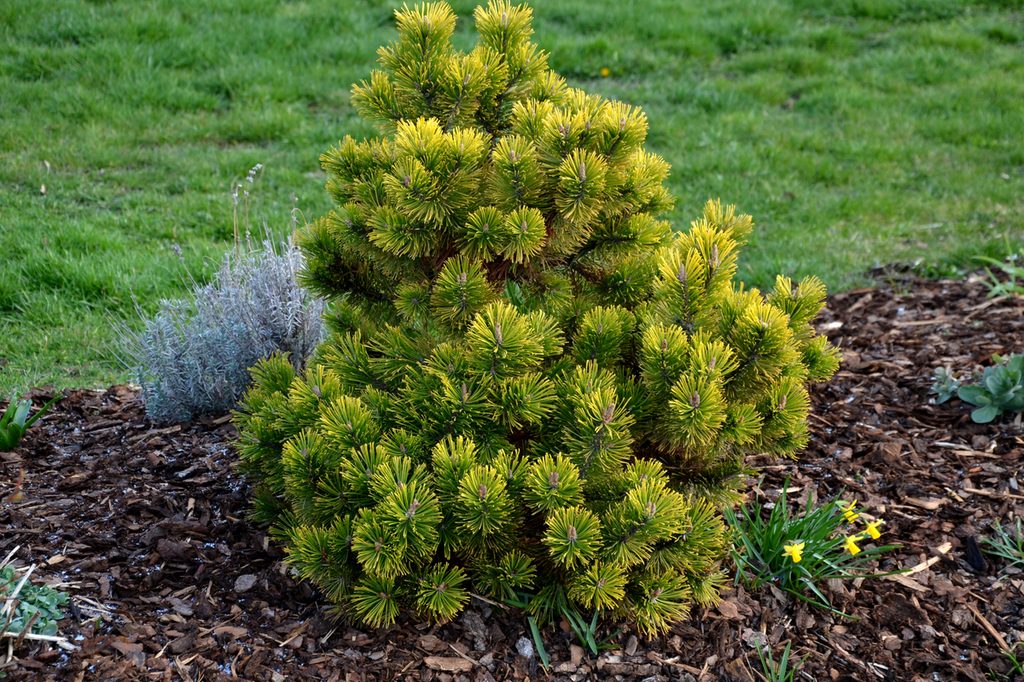
3. Pine trees
Evergreens, such as pine trees, shed needles, which break down to add nutrients to your growing medium and increase soil acidity. Pine needles make excellent mulch for raspberry bushes, although you might want to supplement them with bark or coarse wood chips. Raspberries, in particular, also do well with a pH of 5.5 to 6.5, so they appreciate pine straw for extra acidity. Plant your tree so your raspberries get partial shade, but not full shade. Raspberry bushes need sun to produce a high fruit yield, so full shade isn’t an ideal location for them.
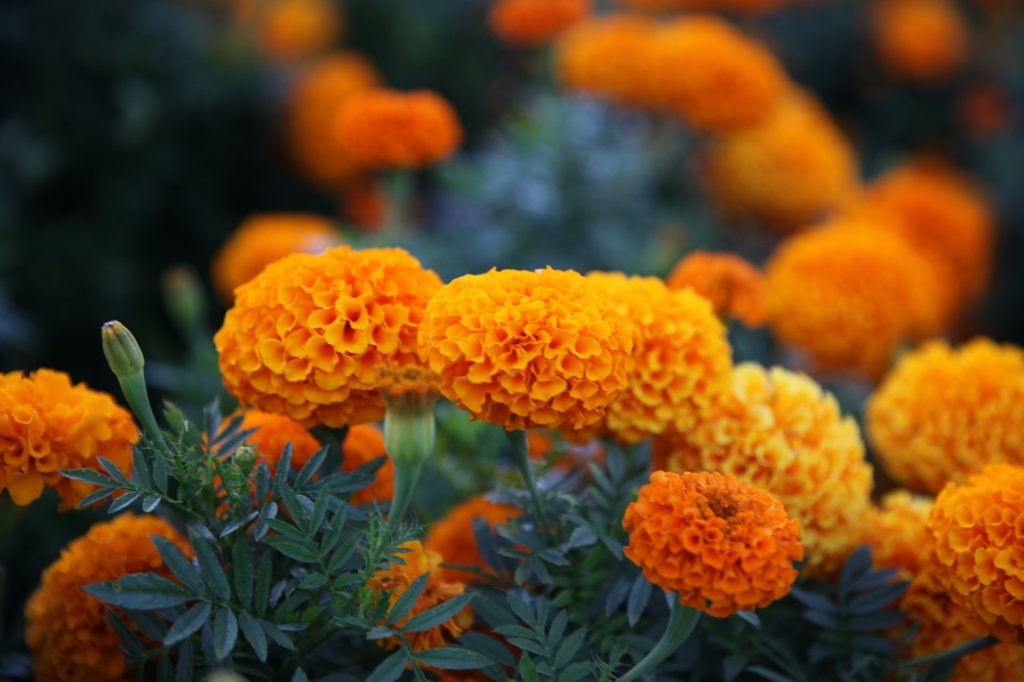
4. Marigolds
Not only are they bright and cheerful, but marigolds also make for wonderful raspberry companion plants — really, they make for great companion plants in general. As flowers, they naturally attract pollinators that help raspberry fruit develop. They also keep out invasive pests, such as eelworms and nematodes. Plant marigolds in warm soil after the last frost, which is just about the time when you’ll want to plant your raspberry canes.
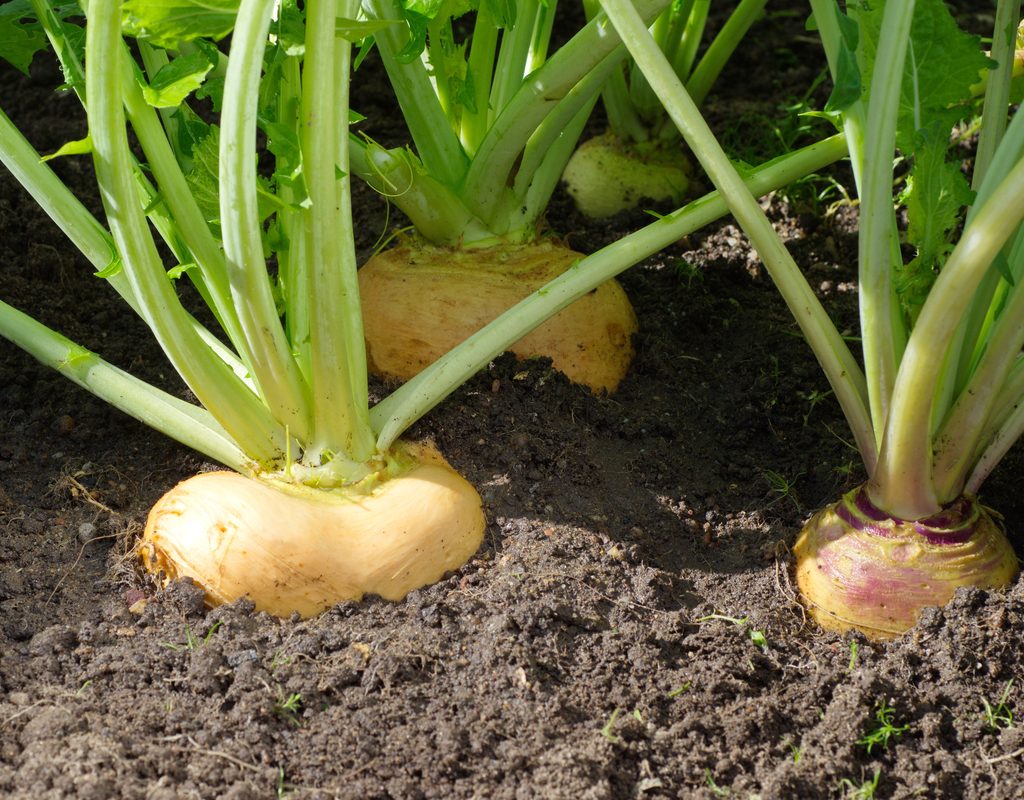
5. Turnips
Turnips prevent harlequin bugs from wreaking havoc on your raspberry plants. Harlequin bugs are a type of stink bug that usually attacks members of the brassicas family (think cabbage, broccoli, and cauliflower), but they also occasionally target raspberries. Like raspberry bushes, turnips enjoy full sun and thorough, consistent watering, so they have similar care requirements. You can sow turnip seeds directly into your garden during early spring or fall.
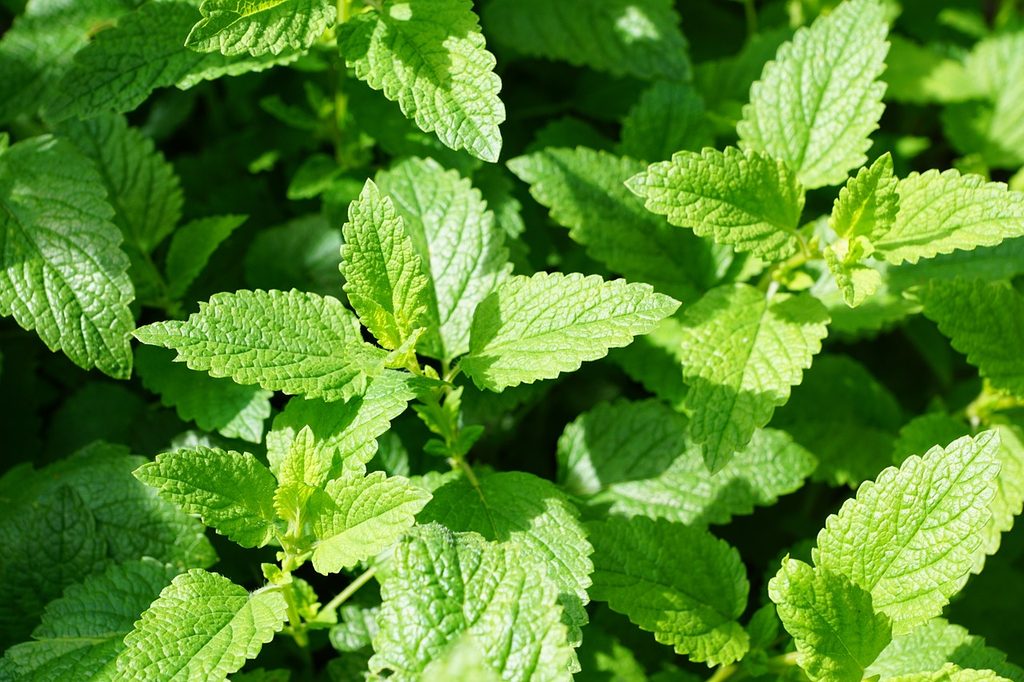
6. Mint
Mint is interesting as far as companion plants for raspberries go, as it offers both benefits and potential drawbacks. Mint has natural pest-repellent properties and can protect your raspberry plant from flies and aphids. The strong smell of mint can also mask the smell of raspberry plants from pests that aren’t insects, such as deer and rabbits.
However, mint is a vigorous grower. It will spread out of the bounds of its own plot and encroach on the space of other plants. This can lead to overcrowding and potentially weaker plants, as the mint takes water and nutrients your raspberry plant needs. One solution is to grow your mint in containers, but place the containers around your garden. This gives your other plants the benefits of mint while protecting them from its downsides.
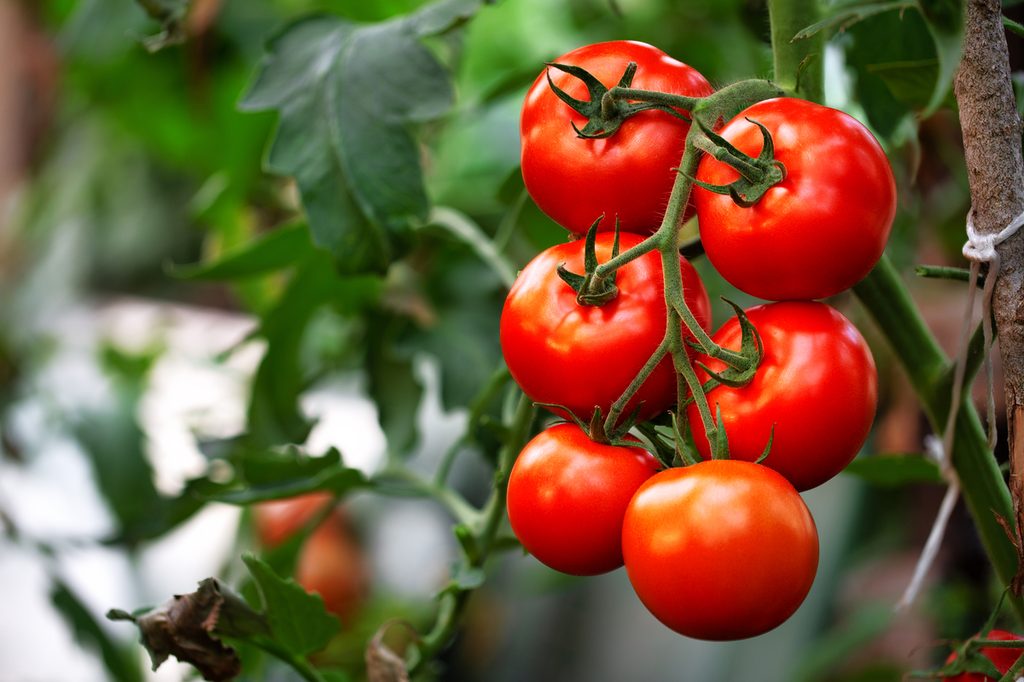
What can you not plant next to raspberries?
Mainly requiring bright light and ample watering, raspberry bushes are relatively low maintenance and easy to grow. That said, there are a few plants, namely nightshades, that you’ll want to steer clear of your raspberry bushes.
- Tomatoes: You shouldn’t grow tomatoes next to raspberries because they attract fungal diseases, such as blight and verticillium wilt.
- Potatoes: Potatoes also make poor companions for raspberry bushes because they attract blight that can spread to raspberries.
- Peppers and chilies: Peppers and chilies can be susceptible to fungal diseases that may spread to raspberries. If you plant peppers, keep them in a separate container or patch.
- Berries: You might also want to avoid planting raspberries next to other berries, such as boysenberries and blackberries, which could quickly spread fungal diseases. If you plant berry bushes near each other, be very diligent about pruning to increase airflow and prevent disease transfer.
Raspberry bushes can make for beautiful additions to your garden, and you don’t have to keep them all by themselves. Find the perfect neighbors in alliums, marigolds, pine trees, and other plants — these raspberry companion plants can repel unwanted insects and prevent diseases while attracting pollinators and enriching the soil. Soon, harvest an abundance of juicy raspberries without a side of pest damage.