Composting is a process in which you’re recycling organic materials, such as food scraps from your kitchen or your yard waste, like grass clippings and leaves. When you add these materials to your soil, it improves the health of your soil. It also saves the landfills and the air by not taking up unnecessary space in the landfills and cutting down on greenhouse gases. So how long does it take to make compost? Read ahead to learn more about composting and how long it takes for your compost efforts to turn into usable soil for your garden and plants.
The difference between soil and compost
Soil is more than just “dirt,” it’s the foundation of the garden. Soil contains minerals, organic matter, living organisms, water, and air. These elements come together naturally, interacting slowly and constantly over time. Soil acts as an anchor that holds plants in place. It’s a reservoir of nutrients and moisture that nourishes plants. Healthy soil is home to countless microfauna, such as insects, bacteria, fungi, and others that create a living, self-perpetuating ecosystem on which the garden depends.
One of the many benefits of some soil-dwelling organisms, especially bacteria and fungi, is their ability to recycle dead organic matter through the decay process. Gardeners harness this power when they make compost. Compost is not soil because it lacks a parent source of mineral content. It is best described as a soil amendment that is used to improve porosity, water-holding capacity, biodiversity, and nutrient content of the soil. It is also used to make “soilless” growing mixes, such as potting soil.
Why compost?
Following nature’s example, by simply creating a pile of vegetable scraps, weeds, fallen leaves, grass clippings, and other debris, gardeners invite microbes to colonize and convert waste into stable, fully decomposed humus, also called compost.
However, composting differs from the natural soil-building process in that the gardener can control the raw ingredients, as well as conditions, such as aeration, moisture level, and temperature, to quickly and efficiently convert large quantities of vegetative waste into compost. The more precisely the contents and conditions are managed, the faster the material is converted.
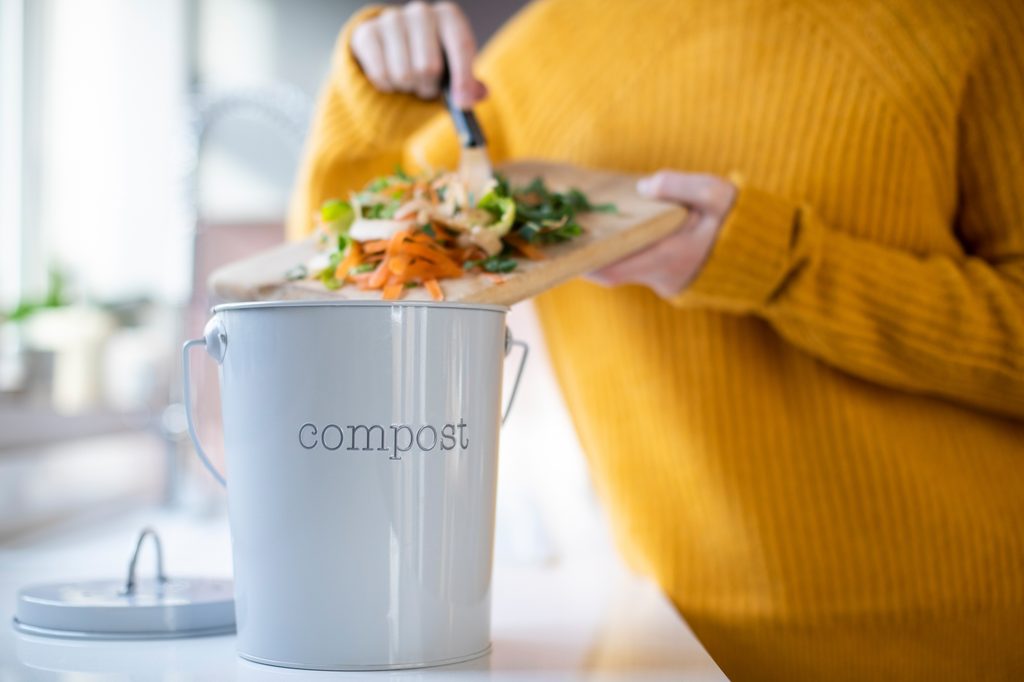
How to make compost
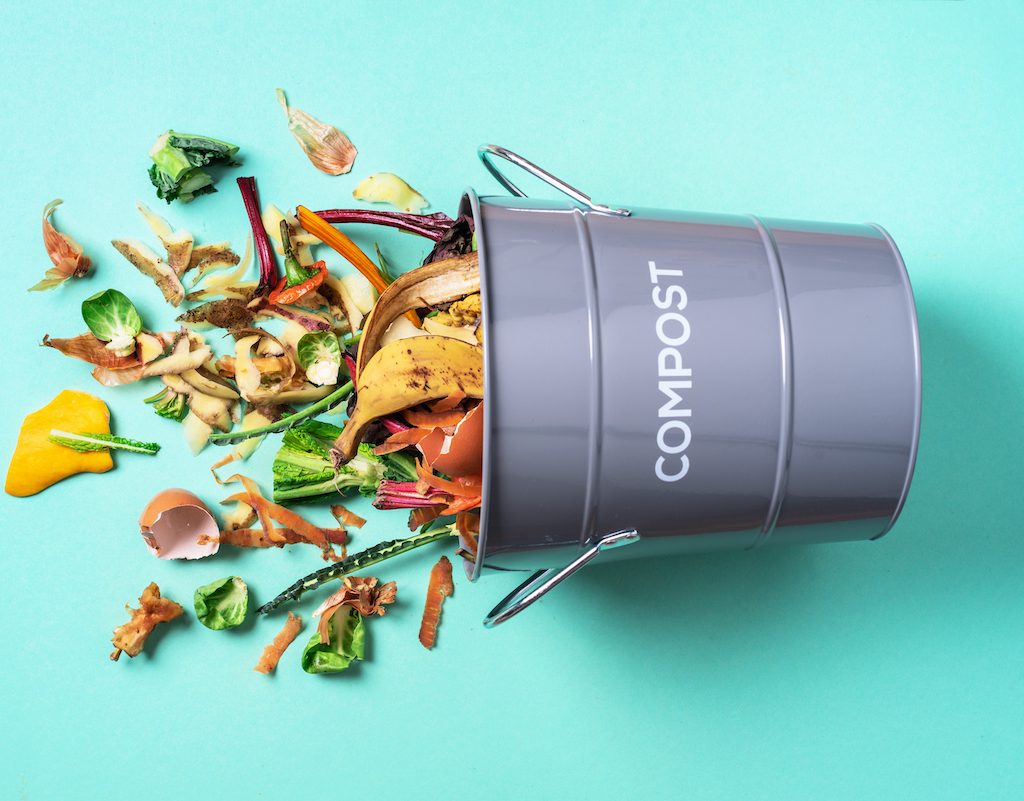
The major elements that fuel the composting process are the nitrogen and carbon that make up the material in the mix. Waste ingredients with high levels of nitrogen include green, leafy material, like grass clippings, weeds, vegetable scraps, and coffee grounds.
High-carbon materials include autumn leaves, straw, shredded paper or cardboard, eggshells, wood chips, and sawdust. These materials become a habitat for billions of composting microbes. Carbon provides the energy source and primary building blocks of cell walls, while nitrogen offers proteins and enzymes that allow the microbes to grow and function properly.
An ideal starting ratio of 30 parts carbon to one part nitrogen in the mix leads to rapid colonization by the bacteria and fungi that do the work. The pile heats quickly as the material is consumed. The heat generated by microbial breakdown of the material is capable of killing plant diseases and insect pests, and sterilizing weed seeds, but only if it is sustained. For sustained heat, the pile must include adequate oxygen and moisture that the microbes need to survive.
Oxygen saturation, or aeration, is related to particle size. The starting ingredients should be no larger than 2 inches along the largest dimension. This provides ample surface area for microbes to colonize, as well as good air circulation. As the material breaks down, it becomes compacted. For fast processing, it’s important to turn the pile weekly to maintain aeration.
The best way to gauge moisture is by feel. The compost should have the feel of a lightly wrung-out sponge throughout the process. It may be necessary to water the compost at the beginning or when aerating.
How long does it take to make compost?
Commercial facilities process a batch of finished compost in three to six months. Intensive composting requires a steady supply of the proper blend of materials and the ability to aerate the material often. Given an ideal 30-to-1 ratio of carbon to nitrogen, consistent aeration, and adequate moisture, it’s possible to make a batch of ready-to-use compost at home in as little as one or two months.
Compost piles should be between 3 and 5 feet tall, wide, and long. Piles this size efficiently build internal heat for the best results. Gardeners with less debris should consider using an enclosed composting system, such as a compost tumbler, so it can process a smaller volume of material more thoroughly.
How often to turn compost
Using a thermometer to check the internal temperature of the compost is an excellent way to determine the right time to turn it. High temperatures indicate that biological activity is high and oxygen is depleting. When the internal temperature reaches 140 degrees Fahrenheit., it’s hot enough to kill off plant diseases, insect pests, and weed seeds.
However, if the temperature goes much higher than 160, it begins to kill beneficial microbes. Using this method, monitor the temperature daily and turn the compost when it reaches 160 degrees Fahrenheit, or when the temperature starts to decrease.
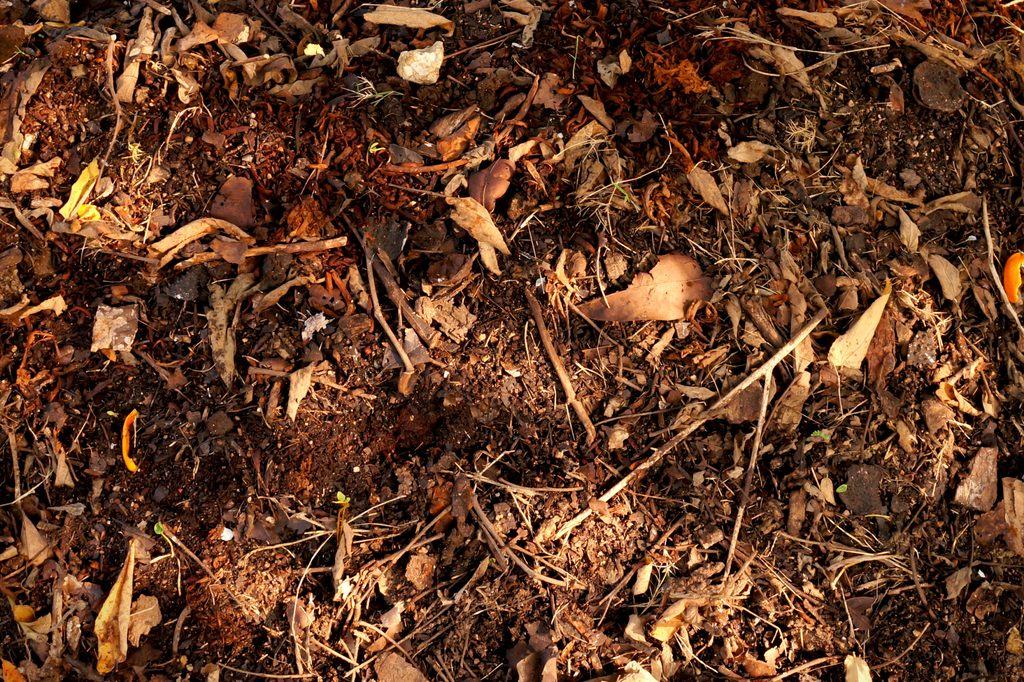
Without a thermometer, wait 10 to 14 days before turning a new pile, and then turn it every seven to ten days. If using a compost tumbler, turn it two or three times per week. Compost is ready to use when the material appears as dark brown, crumbly earth with a sweet, earthy scent. Also, the volume is about half its original size, and it no longer builds heat.
Now, you have the info you need to make your own compost at home in one to two months. In no time, you’ll have healthy soil, which means a happily sprouting garden full of plants and flowers!