Composting, much like gardening, is something we usually think of in the spring and summer, when the weather is warm and things are growing. The year isn’t made of just two seasons, though! So what happens when the weather turns colder? Is it possible to compost through winter? Here is everything you need to know about composting year-round!
When is the best time to start composting?
While you can start composting at any time of year, you’ll have the easiest time starting when the weather is warm, so spring in the Northern Hemisphere and fall in the Southern Hemisphere. There are a few reasons for this, but arguably the most important reason is that decomposition is faster in warmer, wetter weather.
Faster decomposition means that it’s easier to jump-start your compost bin. Starting when it’s warm means that you’ll be able to make a greater volume of compost more quickly. It also means you’ll have compost to spread on your garden when the weather cools off, to insulate your garden and keep it nourished through the frost.
It’s also easier to start composting when it’s warm because it’s typically more enjoyable to go outside then! You’ll need to set up your bin or pile, which, while it doesn’t have to be outside, usually is. Starting to compost takes more time and effort than the rest of the composting process, but beginning when it’s pleasantly warm out makes it a little better.
What does starting to compost look like in different seasons?
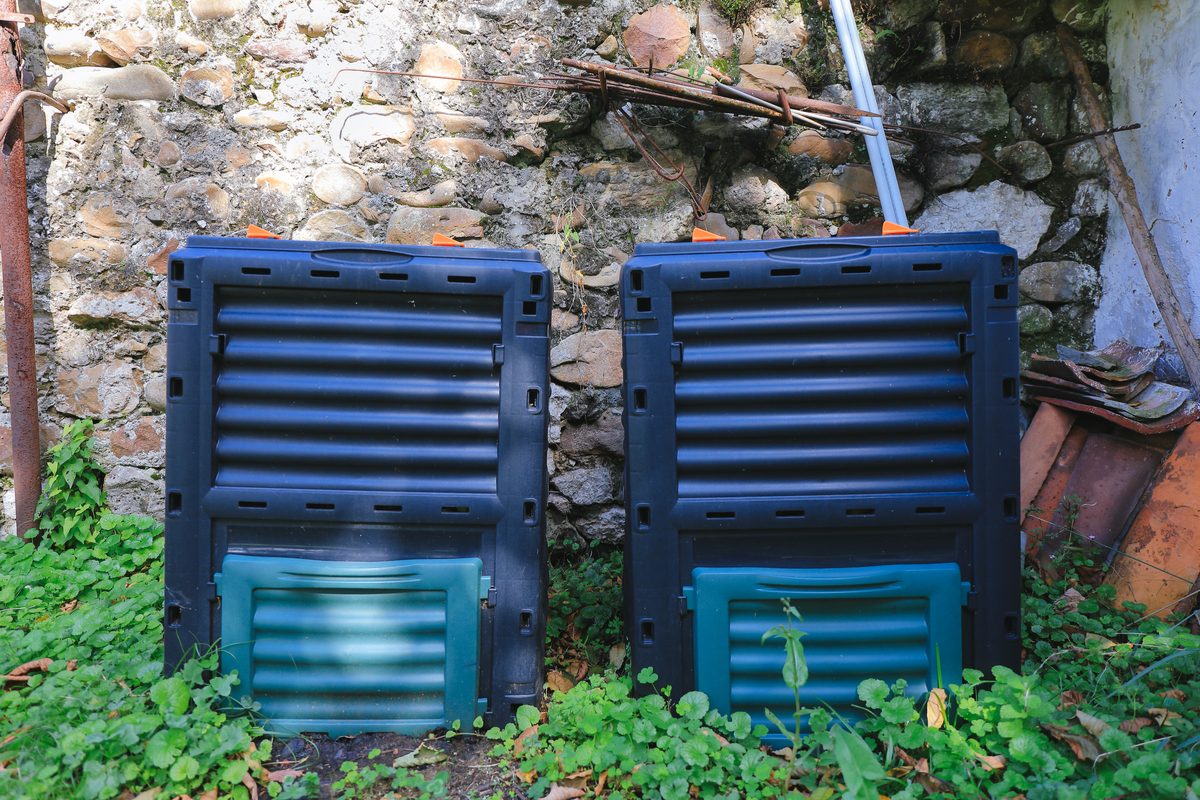
The basics for starting to compost are the same regardless of season. If you plan on using a bin, you’ll need to pick one and set it outside, and you’ll need compostable material to put in it. You can add anything organic that will break down relatively quickly, including vegetable scraps, grass clippings, meat, manure, leaves, straw, and newspaper.
One method of setting up a compost bin is to dig a small hole for your bin to sit in, especially if your bin is all walls and no bottom. This helps insulate the compost and allows worms to find your compost and help out! If you’re starting in the spring, then you should be fine, just be careful where you dig. If you’re starting in the winter, though, the ground may be too hard to dig.
Additionally, if you live somewhere with a windy winter, you’ll need some sort of windbreak around your bin. This can be as permanent or as temporary as you like! You can build a wall around part of your bin, or stack cinder blocks or sandbags to achieve roughly the same effect.
If you have a freestanding bin, you should secure it by tying it down, weighting it, or mounting it on the side of your house if you have the ability and resources. This helps prevent it from being knocked over by the wind or animals. A secure lid is also an excellent addition!
Another thing to consider is the location of your bin. During spring, having a bin farther away from your house may not be an issue, but when it gets cold it might be difficult to get to it. Placing your bin by your house makes it easier to get to and helps shelter it from the elements.
If you get a lot of rain or snow, be sure your bin is protected! Excess water isn’t good for compost, so put a lid or a tarp over it to keep it nice and dry.
How do the seasons impact composting?
Cold and dry weather slows decomposition down, while wet and hot weather speeds it up. This is why insulating your bin and protecting it from the wind is important, if you want your compost to be ready for spring planting.
The main impact the seasons have, though, is on maintenance. Compost needs a little bit of maintenance in any season, and most compost problems can be solved by adjusting the moisture levels and turning the compost with a garden fork or shovel.
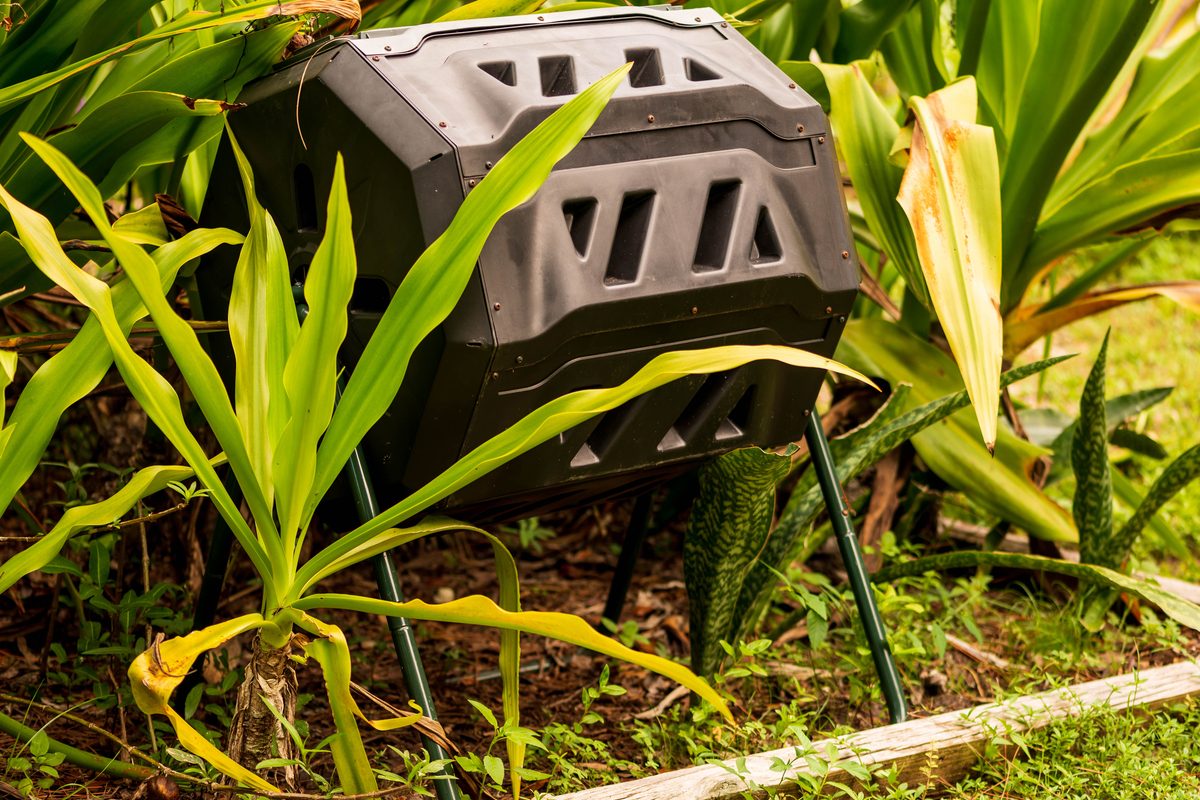
There are compost tumblers, which turn the compost for you. There are a variety of models on the market, most of which are sealed against water and somewhat insulated, making them excellent for winter composting. However, if ice forms on the outside, you need to carefully clean it off to avoid damage to the container.
How do I know when it’s the right time for me to start composting?
The right time for you is whenever you are prepared and want to start! Starting your compost in the winter is a bit harder than starting it during the spring, but it isn’t impossible. If you want to compost, then start composting.
Ultimately, yes, you can compost year-round, even through winter! You may need to make adjustments, and definitely consider your climate when choosing a time to start your compost. There’s no reason why you shouldn’t start composting, if it’s something that interests you!