Flowers are a beautiful, colorful way to decorate your home or yard. Whether you’re growing a garden full of blooms or just a single flower to spruce up a corner of your home, you’ll want your plants to bloom as often and for as long as possible. One technique you may have heard of is deadheading. What is deadheading, though, and how does it work? How do you know if your plants would benefit from it, and how can you deadhead your plants without hurting them? We’ll answer all your questions about deadheading here in this simple guide.
What is deadheading?

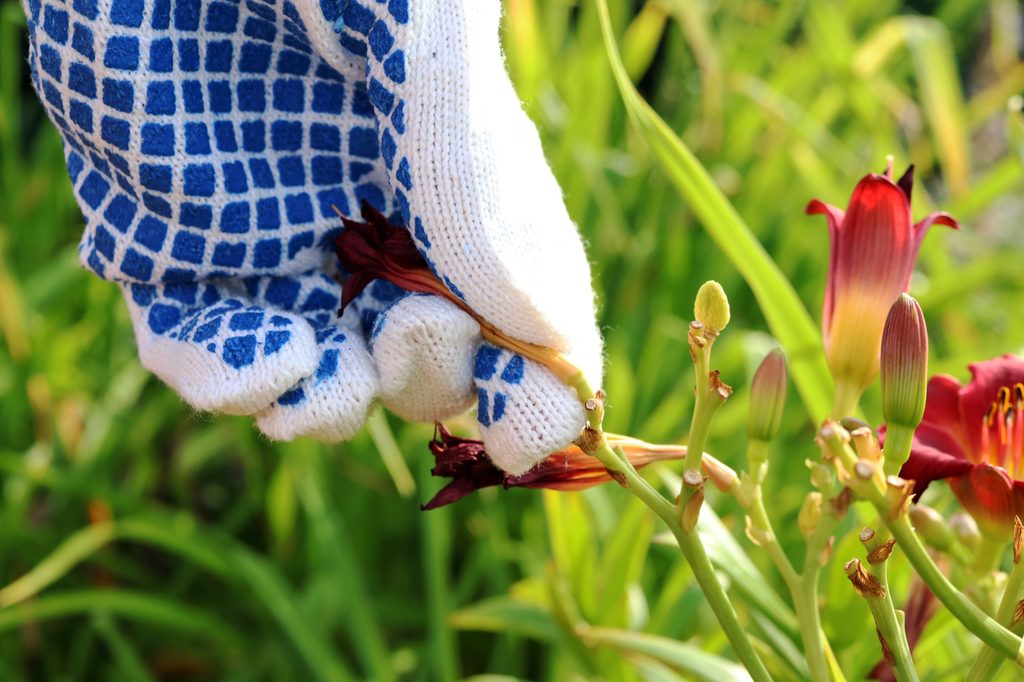
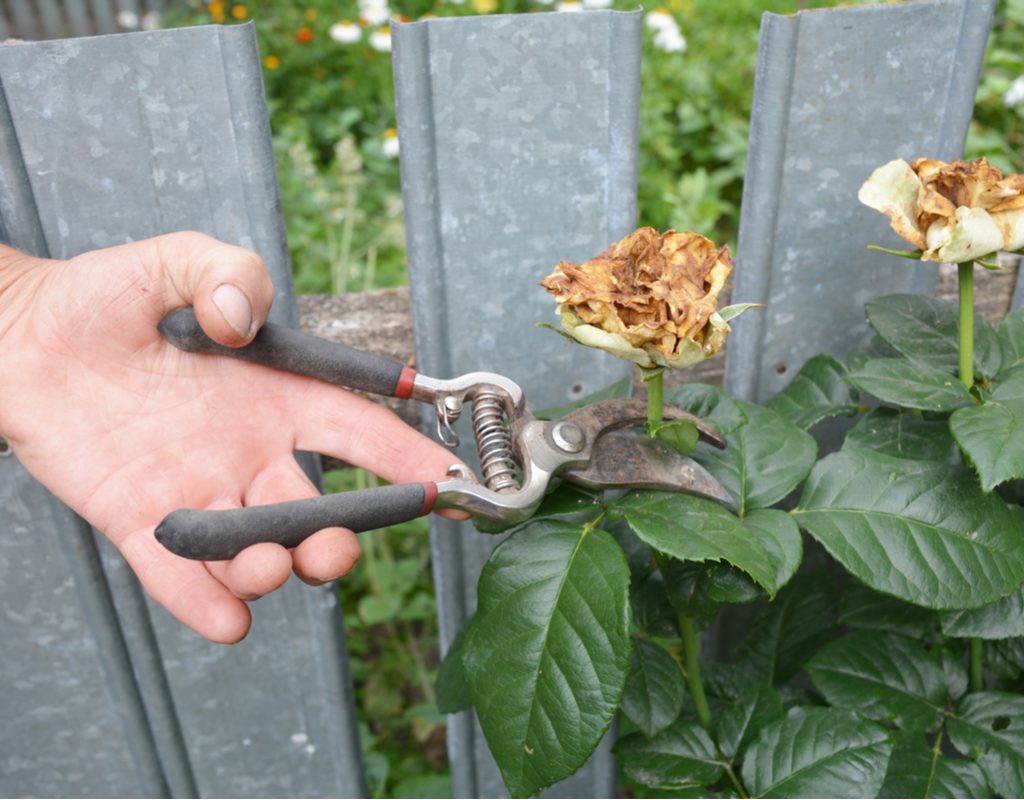
Deadheading is the act of removing dead flowers from the plant. This serves a couple of purposes. It improves the aesthetics of plants and the garden overall by getting rid of dead blooms. More importantly, however, it frees up energy for your plant to use. Plants will continue to devote energy to blooms that have died, since this is where seeds or fruit form.
Removing the spent blooms allows the plant to devote that energy to other things, such as stronger roots and healthier foliage. Many plants will even bloom additional flowers to replace the old ones after deadheading.
Which plants benefit from deadheading?
Any plant that has flowers and is being grown for decorative purposes can benefit from deadheading. Flowers that you’re growing for seeds or for fruit won’t benefit from deadheading, since deadheading prevents the seed pod or fruit from forming. Deadheading is easiest and most effective in plants that bloom a single flower per stem, but it can also be beneficial for plants that form flower spikes.
It can be more difficult to deadhead flower spikes, since there are multiple flowers per stem, and those flowers may die at different times. Deadhead those plants when the majority of the flowers on the flower spike are dead. This helps you save energy for your plant, but still allows you time to enjoy the plant’s beauty.
There are some plants that don’t need to be deadheaded, though. Aside from plants you’re cultivating for seeds or fruit, there are self-cleaning plants. Self-cleaning plants have flowers that naturally fall off on their own once they’re done blooming. You can deadhead them to keep your garden tidy, but they’ll take care of themselves.
Some common self-cleaning plants are:
- Lantana
- Begonias
- Lobelia
- Zinnia
- Petunias
When is the best time to deadhead?
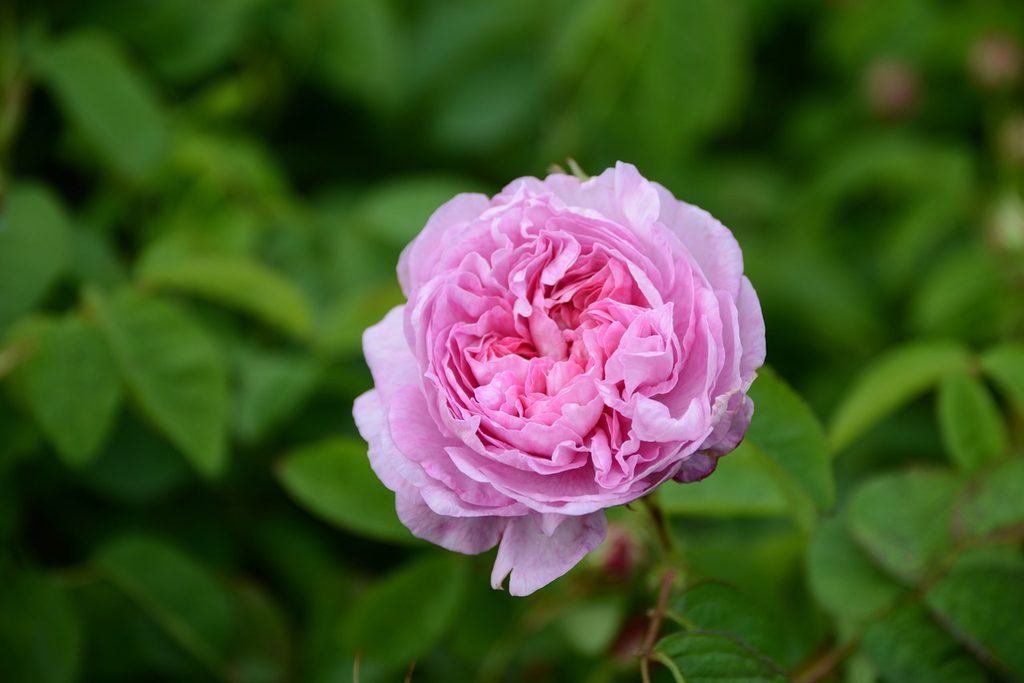
While you want to be strategic about when you prune foliage, you can basically deadhead flowers whenever their blooms start to wilt and wither. (Don’t, for example, deadhead buds that haven’t opened yet.) To encourage second blooms as soon as possible, you want to cut your flowers off just as they start looking wilted. How long blooms stay fresh on a stem can depend on not only flower type but also weather conditions — heat and rain, for example, might cause blooms to decline faster.
In any case, you want to keep up with deadheading throughout the growing season. You can start to relax on deadheading once the temperatures drop, as you’ll want to self-seeding flowers to go to seed for blooms the next growing season.
How to deadhead without hurting your plants
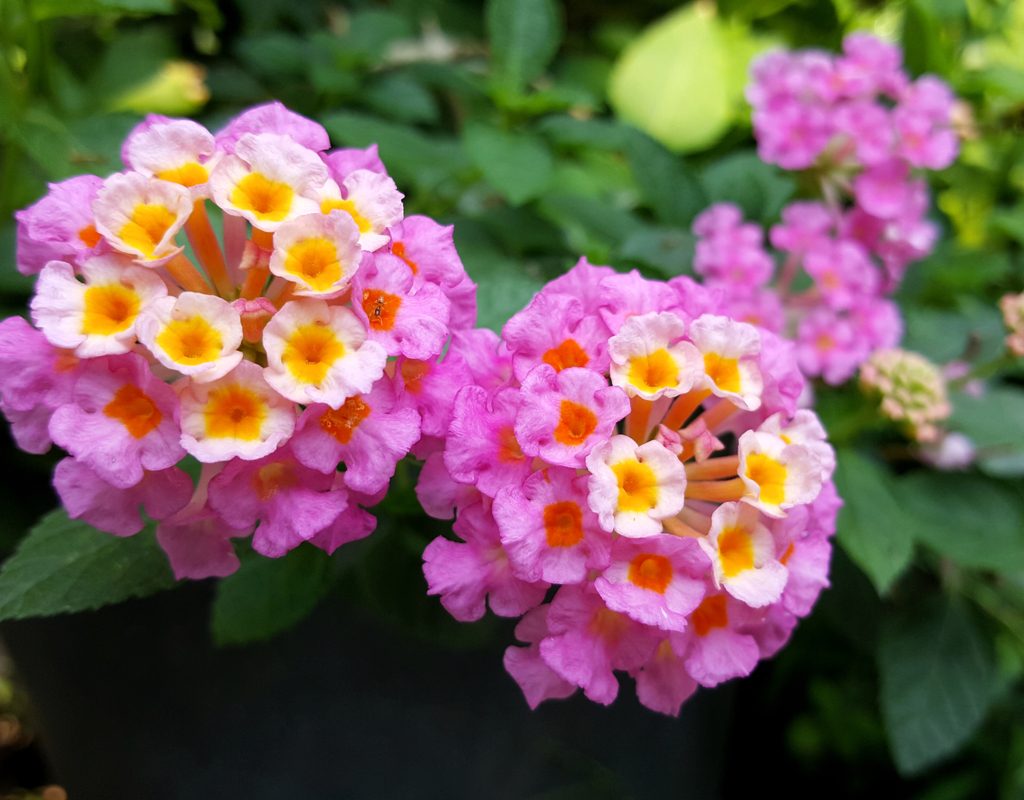
Deadheading is a simple process, and there are only a few ways you can go wrong with it. Still, it helps to know what to do and what not to do. Find the point on the stem between the flower and the first set of full leaves. That is where to pinch or cut the flower off. This leaves room for a new flower to grow, if one is going to grow, without damaging the plant.
Try to get as clean a break as possible by using sharp scissors to cut a dead bloom. Alternatively, you can also try pinching it off in one quick, strong motion. Tearing or crushing the stem causes stress to the plant. Although this isn’t an immediate death sentence, it does leave your plant slightly more vulnerable to diseases and pests. These small amounts of stress can build up if every stem is being subjected to it, so it’s important to get clean breaks when deadheading.
If there isn’t much room between the flower and the first set of leaves, cut closer to the flower than the leaves. This will decrease your odds of harming the leaves. Once again, damaging the first set of leaves isn’t the worst thing that can happen to your plant, but it does cause stress. Additionally, your plant may put energy towards repairing damaged leaves rather than growing new blooms.
Deadheading plants is an easy way to encourage your flowers to keep blooming. It isn’t strictly necessary for plant health, but it does provide some benefits to your plant and to you. Deadheading your plants keeps your garden looking fresh and colorful, and it prolongs the amount of time your garden is in full bloom. It’s simple and harmless, so go ahead and give it a try in your own flower garden.