If your grocery bill is rising or you find yourself running out of your favorite herbs at inconvenient times, then you aren’t alone. Growing your own herbs and food is a great way to supplement your groceries and ensure you always have some of your favorites in stock. However, there are many ways you can plan and plant an edible garden. If you’re feeling a little overwhelmed or unsure, then this is the guide for you. We’ll walk you through the steps so you can feel confident growing your own edible garden.
Decide what you want to plant

Edible gardens can contain fruits, vegetables, herbs, and even some flowers. Those are a lot of options, so it’s often easiest to start by listing out what you would like to be able to grow and narrow it down from there. List out your favorite fruits and vegetables, as well as the herbs that you use most often and anything you might be curious or excited to try.
Next, look up a companion planting chart or a few basic care facts about each plant. The most important things to know are how much sun and water they need, soil preferences, space requirements, planting time, and harvest time. You may find that some plants need more attention or space than you have available. After marking those off, you should have a list of plants you could possibly grow.
Organize the list based on planting time and consider how many plants you can grow at once. For example, if you have 15 plants that you need to plant in early spring, but you only have room to grow 10, then you’ll need to cross off some of the plants. You can set those plant ideas to the side to try growing next year. If you have plants that need to be planted later in the year, look at the harvest times for the earlier plants. If the planting time for the later plants is after the harvest time of the earlier plants, then there’s no conflict, and you can grow both!
Choose the right location or containers
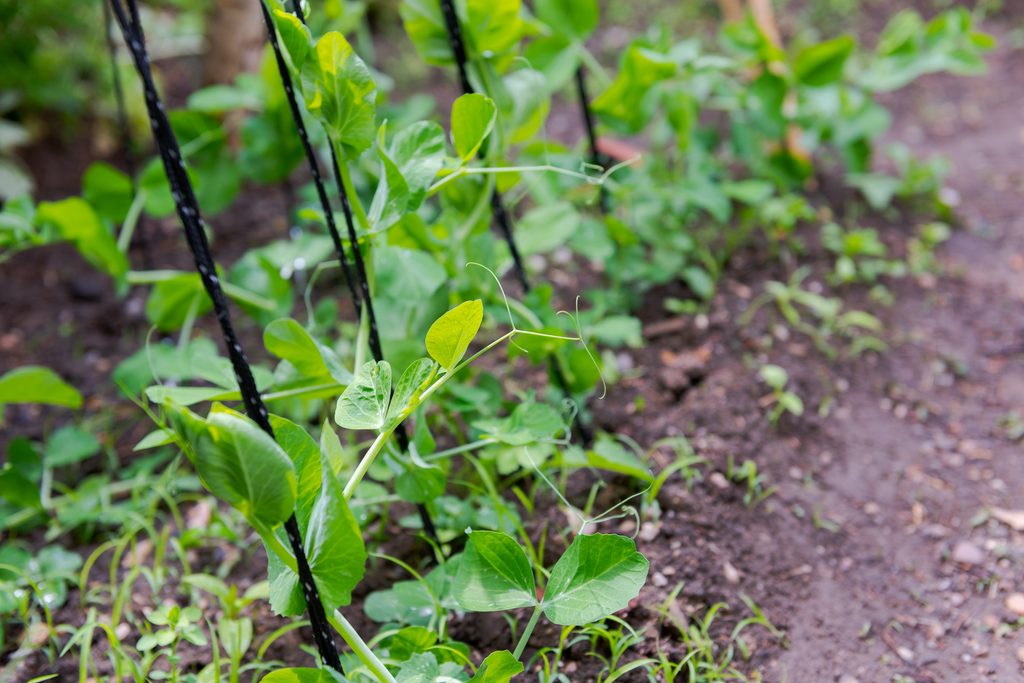
Now that you have your list of plants and their basic care details, choose a location that meets their needs. If you have plants with different needs, you may need two different garden beds. The location (or locations) of your garden should be large enough to support the plants you’ve chosen, and it should receive the right amount of sun for your plants. The soil can be modified to be a better fit for their preferences, but sun and space cannot be changed.
Alternatively, you can grow your edible garden in containers, which allows for more flexibility. You should still ensure that you have enough space to arrange the containers, but this is less of an issue than with traditional gardens. Additionally, some edible plants can grow with a grow light, which takes some of the pressure off. Choose containers that are large enough for your plants to grow to their full size and that have plenty of drainage holes in the bottom.
Prepare your soil
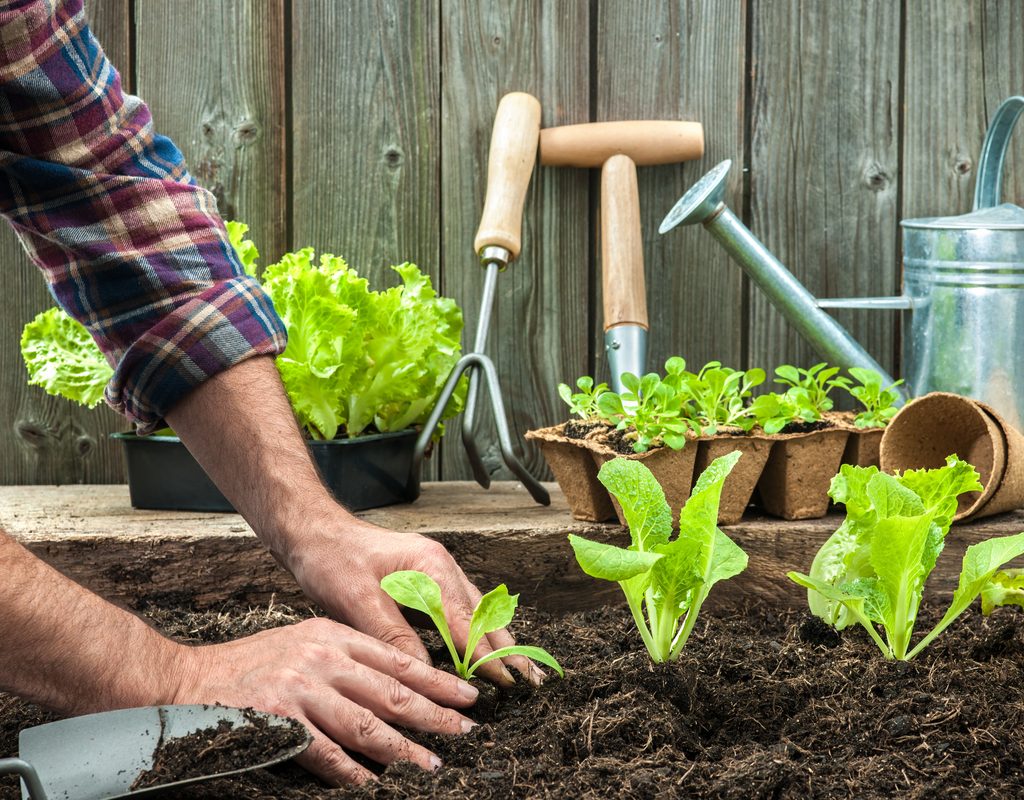
You have a few options when it comes to preparing your soil. For an outdoor garden, you can try the no-dig gardening method or you can turn the garden soil. Either way, you’ll want to remove any large plants or rocks from the area first. If the area is covered by grass, mowing it extra short is helpful. For the no-dig method, you’ll need to apply a 6-inch layer of compost over the top of the area where the garden should be. Plants your plants directly into the compost instead of the soil.
To turn your garden soil, start by marking the edges of where you want the garden beds to be. Then, use a shovel to dig 6 to 12 inches deep, flipping the soil over and loosening it. This makes it easier to plant in and helps get rid of any leftover grass or weeds that were growing on top. You can mix compost, bone meal, perlite, or other soil additives into the soil to improve its texture and nutritional composition. These additions can also be added to potting soil, although some potting soil will already have it.
Growing your plants
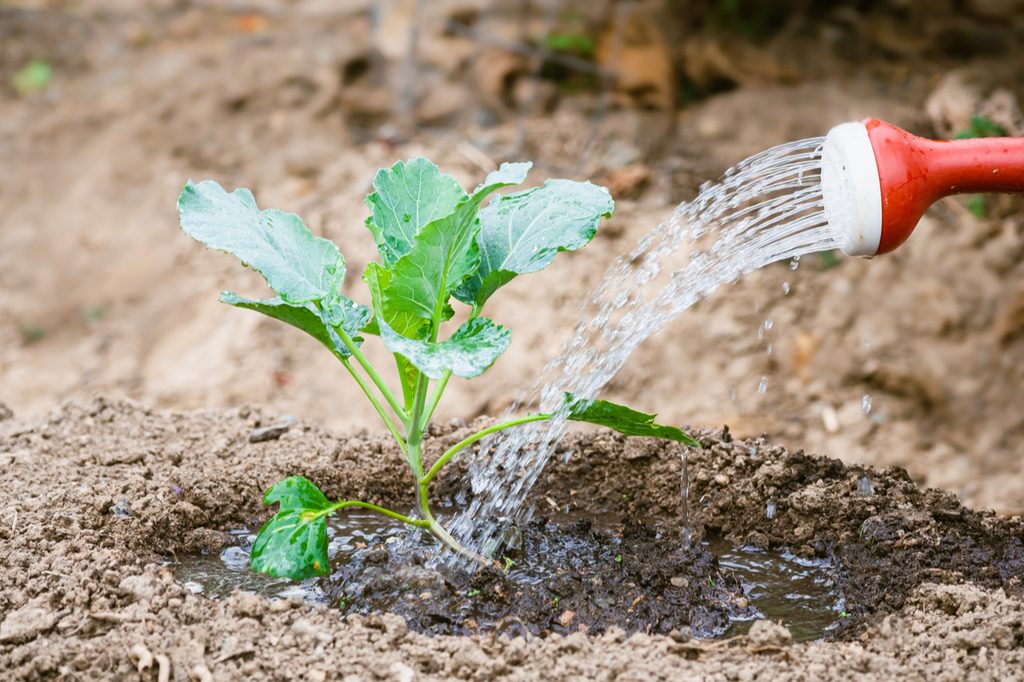
Once everything is prepared, it’s time to start planting! If you’re starting with seeds, the seed packet should have planting instructions. For nursery starts, dig a hole the size of the container they came in, but twice as wide. Gently remove the plant by squeezing the sides of the container and sliding the plant out. Be careful not to pull on the leaves. Loosen the roots and brush off the excess soil, place it in the hole, and fill the hole in around it so the plant is stable and standing up straight. Plant all your plants, then water your garden.
Refer back to the notes you took on your list about each plant’s care preferences. Changes in leaf color or texture usually indicate a problem, so keep an eye out. Use organic or nontoxic pest control methods when possible, since you’ll be eating the plants later. Remember that you don’t need to harvest everything at once, although you shouldn’t leave ripe fruit on the plant for too long, and store anything you don’t plan on eating right away to reduce food waste.