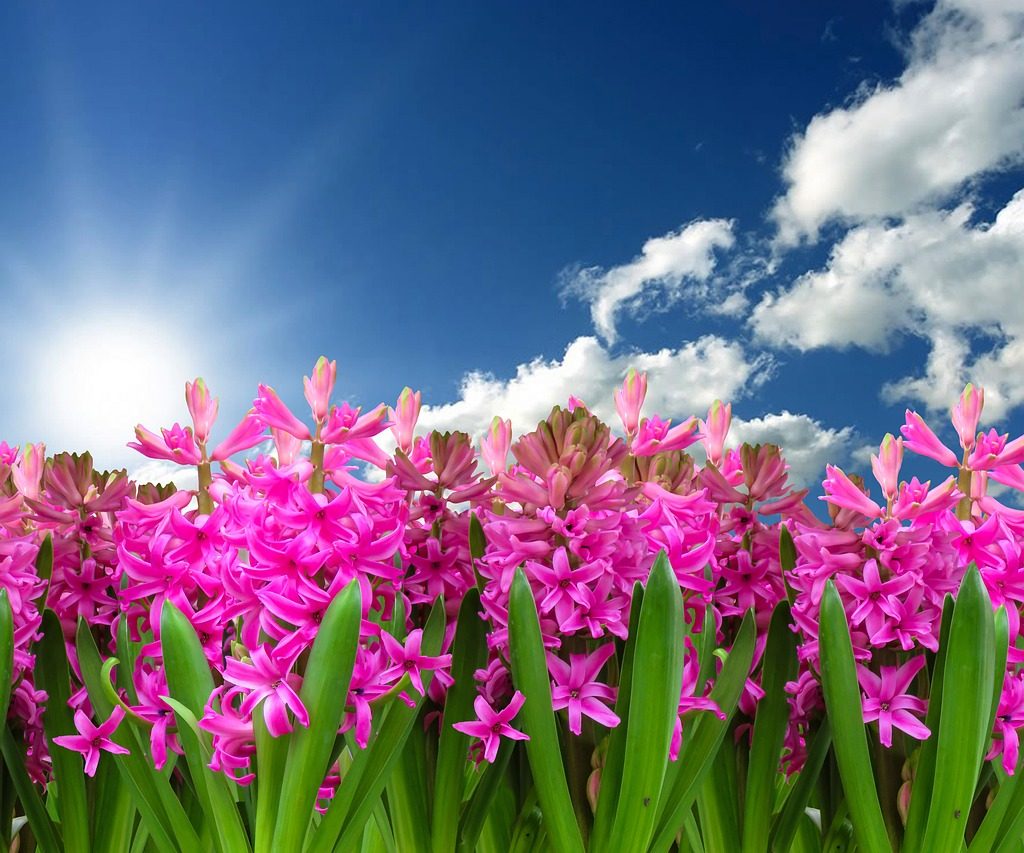
Hyacinths are a beautiful sign that spring is arriving, so it’s no wonder many people enjoy having them in their gardens. Hyacinths come in yellow, purple, blue, white, and pink, and they’re great for borders or containers. Hyacinth bulbs are easy to find in garden supply stores or nurseries, but make sure you’re getting Hyacinthus, not Muscari. Also known as grape hyacinth, Muscari is a beautiful purple flower in the lily family, but they are much smaller than true hyacinth. However, since both are something referred to as hyacinths, it’s easy to confuse the two. If you’re excited to add true hyacinth to your garden this year, then here are the 5 tips you need to know.
Choosing the right bulbs
There are a few things to consider when picking your hyacinth bulbs. First, you’ll need to choose a variety. Most common varieties of hyacinths fall into the category of Dutch hyacinths, or Hyacinthus orientalis. Some of the most popular varieties of Dutch hyacinths are Blue Jacket, Hollyhock, Yellowstone, and Aiolos. There is also Hyacinthus litinova, which looks similar to the Dutch hyacinth, but it’s less frost-tolerant. You could consider Hyacinthus transcaspicus, which is shorter. However, these hyacinths are harder to find in brick-and-mortar stores.
Once you choose the variety (or varieties) of hyacinth you want to grow, you’ll need to select the healthiest bulbs to plant. Look for any signs of mold, pest damage, or disease. Spots that are heavily discolored or unusually soft can be a sign of disease or rot. When you have the healthiest bulbs, sort them by size. Bulb size typically correlates to plant size, so a larger bulb often yields a larger plant and vice versa. The bulbs can cause skin irritation in some people, so take care when sorting and planting them.
What soil type do hyacinths prefer?
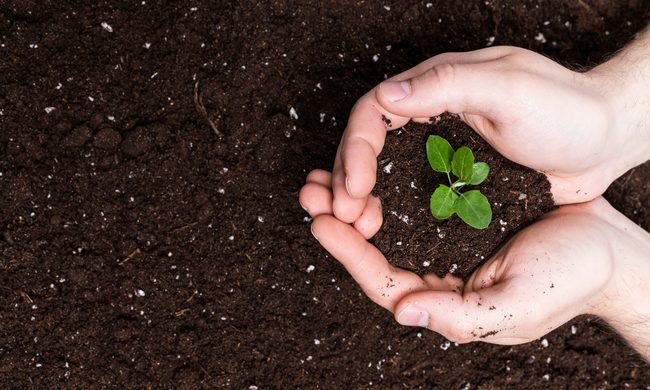
Hyacinths can tolerate a range of soil types, but they do best in moderate to rich soil. Adding some compost or slow-release fertilizer to your soil before planting can help improve poor soil. Mix it in thoroughly, and try to spread it throughout the top 6 inches of the soil. Hyacinths also grow better in loose soil than compact soil.
It’s important your soil drains well; otherwise, water may build up in your soil, which can cause the bulbs to rot. You can test your soil drainage before planting if you aren’t sure how quickly it drains. Even if you have well-draining soil, you should avoid low-lying areas where rainwater tends to pool. If you don’t have anywhere in your yard that matches this, consider growing your hyacinths in pots or raised beds.
Planting them correctly
You should plant hyacinth bulbs roughly 6 inches deep. Smaller bulbs can be planted at 5 inches, while larger bulbs can be planted 7 inches deep. If you live in a region with harsh winters and want to grow hyacinths as perennials, planting your bulbs at 7 inches deep can help protect them from the cold. The bulbs should be mostly round, with one flatter end and one pointed end opposite each other. Make sure the flat end is down and the pointed end is pointing up. The stem of the plant will emerge from the point, so it’s important to situate the bulbs correctly.
Space the bulbs 5 to 6 inches apart. You can plant bulbs closer together, as close as 2 inches, but this may impact the plants’ life span. If you plan to grow hyacinths as annuals, then smaller spacing can create a beautiful, one-time display.
How much sun do hyacinths need?
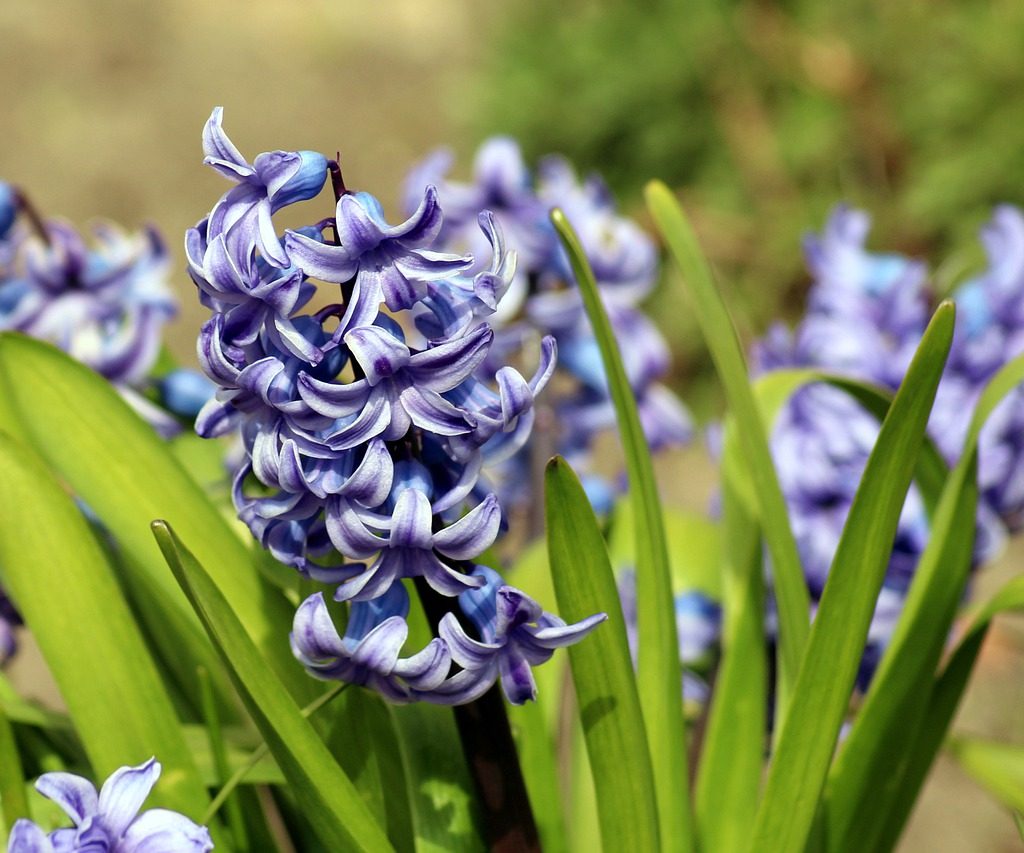
Hyacinths can survive in full or partial sun. In hotter regions, providing some afternoon shade can help your blooms last longer. In most other cases, though, you’ll see bigger, brighter flowers if you plant them in full sun.
If you’re growing hyacinths in pots, you can set the containers in any sunny location outside during spring and summer. During fall and winter, if you live in a region with harsh winters, bring the hyacinths inside and set them in a sunny window or place them under a grow light. However, keep them out of reach of your pets! Hyacinths are toxic for both cats and dogs. Potted hyacinths can stay outdoors during a mild fall or winter, but remember, their bulbs have less protection from the cold than hyacinths in the ground.

What about water?
We’ve already touched on the danger of bulb rot when the soil is too wet for too long, but how much water do hyacinths really need? Hyacinths are drought-tolerant flowers, and outdoor hyacinths may survive on rain alone. Supplemental watering is necessary for indoor hyacinths or during hot, dry seasons. Let the soil dry between each watering to ensure the bulb isn’t sitting in water. If you’re growing hyacinths in containers, make sure the pot has drainage holes. If you notice the soil isn’t draining, check the drainage holes to see if they may be clogged.
Hyacinths are beautiful, low-maintenance flowers and hyacinth care is easy. They’re resistant to many pests and diseases, drought-tolerant, and easy to grow in containers. Additionally, they’re hardy in a wide range of hardiness zones. Hyacinths may not be a perfect fit for every garden, but they work well in most flower gardens. Why not try adding them to your garden this spring?