Tomatoes are great produce to grow in your home garden. You can have them fresh as a snack, make them into a red sauce, slice them for sandwiches, add them to your salads, and even use them to make homemade salsa. For tomato lovers, these vegetables/fruits (and yes, technically, they really are considered a fruit, even though they’re usually used like vegetables), they’re a must—and there are tons of varieties to choose from! Between larger varieties that are perfect for outdoor garden beds and dwarf varieties suitable for containers, there’s a tomato for everyone. Most of the time, you’ll purchase tomato plants from a nursery. But have you ever thought about growing your own tomatoes from seeds?
Why grow tomatoes from seeds?
Aside from the rewarding process of growing a healthy plant from seed to maturity, growing your tomato plants from seed can be cost-effective if it’s a crop you grow season after season. Purchasing seed packs from a store costs much less for a larger amount than if you were to buy that amount of tomato seedlings, even when you take into consideration needing to plant a few seeds per starter to increase the chances of developing a viable plant. With just one tomato, you could potentially get multiple new plants just from the seeds!
Can I plant seeds straight from a tomato?
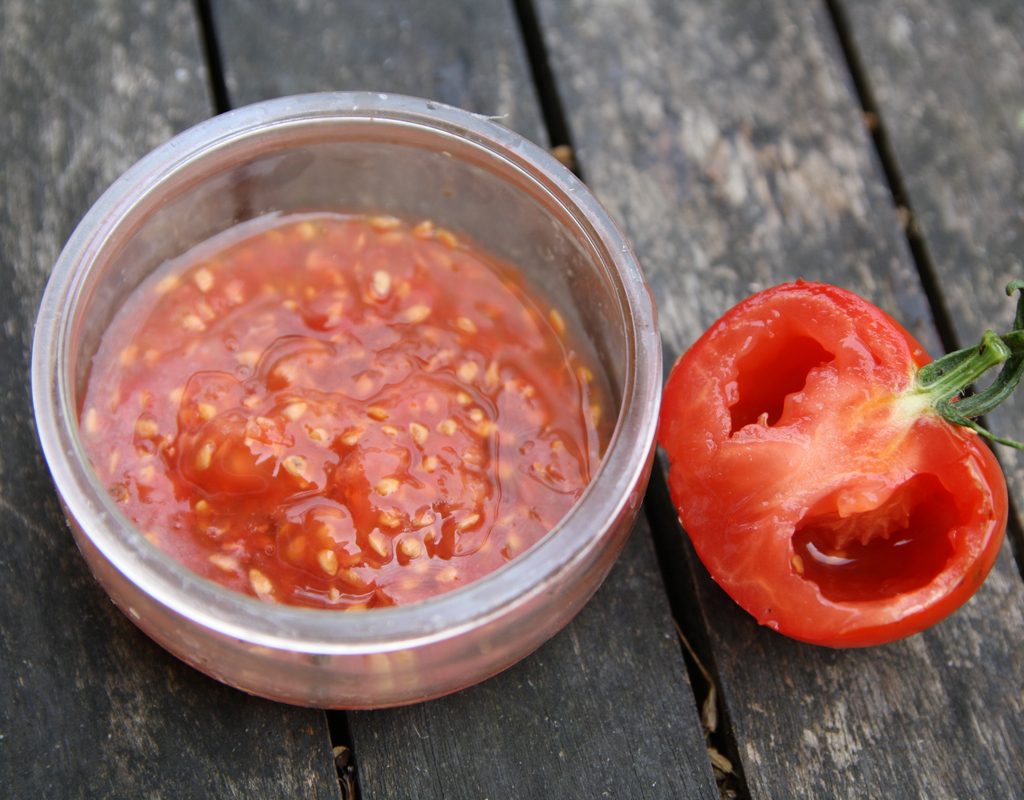
Sort of, but not exactly. As with any other crop, you’ll need to let the seeds you harvest dry out properly before attempting to plant them. That said, it’s possible to harvest the seeds from your tomatoes, dry them out, and save them for the following season!
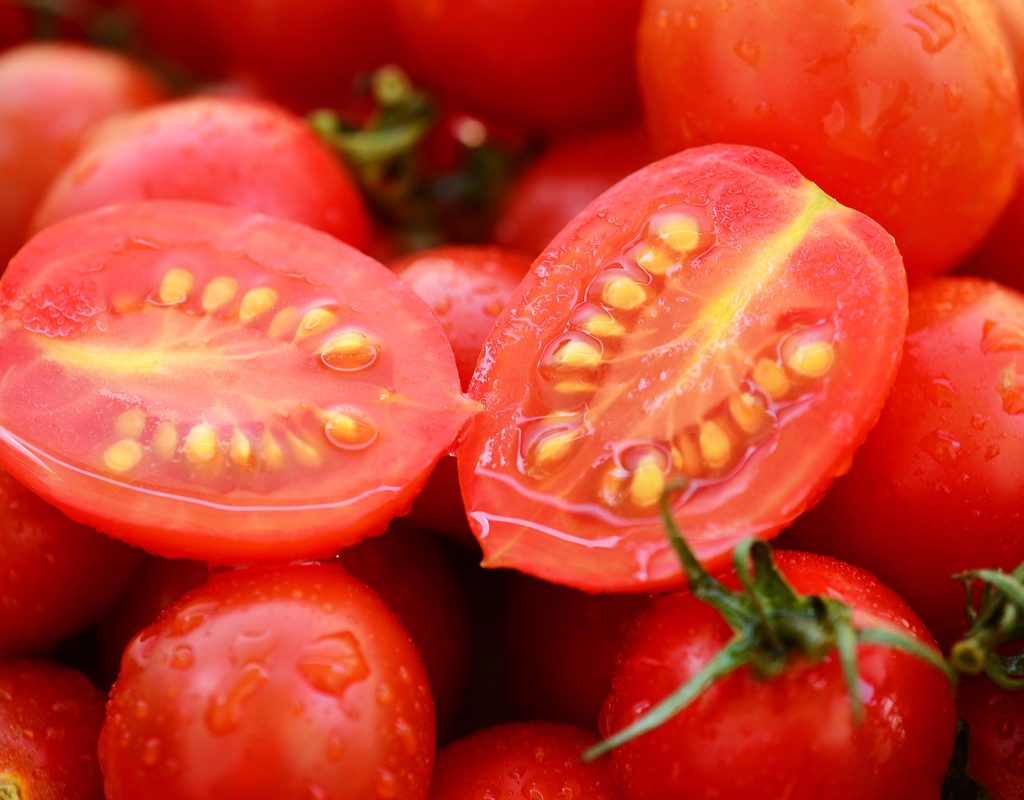
When your tomato harvest is ready, take however many tomatoes you want to use for their seeds, slice them open, and set the seeds aside for drying. Spread them on a dry paper towel that can absorb moisture, and keep the seeds in a warm, dry area to help prevent molding. Once they’re dry, store them in an air-tight glass jar in a dark (and dry!) location to prevent early germination. If done successfully, your harvested seeds will be ready for you come spring.
Keep in mind that for hybrid varieties, the tomatoes you grow from their seeds may not be an exact match to the parent you harvested the seeds from because they’ve been developed for specific qualities.
How to grow tomatoes from seeds
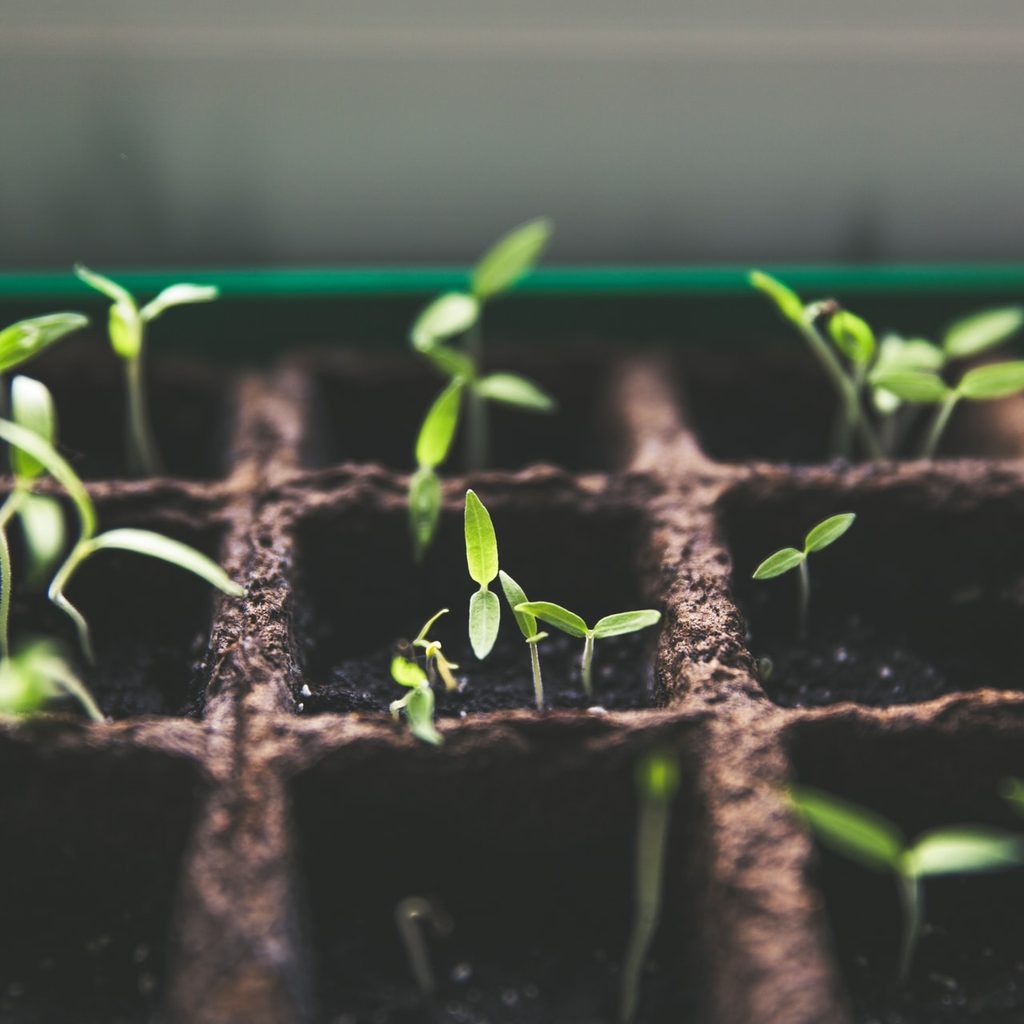
Growing tomatoes from seeds often involves starting the seeds indoors, which is usually done around late March for an early-May planting, depending on your climate. Transplant timing largely depends on the date of your last frost, so you’ll want to keep an eye on the weather and the temperature patterns to make sure you stay on track.
Most tomato seeds, if viable, will germinate within 10 days of planting as long as their care needs are met. Tomatoes are warmth- and sun-loving crops that should be given tons of light and space to grow into strong seedlings—and continue to grow into strong, healthy plants. Once the seedlings sprout and are around 2 to 3 inches tall with a few true leaves, you should repot them into 3- or 4-inch containers that can help foster growth until the baby plants are ready to be planted outdoors.
What to do when your new tomato plants are in the ground
After transplanting your seedlings outdoors, you can start slowly trimming the bottom leaves from your tomato plants as they grow. Because these are the oldest, you may notice them start to wilt or weaken over time. This is natural due to age, but they should be removed to help prevent fungal or pest infestations. Remember: a strong plant is less appealing to pests and other problems.
And perhaps most important: water deeply and often. Tomatoes love water and should get at least an inch of water per week. Depending on how warm and dry it is outside, they may need more—but the last thing you want is inconsistent watering that leads to calcium deficiency. Diligent care is the best way to ensure you grow strong seedlings into mature plants and get a good harvest.
How long does it take to grow tomatoes from seed?
The length of time it takes your tomatoes to grow will vary depending on which variety you’re working with. In general, a tomato’s growing season from seed to maturity and harvest is anywhere between 60 to 100 days. This is a big part of why tomato plants are typically bought as seedlings from nurseries, as they’ve already grown a bit and are ready to be planted straight in the garden.
Chances are, though, that since you’re here, you’re growing your tomatoes from seed. It’s important to know that you can’t plant tomato seeds outdoors at the same time of year as you would nursery seedlings. So when is the best time?
When to transplant your tomato seedlings outdoors
Tomatoes are known to be heat-loving plants, and most of the time, the growing season isn’t long enough to start them from seed outdoors. Gardeners who grow their tomatoes from seed start them in a warm indoor environment, waiting until the temperatures warm up and there’s enough daily sunlight outside to sustain the tomato plants.
Transplanting tomato plants outdoors too soon when there’s a risk of frost or colder weather could stunt growth—or worse, kill the plants. The best time to transplant your growing seedlings outdoors is when temperatures are consistently above 50 degrees Fahrenheit at night and the plants are several inches tall.
What else you need to know about growing healthy tomato plants
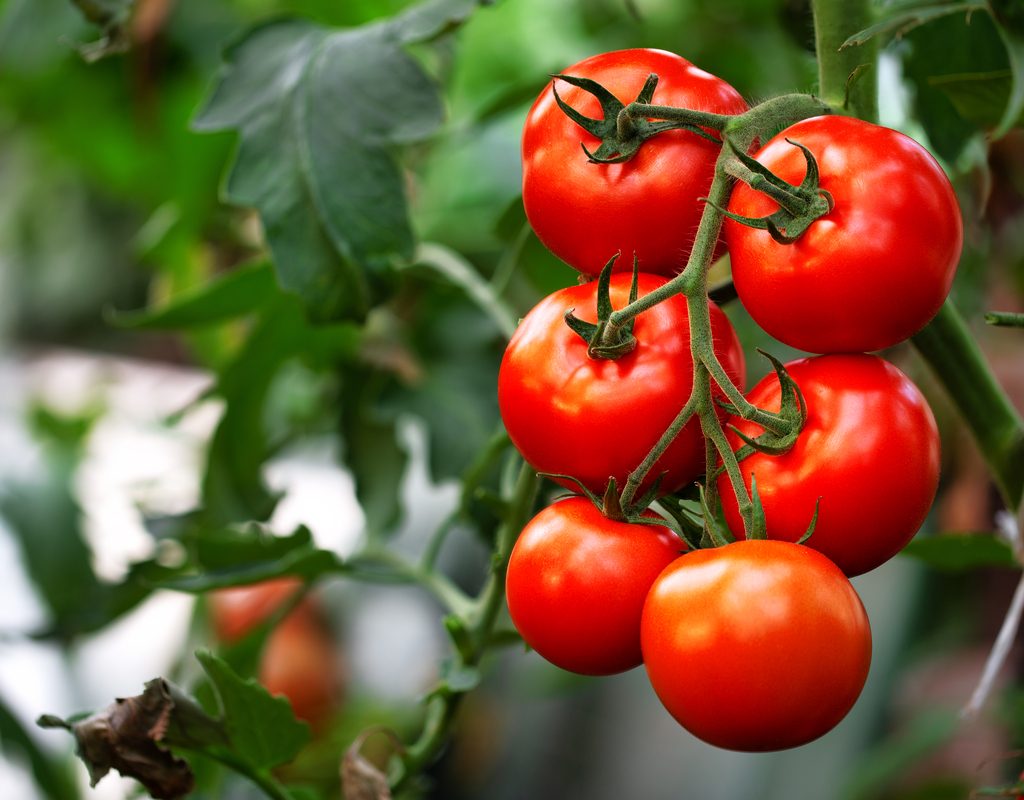
One of the best things you can do to foster strong tomato plant growth is to stake the plants or use a tomato trellis. This should be done right after planting so that the plants have something to grow up along and can be supported by as they mature without risk of damaging their growing root systems. As they grow, you can help them stay upright by tying them to the stake or trellis, which will not only keep your plants standing tall but will prevent them from leaning onto the soil, where pests can easily reach the tomatoes and leaves.
Something to note is that you may not get it right the first time around. Some of your seeds may not germinate, and some of your seedlings may not survive transplant. Like any other new task or hobby, growing a plant from seed has a learning curve and is a process that you’ll only get better with over time. So do the best you can, learn along the way, and you’ll have a beautiful tomato harvest in no time.