
  1. Home
  2. Gardening
  3. How tos

Are local cats chewing up all your catmint? These tips can help keep them out

Use these tips to protect your nepeta from cats

Add as a preferred source on Google
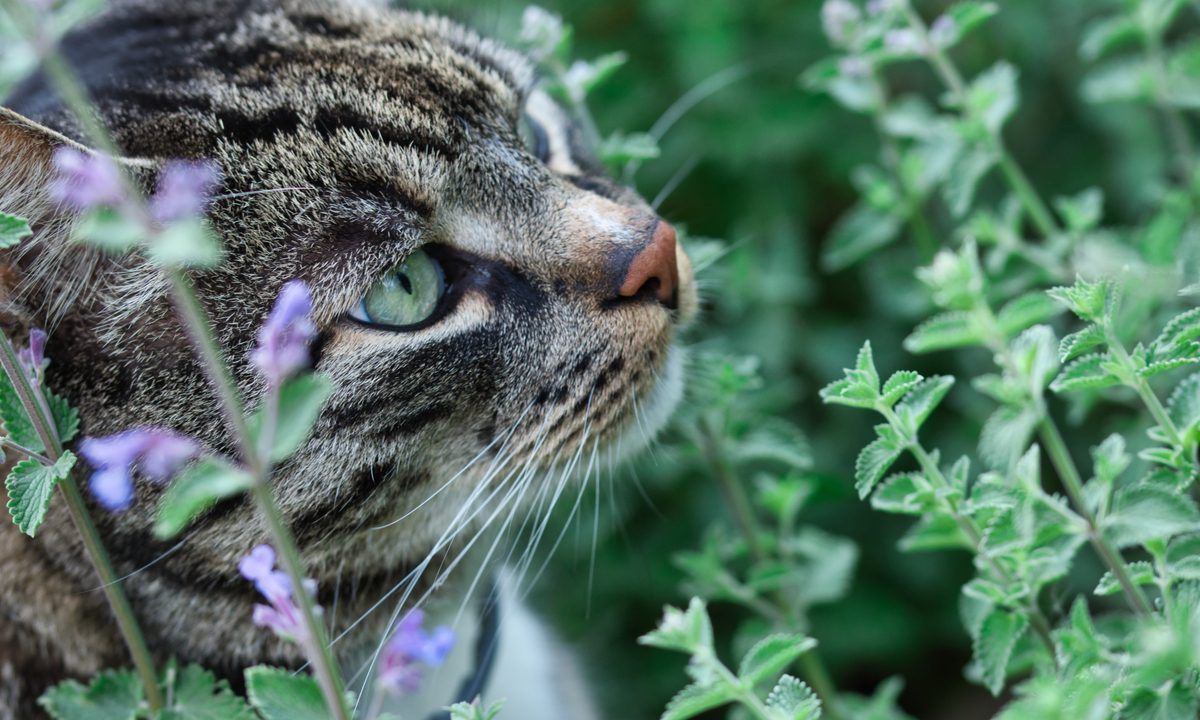
Catnip and cat
Image used with permission by copyright holder

Nepeta, which includes both catmint and catnip, is an easy-to-grow herb with lovely flowers and soothing properties. However, people aren’t the only ones fond of this plant! Cats famously love nepeta — that’s why its two common names both include the word "cat." However, felines can cause quite a bit of damage to your nepeta plants. If you aren’t looking to share your herbs with the local kitties, then you’ll need to know how to keep cats out of your yard and away from your nepeta.

Recommended Videos

Difficulty

Easy

Duration

1 hour

What You Need

  • Wire or mesh cage

  • Pet-safe deterrent spray

  • Tall, smooth, rounded fence

  • Vinegar

Nepeta catmint flowers
Image used with permission by copyright holder

How and why do cats damage nepeta?

The leaves and flowers of nepeta release a soothing scent that cats just can’t get enough of. This scent is stronger in catnip than catmint, but both plants can become the target of your local, free-roaming cat population. The leaves can either soothe or invigorate felines, so you could see visiting cats lounging peacefully in the sun or tearing through your garden with reckless abandon.

The main signs of damage from cats are chewed leaves and crushed plants. Cats will chew on nepeta, but they will also roll on young plants or low-hanging branches to release the scent. Unless you have a large cat population, your adult nepeta plant should be fine. However, young nepeta plants can be damaged more easily.

A black cat on a bench sniffing at potted plants
Miller_Eszter / Pixabay

Keeping cats away from nepeta plants

Here's how to protect your nepeta plants:

Step 1: Bring young nepeta plants indoors.

Step 2: Place a wire or mesh cage around your plants.

Cats are very dexterous, so most plant covers don’t stop them entirely. However, a wire or mesh cage that they can’t claw apart and that has holes too small for a paw to fit through will keep cats at bay.

Step 3: Use a pet-safe cat deterrent spray.

Many sprays contain capsaicin or citrus, which are both irritating for cats and safe for plants. It can be dangerous if a cat ingests too much of either, but cats are unlikely to eat enough to harm them. As a safer alternative, use bitter sprays intended to train pets.

A brown tabby cat climbing over a wooden fence
MabelAmber / Pixabay

Keeping cats out of your yard

If keeping cats away from your nepeta isn't enough, here's how to keep cats out of your yard:

Step 1: Install a tall, smooth, rounded fence.

Cats are excellent at climbing and jumping, so most fences won’t keep them out. Cat-proof fences often rely on overhangs, which keep cats from escaping your yard, but don’t keep them out.

Step 2: Keep climbable objects away from the fence.

Step 3: Avoid planting your nepeta (or other appealing plants, like cat grass), near the fence.

Step 4: Spray a vinegar mixture where the cats usually enter your yard.

The smell of vinegar is unappealing to cats. It dries out plants, so don’t spray it directly on your nepeta.

Now that you know how to keep cats out of your yard and away from your nepeta, your catmint or catnip plants will be much safer. You can enjoy your nepeta as much as you like, without worrying about finding it crushed or chewed up.
Topics
13 shrubs perfect for wet soil conditions
These shrubs are perfect for wet soil
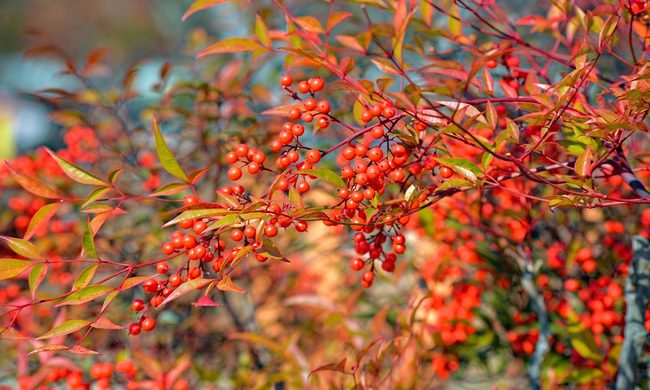
A winterberry holly shrub in autumn

Have you ever heard of a plant not liking wet feet? It's true; some plants don't like their roots to be soaked for too long. Many plants won't thrive or will even die in overly wet conditions. This can make gardening difficult if your yard is naturally wet. Luckily, there are plants suited for every condition, even wet soil! In this guide we'll explain how wet soil is defined and recommend some plants that like wet soil for you to try growing.

What shrubs do well in wet soil?

Read more
How often should you water your grass seeds for the best results?
Tips for watering grass seed to get the lawn of your dreams
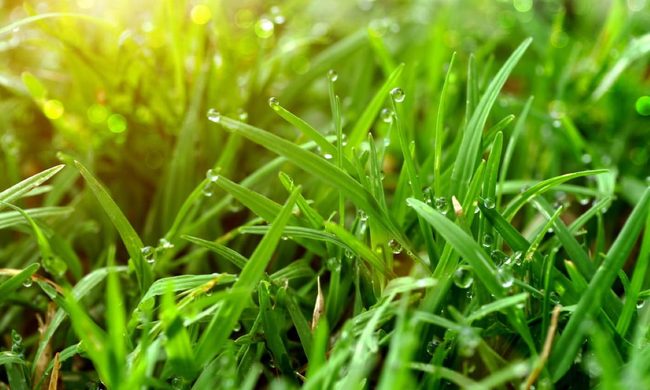
Grass with dew on it

A beautiful, lush green lawn is something that many homeowners strive for, but sometimes cultivating that lawn can be quite the headache. Getting your seeds to germinate and grow into thick, healthy grass requires balancing all of its needs. For such a simple plant, grass sure does need a lot of attention! Watering, mowing, dethatching, aerating, and reseeding your lawn can take a while to figure out, but it's easier with the help of a guide.

Read more
Pruning basics: What it is and how to do it right
How to prune your trees and shrubs
Person pruning a tree

What you need to do to keep a tree or shrub healthy can depend a lot on the type of tree or shrub, but something that is almost always the same is pruning. While there are a few small variations from plant to plant, the basics of pruning are mostly the same no matter what you’re growing. If you’re a beginner, you might have a few questions. What is pruning? How often should you do it, and in what season? Don’t worry, we’ll answer these questions and more in this guide to the basics of pruning.
What is pruning?

Pruning is the process of removing certain branches from a plant. Cutting your plant might sound intimidating, but pruning is actually important for maintaining the health of your trees and shrubs. The primary branches that are removed are those that are dead, dying, damaged, diseased, or at risk of becoming damaged. Branches at high risk are usually those that are growing too close to another branch or a structure of some kind. If the branches rub against each other too much in the wind, the friction can damage the bark. This leaves them vulnerable to pests and fungal infections.

Read more