If you’re just getting into gardening, you might be staring at a patch of land in your yard wondering how to turn it into a gorgeous flower garden. Sorting through advice when you’re starting a new hobby can be overwhelming and even a little anxiety-inducing at times, but it doesn’t have to be that way. This guide on how to make a flower garden will break everything down so you can take it one step at a time. Just follow along, and before you know it, you’ll be gardening like a pro!
Choosing a location for your flower garden
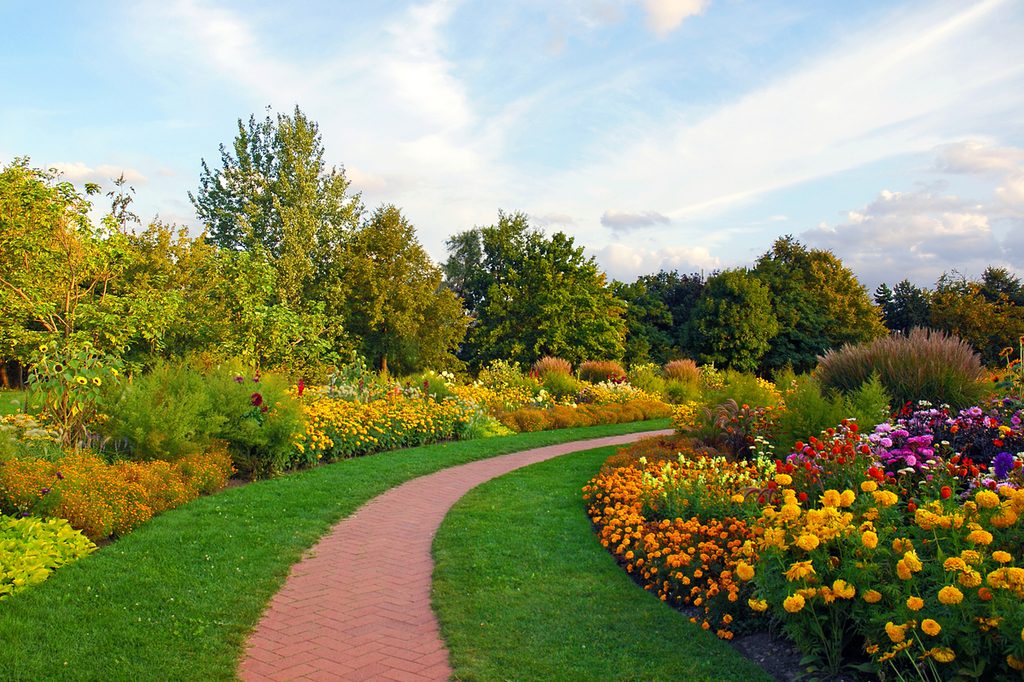
To start your garden, pick the place where you want your garden. It should be relatively flat (plants can grow on hills, but caring for them will be more difficult) and free from large obstructions like rocks, tree stumps, or sheds. Additionally, avoid areas where chemicals have been dumped recently or repeatedly.
There are plants that can grow in all soil and lighting types, but it’s a good idea to take note of the conditions where you are planning to put your garden. You don’t need exact measurements; just pay attention to how much sun it gets and what the soil feels like. This will make choosing your plants much easier. If you have specific plants you want to grow, now is a good time to look up what those plants needs and choose a location that fits.
Preparing the location
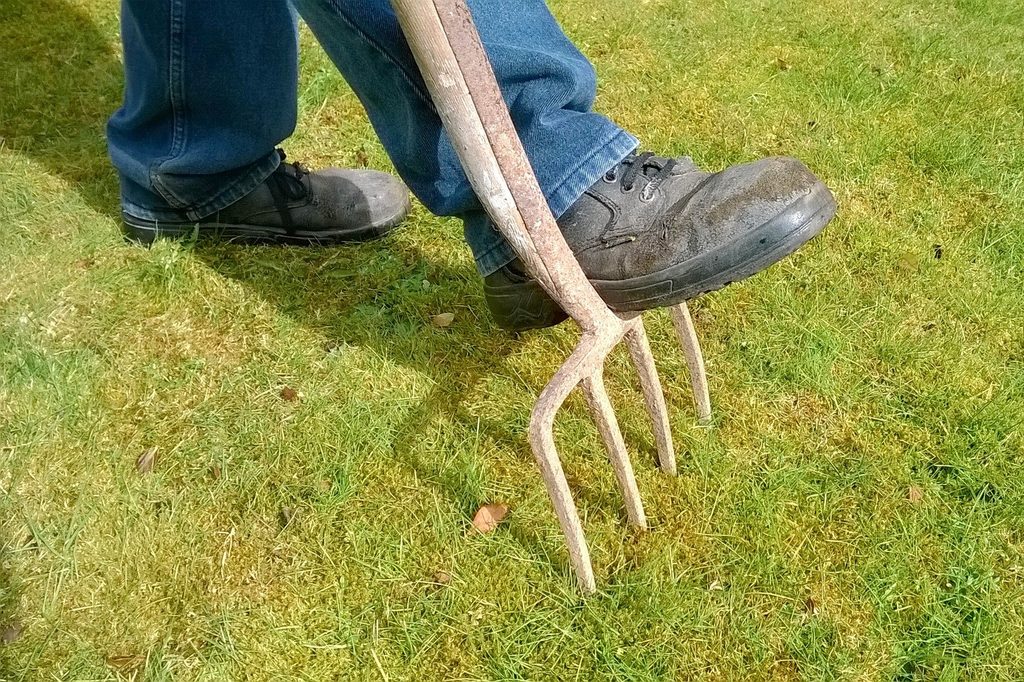
There are a few ways you can prepare your planting site. If you want to try a no-dig garden, then you don’t need to do anything to the ground at all. The no-dig method uses a thick layer of compost on top of the ground to grow plants, and while it’s easier to set up, it can be trickier to manage for beginners.
For a traditional garden, start by removing any grass or other plants from the area. It’s a good idea to mark the edges of the garden first, so you know how much you need to remove. You can use a shovel or hoe to remove grass and to cut up any stubborn roots. Once the grass and plants are set to the side (you can compost them if you like), loosen the soil underneath to make planting easier. To bolster weak soil, add 2 or 3 inches of compost to the top of the garden and then mix it into the top 6 inches of garden soil. Don’t worry if you dig up any bugs — most insects aren’t harmful to your garden, and many are actually beneficial!
Choosing your flowers
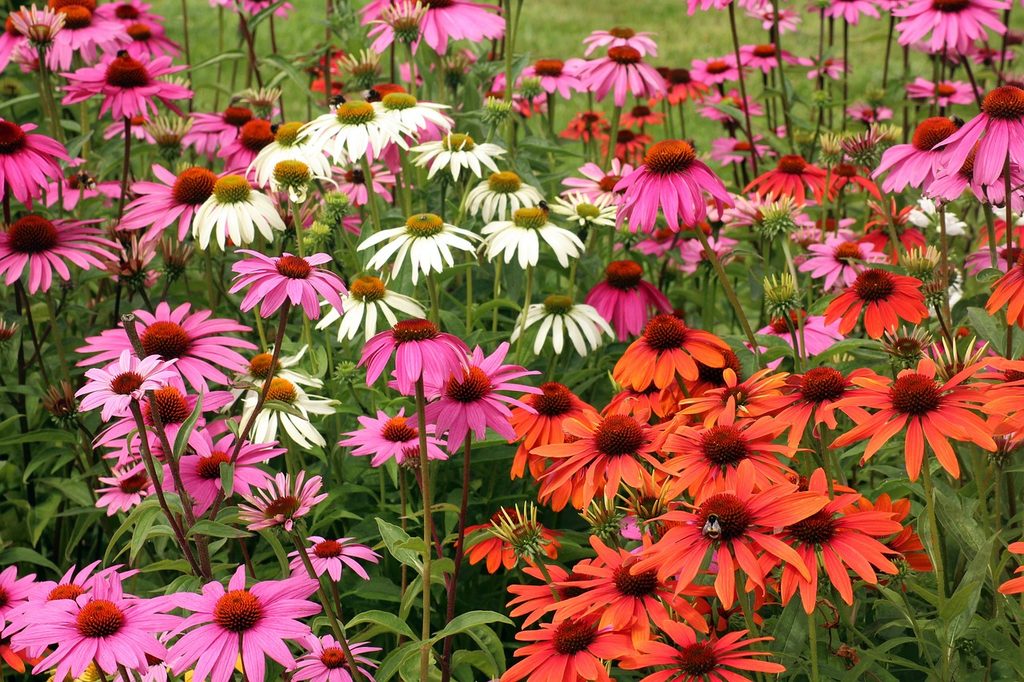
Now comes the fun part! Using what you know about how much sun or shade your garden gets, you can choose what flowers you want to plant. This part depends entirely on your preference and garden location, but pay attention to what each plant needs. If your garden doesn’t have any shade, look for plants that grow in full sun. A mix of sun and shade is partial sun or partial shade, and a garden with little to no sun is in full shade.
The most important thing when starting out is the texture of the soil. Is the soil in your garden thick, soft, and slightly moist? That’s most likely rich, well-draining soil, which is popular with woodland and meadow flowers. Loose, gritty soil is most likely sandy, which is a favorite of most drought-tolerant desert or coastal flowers. Soil that sticks together and is almost muddy, even when dry, most likely has clay in it, which makes it hold onto water for longer. Plants that enjoy heavy, slow-draining soils will likely enjoy your garden.
Planting the flowers
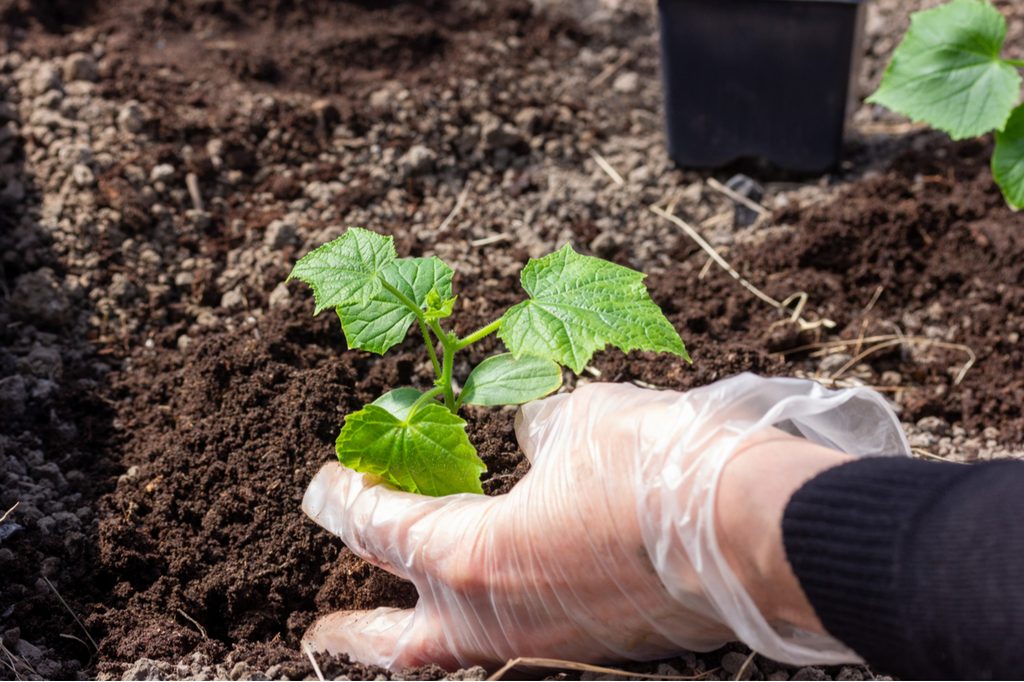
Once you have your flowers picked out, you can start planting them. You can start many flowers from seeds, but nurseries and garden centers often have seedlings or nursery starts that you can plant instead.
To start your flowers from seeds, the most important thing to note is planting depth. Some seeds need to be planted at a certain depth, others need to be just covered by the soil, and some shouldn’t be covered at all. If you’re using a seed packet, check the back for specific instructions. Begin planting in the morning, so the sun doesn’t scorch you or the seeds, and space your seeds out according to their needs. Once they’re all planted, water the garden until the water stops soaking into the ground.
For nursery starts, dig a hole that’s the same depth as the container the plant came in, but twice as wide. Next, gently remove the plant from its container. You can squeeze the sides to loosen it and slide the plant out without pulling on its leaves. Massage the roots to get rid of extra soil and loosen the roots, then set it in the hole with the roots spread out. Fill the hole in slowly, keeping the plant upright as much as possible.
That’s really all there is to it! Once your garden is started, all you need to do is water it when the soil is dry, watch for signs of pests, and pull up weeds as they appear. If you’re starting from seeds, be careful not to pull up your sprouts by mistake! If you do, don’t worry, it happens to the best of us. Just plant another seed and try again.