
Roses are gorgeous, but their thorns can make them challenging to care for without proper gloves. If you want striking rose flowers without the risk of getting scratched, you’ll be happy to know that such a flower does exist! Lisianthus, a flower that grows natively from the southern U.S. to the northern countries of South America, looks shockingly similar to a rose, minus the thorns. While it can be tricky to grow, patience and dedication can help you keep these lovely flowers happy and healthy. Here’s what you need to know to grow lisianthus in your garden.
Planting lisianthus flowers
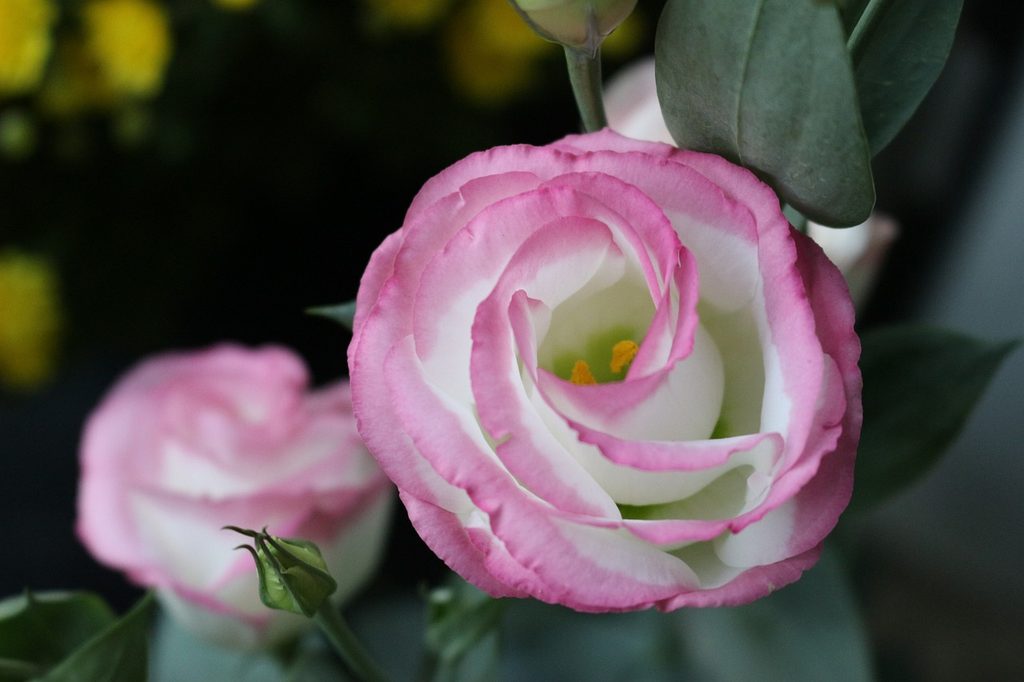
Lisianthus flowers can start from seed, but this is often the more challenging way to grow lisianthus. These plants take a fairly long time to grow, needing 4 to 5 months before they begin to bloom, so seeds need to start early. Start seeds 8 to 10 months before your last frost date. Do not bury the seeds deeply and don’t plant more than one per container. Lisianthus roots damage easily, especially when they’re young, so planting more than one seed per container can make transplanting them especially difficult. Keep the seeds warm, ideally in the mid to low 70s (Fahrenheit). The soil should be moist, but not wet, or else seeds can rot or develop fungal infections. Once the seedlings have two full sets of leaves, they are ready for transplant.
Plant your lisianthus in well-draining soil that is rich in organic matter. Drainage is important, as lisianthus’s roots are sensitive to soggy soil. If your soil does not naturally have much organic material in it, compost or leaf mulch can help. Additionally, the planting site should be in full sun. While it can tolerate some light afternoon shade, you should ensure that it gets at least 6 hours of sunlight per day.
If you don’t have a suitable space in your garden, you can grow your lisianthus in a container instead. Make sure to use well-draining potting soil and position it in a sunny window. Avoid placing it near drafts or air conditioning vents, as it is sensitive to the cold.
Lisianthus care

Lisianthus prefers soil that’s moist, but not wet. As such, it enjoys fairly frequent light watering whenever the soil dries out. this plant can tolerate droughts, although long-lasting droughts can impact the number of flowers it produces. Older lisianthus plants are more drought tolerant than younger ones, so prioritize watering your more recent transplants. Avoid getting the plant wet when watering it, as lisianthus can develop a number of fungal infections and generally dislikes humidity.
It doesn’t typically need fertilizer, especially if the soil was amended with compost or leaf mulch before planting. However, using a fertilizer with calcium nitrate can help it grow sturdy stems. Indoor lisianthus plants can be fertilized with a balanced houseplant fertilizer as necessary. Your lisianthus plant may also need to be staked or otherwise supported, as the stems can sometimes become top heavy and bend.
Deadheading your lisianthus encourages it to continue blooming, and they make excellent cut flowers. If you’re growing your lisianthus as a perennial, pruning is also recommended. Cut your lisianthus back in the fall, after it has finished blooming. Cover it with mulch to protect it from the cold.
Pests and problems
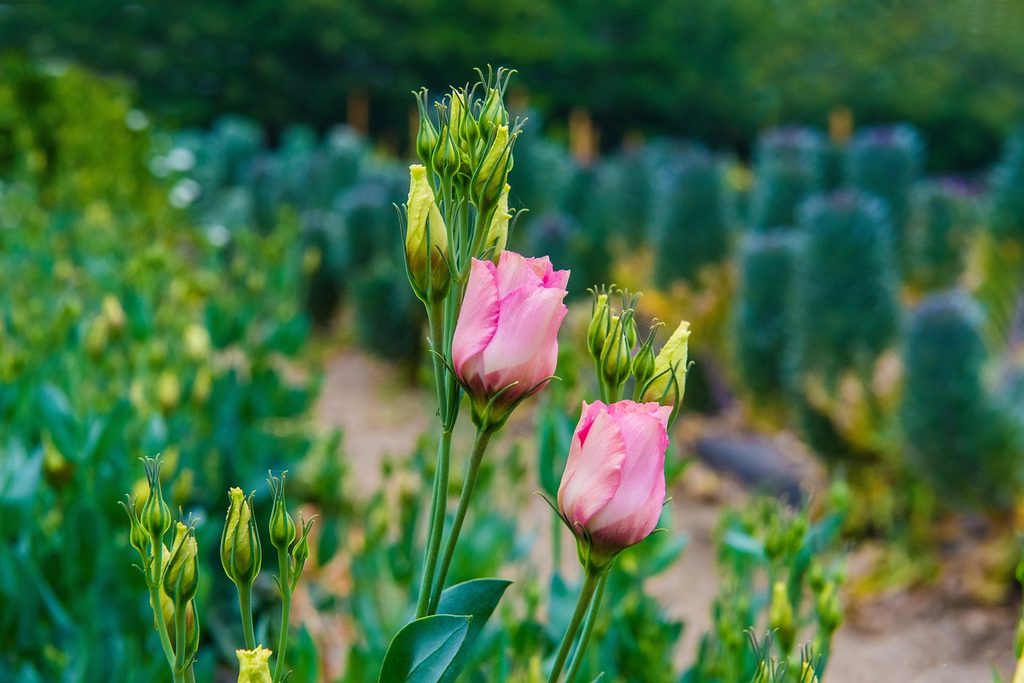
Many of the potential problems lisianthus faces are related to overwatering or wet foliage. Fungal infections, root rot, and fungus gnats are all commonly associated with an overwatered lisianthus. Look for discolored leaves, as the first sign of many fungal infections include yellow or spotted leaves. Potted lisianthus should be repotted in fresh, dry soil, but moving an outdoor lisianthus can be more difficult. Avoiding these problems is typically easier. Be sure the soil is dry before you water your lisianthus, and don’t get the leaves, stems, or flowers wet.
Other small pests, such as aphids and whiteflies, will sometimes bother lisianthus plants. Damage from these pests is rarely severe, but can still cause cosmetic issues and potentially spread disease. An insecticidal soap or neem oil can keep them at bay.
Is lisianthus an annual or perennial?
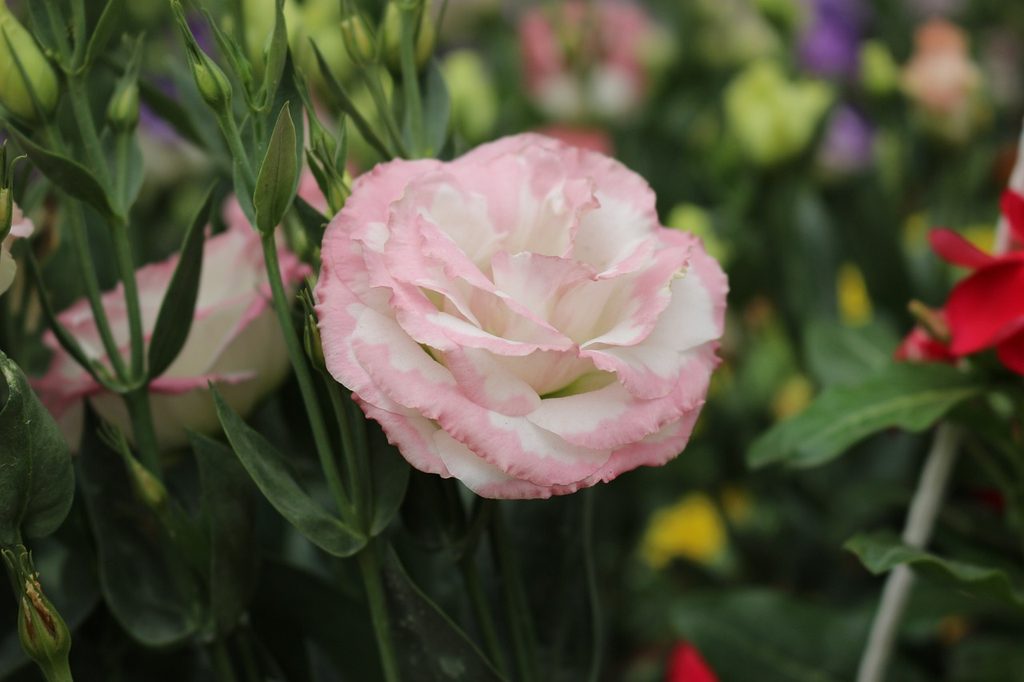
Lisianthus is a tender perennial. It can grow as a perennial in USDA hardiness zones 8 to 10. North of zone 8, the winter temperatures drop too low for lisianthus to grow as a perennial. Instead, it grows as a summer annual, or as an indoor plant. Due to lisianthus’s dislike of humidity, it does not tend to make a good greenhouse plant. However, even if you don’t live in one of the zones that it’s hardy in, lisianthus is still a rewarding and gorgeous annual to add to summer flower gardens.
Lisianthus is a gorgeous flower. It has much in common with roses, but still manages to have some unique qualities that set it apart and make it special. These flowers can be tricky to grow, especially if you’re new to gardening. However, they are worth the effort. Once you see them bloom, you’ll be glad you put in the time to grow them — and proud of all your hard work!