There are many misconceptions about what you can and can’t compost. In the past, orange peels weren’t allowed in compost bins because some believed they would repel worms and other organisms that promote composting. This left many gardeners wondering if they should add orange peels to compost or if they should still avoid that. Our understanding of the way orange peels (and other citrus fruits) help and hinder compost has changed, so it’s time for an updated look at orange peels in compost and whether they belong or not.
Can you compost orange peels?
Yes indeed! You can put orange peels into your compost mix. Citrus peels, which are high in nitrogen, can be used to increase the activity of microorganisms by being added to your compost. You can add lemon peels, grapes, lime peels, and other citrus peels to your compost pile as a nutrient. With that said, it’s essential to know that you shouldn’t use orange peels in vermicomposting. Orange or other citrus peelings can repel worms and other organisms that promote decomposition; this means your compost pile will take more time to break down than usual.
This is because those organisms find the scent of all citrus fruits distasteful — even if they’re organic! What does this mean for you when adding fruit peelings to your compostable materials? If you’re looking to speed up the process (or increase heat), add something else with a less pungent odor, like banana skins.
Make sure you keep things balanced
Even if you aren’t vermicomposting, too many citrus fruits in a compost pit can be harmful because they can make the compost very acidic. This can adversely affect the composting process, especially for the microorganisms involved in the process.
However, you can keep the compost in good condition by only adding a small amount of citrus fruits or peels (1 part greens + 3 portions browns + water). You can also add grass clippings to your compost if you have already exceeded this ratio. This will balance the acidity. The pit should smell fruity when balanced well. Otherwise, it’ll have an unpleasant strong odor.
There are several benefits to adding orange peels to compost
You can find the following benefits in compost from lemon, orange, and other citrus fruit peels:
- To make compost nutritious, orange peels add minerals like potassium, phosphorus, and nitrogen. They also speed up the process of composting.
- The strong citrus smell deters common compost pile pests. You’ll rarely see vermin, like rats or an abundance of flies.
- They’re completely recyclable, and therefore, not an environmental risk.
- The heat from citrus fruits speeds up the process of composition.
- The same heat will destroy any seeds in your compost pile. This stops them from germination when you use the compost in your garden.
How to compost with orange peels

As noted previously, citrus peels are rich in nutrients such as phosphorus, potassium, and nitrogen. To speed up decomposition, it’s important to cut or trim orange peels before adding them to your compost. You can slow down the rate at which your compost is decomposing if you add large orange peels. Because large materials take longer to be broken down by bacteria, this can slow down the rate of composting.
Mix an equal ratio of brown and green materials
Now, you can either add fresh-cut orange peels or decomposing peels to your compost pile. However, you’ll want to make sure that the pile has equal amounts of brown and green materials when you do. You can also include orange peels and other rich green materials in your compost bin. Additionally, feel free to include grass clippings, vegetable remnants, and other fruit peels to increase your compost’s nitrogen, potassium, and phosphorus content.
Regulate your ventilation and temperature
You should place your compost bin in an area that receives direct sunlight and adequate ventilation to help prevent the growth of certain types of mold. You’ll also want to regulate your compost pile’s temperature. If the temperature is too hot, you can always add a layer of water or wet materials on top and wait for it to cool down before adding in more layers. However, if the temperature is too low (below 60 degrees), you need to turn your pile so that it heats up at one end and get some airflow going through there. Keep making adjustments by adding dry browns like leaves if things start looking moist again!
Use your orange peel compost in the garden

Citrus peelings are often criticized in composting because it takes a while for citrus peels to be broken down. By cutting the citrus peels into smaller pieces, you can accelerate the process of composting. Citrus peels in compost were once considered unsanitary because many chemicals found in citrus peels can be used as organic pesticides. Don’t worry about the good bugs in your garden, though! The friendly insects that might visit are not at risk from composted citrus peels.
Can you put whole oranges in your compost?
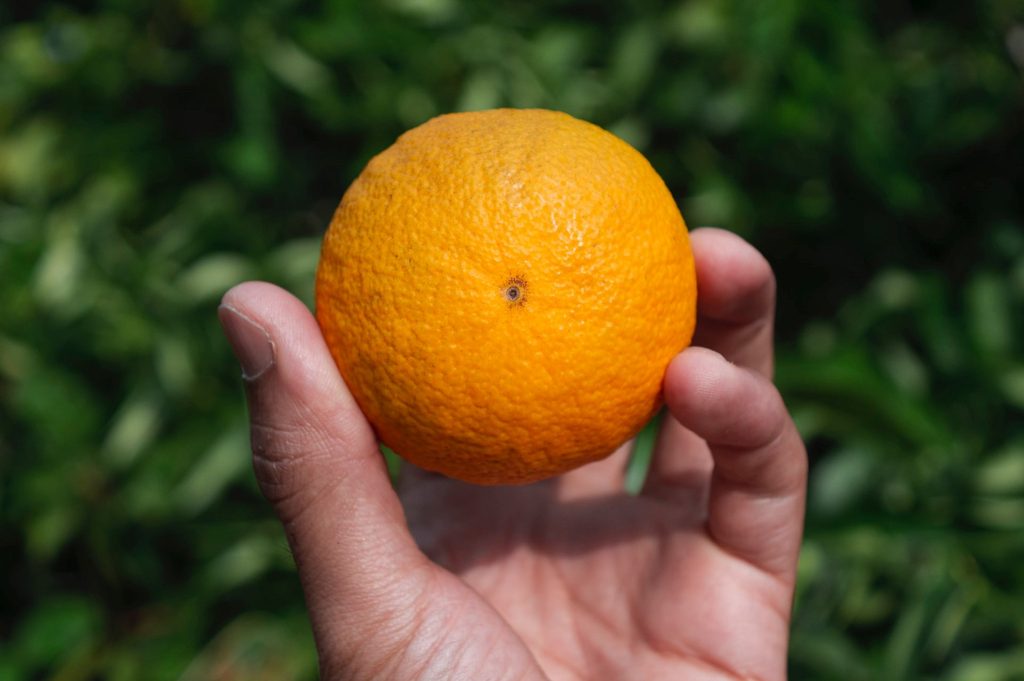
Now that you know what happens to orange peels in compost, you might be wondering if you can compost the rest of the orange along with it. The good news is that oranges are compostable in their entirety, but you need to be careful with them. As previously mentioned, oranges and other citrus fruits are acidic, which can damage the bacteria in your compost. A whole orange will add more acidity than the peels alone will, so you’ll want to avoid composting them too often.
However, an orange every once in a while won’t cause lasting damage. Cut it up into smaller pieces to help speed up the decomposition process. If you often find yourself with oranges that need to be composted, consider creating a second compost bin specifically for acidic foods like oranges, lemons, and tomatoes.
Can you use orange peels for other things?

If composting your orange peels doesn’t sound like it’ll work for you, or you simply have too many citrus peels to compost at once, you may be wondering what else you can do with them. Orange peels, along with other citrus fruits like lemons, grapefruits, and limes, actually have many uses.
If you enjoy cooking and baking, you can shave them down to use as zest, make candied fruit peels, or use them to garnish drinks or baked goods. Citrus peels are also useful for adding scent to potpourris and some types of homemade cleaning solutions. Larger peels can be used for bird feeders or even tiny emergency candles.
Ultimately, when you know what you’re doing, adding orange peels to your compost pile can result in excellent fertilizer, which provides many nutrients to the soil.