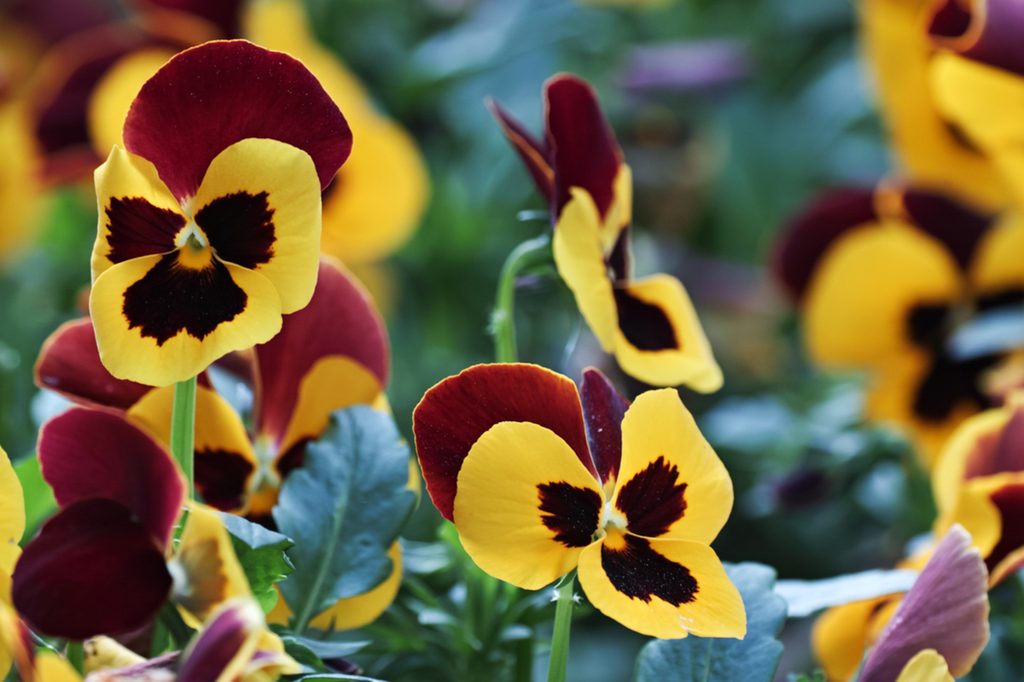
When planning your next early spring garden, it’s important to find flowers that love cooler weather. Pansies are the perfect choice! They love the cooler weather of early spring and mid to late fall, and they are colorful and beautiful. If the fog of an early spring morning seems gloomy to you, there’s nothing like a cluster of pansies to brighten things up.
If your home or garden needs some cheerful pansies, then this is the care guide for you. We’ll answer all your pansy care questions, so you can start growing pansies today.
Planting pansies
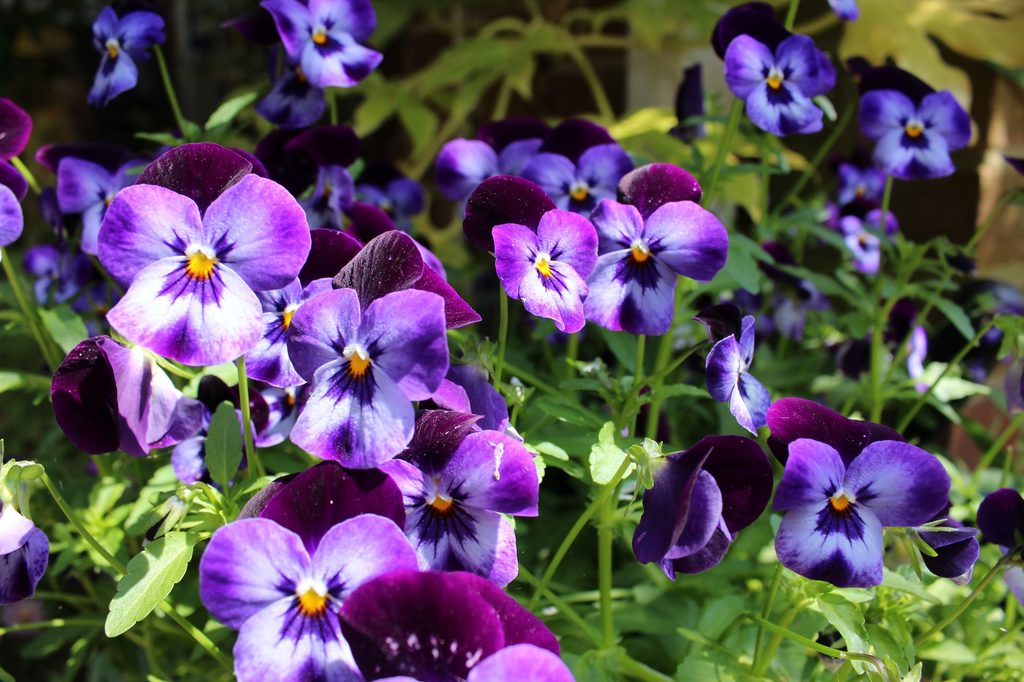
Many spring flowers need to be planted after the last frost, or at least after the last hard frost, but not pansies. These flowers love cool weather. You can start planting pansies any time after the ground thaws enough to be dug in. If you can make holes to plant your pansies in, your pansies will be OK.
Plant your pansies in full to partial sun. In most cases, pansies prefer full sun. However, they don’t handle heat well. In southern climates, provide your pansy plants with shade in the afternoon to protect them from the more intense heat. Pansies are cool-weather flowers, so afternoon shade in hotter regions is essential if you want to keep your pansies healthy through the summer.
You can grow your pansies in traditional gardens or in containers, but make sure the soil is well drained and fertile. If you plan on growing your pansies in a pot or window box, choose a container with drainage holes. To make your soil richer in organic matter and improve drainage, consider mixing compost or leaf mulch into your soil before planting your pansies.
Pansy care
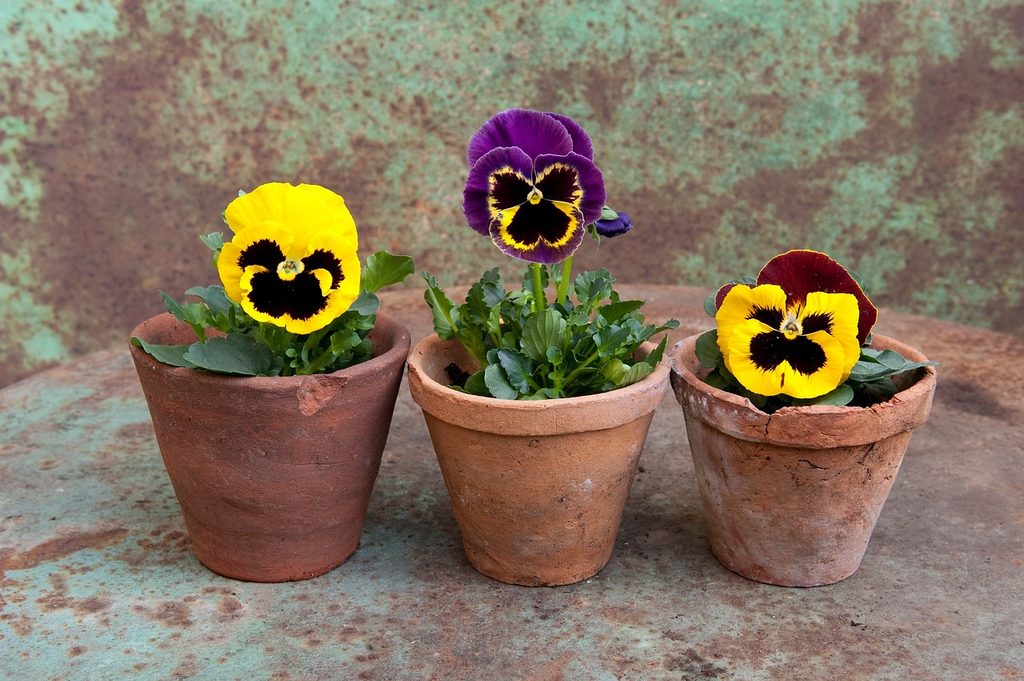
Pansies are relatively low-maintenance flowers, but there are a few things they require. Regular watering is one of them. Whenever the top inch or so of soil is dry, it’s time to water your pansies. Keep in mind that you’ll need to water them more often during hot weather, especially if they don’t have shade.
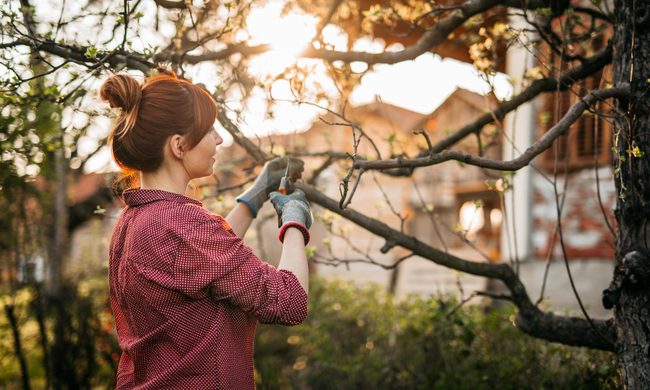
While it technically isn’t necessary, pansies do benefit from regular deadheading. This keeps the plant looking nice and neat, but it also encourages your pansies to continue blooming. Simply pinch or cut the wilted flowers off of the plant. You can compost these flowers or throw them away, but you can also press them, preserve them in resin, or even eat them.
During cool weather, when your pansies are growing, you can feed them with a balanced water-soluble or slow-release fertilizer. If you aren’t sure what kind of fertilizer to get or how often to apply it, you can find pansy-specific fertilizers that are tuned to the specific needs of these lovely flowers.
Pests and diseases
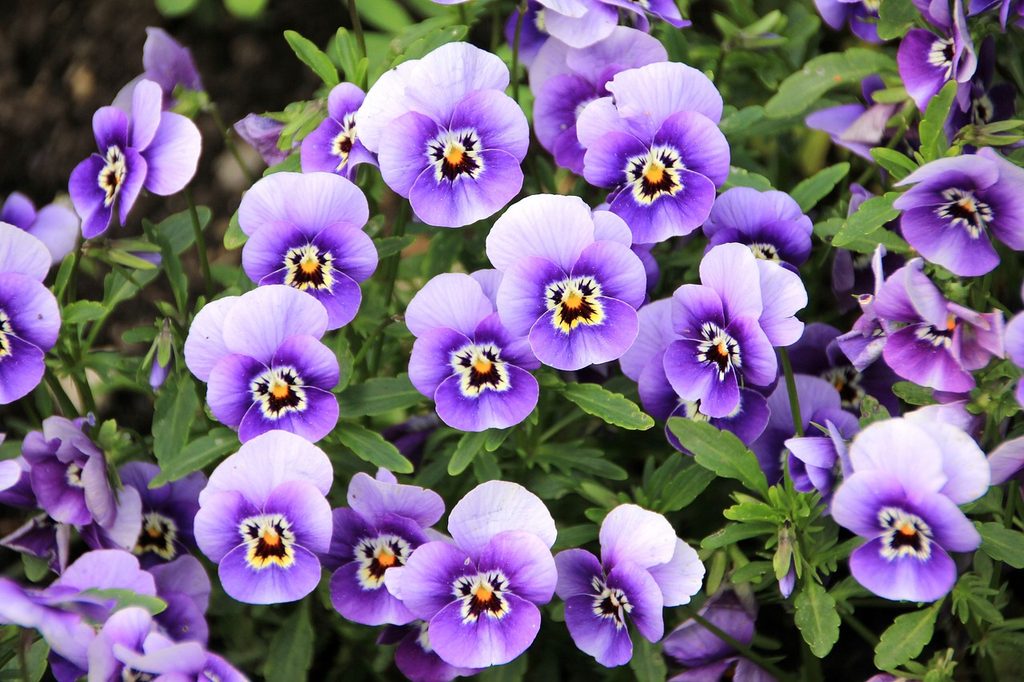
Pansies can be troubled by several pests, including aphids, fungus gnats, whiteflies, thrips, and caterpillars. While the damage from the pests is mostly cosmetic, severe infestations can weaken the plants. This is especially true in late spring and summer, when most pests are more active and your pansies may already be weak from the heat. You can get rid of these pests through the careful application of an insecticidal soap or neem oil.
When it comes to diseases, the most common ones pansies are afflicted with are fungal infections. Due to their love of moist soil, fungi can become a problem, especially if your pansies are overwatered or the soil has poor drainage. The most common fungal infections to look out for are root rot, crown rot, leaf spot, mildew, and fusarium wilt. Preventing fungal infections is often easier than treating them, so take care when planting and watering your pansies.
Companion plants for pansies
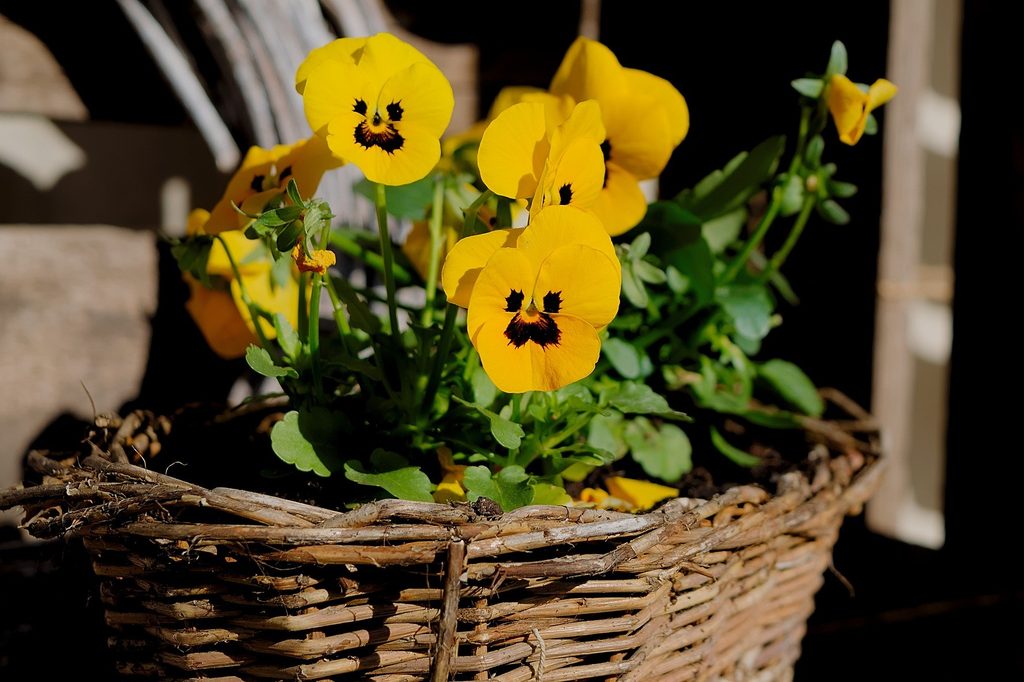
Pansies are beautiful on their own, but you can grow them with other plants for an even lovelier display. For an early spring garden, plant your pansies alongside crocuses, primroses, tulips, and daffodils. To complement your pansies later in the season, add irises, columbine, mums, daisies, lupine, marigolds, sweet alyssum, and violas. A mix of these flowers will keep your garden bursting with color all throughout spring and summer.
Flowers aren’t the only plants you can grow alongside pansies, though. Pansies make an excellent companion plant for cool-weather vegetables. Kale, cabbage, lettuce, Swiss chard, and even tomatoes can be planted alongside your pansies. Pansies don’t just add color to your vegetable garden, they are also helpful for attracting pollinators.
Pansies are a great fit for almost any garden, and they can brighten up any room, flower garden, or even vegetable garden. Whether you plan on growing them as perennials or annuals, pansies are colorful, cheerful plants. They make excellent gifts for spring holidays, and you can even add them to the tops of baked goods as an edible decoration. So add pansies to the list for your next spring or fall garden, and in no time, you can have a garden full of these lovely flowers!