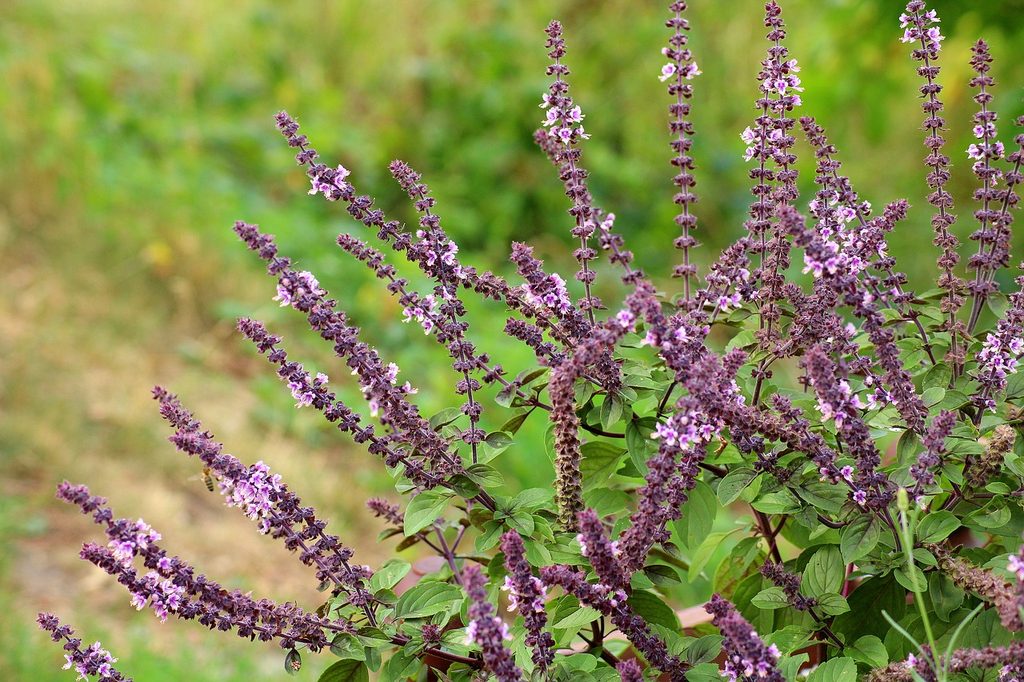
When planning a pollinator-friendly and drought-tolerant garden, you have plenty of options to choose from. Salvia, or sage, is a popular choice, but did you know there is more than one kind of sage? Russian sage may not be the first type of sage you think of, but it is a lovely and hardy plant. If you want to try growing this amazing and easy-to-care-for plant in your yard or garden, then this is the care guide for you. We’ll answer all your questions about Russian sage plant care to help ensure your garden thrives.
Planting Russian sage
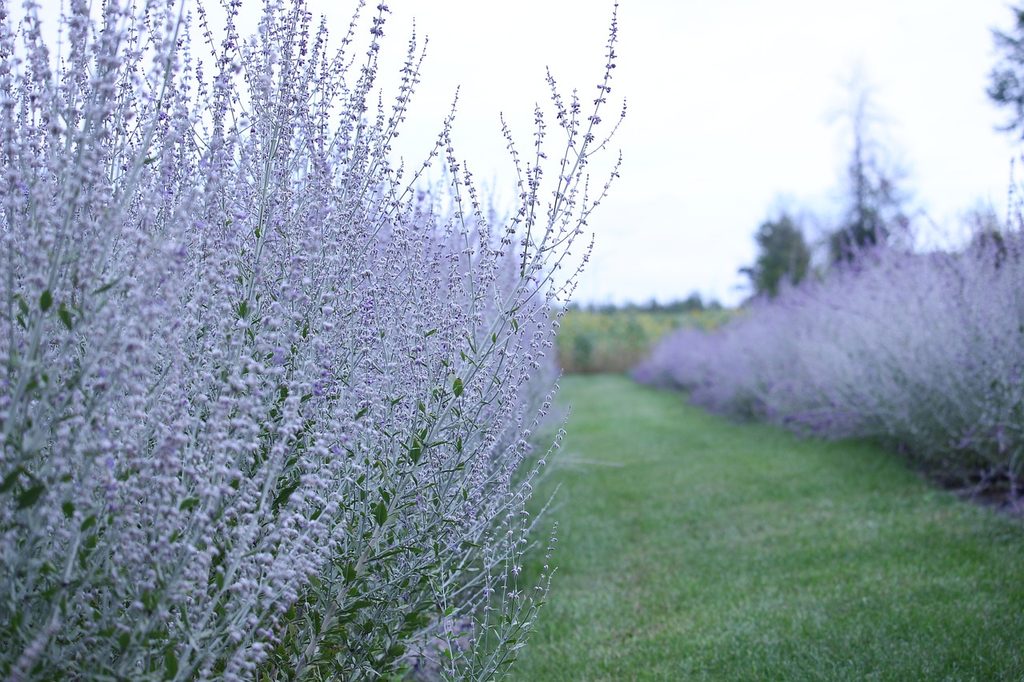
Choose a planting site in full sun, with well-draining soil and plenty of space to grow. Russian sage can tolerate some shade, but the stems can become limp or droopy if they don’t have enough sun. Well-draining soil is important, as Russian sage doesn’t tolerate wet feet for long. It also struggles to thrive in acidic soil, so be sure the soil is alkaline or neutral. You can find a soil pH test kit online or in many garden supply stores, which can help you determine if you need to adjust the soil’s pH or find a new planting site.
Russian sage will spread over time, and it can grow to a few feet tall and wide. Avoid planting it in places where it will be constrained by other plants or structures, as this can limit airflow and increase competition for resources.
Russian sage plant care
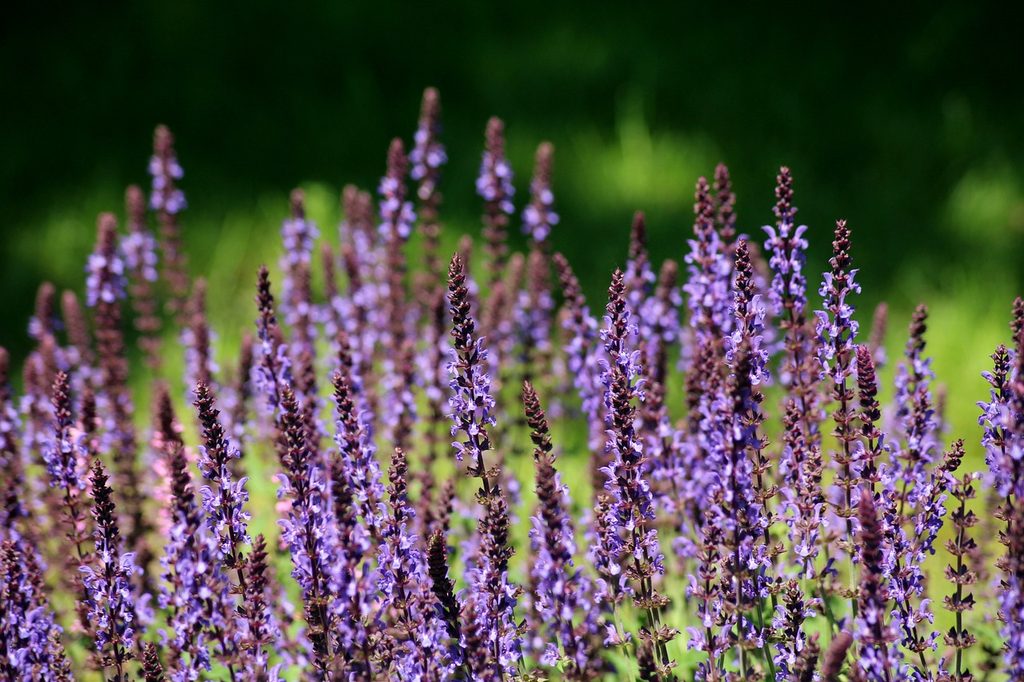
Russian sage plant care is fairly simple once it is planted and established. It rarely needs to be fertilized, and it needs relatively infrequent waterings. Russian sage is drought tolerant and does not enjoy wet feet, so avoid watering it if the soil is still damp. In areas with regular rainfall, your Russian sage may not need to be watered for most of the year. Watering it during droughts can keep it looking fresh and neat, but your Russian sage can survive droughts.
However, it will require regular water for the first several weeks after planting to establish a strong root system. While pruning isn’t strictly necessary, it can be helpful for controlling your plant’s size and encouraging a wider, bushier growth habit rather than a taller one. Pruning to remove dead or diseased branches, like with most plants, is a good idea.
Common problems with Russian sage
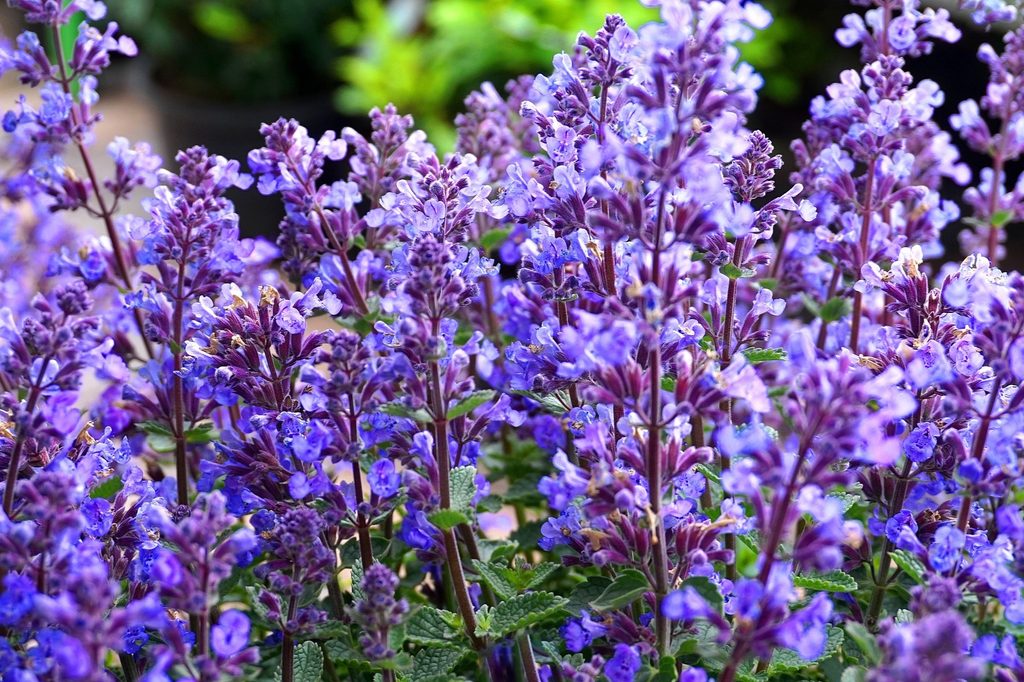
Russian sage is resistant to most pests, including deer. Like many other aromatic herbs, the scent it gives off is unpleasant to most pests. However, Russian sage does have a common problem that gives some gardeners trouble — overwatering. As with many other drought-tolerant plants, Russian sage is sensitive to water and easy to overwater. When overwatered, it can develop root rot, yellowing leaves, limp stems, and a general weakness. Soil drainage and careful watering can help. If you live in a region with extremely regular heavy rainfall, you may want to consider growing Russian sage in a container that can be moved under shelter during heavy rainfall.
Russian sage companion plants
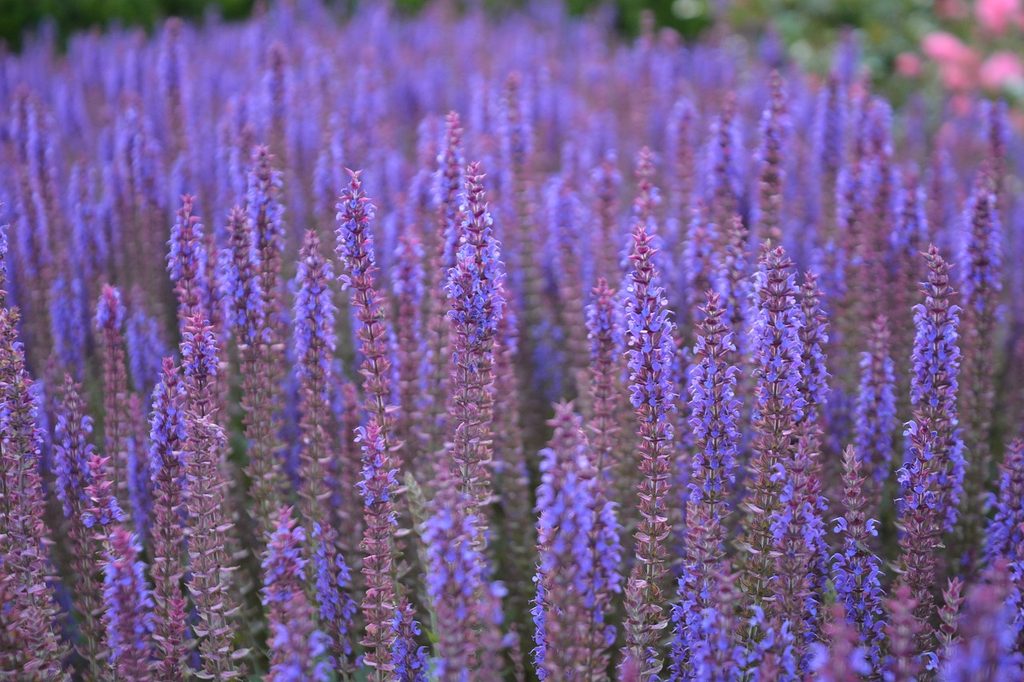
Russian sage can grow with most other drought-tolerant, full-sun plants. In particular, other herbs such as lavender, nepeta, and yarrow make good companions for Russian sage. Wildflowers like coneflowers, coreopsis, and black-eyed Susans make great companions as well. These plants all have similar needs, and as an added bonus, they’re all popular with pollinators and wildlife!
Avoid planting Russian sage with full shade or water-loving plants, as their needs will conflict quite a bit. Be sure that if your chosen companion plant will grow taller than your Russian sage that they are spaced appropriately to avoid shading the Russian sage.
Is Russian sage edible?
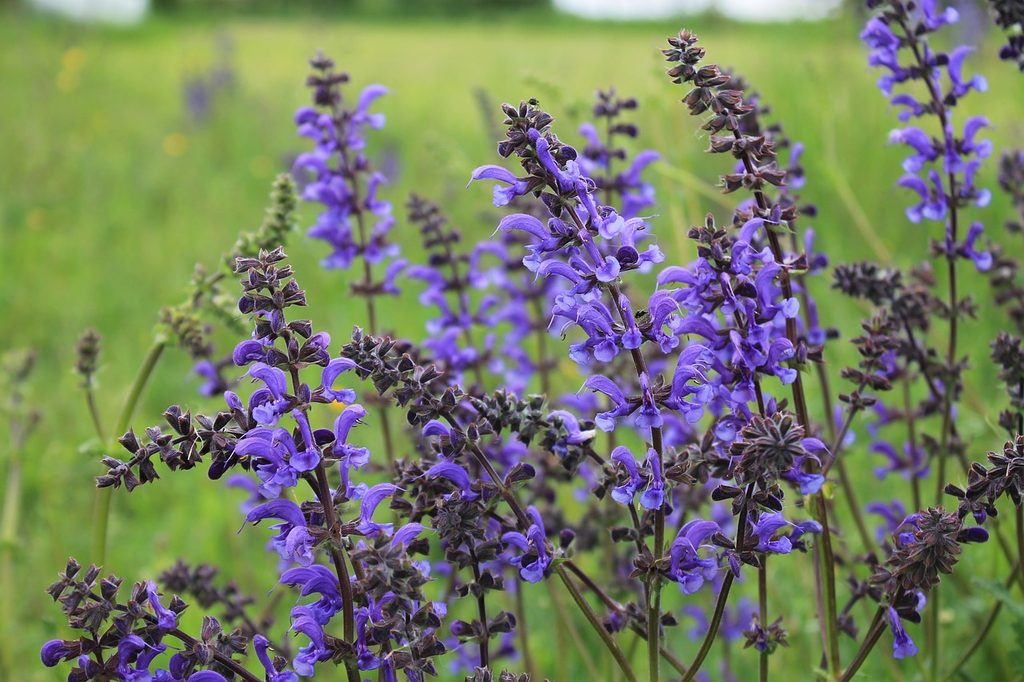
Unlike the delicious Salvia officinalis, also called common sage or culinary sage, Russian sage is not edible. However, the leaves do have a pleasant smell when crushed, similar to that of common sage. This scent is enhanced when dry, making it a popular choice for potpourri, dried flower arrangements, and other such projects. So while it doesn’t make for a great snack or flavoring, it can still be pleasant to have around your home. The flowers are also quite pretty, so consider creating a beautiful and enticingly scented cut flower bouquet for your home.
Russian sage is a hardy plant with beautiful flowers and a lovely smell, and now you’re ready to add it to your home or garden. Whether you’re considering planting a small hedge of Russian sage or are just looking for one plant to liven up part of your garden, this easy-to-grow herb is sure to please. As long as you have plenty of sunshine and a dry patch of land, your Russian sage will thrive!