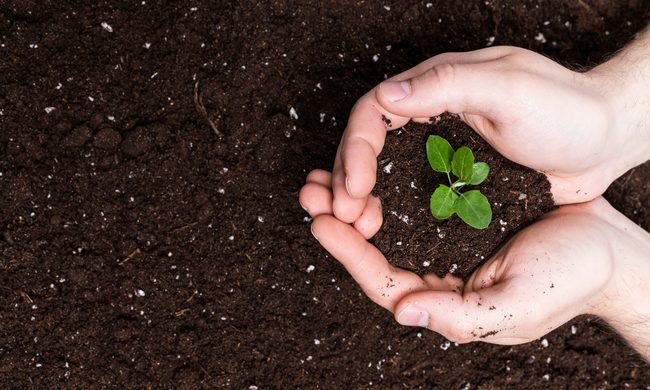
Spring is an excellent time to start a new garden or replant your old one. There are tons of options, from brightly colored flowers to sweet and crunchy peppers. With so many choices, it can be hard to decide what to grow next. For a tasty summer harvest, you’ll want to start planting vegetables in spring. If you’re ready to do some spring vegetable gardening, then you’re in the right place! Here are five easy-to-grow vegetables you can plant in your garden this spring.
Spinach
Spinach is a great choice for spring gardens. It grows fairly quickly, you can harvest it multiple times, it’s quite cold tolerant, and you can use it in many types of meals. You can start spinach from seeds as early as six weeks before the last frost date. In some climates, you can even plant spinach in the fall and harvest it over winter!
Plant a row of spinach each week for the first few weeks of spring and you can harvest spinach continuously. You can also harvest it a few leaves at a time, extending your harvest into early summer. However, warm weather will cause spinach to flower, which makes the leaves bitter.
Plant spinach in full sun and keep the soil moist. You may see some damage from leaf-eating insects, such as leaf miners or slugs. An insecticidal soap can help keep them at bay without damaging your spinach. Make sure you wash the leaves thoroughly before eating and store excess spinach in bags or containers in the refrigerator.
Broccoli
It’s best to plant broccoli in early spring, while the weather is still cool. Planting broccoli early is key, since heat can make it bolt. This is doubly troublesome for broccoli, since the flower head is also the part we eat. However, there are more heat-resistant varieties that you can plant later in spring if need be.
Plant your broccoli in full sun, with rich, well-draining soil. During the rainier parts of spring, you may not need to water your broccoli very much. Weekly water is important for broccoli to thrive, so make sure to water it during weeks without rain.
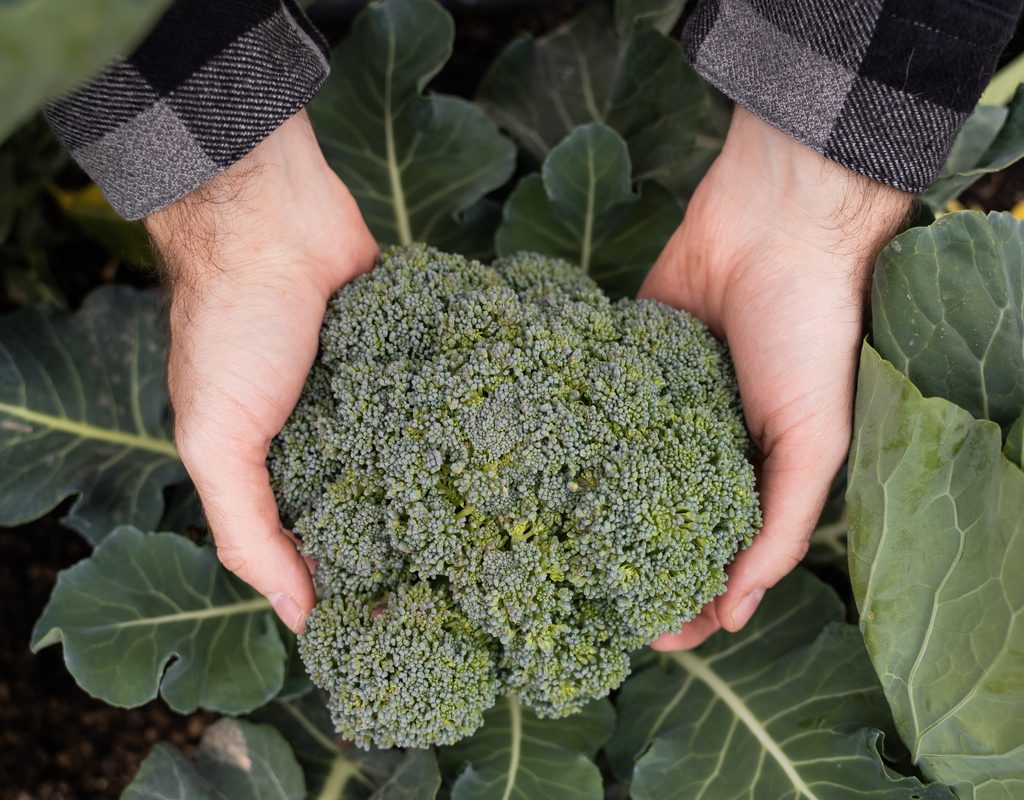
You should harvest your broccoli when the top is full of tiny green buds. Most broccoli varieties are ready to harvest in 70 to 100 days, if you’re planting from seeds. If you plant nursery starts, then your harvest time will be closer to 60 to 80 days. You can harvest and eat the leaves as well.
Cucumbers
With cucumbers, you can plant them as early as February in hotter climates, but if you’re in a cooler or milder climate, you should aim to plant them in April. Ideally, the temperatures should be in the 60s to 70s before you begin planting cucumbers. However, you can get a jumpstart on the growing season by starting cucumber seeds indoors during winter.
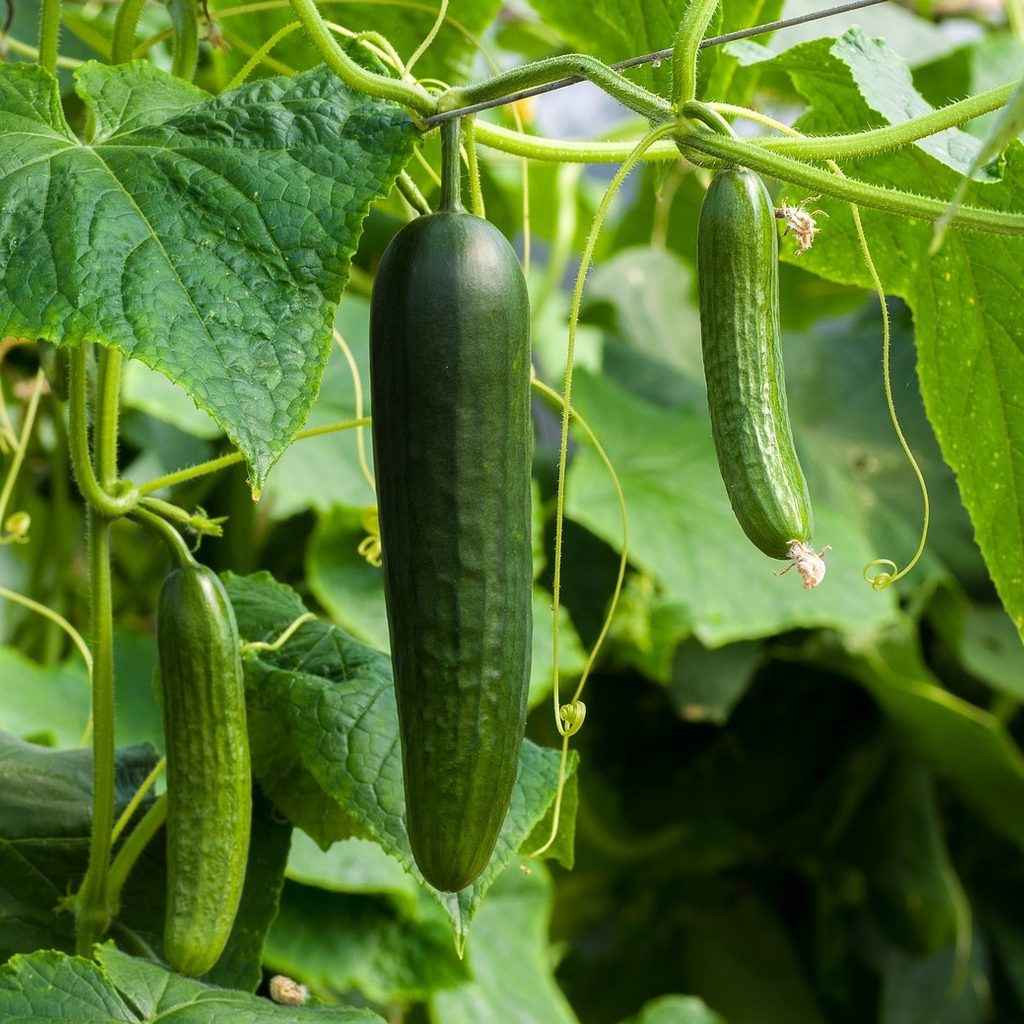
Cucumbers need consistent moisture, which is in part due to how hot they prefer it to be. Water evaporates more quickly in hot, sunny weather, so keep an eye on the soil at the base of your cucumber plants. They are ready to harvest when they are 6 to 8 inches long and dark green in color.
You can avoid some of the most common cucumber pests and diseases by growing them on a trellis, so the cucumbers aren’t in direct contact with the ground. Cucumber flowers sometimes need pollination by hand. Simply move the pollen from one flower to another with a paintbrush or cotton swab.
Radishes
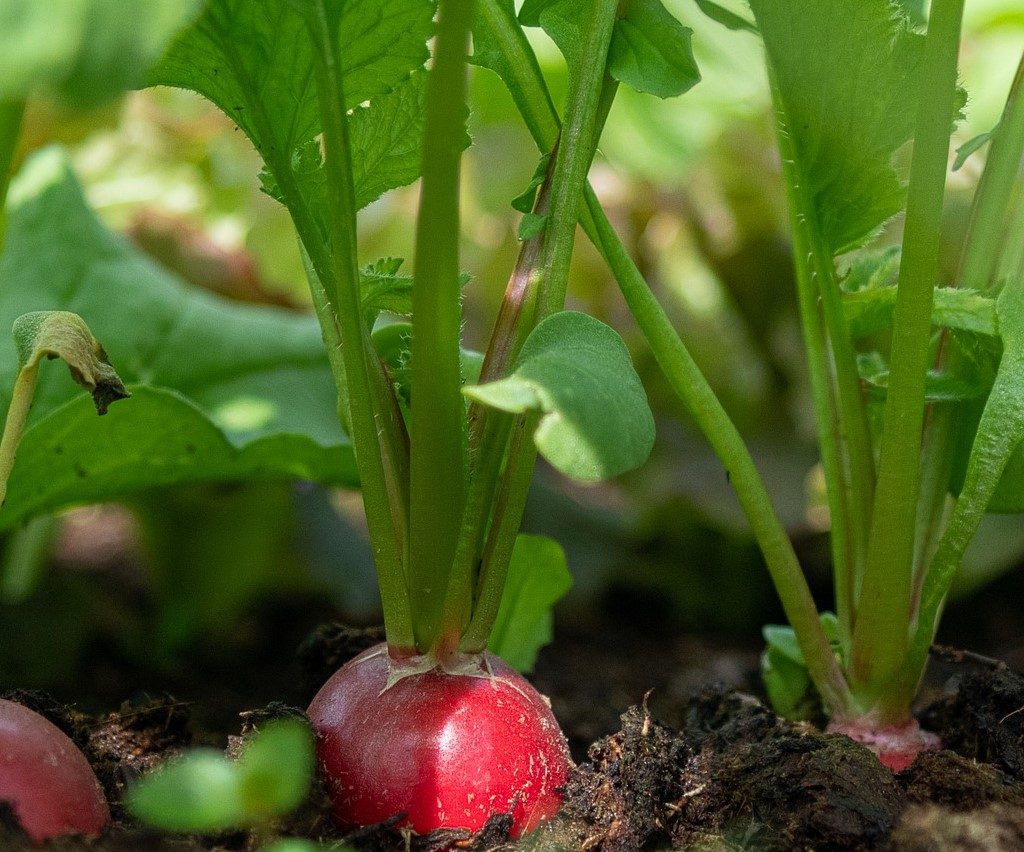
Radishes are great for early spring gardens. They grow easily and quickly and you can grow them in containers. They are also quite cold-hardy veggies. Radishes can survive temperatures below freezing for brief periods of time, although heavy freezes can still damage them. All you need to wait for to begin planting radishes is workable soil. Since radishes are root vegetables, tightly packed or rocky soil can inhibit their growth. In general, begin planting radish seeds four to six weeks before the last frost.
Plant your radishes in full sun. Although they can tolerate some shade, planting them in full shade leads to larger leaves and smaller roots. If you plan on growing radishes for their greens, then this can work to your advantage. Keep the soil consistently moist, but not soaking wet. You can harvest some radish varieties as early as three months after planting.
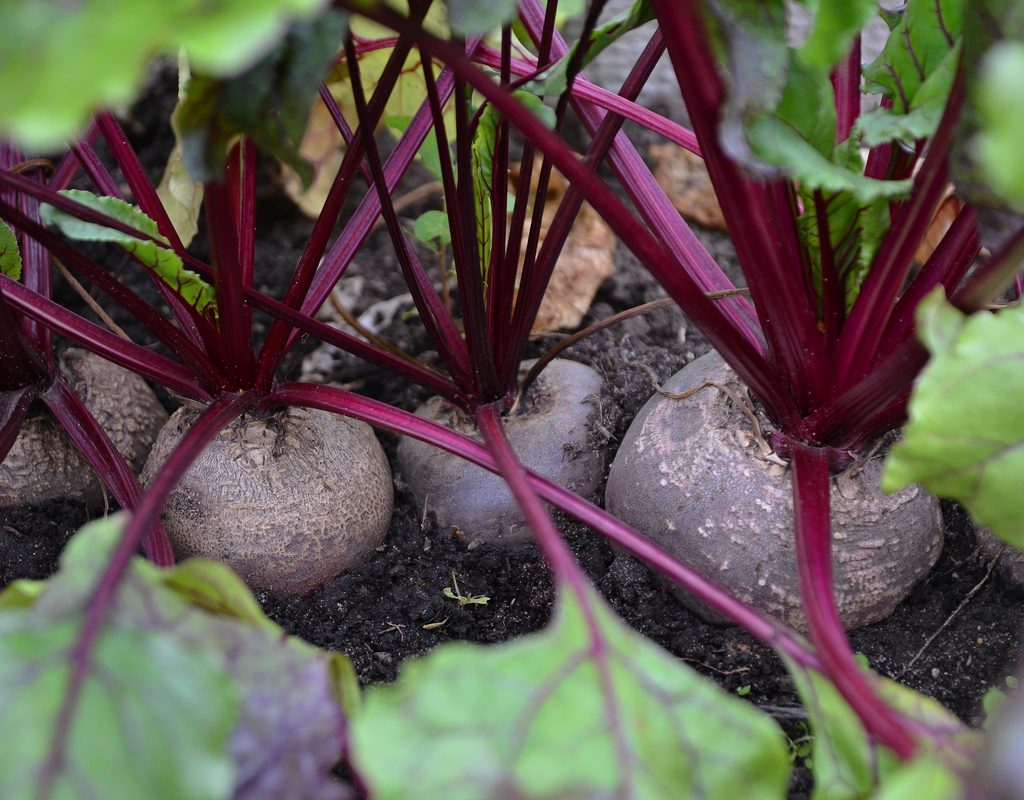
Beets
Beets, like radishes, are a cold-hardy root vegetable that grows quickly. However, beets have another quirk that makes them a great choice for early spring gardens. A little bit of frost and cold weather makes them taste sweeter. It’s a process called chill-sweetening. Certain plants convert some of their starches to sugars, which are harder to freeze, to protect them from the cold. This results in a tender, sweet beet.
Plant your beets in full sun as soon as the soil thaws enough to dig in. Loosen the soil slightly so the beets can grow uninhibited. Be patient, as cold soil slows down germination somewhat. Keep the soil moist while the beets grow. Most beets are ready to be harvested after two months.
These five veggies are phenomenal choices to start with when planning your spring vegetable garden. When the summer harvest comes around, you’ll have plenty of fresh, delicious veggies for all your meals. What you make with them is up to you! Enjoy your spring vegetable garden and bountiful summer harvest.