
Growing your own fruitful strawberry plants can be one of the most exciting ways to enjoy delicious, ripe strawberries each and every spring. And, believe it or not, the way you grow them is getting a makeover. Growing strawberries is taking a vertical turn for the best, offering up the most delicious harvests you can imagine. So, check out what vertical growing is all about and how to grow your very own vertical strawberry garden in the most efficient way possible.
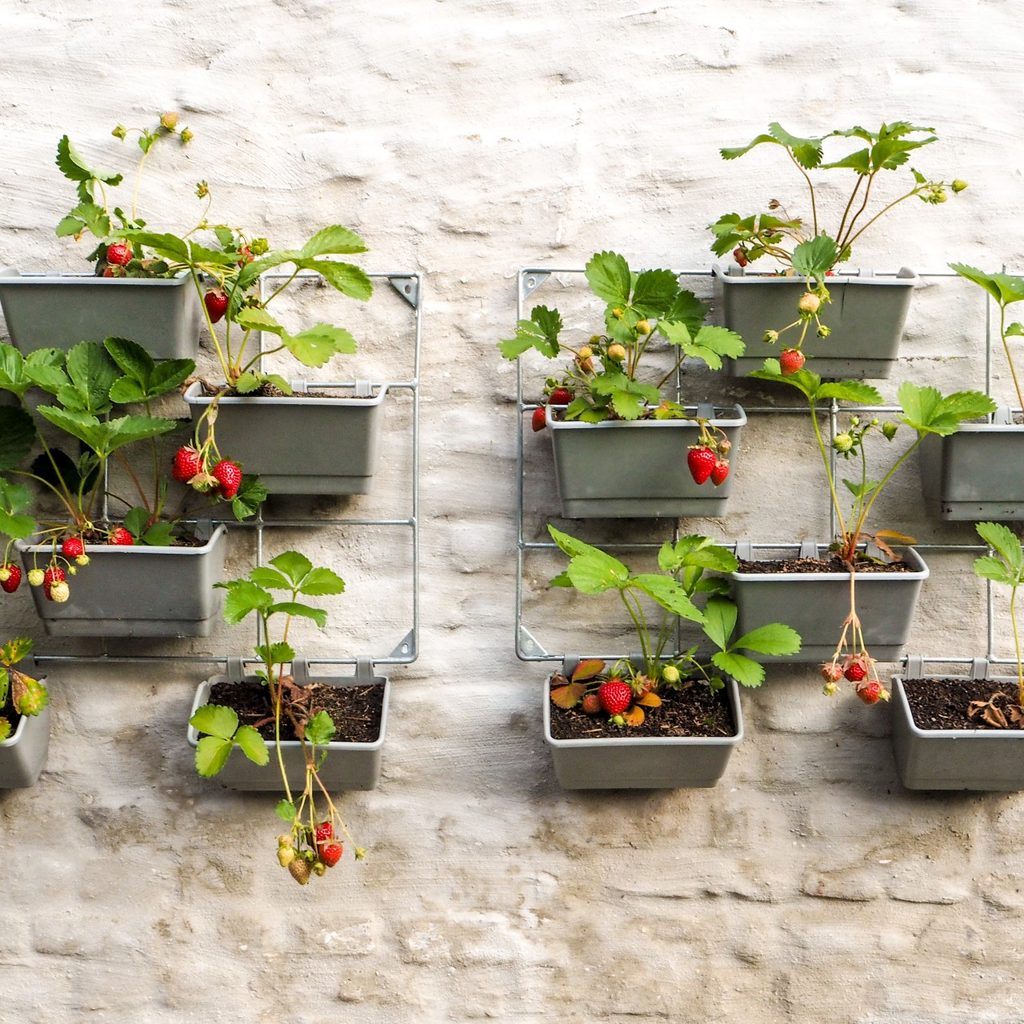
Can strawberries grow vertically?
The very simple answer: Yes! Strawberries are very versatile and hardy plants, making them easy to grow in a variety of planters, locations, and environments.
Although strawberries are typically grown horizontally in rows on the ground, that doesn’t mean you can’t switch up their position. Vertical growing can be perfect for those with limited space. You can create tall structures, allowing the strawberry plants to grow out parallel to the ground.
All your strawberry plants will need is the same watering, sunlight, and attention that they would otherwise get in the ground.
What is the best planter for strawberries?
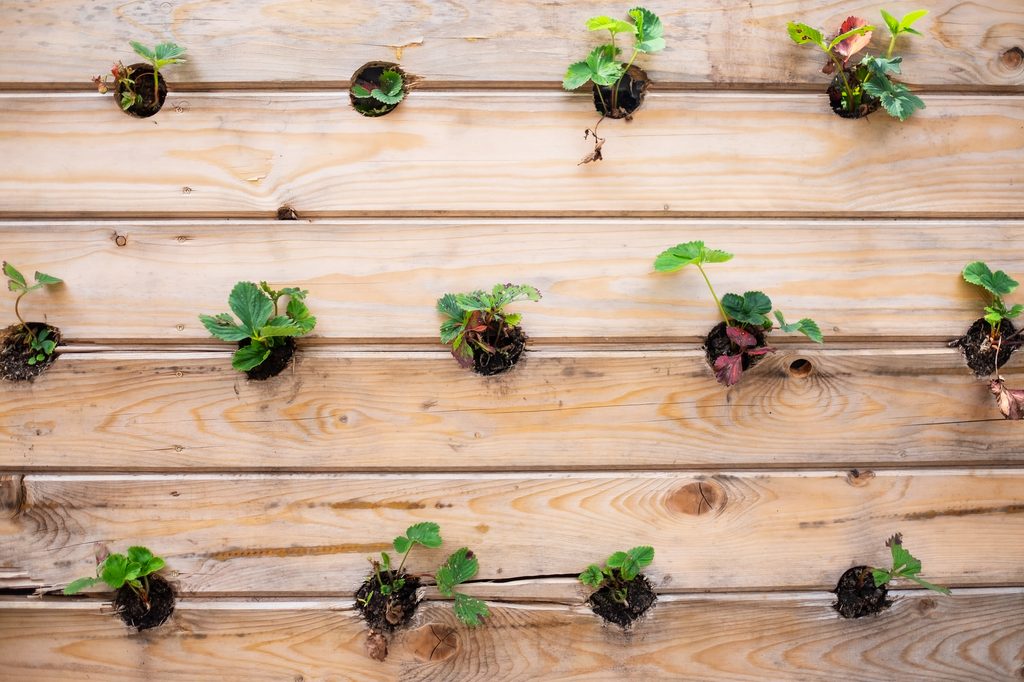
The absolute best type of planter for a strawberry is one that mimics vertical growing walls. This type of pot features holes in various locations around the container. To plant, you simply poke the strawberry plants through the holes, leaving the roots buried in the compact dirt within the pot. This type of planter is ideal for strawberries because they are very little maintenance to begin with.
They really just require enough sunlight and water to get the job done. This type of planter also prevents the fruit from touching anything but the air, resulting in a much smaller chance of bacterial growth on the strawberries. Since strawberries have a shallow root system, this type of planter offers just enough soil for them to sit comfortably.
This hole-filled container can be bought or created on your own with a drill. Either way, it is an affordable, handy option to try that will result in vibrant, juicy red berries.
Do hanging strawberry planters work?
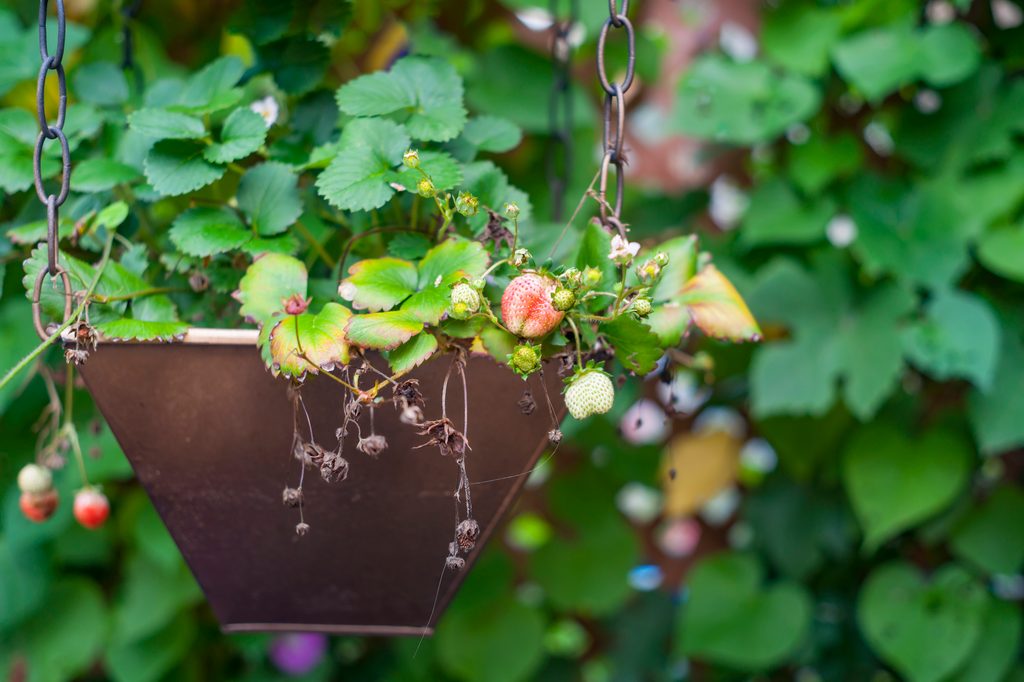
Hanging strawberry planters are a great way to grow luscious, delicious, fresh fruit right at home. The great thing about hanging planters is that they can fit nearly anywhere, making them a great option for anyone with limited space. Strawberry plants flourish in this type of environment because they offer plenty of growing space for the strawberries and compact soil for the roots to grip.
When it comes to getting a hanging strawberry planter of your own, it is important to ensure that you have a good space for proper growth. Ensure that the area you choose has plenty of sun and little to no wind.
How do you make a strawberry tower?
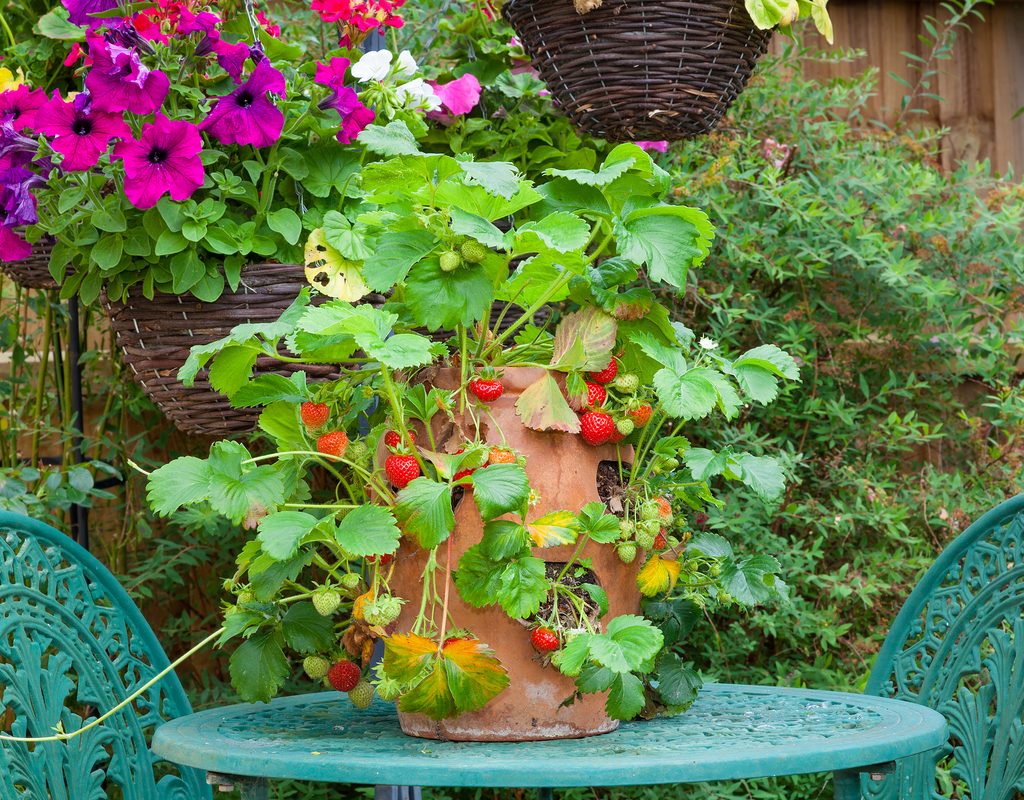
A strawberry tower is essentially a tall, cylindrical container that has holes cut into it for the strawberry plants. It is then filled up with nutrient-rich soil, fitted with lush, green strawberry plants, and placed in the sun for plenty of light. Making a strawberry tower can be easy when you have the right materials and tools to get the job done efficiently. To start, you’ll need:
- A tall, thin container as your base — something like a five-gallon bucket
- Hole drill bits
- Landscape fabric
- Nutrient-rich soil
- Strawberry plants
- A sunny area
To begin, cut holes about two inches apart in all directions around your tall, thin container. Using hole drill bits will ensure a clean and circular opening that will be perfect for the plants. Next, line the interior walls with the landscape fabric and cut X-shaped slits where the fabric overlaps the opening to the holes. Fill the container with healthy soil and delicately push the roots of each plant into the openings on the sides of the bucket. Place your strawberry tower in a bright, sunny area and water it daily to enjoy a fruitful harvest of strawberries each year.
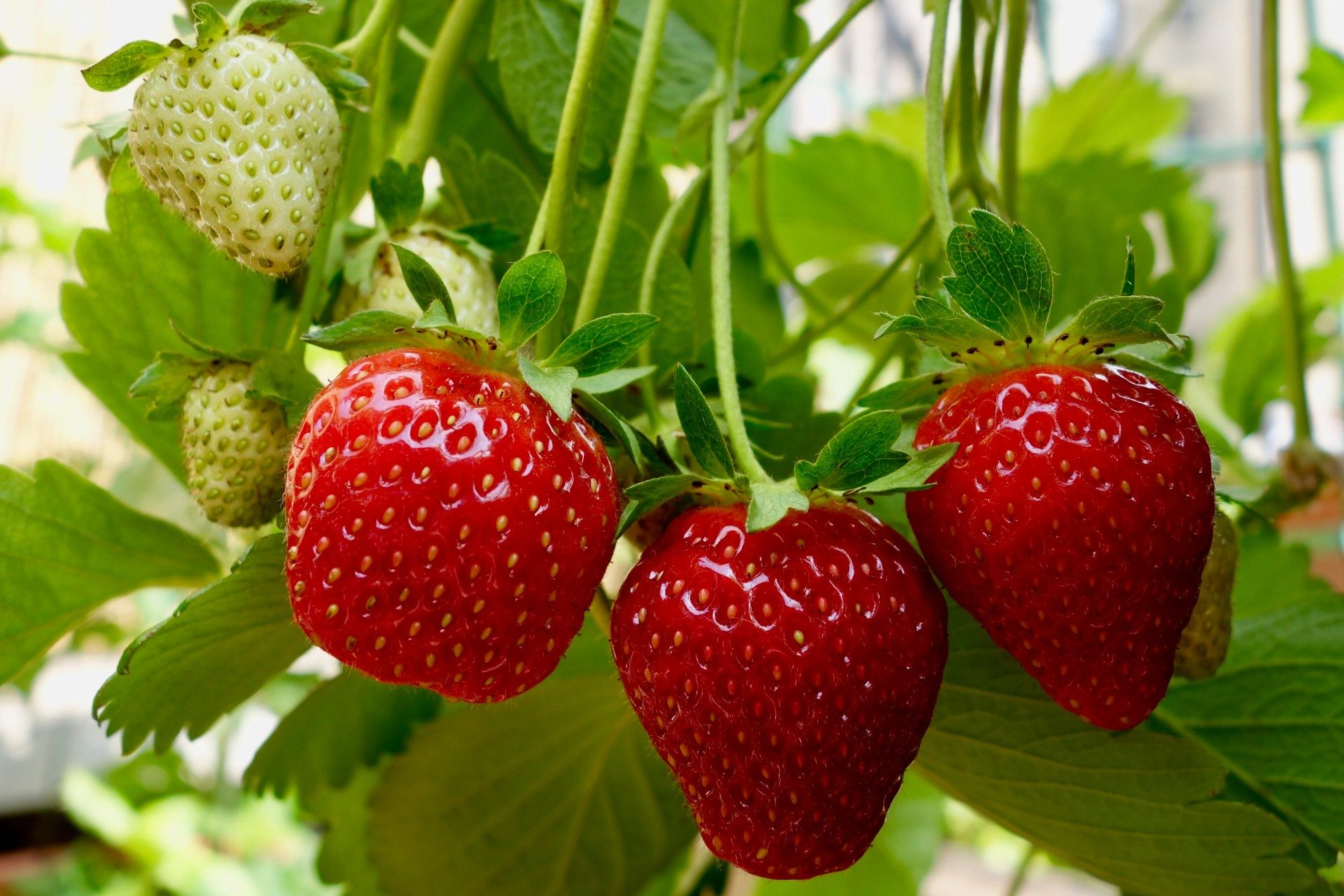
There are a multitude of ways to grow your own delicious strawberries right at home. These methods and tactics offer you a way to be creative and find what works best for you. By growing vertically, you not only save space but also create a stunning wall of beautiful plants to enjoy. From strawberry towers to hanging planters, you can grow this delicious red fruit in any direction.