We can all relate: the first sign of spring makes us eager to jump the gun, grab our gloves, and get our hands dirty preparing the garden for this year’s crops and flowers. It’s easy to settle into a gardening routine year after year. Start the seeds, plant this crop next, tend to the garden every day. But did you know, even if they haven’t caused problems, you may have some bad gardening habits? Don’t worry! Even though they may not be that obvious — we noticed! And we’re here to help with a few suggestions that can make a big impact.
Early planting
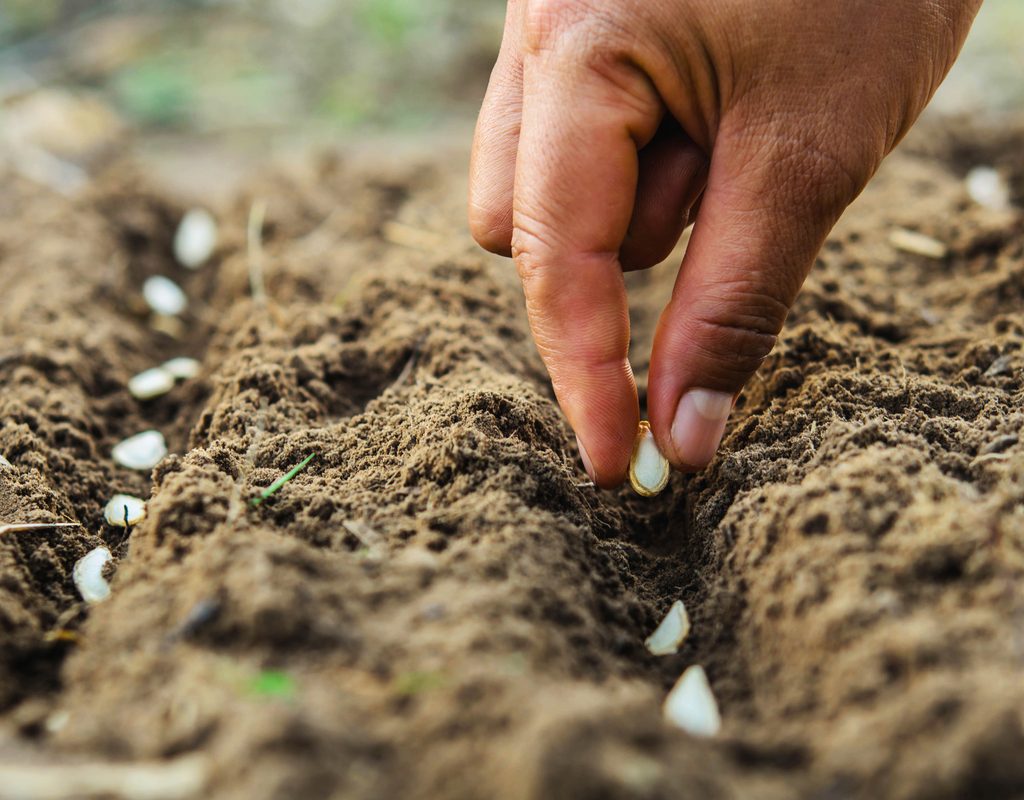
Whether out of excitement or time constraint, it’s easy to plant crops and seeds too early. While it’s not as much of a problem with plants that go dormant for the winter, it poses a big risk for annuals and perennials. How many of us have found the perfect-colored bloom at a nursery and were so excited we couldn’t wait to get home and stick it in the ground? You know you have! (So have we!)
If you plant too soon before the last frost of the season, it’s quite likely the plant will die from shock and environmental stress since it won’t yet be established in the garden. The best time to plant summer annuals is in late spring, and perennials that grow from bulbs should often be planted in the fall. Always look at the tag on the plants or seeds you buy before you get ahead of yourself. Combating early planting is very easy, and together we can keep these plants alive!
Working with wet soil
Another thing to be mindful of, especially during spring, is how often you work with wet soil. Spring can often be a wet period, and it can be tempting to start planting on the first sunny weekend you have free. However, if it rained a day or two before, you should think about how soggy the soil in your garden is. Working with it when it’s wet can damage the soil’s structure, compressing it, and making it more difficult for air and water to reach plant roots.
It’s quite a simple fix but is sure to test even the strongest gardener’s patience. If you go to plant and the soil is wet, start by taking a trowel and digging some up from a spot that won’t interfere with your plants. Squeeze it in your hand, and if it forms something similar to a ball, you’ll need to wait a couple more dry days before you should plant anything more.
Not pruning properly
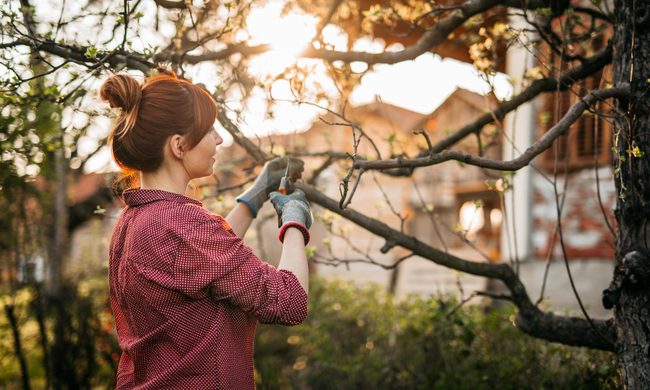
Oftentimes when pruning, it’s easy to make the mistake of cutting too close to a stem or trunk. The larger the cut spot is, the longer it takes to heal, which leaves the plant susceptible to pests and diseases. It’s equally troubling for the plant when you don’t cut close enough and leave a small stub that can’t heal properly.
When you go to trim a tree or cut a branch off of a bush, you should make the cut within a quarter inch of the connecting stem or trunk. This is the ideal spot for proper healing and will leave your plant much happier in the long run.
Watering your garden beds
Watering by hand can be very tempting, especially when the hose is within a few feet of your garden beds and it doesn’t make sense to buy sprinklers when you can stand out there for a few minutes each day and give your plants a nice drink. Hold on, though! This is really only a viable option if you have a couple of garden beds that aren’t very large. Have gardens all around your house? Forget it.
Instead, invest in a couple sprinklers with timers (or set a timer on your watch, stove, or phone), hook them up to the hoses, and let them run for 10 to 15 minutes when your plants need watering. This is much easier than traveling from garden bed to garden bed, hose in hand, and will actually let you water multiple beds at once while doing other chores.
Tilling repeatedly
Tilling is helpful every once in a while on regular garden beds and most useful if you live somewhere with hard, rocky soil or you’re starting a garden in a new location. But, doing it every year on an already-established garden bed that isn’t rocky or compacted can be harmful in the long run. Sure, it feels like you’re doing the right thing! Gardens are supposed to be tilled to prepare them for planting. But the reality is, you’re pulverizing the soil to the point that it’s powdery — preventing water from getting past the top layer — and chopping up necessary soil organisms.
The fix? Don’t till every year. Be mindful of the type of soil in your garden, and till it once every few years when it needs to be freshened up.
Removing all the leaves in fall
Did you know that you can turn leaves into compost? Although removing some is necessary, removing all of them as they fall takes away any added benefits your soil could gain from leaf compost. You can rake some up to maintain the grass and chop up the rest with your mower, turning them into small bits that can decompose and benefit your garden and lawn.
As you rake them, be aware of how much you toss aside and how much you could shred (or even leave on the ground for moth and butterfly larvae to overwinter in!) for leaf composting, creating an organic, nutrient-rich material for next season’s crops.
Trying to grow finicky plants outdoors
Although non-native plants can be beautiful, they aren’t ideal for outdoor growing in most hardiness zones. They take extra effort to keep alive and often can only be treated as annuals. (Remember when that bird of paradise took a turn for the worse and you couldn’t bring it back? It happens to the best of us.) You’ll find yourself spending more time in your garden than you may have scheduled — or worse, having to dig up spent plants in the middle of the season.
The easiest fix is to buy annuals native to your climate and suited for your hardiness zone. They do exist, and they’re all beautiful! These native annuals will be the most low-maintenance option for your garden beds, and it’s possible that once they go to seed, you could have some return the next season!
Not protecting for winter
This is possibly the easiest bad gardening habit to have, especially if you’re new to outdoor gardening. Think of plants in terms of people, though. We need protection to survive the cold of winter, and so do those bulbs and seeds that are overwintering outdoors.
If you experience particularly harsh winters, you can dig up the more delicate bulbs and store them in an unheated space til the spring. The best course of action, though, is look up the needs of the plants you’re overwintering. This will give you a method of protection that’s most likely to help your plants survive the cold.
Bad gardening habits may not be easy to break, but hopefully some of these summer gardening steps will get you on the right track to making your plants the happiest and healthiest they can be. And don’t feel too bad! We all have bad gardening habits we picked up early on that we don’t realize are harmful. And once we do, they’re easy to fix with a little determination.