When temperatures get warm and the sun beams down, humans and animals usually seek refuge in the shade — or air conditioning! The same can’t be said for plants, though. Plants, like trees, don’t leave their roots while alive, so they must be able to cope with fluctuations in temperature throughout the year. The natural environment can be a harsh place, so how do trees survive in it? How do they know how and when to adjust to their surroundings?
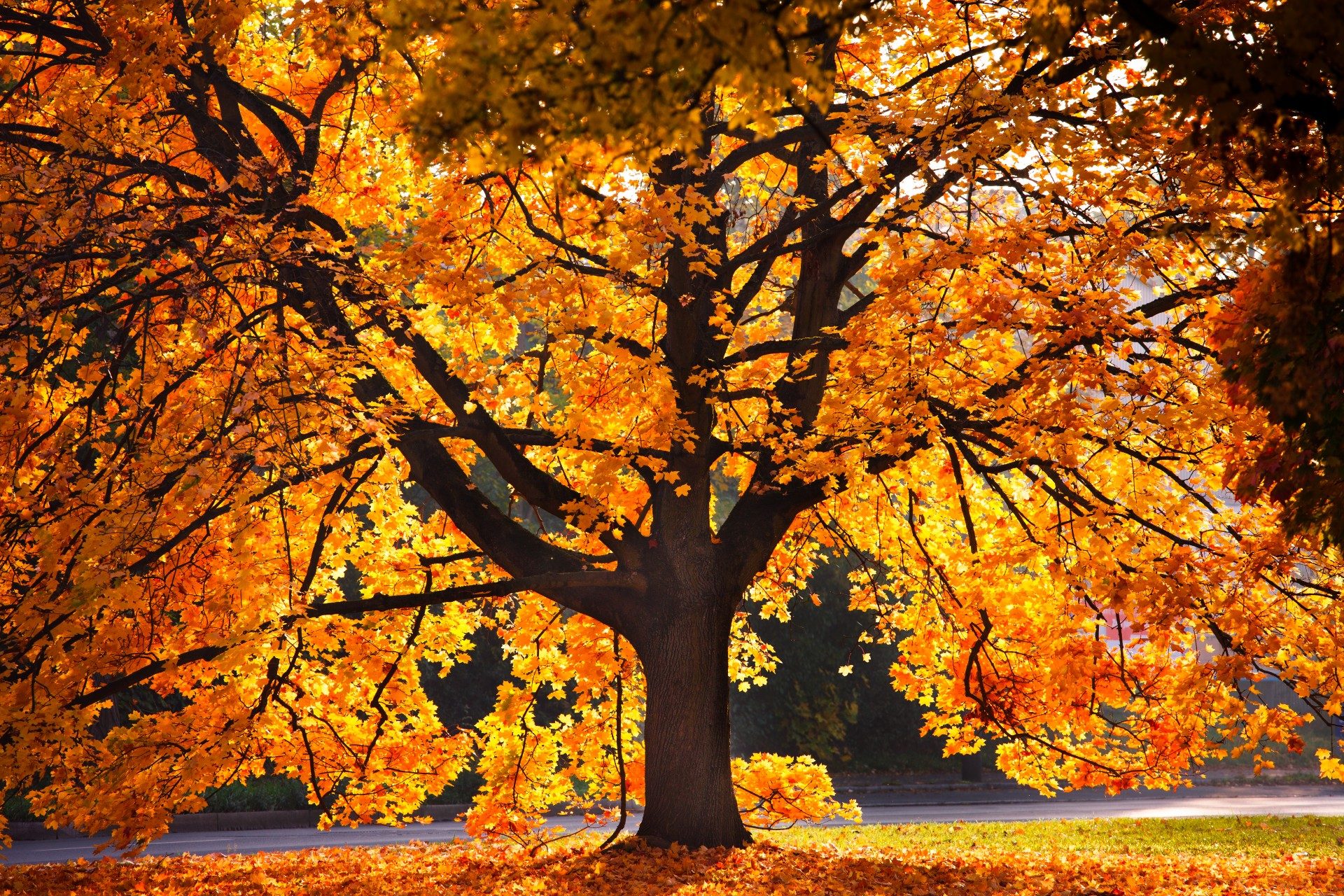
Why do some trees lose their leaves?
The act of trees losing their leaves isn’t too unlike some activities that happen within your body! Similar to humans, plants have hormones. In plants, chemical messengers are often referred to as phytohormones. Phytohormones regulate different metabolic processes in plants, such as the formation of fruits. One class of phytohormones called auxins are essential to proper development throughout the plant life cycle.
Particularly important for growth, auxins are partially responsible for trees dropping their leaves. Ethylene, another phytohormone, also contributes to seasonal changes. The scientific term for shedding by an organism is abscission.
Auxin levels are influenced by environmental conditions. As winter or the dry season approaches, less auxin reaches a plant’s leaves. This causes fewer nutrients to reach the leaves, eventually leading to them dying and falling off the tree. Plants keep track of changes in light, temperatures, precipitation, or a combination of those factors in order to know when to stop supplying their leaves with nutrition. The evolutionary advantage to abscission is that it allows a plant to better ration out what limited food it will get during the winter/dry season.
How do plants detect changes in the environment?
Many plants have cells known as photoreceptors, which detect light. There are a number of types of photoreceptors — some detect blue light, others the amount of light exposure a plant gets. All photoreceptors work together to sense when the season is shifting. Akin to how we smell and see, a plant detects light.
Regarding temperature changes, the various enzymes in a plant (like phytohormones) can only work within particular temperature ranges. Because enzymes are critical to a plant’s metabolism, without them some metabolic processes can’t occur. Plants detect temperatures of both the soil and the air surrounding them. And though an enzyme may be inactivate in the cold, sometimes a cold period is necessary in order for a plant to bloom in the spring.
Why don’t all trees lose their leaves?
Actually, even evergreen trees lose their leaves! Instead of shedding seasonally, evergreen trees are constantly undergoing abscission. Evergreen trees lose their leaves gradually in smaller quantities than non-evergreen trees. Trees that change with the seasons are called deciduous trees.
When you think of an example of an evergreen tree, you probably think of pines or other coniferous trees. But evergreen plants exist outside of cold environments, too. Tropical rainforests have primarily evergreen plants, for example. Eucalyptus trees are another type of evergreen. Something a majority of evergreens have in common is that they grow best in environments where the temperature and rainfall are relatively stable throughout the year.
How do trees know when to bloom?
Enzymes come into play again here! Most plants have an ideal, small range of temperatures that they grow best in. The hypothesized molecule that probably causes flowering in plants is the florigen. Like other phytochromes and enzymes in general, the production of florigen is triggered by certain temperature and light conditions. Moreover, florigen is not produced on the same day in all parts of a plant in order to maximize the flowers’ potential to thrive.
Florigen is only produced at certain, predictable places in a particular plant, meaning you’ll always know where a plant will bloom. One gene known to be involved in florigen localization is APETALA1. Research is still ongoing regarding the molecular basis behind the growth and seasonal cycles of plants.
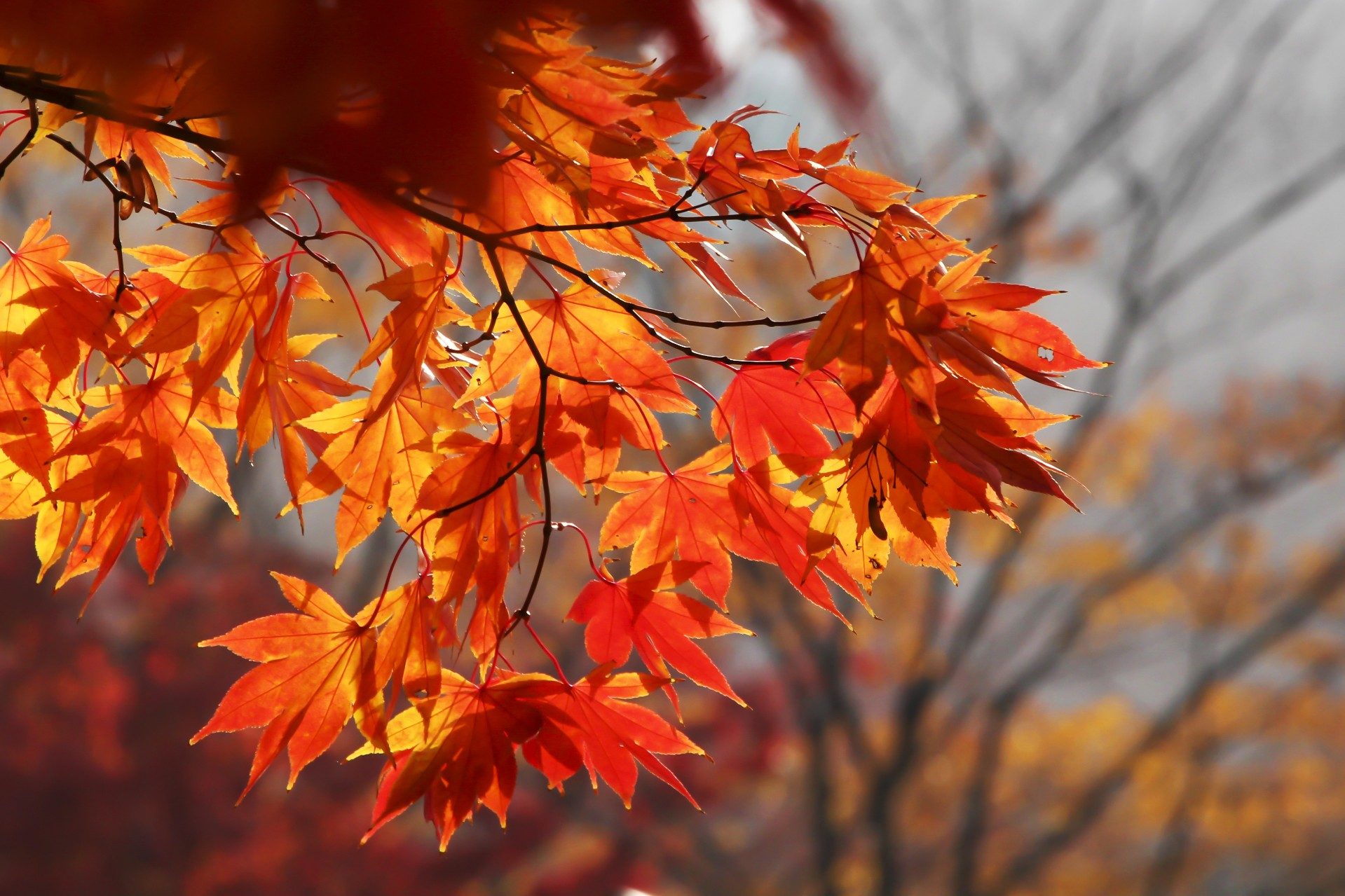
Autumn is a spectacular season, with its hues of red, yellow, orange, and brown, fallen leaves, and cooling temperatures. Abscission is just one of the many plant processes influenced by environmental conditions. Plants are very complex, although they might look simple.