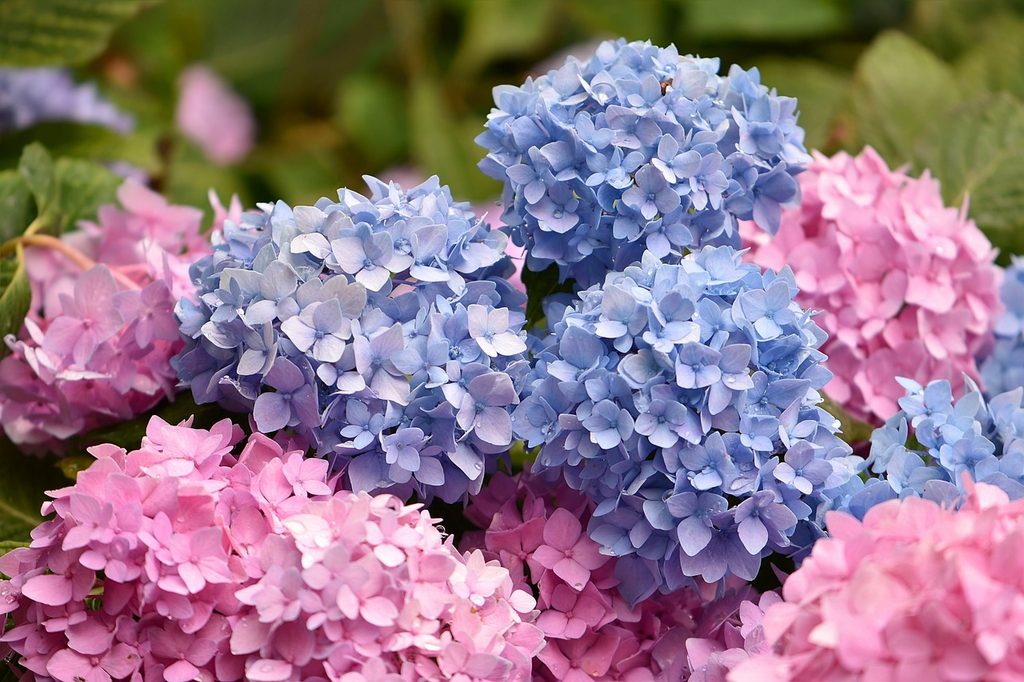
Hydrangeas are known for their color-changing quirk and large, showy flowers. These lovely plants are relatively easy to grow and come in many fantastic forms, but when do hydrangeas bloom? More importantly, for many gardeners, what should you do if your hydrangeas aren’t blooming? This guide will answer all your questions about when and how often hydrangeas flower, why yours might not be blooming, and what you can do to encourage them to bloom.
When do hydrangeas bloom?
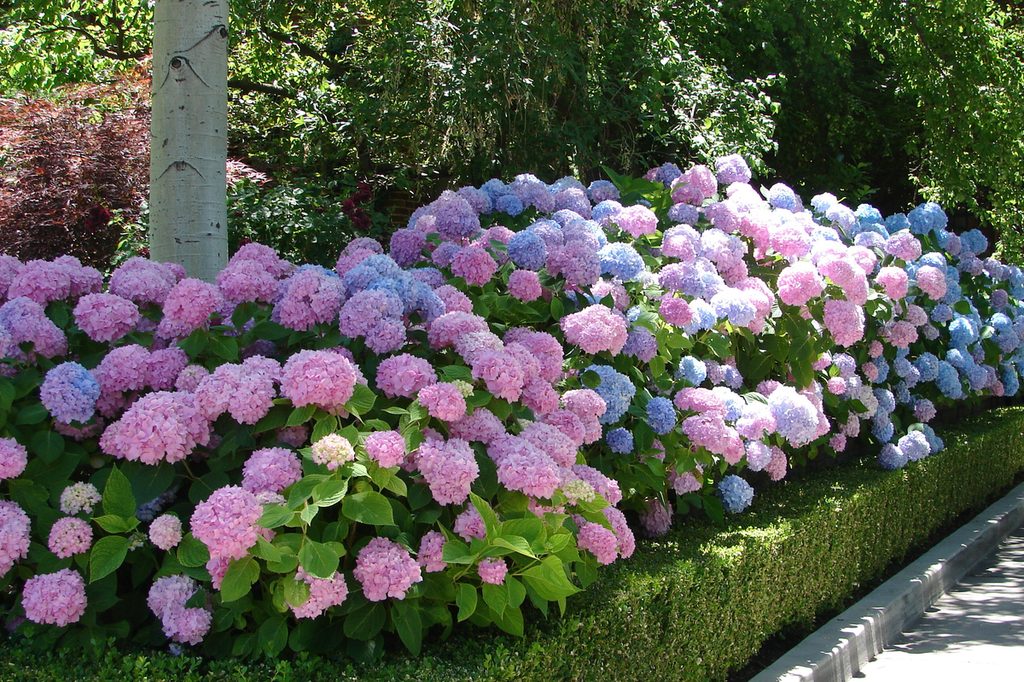
In general, hydrangeas bloom from mid-spring to early fall, but not all hydrangeas bloom at the same time. Depending on the type of hydrangea you have, you might see flowers from spring to summer or from summer to fall. You can expect to see oakleaf and French hydrangeas blooming through spring and summer, while bigleaf, panicle, and smooth hydrangeas typically bloom from summer to fall.
If you aren’t sure what type of hydrangea you have, you can also use flower buds to determine when your hydrangeas will bloom. Hydrangea flower buds open a few months after they first appear. If your hydrangeas are growing flower buds in mid to late fall, you can expect to see flowers in spring and early summer. If your hydrangea doesn’t start growing buds until spring, then you have a summer to fall blooming hydrangea.
Do hydrangeas bloom more than once per year?
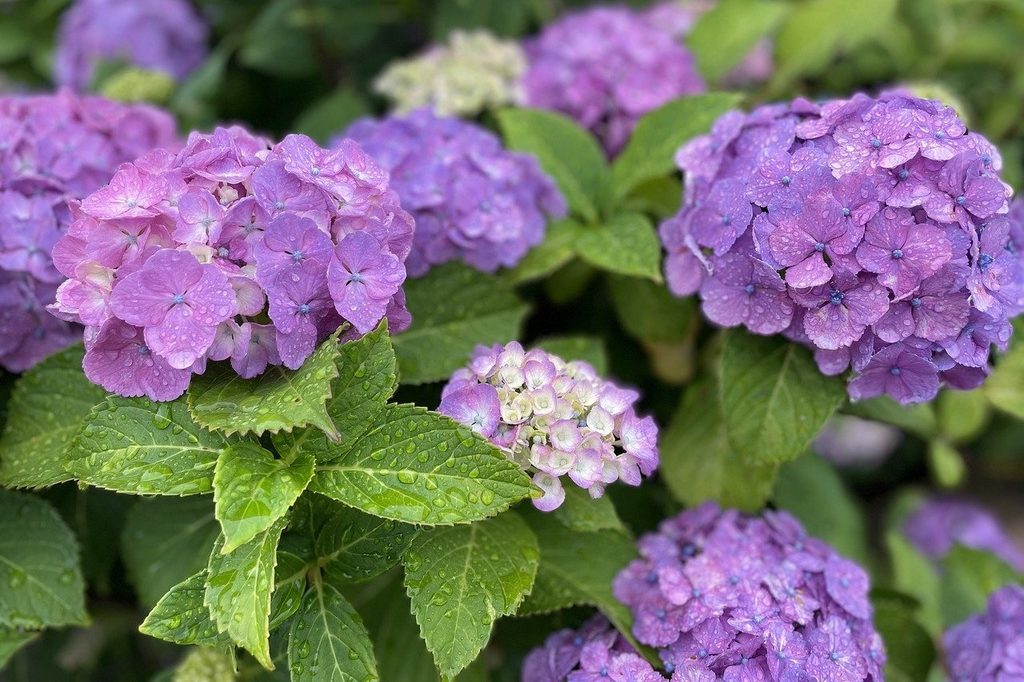
Most hydrangeas only bloom once per year, but there are a few varieties that bloom twice! These are typically marked as everblooming or repeat-blooming hydrangeas, making them easy to find in nurseries or online. The reason some varieties bloom twice has to do with old and new growth. Old growth is the branches that grew last year (or earlier), while new growth is the branches that grew this year.
Hydrangeas can bloom on either the old growth or the new growth, and this impacts bloom time as well as when they should be pruned. However, everblooming or repeat-blooming varieties bloom on both old and new growth. This means that one set of branches can be growing flower buds while the other set is in bloom.
How to encourage more flowers
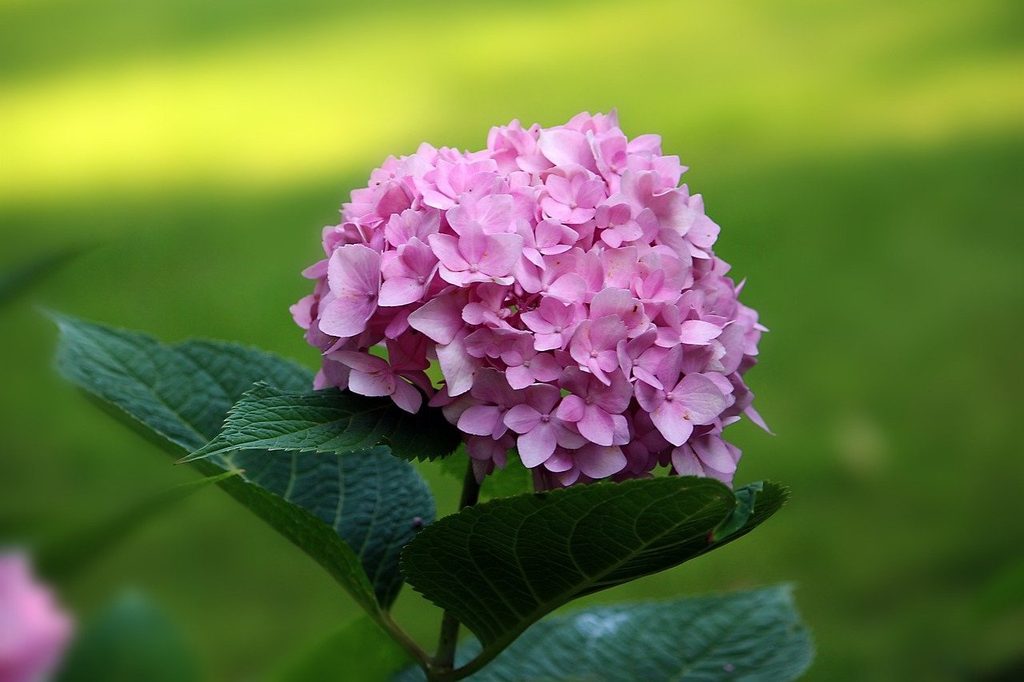
The best way to encourage your hydrangeas to bloom is to make sure all their needs are being met. Taking proper care of your hydrangeas ensures they are happy and healthy, and a healthy hydrangea will bloom more than a weak one. Be sure they’re planted in full sun (or morning sun with afternoon shade, in hotter regions), and have plenty of water. Winterize your garden to keep them warm during cold weather, especially if your hydrangeas are growing buds in fall. Add mulch around the base of your hydrangea plant to keep the roots warm, and use a loose covering during harsh weather to protect leaves and buds from frost damage.
You can also fertilize your hydrangeas, giving them an extra boost of nutrients for the growing season. Most hydrangeas enjoy being fertilized at the beginning of the blooming season, either early spring or early summer. A single application of a slow-release fertilizer or an application of regular fertilizer every few months can help boost your blooms. Be sure to use a balanced formula.
Why isn’t your hydrangea blooming?
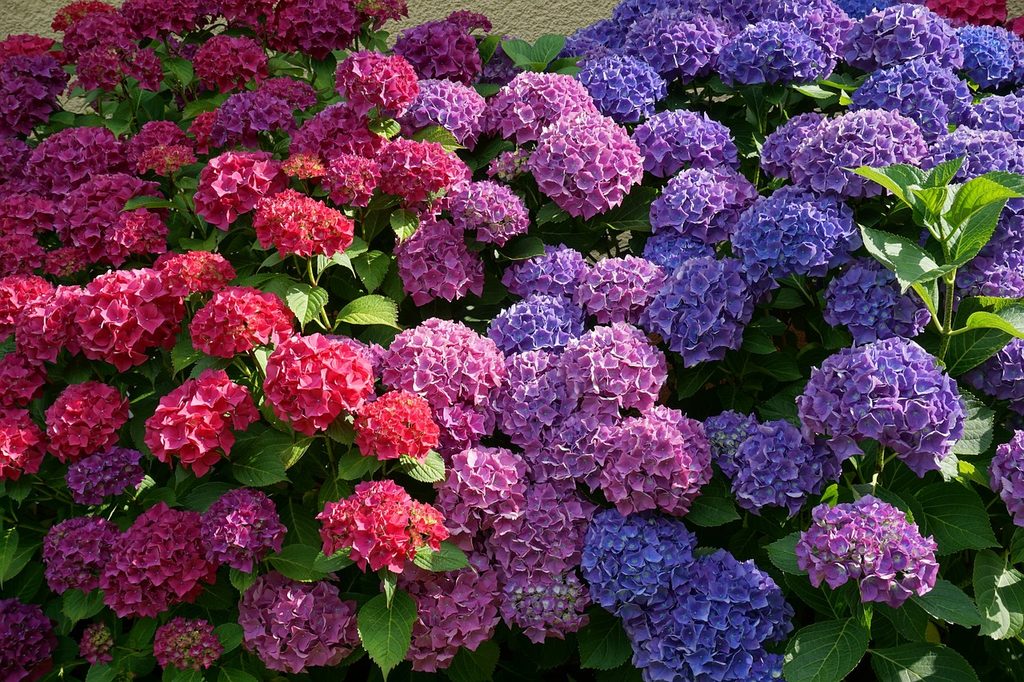
There are four primary reasons your hydrangea may not be blooming. The first is that your plant is too young. Hydrangeas can take a few years to reach maturity and begin blooming. If your hydrangea was recently planted, you may need to be more patient. Continue caring for your plant and you’ll see flowers in the next few years!
Speaking of care, that’s the second reason your hydrangea may not be blooming. If your hydrangea plant isn’t getting enough sun or is getting the wrong amount of water, then it is less likely to bloom. Double-check that your hydrangea has everything that it needs and correct any problems you find. You should see blooms during the next flowering season afterward.
The third reason is that the plant doesn’t have any buds to open. This typically happens when early-blooming hydrangeas suffer a particularly harsh winter, but it can be caused by certain fungal infections as well. When you start to see buds forming, keep an eye on them. Protect your hydrangea during winter, take care when watering not to get buds wet, and increase the air circulation around your hydrangea to prevent fungal infections.
The fourth reason is improper pruning. Avoid pruning branches with buds on them, unless the branch needs to be removed for the plant’s overall health. When pruning your hydrangea, it’s important to know which branches it blooms on. Hydrangeas that prune on new growth should be pruned in late winter or early spring, removing the old branches to make way for the spring’s new growth. Hydrangeas that bloom on old growth should be pruned in late summer, after the flowers have faded but before the buds begin to form. You can also choose not to prune your hydrangeas at all.
Now that you know when to expect your gorgeous hydrangea flowers or why your hydrangeas aren’t blooming when they’re supposed to, you’ll have an easier time caring for them. Their varied bloom times are just one of the many fascinating things that set hydrangeas apart from other flowers. So enjoy the lovely flowers and rich foliage of your hydrangea plants!