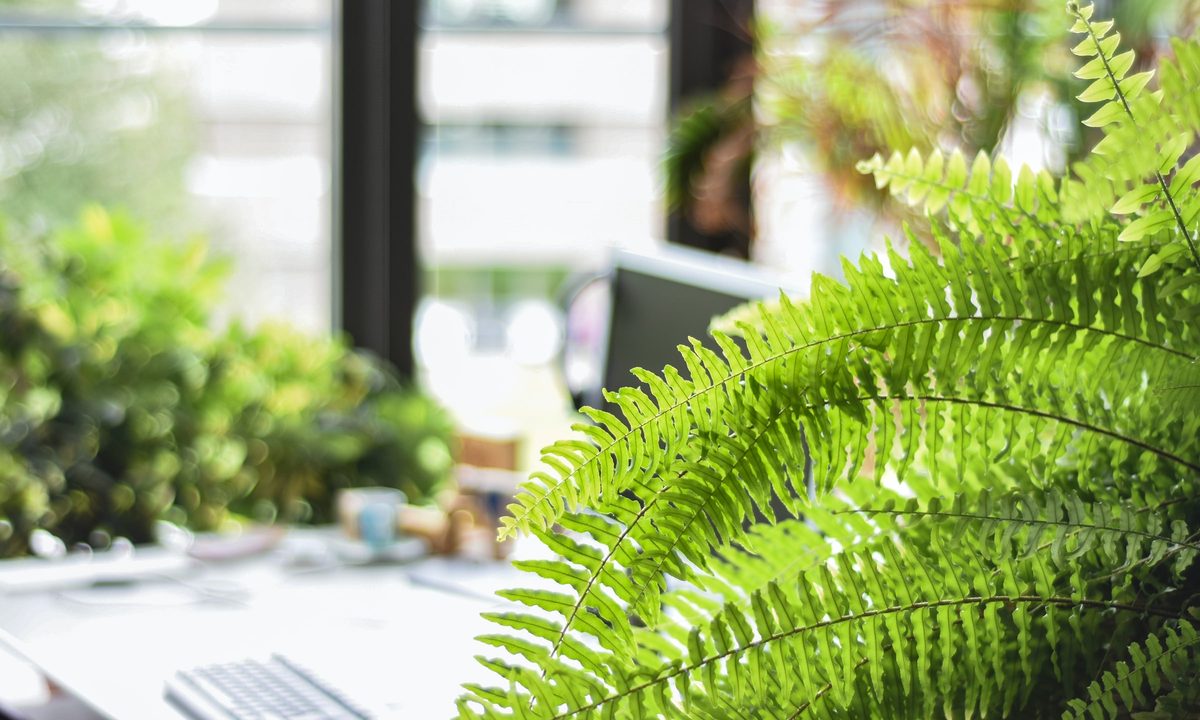
If you’re in need of a low-maintenance houseplant for your home, ferns are a fantastic option. While there are many types of ferns, the classic Boston fern is a popular choice. Also called a sword fern due to the shape of its fronds, these lovely ferns are perfect for hanging baskets and standing pots alike. They’re easy to grow, making them a great plant for beginners as well. Want to try growing your own Boston fern? Here is everything you need to know about Boston fern care.
Planting a Boston fern

Native to forest environments, Boston ferns prefer rich, well-draining soil that mimics their natural habitat. The soil should hold enough water for the Boston fern to stay hydrated, but not so much that the soil stays soggy for a long time. Adding perlite to the soil or choosing a soil mix that already contains perlite is a great way to accomplish this. Some gardeners prefer to skip soil and use a peat-based potting mix, similar to what you might grow an orchid in.
Place your Boston fern in bright, indirect light. While they can tolerate shade, you may notice smaller fronds, fewer fronds, and slower growth overall. Morning sun and afternoon shade are ideal for these plants, especially in hotter climates where the intense afternoon sun could burn their fronds.
Boston fern care
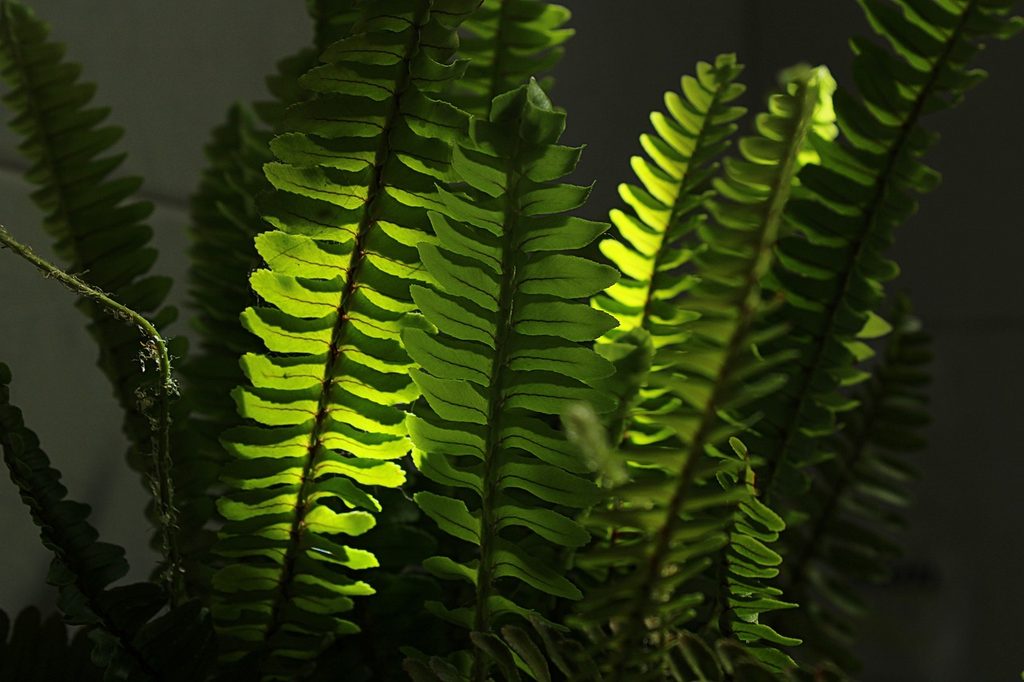
Water your Boston fern weekly to twice weekly, depending on how quickly the soil drains. The soil should be damp, but not muddy or soggy, almost always (although Boston ferns will forgive you if you’re a little late every once in a while). Boston ferns also enjoy high humidity and appreciate being misted occasionally. You can even place them in or near the bathroom when you take a hot shower — your Boston fern will enjoy the steam. However, other than humidity (including mist and steam), try to avoid getting your Boston fern’s fronds wet when watering it.
Fertilize your Boston fern during spring and summer with a balanced fertilizer. Liquid fertilizers tend to work better, since Boston ferns enjoy moist soil. There are fern-specific fertilizers on the market, but you can also choose another balanced fertilizer if preferred. You can also add compost to the soil for an added boost of nutrients, but be careful not to damage the roots when mixing it in.
Common pests and problems
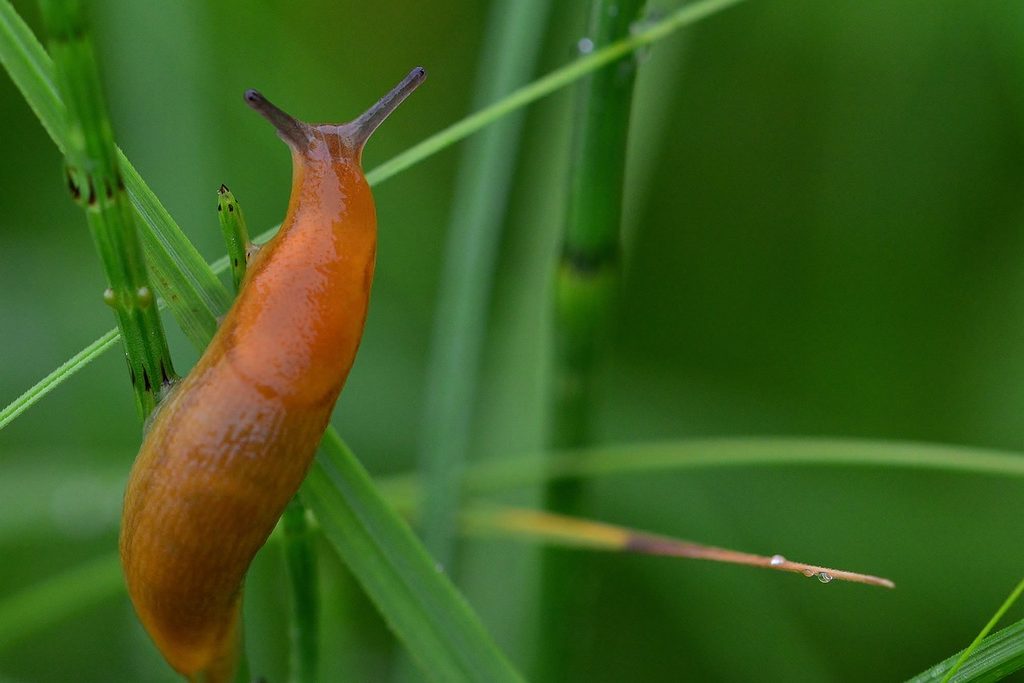
Boston ferns can be a snack for several common pests, including scale insects, mealybugs, spider mites, and aphids. If your Boston fern is outdoors and at ground level, slugs and snails can also pose a problem. The best defense against these pests is proper care. While pests can target any plant, the most severe damage is typically found in plants that are already weak. A strong, healthy plant can recover from minor pest damage.
Neem oil or another organic pest control spray can be helpful for warding off pests as well. Slugs and snails can be harder to deal with, and if you have a severe infestation you may want to consider transplanting your Boston fern into a hanging basket or moving it indoors. If not, slug and snail repellents and traps, such as beer traps and copper tape, can help keep them at bay.
Can you transplant Boston ferns from the wild?
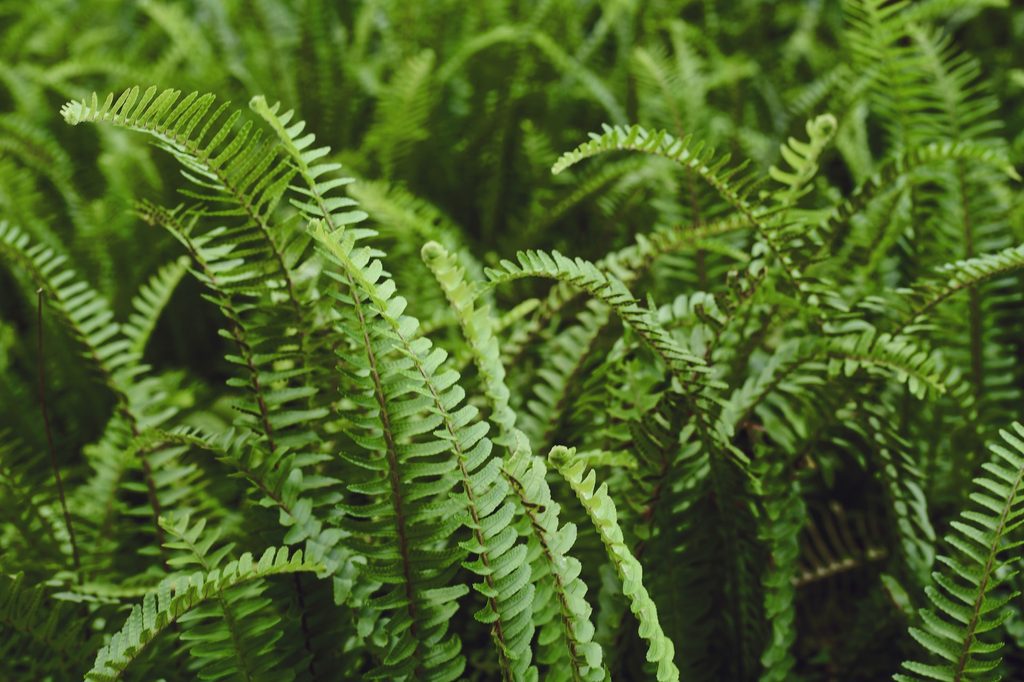
You can transplant Boston ferns from the wild, but with a few caveats. First, you should be certain that you have permission to take the fern. If the fern is on private property, you need permission from the property owner. While a fern may not seem like a big deal, it is still theft and you could still get in trouble. If the land is public, check your local foraging laws to see if it’s legal to forage on the land. There are additional restrictions on transplanting ferns in some areas, since some native ferns are endangered and removing them from their habitat threatens the species.
Next, be sure that you’ve correctly identified the fern. As mentioned, some fern species are endangered, and taking them can be illegal and harmful to the environment. While Boston ferns aren’t endangered, it is possible to take the wrong ferns by mistake.
If you’re certain that the fern is a Boston fern and that it is somewhere you are allowed to harvest from, then prepare your container and tools. Carefully dig the fern out, preserving as much of the roots as you can. Once you have the fern home, avoid moving or messing with it for the next week, aside from basic care, to allow it to adjust and recover from transplant shock.
Boston ferns are lovely plants, perfect for beginners and experienced gardeners alike. Whether you’re looking for a plant to hang on your front porch or bring a touch of greenery to your home, Boston ferns are an excellent choice. Now that you know how to take proper care of one, you’re ready to bring one home and add it to your houseplant collection.