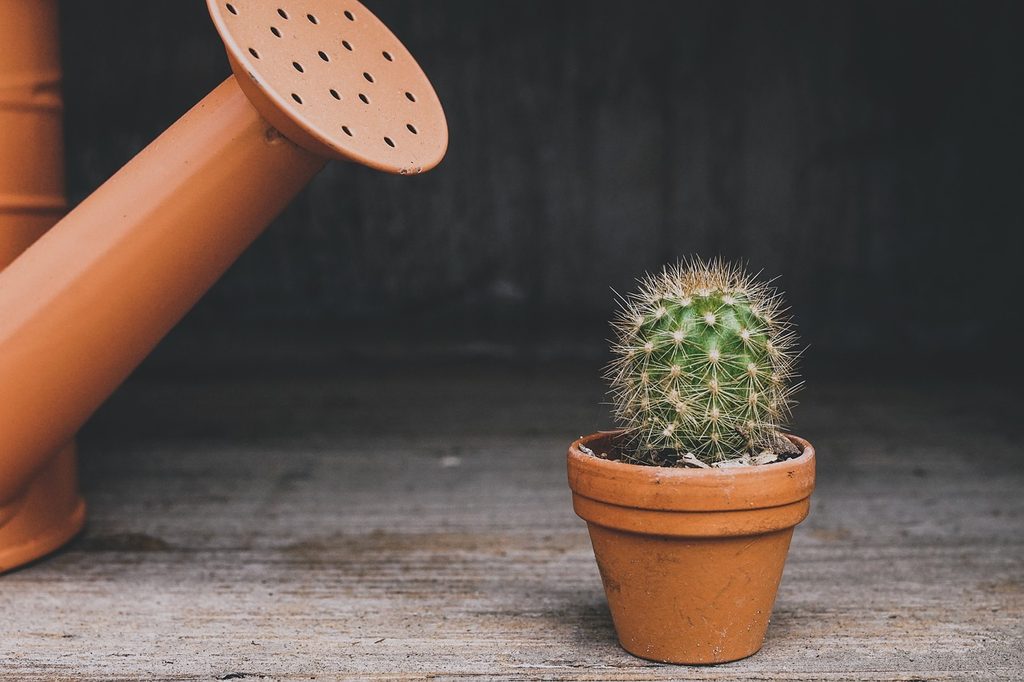
Cacti are notoriously hardy plants, but winter conditions can definitely pose a challenge for them, especially if they live outside during most of the year. This leaves many gardeners wondering, “Can cactus survive winter?” Don’t give up on your cactus just yet! Cacti can survive the winter, and it’s easier than you might think to help them thrive. This guide will answer all your questions so you can keep your cactus alive through this winter — and many more after that!
Factors to consider when caring for your cacti during the winter
Temperature
Certain cacti can handle temperatures as low as 20 degrees below 0 degrees Fahrenheit, as some varieties hail from cold desert regions. These plants might have spines or hairs that keep out frost, or they may expel water (which will make them look slightly deflated) to avoid stem freeze. Many cacti, however, can’t handle frost or subzero temperatures. Whenever you consider buying a cactus, check its hardiness zone. If you live in an area below its range, bring your cactus indoors as a houseplant. To counter freezing temperatures outside, you can also insulate your cactus with row covers, tents, and frost cloths.
Humidity
Humidity, as a refresher, refers to the concentration of water vapor in the air. While they appreciate water after drying out, cacti generally prefer low humidity and good airflow. Winter is often dry, and if you keep your cactus near a heater inside, it won’t be a problem. Because of wind chill, the air outside tends to be dry as well. If you live in an area where cold weather is humid, do keep an eye on the humidity. Most cacti prefer a relative humidity of 40 to 60 percent, so you may want to bring your cactus inside if the humidity rises above those levels.
Precipitation
Related to humidity is precipitation; clouds fill with water vapor, which can lead to rain or snow. Heavy precipitation can be problematic because a cactus that receives too much moisture will experience root or stem rot. To rescue an overwatered cactus, cut off rotting parts immediately and add drainage to your soil. You can offer your cacti physical protection when it rains—the most obvious is to bring them inside your house. If you keep your plants outside, propping a tent over your cacti or covering them with a plastic tarp keeps water out during rain or snow.

General cacti winter care tips
We’ve rounded up general care tips to ensure that whichever cacti you have, they’ll survive once winter rolls around.
- Avoid overwatering your cacti. Many cacti can survive entire winters without being watered—allow nature to water your plants by way of rainfall. Or, if you keep your plant inside, stick to, at the maximum, a monthly watering schedule to avoid giving your plant root rot. Outside, water can freeze and kill your plant’s roots and stems, so be careful with watering.
- Mulch your cacti with small rocks. Mulching your cactus soil provides your plants with warmth and prevents you from overwatering. If you have frost-tolerant cacti that you keep outside, add a layer of small rocks above the soil to create a barrier from the cold.
- Do not fertilize your cacti. A nitrogen-rich fertilizer can especially be harmful to young, tender plants during cool winters. Hold off fertilizing your cacti for spring and summer.
- Give your cacti as much light as possible. If you’re bringing your plant indoors, it probably won’t be receiving the best light. Leave your plant by a southwest window, if possible, and supplement it with grow lights if you need extra light.
Hardy types of cacti for winter
With many cacti to choose from, you might be wondering which types will survive blistering winters. The next time you go winter cactus shopping, consider picking up the following to add to your succulent collection.
Prickly pear (opuntia)
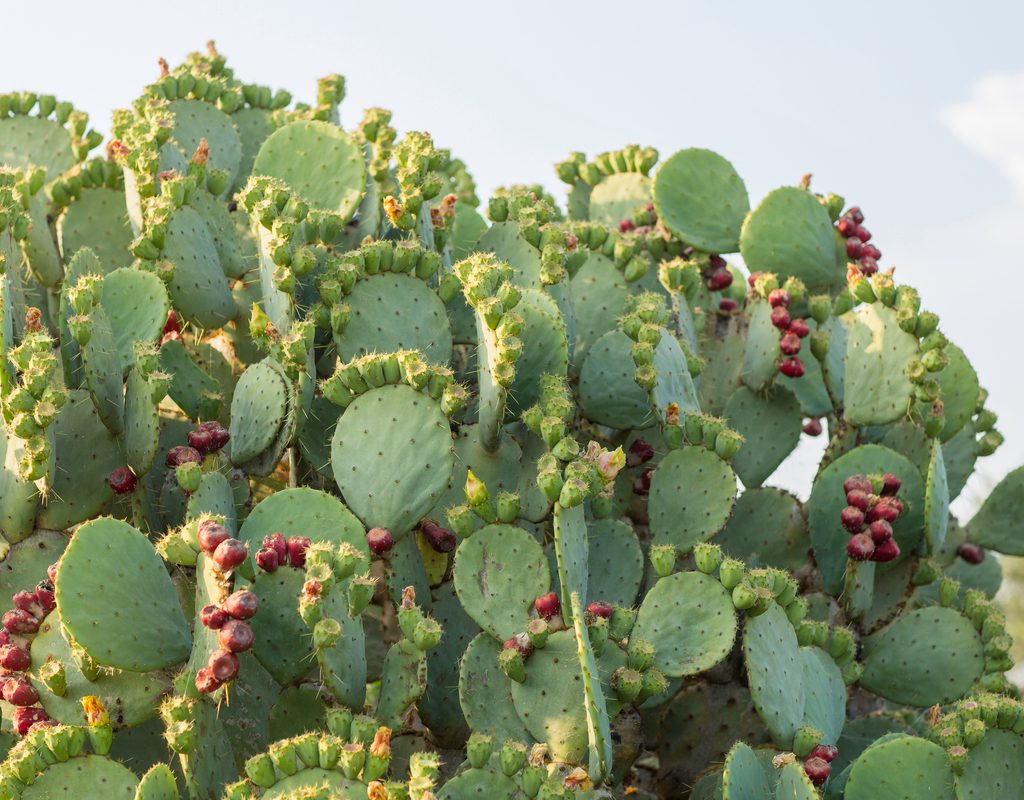
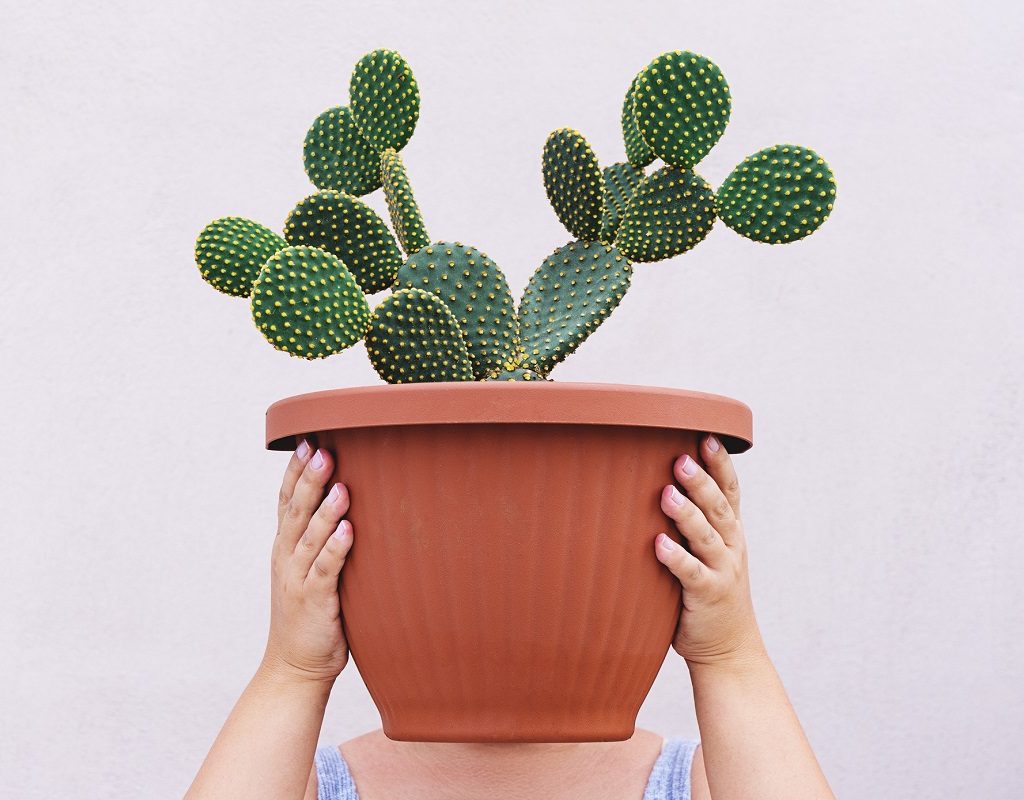
The prickly pear cactus features a flat paddle shape with, as its name indicates, spines. It thrives in sandy soil and seldom needs to be watered in the winter. It’s hardy down to climate zone four, so it’s a go-to for cacti enthusiasts who live in colder regions. Don’t worry if the paddles look deflated—this is just a sign of winter dormancy.
Barrel cactus (echinocactus grusonii)
The barrel cactus features a round green ball stem covered in bright yellow spines. Though it’s technically hardy in zones 10 to 11, mature versions of it can survive in conditions down to 14 degrees Fahrenheit. Plants with diameters less than four inches can be tender, so keep that in mind when you consider their winter care.
Beehive cactus (escobaria vivipara)
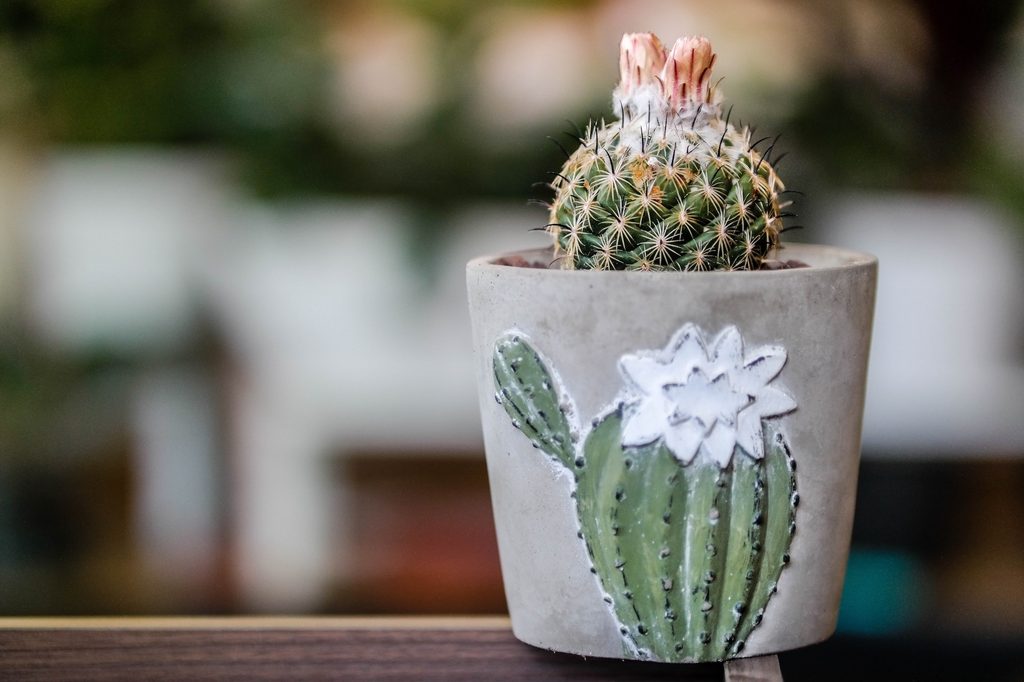
Hardy to zones four through eight, this globe-shaped cactus is covered in thorny radial spines that keep snow out of its stem. It’s usually small (up to eight inches in diameter), growing in modest clusters when left to its own devices. It can adapt to a wide range of conditions, residing everywhere from Mexico to Canada. Not only is it frost tolerant, but it also yields beautiful pink flowers in the spring and summer.
Should you bring your cactus indoors for winter?
If your cactus is already potted, then yes. Bringing a potted cactus indoors at the end of summer or early fall can prevent many of the problems that come with the winter season. It is easier to keep your cactus warm and dry indoors than it is outdoors. However, if your cactus isn’t already potted, then you may be better off leaving it where it is. If you have a well-established outdoor cactus, then it can be stressful for the plant to be moved. The stress is typically only worth it if you plan on permanently relocating your cactus — either keeping it potted long term or moving it to a new location.
If you have any worries about caring for cacti over the winter, your anxieties are warranted, especially if you live in a cold area with moderate precipitation. That said, there are steps you can take to keep your plants in tiptop conditions throughout the winter—the easiest one is to bring them indoors! Even if you keep your plants in the ground outside, you can add mulch and protective covers to have healthy cacti come spring. With some preventative measures in place, you’ll find that cacti do live up to their hard-to-kill reputation.