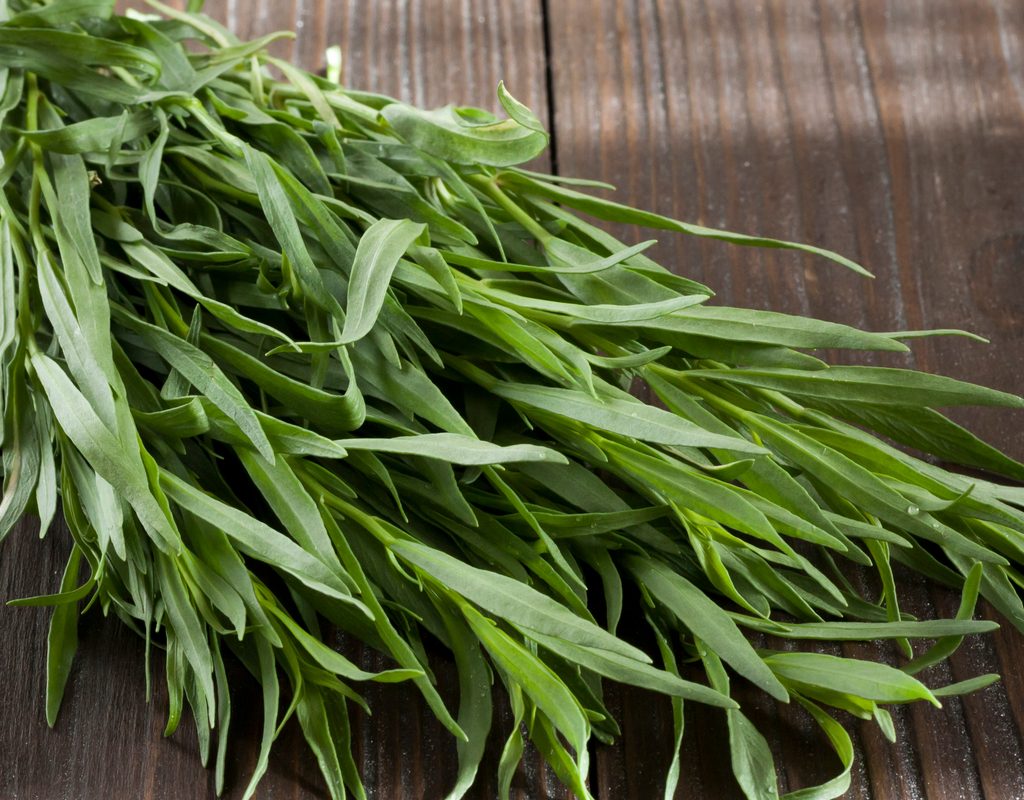
A kitchen staple, tarragon, especially the most common variety, French tarragon, is an easy herb to toss into your favorite savory main courses, thanks to its earthy anise and licorice flavor. It also pairs excellently with mustard and vinegar, which makes it versatile for sauces and condiments. Great news for tarragon fans: It’s not too hard to grow in your kitchen garden, either, as long as you don’t overwater it! In fact, many herb enthusiasts will overwinter their tarragon indoors come autumn and bring it outside again in the spring. Ahead, we’ve rounded up eight tips for growing tarragon indoors, covering everything from choosing the right pot for your plant to watering it properly.
1. Start with a whole plant or a cutting
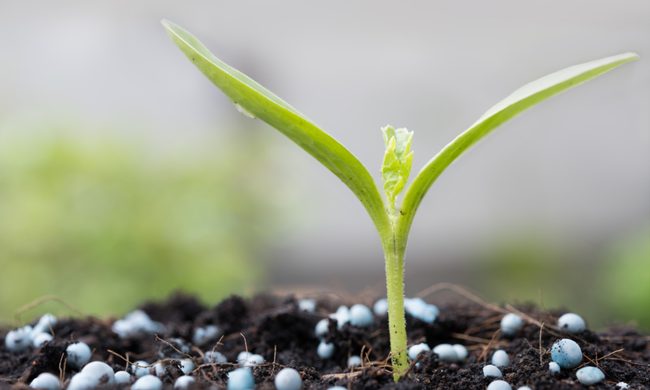
Sourcing tarragon seeds can be difficult because this herb rarely flowers. Whole plants or seedlings, however, are usually readily available at nurseries. You can also get a cutting from a fellow gardener to get started—it’s that easy!
2. Err on the side of underwatering
Tarragon plants enjoy well-draining soil and hate wet feet. As such, you should keep it in a moisture-wicking clay pot with a drainage hole so that it doesn’t become susceptible to root rot. A good mix to use is a combination of sand and potting soil. When you water your plant, deeply water it, then allow it to dry out almost completely when you reach for your watering can again. Just keep in mind that you’ll water your plant more often than not if it’s container bound and dries out quickly.
3. Give your tarragon plenty of light
Tarragon thrives with eight to 12 hours of bright indirect light a day. Even when it’s by the windowsill during the winter, you won’t have to worry about your tarragon dying from a mild cold draft—being inside should protect it from the cold. It’s actually winter hardy and can handle some light frost. If you don’t receive enough sunlight, you can always supplement your tarragon with a grow light that you keep about a foot directly above your plant.
4. Be careful with giving your tarragon too much humidity
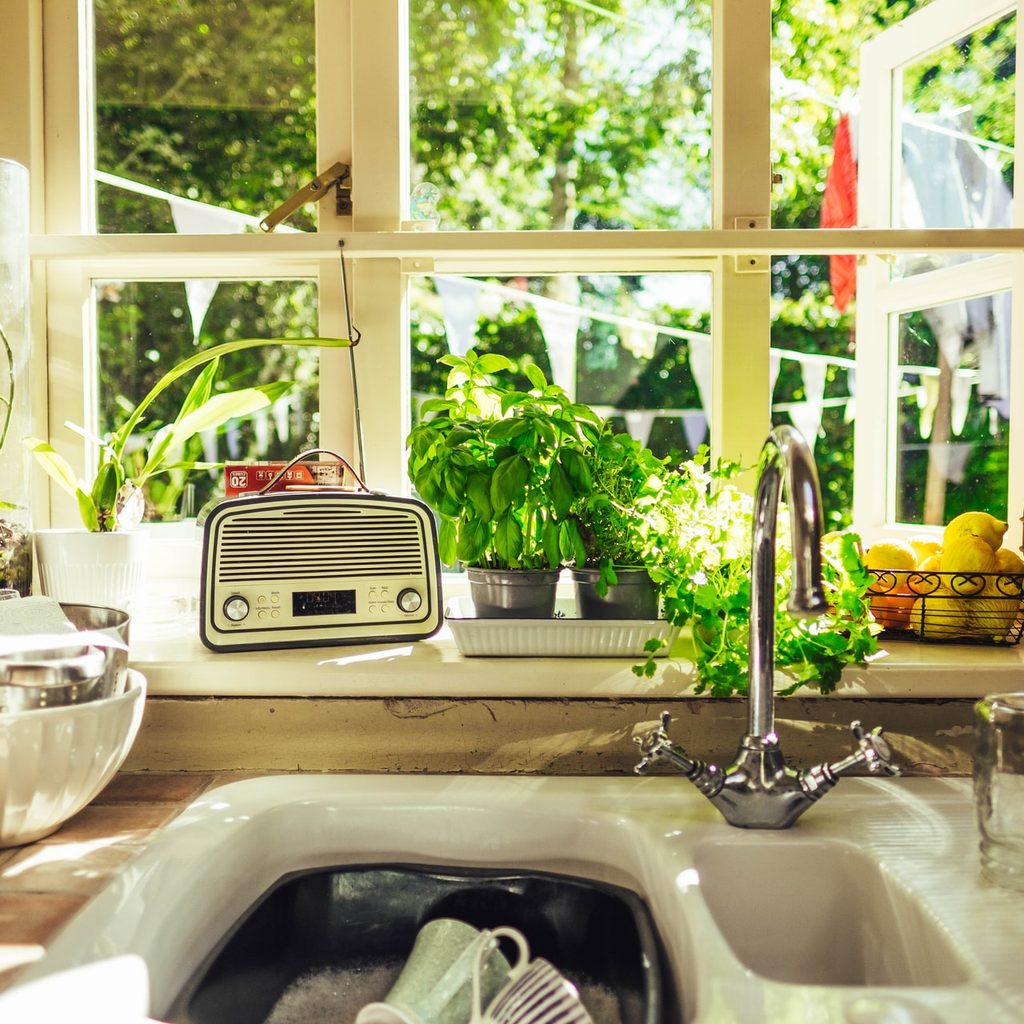
Excess moisture can cause tarragon to suffer from fungal diseases. While tarragon does appreciate some humidity, your kitchen’s humidity levels should be sufficient. You really don’t need to secure a pebble tray or humidifier unless you start to see your foliage browning or crisping along the edges.
5. Remember that tarragon is perennial in zones five through 10
In these areas, you can bring your plant outside during the spring and summer if you have outdoor space and can give them enough shade during the hottest days of the year. Taking your plant outside can help it become more productive and push out larger growth.
6. The best time to harvest tarragon is during the summer
You should harvest your tarragon when it’s producing young, top leaves that pack plenty of flavor. As with most herbs, you can cut the top back during the growing season to encourage more growth. Most gardeners recommend harvesting about a month before the first frost, but with indoor plants, you can keep picking off leaves as long as there’s enough foliage to support your plant. (Ten inches is a ballpark length for when you can start snipping.)
7. Choose a deep pot for your tarragon plant
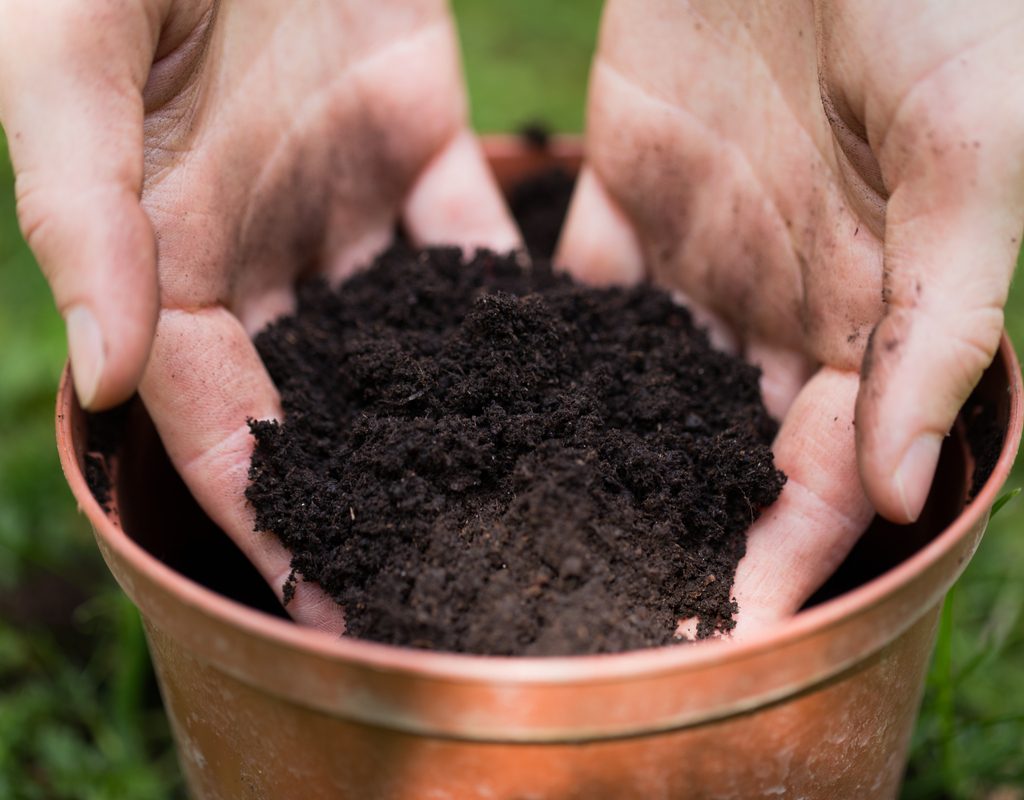
Growing French tarragon in containers can be easy, so long as you choose the right container! While you don’t want to drown your roots, it’s a good idea to get a planter that’s at least 12 inches deep for a mature tarragon plant. Tarragon roots can grow deep, so giving them room to spread out is critical. A pot with ample space also keeps your foliage from toppling over, which can happen if your plant grows too top-heavy.
8. Fertilize your tarragon every other week during the growing season
Tarragon doesn’t need heavy feeding, but it does appreciate extra fertilizer here and there. You can feed it diluted liquid all-purpose fertilizer when you first plant it, then give it fish fertilizer every two weeks during the growing season. Don’t overdo it with the feeding — over-fertilizing your tarragon can potentially impact its flavor.
Tarragon is one of the easiest herbs to grow, and it’s definitely one that can be grown inside your home right where you cook it! While you can’t usually find it in seed form, it’s often readily available as cuttings and potted plants that are ready to go. Once you situate tarragon inside your home, give it plenty of indirect light and water it sparingly. Before you know it, you’ll have some fresh garnish to pair with your fish and chicken dishes as well as your white sauces.