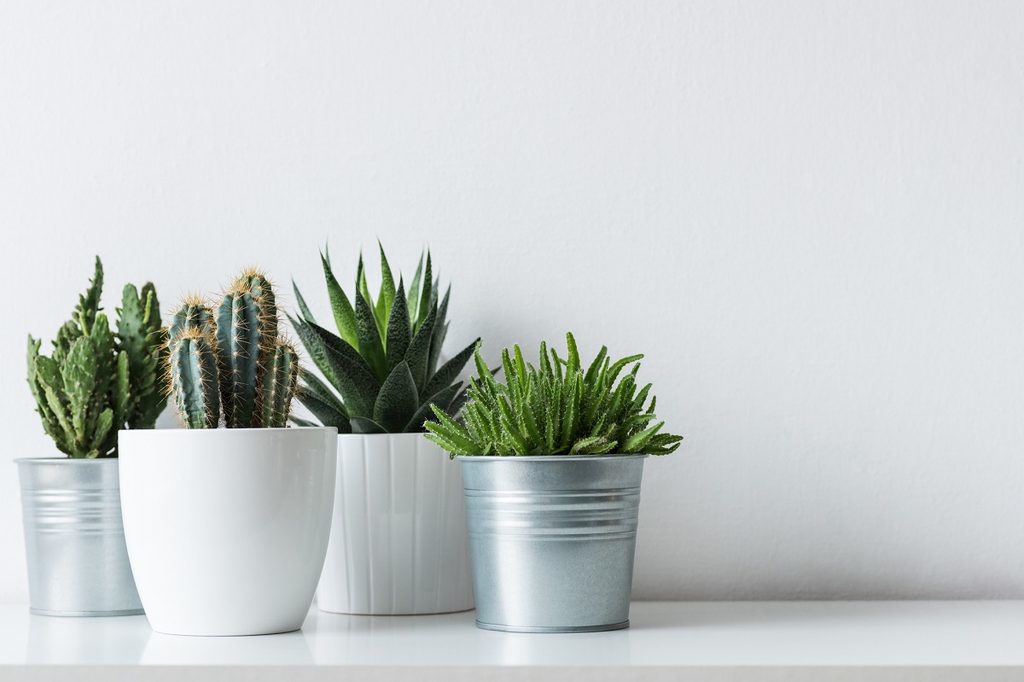
When it comes to durable houseplants for people who want something green in their home but don’t have time to devote to a lot of care, cacti are a great option! Sure, they appear aloof and unapproachable (and should be kept out of reach from children and plant-loving pets), but they add quite a beautiful touch to your space. There are so many varieties of unique colors, shapes, and sizes, which often leaves people wondering: How long does it take for a cactus to grow?
How fast do cacti grow (and why)?
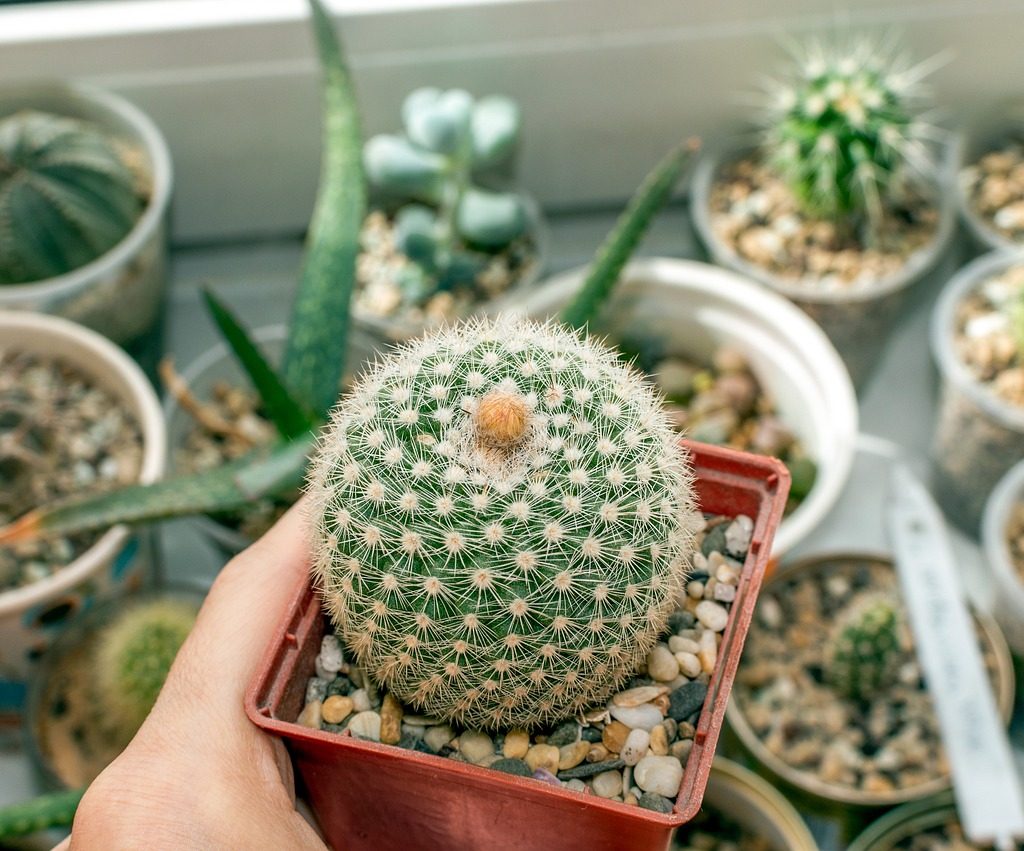
How fast a cactus grows depends on the variety you’re working with, but there are a couple of key factors across the board. In general, you’ll find that most varieties only grow between one and three centimeters per year. Knowing the kind of cactus you have can help you tailor your environment for optimal care, but there are two things you can’t change: the fact that they’ve adapted for survival and the fact they don’t have leaves.
A majority of cactus varieties are native to arid climates that don’t receive a lot of rainfall. As such, they focus more on reserving their energy to live through droughts as opposed to other houseplants that focus on growth. Because they have spikes instead of leaves (and the spikes serve no purpose in photosynthesis), they also absorb less chlorophyll due to the lack of green tissue. That’s why, when growing cacti, it’s important to mirror their native environmental conditions as much as possible.
Fast-growing cacti to add to your collection
If you’re interested in having faster-growing cacti in your home, there are some varieties available. Keep in mind that they’re still cacti and have still evolved to prioritize survival; however, they tend to grow more than the typical one to three centimeters per year.

Opuntia cactus varieties
Opuntia cacti (or prickly pears) are fast-growing varieties, adding anywhere from two to eighty centimeters of new growth per year depending on their environmental conditions. Plant them in a larger pot to accommodate their fast growth (and also to give the roots room to grow and expand). Like other cacti, Opuntias are drought resistant and love lots of sunlight.
But just why do they grow faster? Well, Opuntias have multiple cladodes (their segments) that help with photosynthesis. Because they can photosynthesize at a faster rate, they have more energy for both survival and new growth. Something to keep in mind, though, is that their growth won’t always be vertical. So if you see yours growing outward instead of upward, don’t worry! It’s doing just fine.
Myrtillocactus varieties
Given that they live in an adequately warm and sunny environment, Myrtillocactus varieties can grow pretty quickly. You can usually find them in a blue-gray color and with candelabra-like arms. They can grow up to half a foot each year and up to 20 feet tall within their overall lifespan. If you grow these fast-growing cacti in a warm space, you want to be sure to water them adequately during hot summers. Otherwise, they tolerate drought fairly well. In fact, with minimal care, these plants can thrive in climate zones 9 to 11. If you grow them indoors, make sure that you keep them in a well-draining potting mix to avoid root rot.
Can you encourage growth in slower varieties?
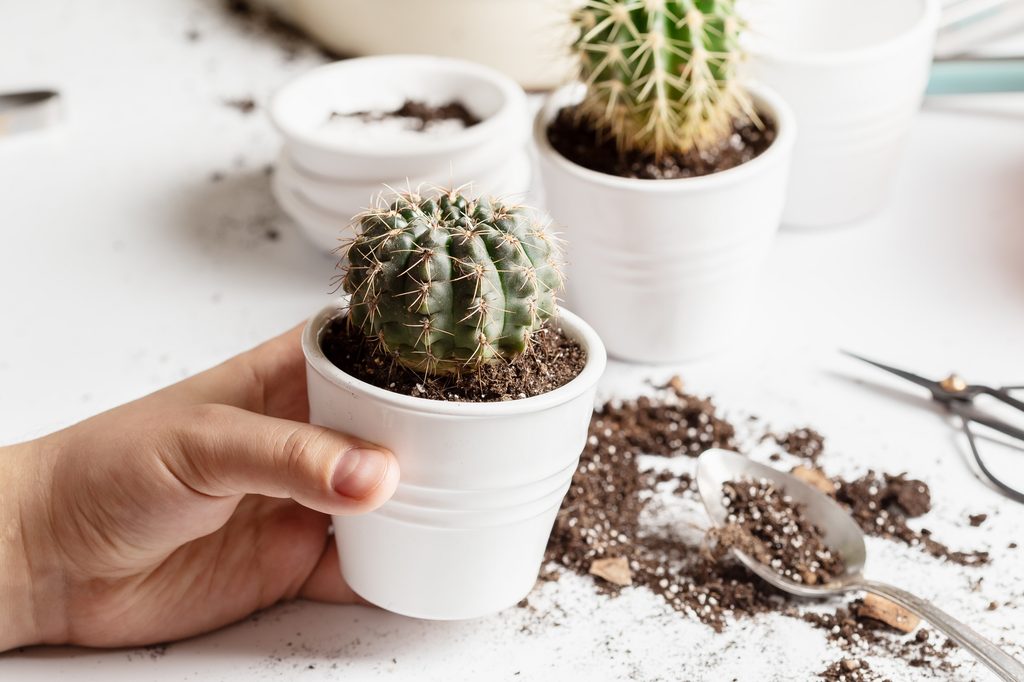
Like any houseplant, there are ways you can encourage optimal growth for your cacti. Most often, you’ll be picking up your cactus from a nursery and won’t need to worry about the seedling stage; however, if you do try to grow a specific variety from seed, make sure you look up how to care for the seedlings and remember that they’re very delicate. They need to be covered for germination, but not so long that it impedes their airflow.
Once your seedlings are potted (or you’ve brought a new plant home), you can do a few things to keep it as happy as possible:
- Choose a good container. Terracotta or clay pots with drainage holes are always the best options to prevent soggy soil and wet roots. Be sure to choose a pot three to four inches larger in diameter than the cactus so that you don’t need to repot your plant often.
- Use well-draining soil. A cactus- or succulent-specific potting mix is best to ensure that your plant plant gets the proper nutrients for growth.
- Pick a location with consistent temperatures and lots of sunlight. Since cacti are native to desert areas, they love the sun. South-facing windows are great options in a space that’s between 65 and 80 degrees Fahrenheit.
- Avoid overwatering. Most varieties only need to be watered when the soil is completely dry via the soak-and-dry method. A pot with good drainage will help avoid this issue, too.
- Use cacti-specific fertilizer. During the active growing season, you can always use a cacti fertilizer to help provide additional nutrients. Just be sure to follow the directions on the container.
Beautiful slow-growing varieties you may already have
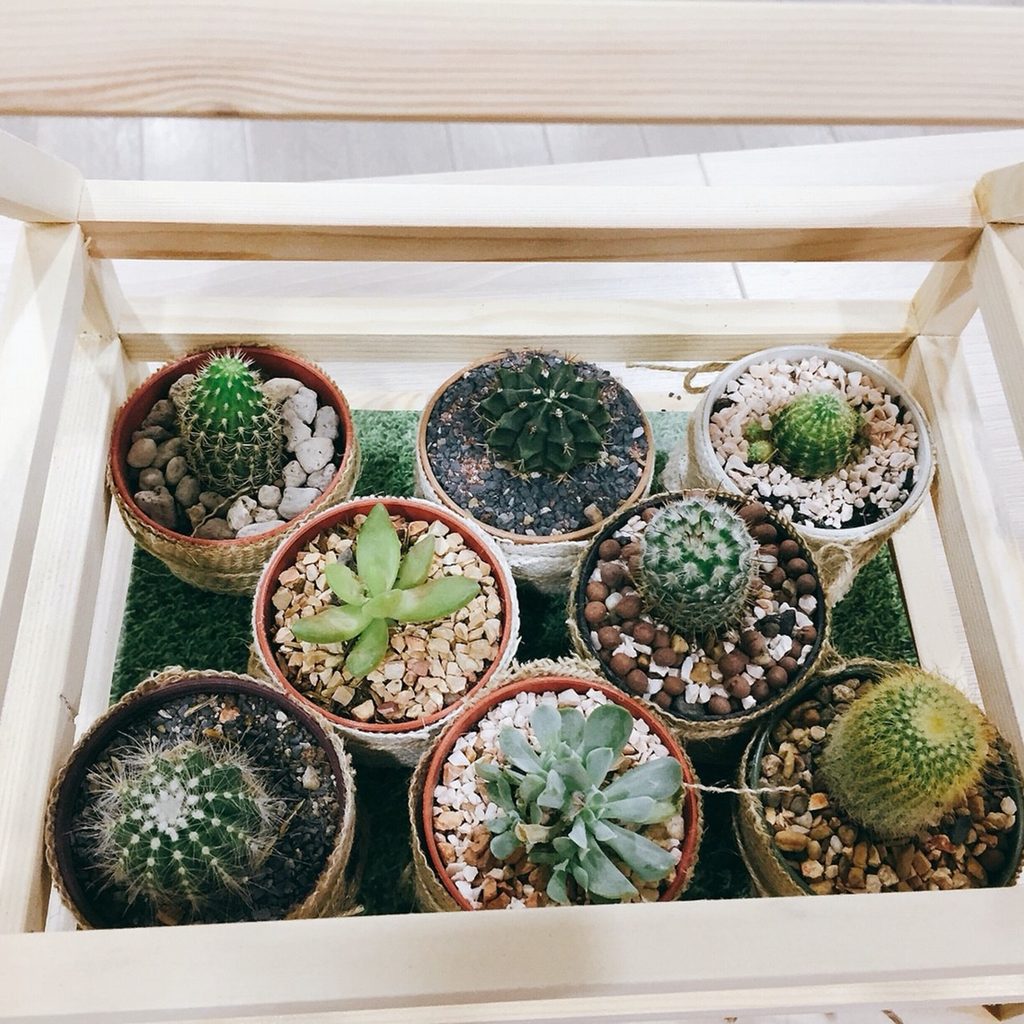
These tips are also great for slow-growing varieties, which are likely the ones you already have in your home. However, if you’re just looking to start your cacti collection, there are some popular ones you can try to find (though you can’t go wrong with any of them, really).
Saguaro cactus
The saguaro cactus is perhaps the most iconic cactus. Saguaros are the large cacti you see in desert TV environments, the tall ones with arms that curve outward and upward. They’re very slow-growing, which makes them a perfect candidate for a houseplant. Saguaros can live to be 150 to 200 years old, growing up to 60 feet tall. Although it likely won’t get that big in your home, you should make sure you give it a spacious pot to live in.
Golden barrel cactus
Another popular variety of cacti is the golden barrel cactus. Commonly known as the “mother-in-law’s cushion,” this variety of cactus reaches three feet in height and width at maturity, so long as it’s cared for properly. Like the saguaros, these cacti lean more on the slow-growing side. You can help them along with the tips listed above, and you can always find a sizable plant to purchase as opposed to a baby one — but let’s face it, nothing beats trying to grow a cactus big and strong.
The thing to keep in mind about cacti is that they’re widely known for their slow growth, but they make up for it in durability and hardiness. As long as you err on the side of under-watering instead of overwatering, you’ll have no trouble adding these plants to your home. (And they’re perfect if you love going on vacations for two weeks at a time!)