If you live in a hot, dry climate then you might be looking for drought-tolerant desert plants to fill out your garden. There are so many fantastic cacti, shrubs, flowers, and trees to choose from, but not all of them are suited to container gardens. If you want a beautiful and unique cactus that you can grow in a container or outdoors, you should consider getting a monkey tail cactus. Never heard of it, or not sure how to grow one? We have you covered in this simple guide to monkey tail cactus care.
What is a monkey tail cactus?
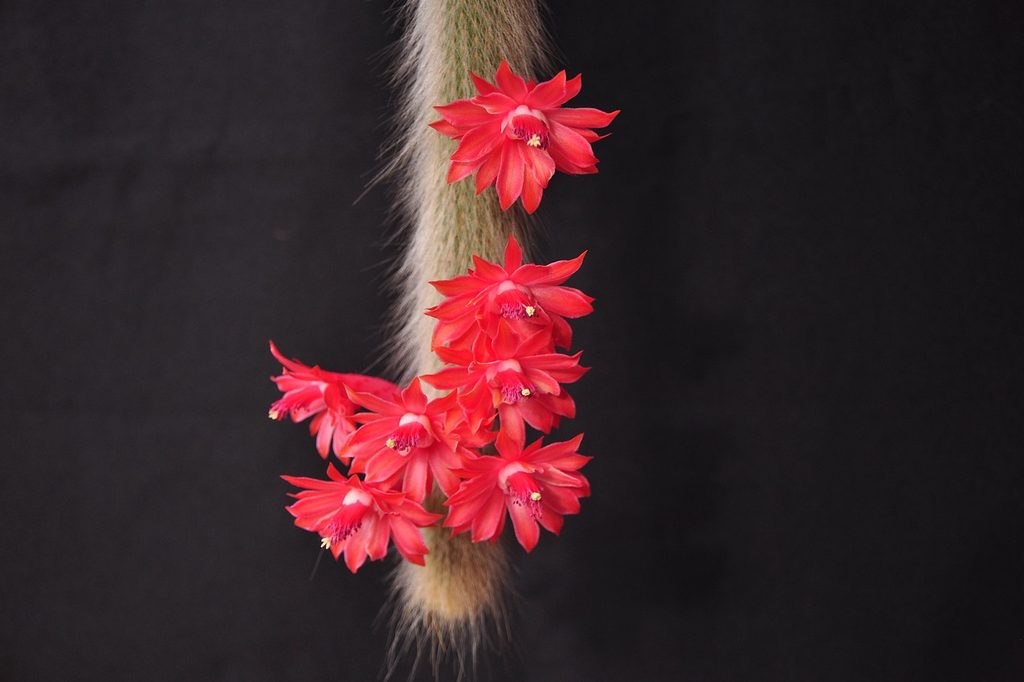
The monkey tail cactus, or Cleistocactus colademononis, is a cactus native to the Andes mountains in Bolivia and Argentina. They’re adapted to high altitudes, rocky soil, and lots of sun. These cacti are actually epiphytic (like some types of orchids), meaning they don’t always grow in soil. Instead, their roots cling and burrow into the stone sides of cliffs.
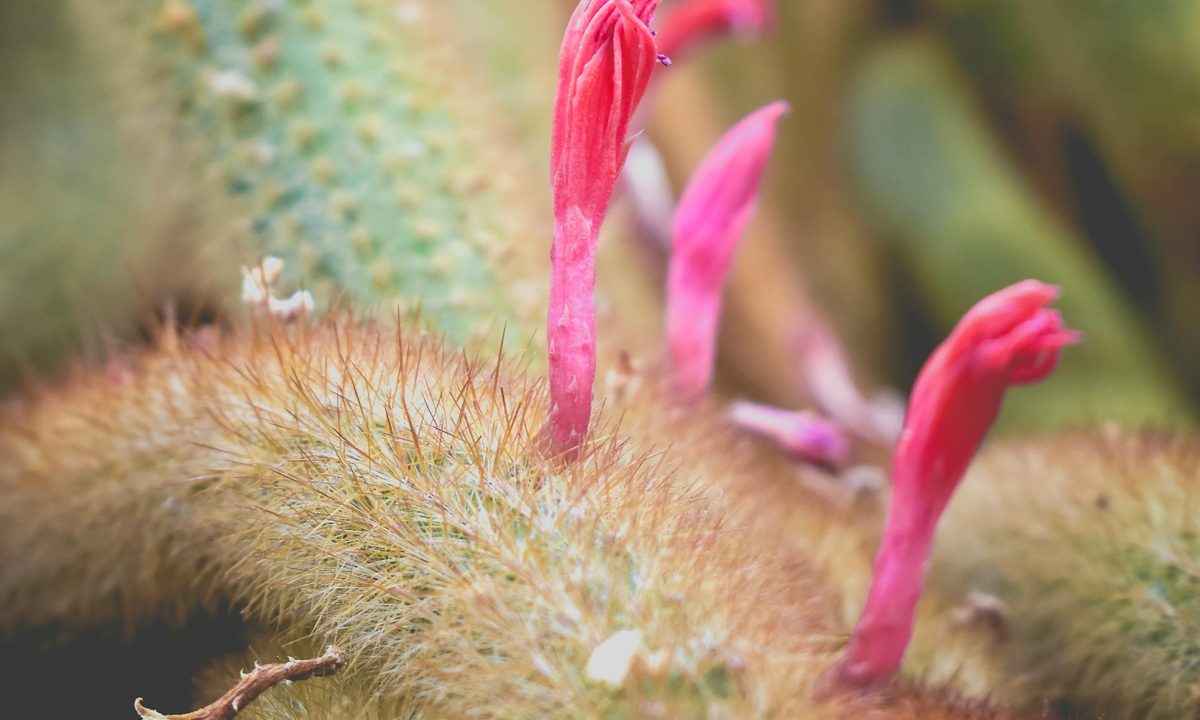
The monkey tail cactus gets its name from the long, fuzzy-looking stems that resemble the tails of a monkey or big cat. Although they look soft, we don’t recommend touching them! The tiny hairs are actually spines, and they can cause skin irritation if they become embedded in your skin. This cactus may not be the best plant to choose if you have small children or curious pets. As the plant grows, these stems will drape over the side of the container, making them a good choice for hanging baskets.
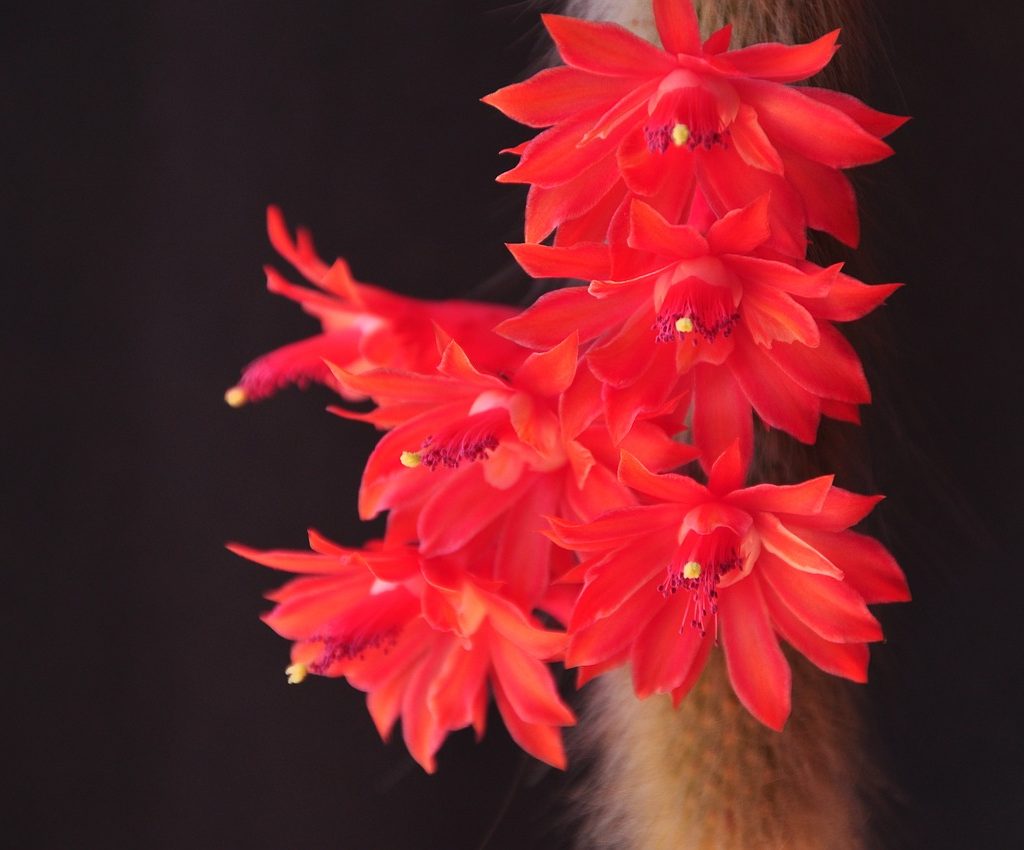
During spring and summer (although the exact time can vary based on your local climate), monkey tail cacti bloom. The flowers range from red to pink with tube-shaped bases. Among other pollinators, hummingbirds enjoy these flowers.
Planting a monkey tail cactus
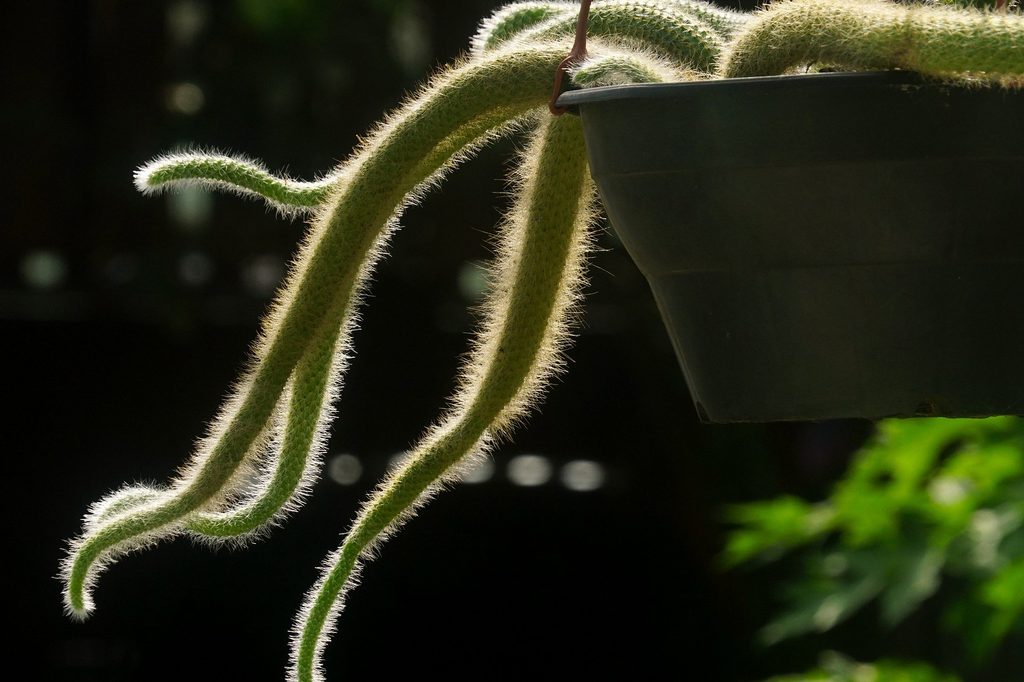
Choose a container with plenty of drainage holes, and use a well-draining potting mix. Monkey tail cacti prefer rocky or gritty soil, so a potting mix specifically designed for cacti or rock gardens is ideal. A hanging basket or vertical garden is perfect for larger plants, and some gardeners have even used strawberry towers to grow these cacti. Smaller plants can grow in standing pots, but they may need to be repotted to a hanging basket as they grow.
Place your monkey tail cactus in full morning sun with light shade or indirect light during the afternoons. They can tolerate some direct afternoon sun, but they can still develop sunburns if left in it for too long. During spring and summer, your monkey tail cactus can be outdoors, as long as there’s no risk of frost. If you live in USDA zones 9 to 11, your monkey tail cactus can be outdoors year-round. When indoors, keep your monkey tail cactus away from drafts and air vents. The cold, dry air that can blow in through these spaces is not good for them and can weaken them over time.
Monkey tail cactus care
The monkey tail cactus is a drought-tolerant plant and it’s sensitive to overwatering, but it still appreciates regular watering during the growing season. The best way to tell if your monkey tail cactus needs water is to check the soil. If the soil is dry all the way through, then you can water your cactus. If it is still damp, wait another day or two. Remember, cacti will recover from underwatering much faster than they will recover from overwatering, so err on the side of caution. Avoid getting the cactus wet when watering it, if possible.
When it comes to fertilizer, monkey tail cacti don’t need much. However, a light feeding during the growing season can encourage it to flower. For most gardeners, a liquid houseplant fertilizer works best, as adding granular fertilizer to the soil can be tricky when you’re trying to avoid cactus spines. A balanced houseplant fertilizer will work just fine, but you can also opt for a cactus-specific blend. Some gardeners prefer to use a fertilizer lower in nitrogen for their larger monkey tail cacti, as nitrogen helps encourage stem growth.
You can propagate a monkey tail cactus fairly easily, although we recommend wearing gloves during the process. You’ll need a sharp, clean tool, such as a knife, pair of scissors, or pair of shears. Select a healthy stem that’s several inches long, and take a cutting from the stem. You can cut a single stem into multiple sections to grow multiple plants at once. Then, place the cut sections in their own pots of soil.
Monkey tail cacti are lovely and unique, and they are a great fit for many homes. Whether you’re looking for a drought-tolerant plant to fill out your rock garden or an interesting statement piece for your hanging baskets, monkey tail cacti are delightful. Now that you know the basics of caring for them, you’re ready to add this lovely cactus to your houseplant collection today.