Onions aren’t only helpful for cooking and making you cry — you can use them in many different ways. If you happen to have a bountiful yield this year, you can take advantage of your homegrown onion plants in ways that go beyond tossing them in a soup or salad. After cooking all of your favorite dishes, here are creative hacks for onion uses around your home.
Polish metal to clean a grill
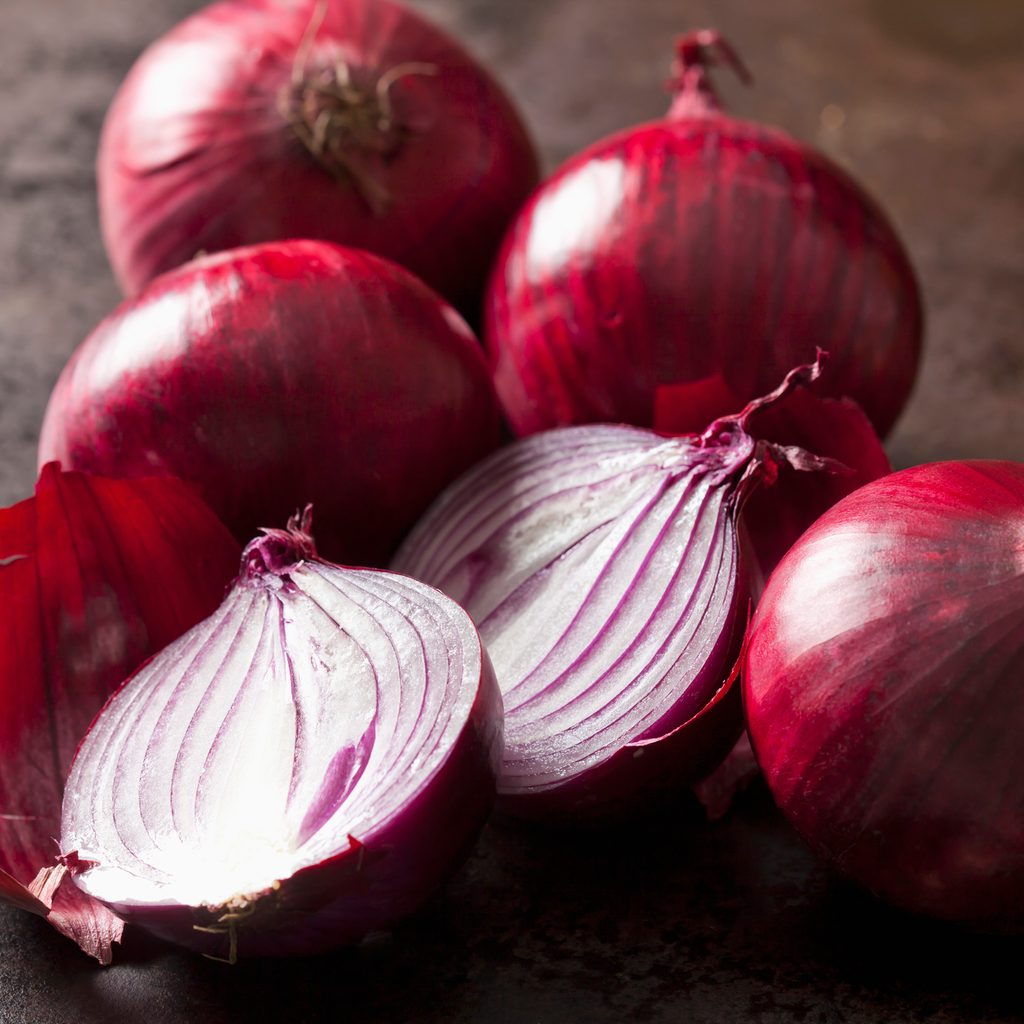
Sure, you can grill onions for your weekend barbecue, but what about sprucing up your grill with onions? Onions can be used for culinary housekeeping purposes that don’t directly involve cooking. Yes, you can use an onion to clean your grill, which is bound to be grimy from time to time. It’s a great supplement to deep cleaning your grill with just plain soap and water, and it’s gentler than using a metal brush. All you have to do is cut an onion in half, turn the temperature on high, and rub the grill with the cut part of the onion facing downwards. The released steam from the heat will produce onion juices that help you get rid of residual charred bits. To eliminate that onion odor, wash your grill after polishing it up.
Repel insects
One of the best uses for onion is pest control. Onions have sulfur components that garden pests detest. Instead of relying on potentially toxic chemicals, you can use onions as a natural insect repellent on your plants. There are two ways to go about it: liquifying your onions in a blender or making tea from them by steeping them in hot water. In either case, spritz the solution onto your pest-impacted plant every week until your foliage is in the clear. For an extra boost, some people will add garlic to their onion solution, which also contains sulfur components. You can, additionally, grow onions as companion plants alongside carrots, lettuce, beets, and cabbage to deter garden pests from the get-go.

Keep frost from forming on your car windshield and windows
Using onion to prevent frost from forming on your car is one of those strange hacks that works. Onions produce natural oils that create a barrier and keep ice and frost from forming on your car windows. While you could use a scraper every morning, you may not want to spend a few extra minutes doing so before your commute. Save time by cutting an onion in half and rubbing it on your windshield the night before freezing temperatures hit.
Preserve avocados
We all know how a cut avocado can quickly turn brown in the blink of an eye. While you can use lime or oil to keep your avocado from turning brown, it’s also possible to keep it looking fresh without changing its texture. How? By, of course, storing your cut avocados with cut onions. The sulfur in the onion slows down the oxidation process that turns your avocado brown. All you need for this hack to work is an avocado and an onion. Place your cut avocado with the flesh and pit side facing up next to a wedge of onion in a sealed container. Since the avocado is next to as opposed to on the onion, it won’t take to an onion flavor. And hey, you’ll have two ingredients for guacamole the following day!
Clean rust
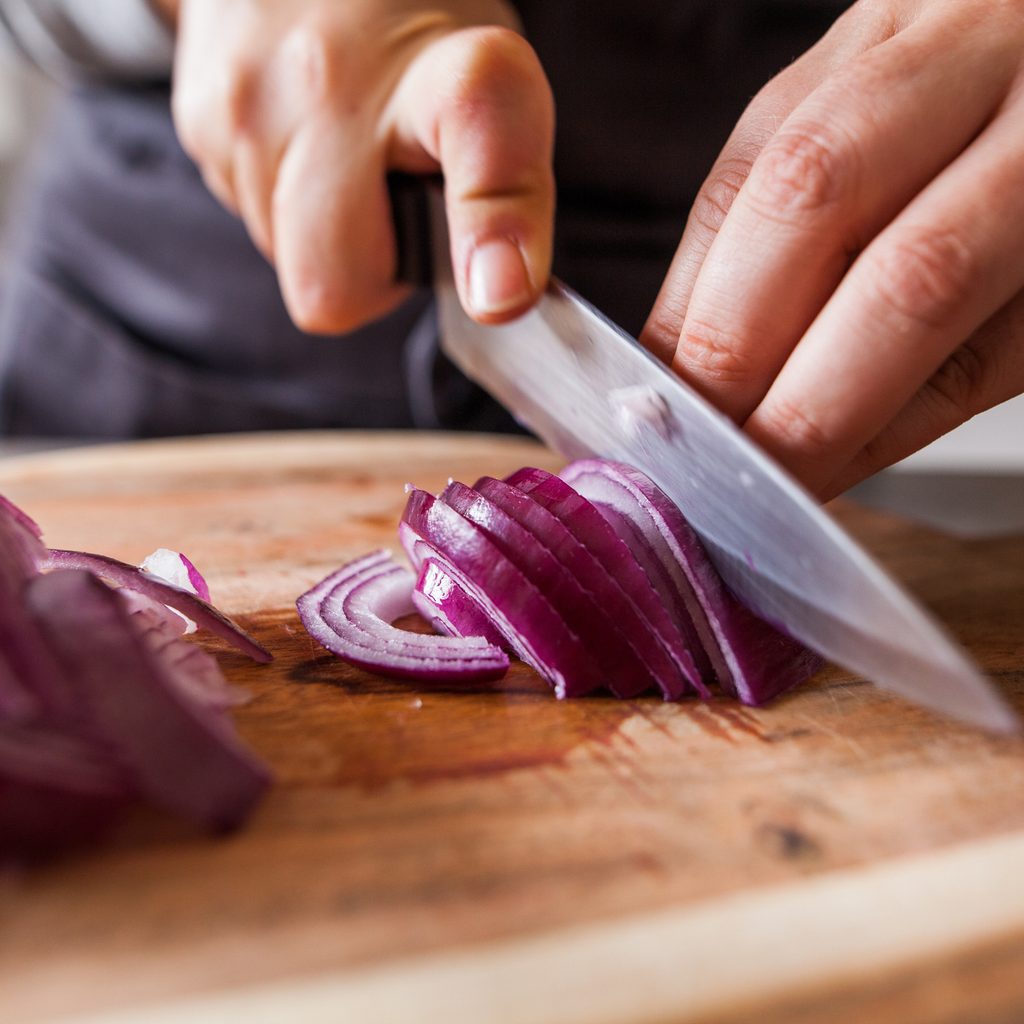
In addition to polishing your grill, you can use onion to spruce up other metal surfaces as well. Steel and iron objects can rust easily due to direct moisture or moisture in the air. No one likes to see that crusty, reddish-brown buildup, but luckily, you can tackle it with onions on hand. Essentially, enzymes in the onion create something called sulfenic acid that breaks down rust to reveal the metal underneath. Circling back to uses in the kitchen, this trick is excellent for cleaning up rusty knives. It’s relatively easy: Rub an onion slice on your dull, rusted knife repeatedly to get rid of unwanted buildup. An onion slice can tackle a modest amount of rust, but you may need more onions to deal with more rust-crusted items.
Onions are versatile not only for your favorite recipes but also for miscellaneous uses in your garden, car, patio, and other non-cooking culinary needs, too. Even half an onion can go a long way when it comes to keeping ice off of your car windscreen or cleaning your grill. And if you still have leftover onions after trying out all of these hacks, you can always make room for onion soup when you’re meal prepping!


