If you’ve ever had a fungus gnat problem, you may know how much of a pain they are to manage, even if they’re not particularly harmful to plants. Enter the butterwort, aka the pinguicula plant. Similar to the Venus flytrap and monkey cup plant, this carnivorous plant actually feeds on pesky fungus gnats, whether the plant is situated outside or inside. As a bonus, this plant is stunning as well, pushing out delicate blooms in the spring. Ahead, we go over all that you need to know about the unique butterwort plant and how to care for it.
What does the butterwort plant look like?
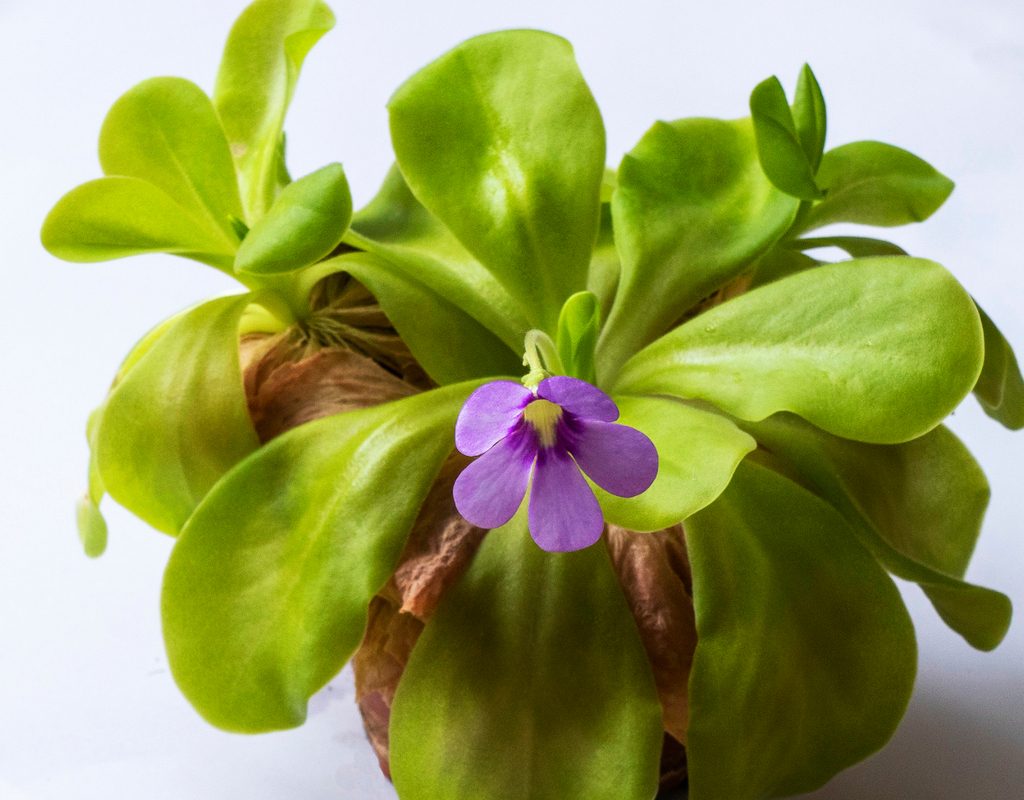
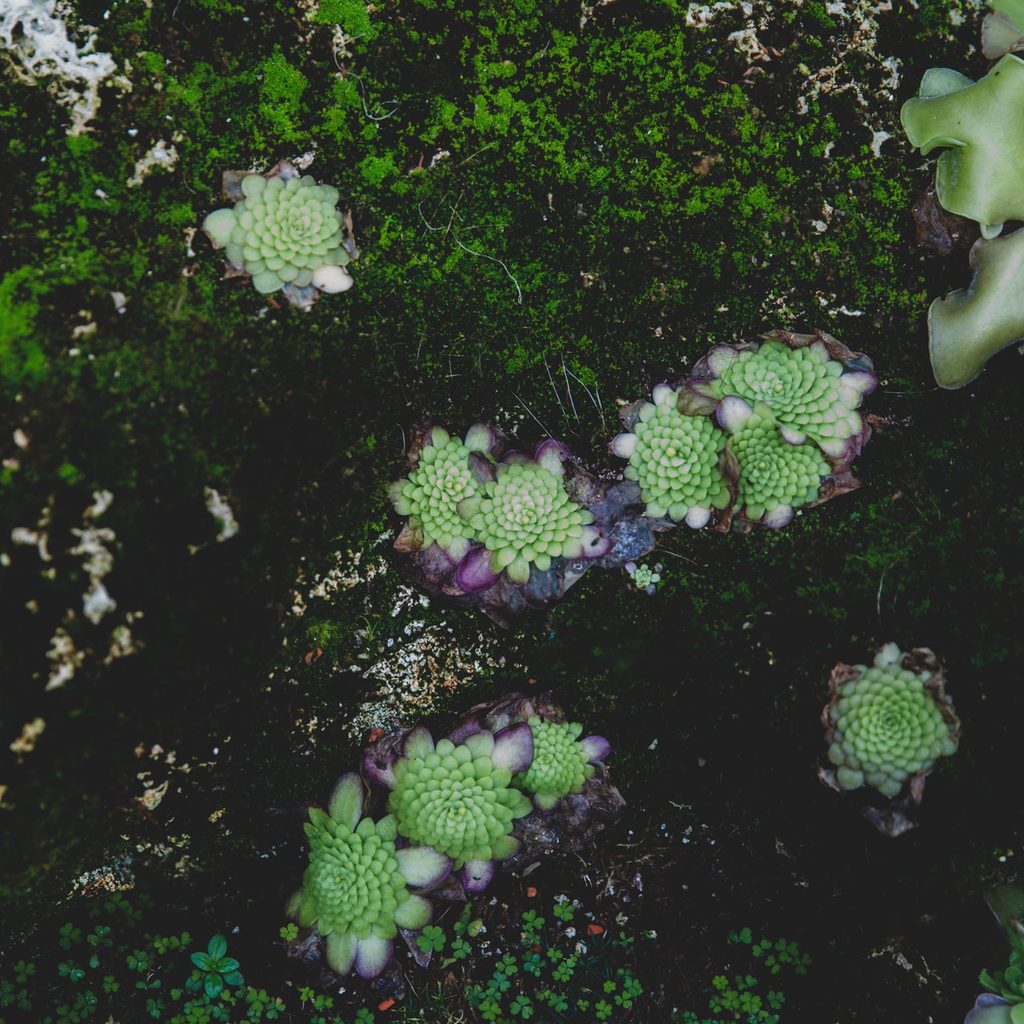
Butterwort plants feature thick, bright green leaves that have a bit of a greasy feel to them—that’s the resinous substance that traps the fungus gnats. During the spring, typically around May to July, they also push out delicate yellow, pink, purple, and white flowers. The more light you can give your plant, the more vibrant its flowers will become. Just keep in mind that butterworts dry out in the winter and go through a succulent dormant phase where they form rosettes with non-carnivorous leaves. Come springtime, they usually put out leaves and blooms—cutting back dead foliage during the winter will help expedite this process. Don’t worry if your butterwort doesn’t flower immediately. It may take them a year or two to grow big enough to grow flowers.
How does the butterwort plant feed on fungus gnats?
Butterwort plants trap fungus gnats (as well as fruit flies and other prey) with the resin on their leaves. They have microscopic glands on their leaves that produce a sweet mucous full of digestive enzymes. The bugs get stuck on the dewy substance, and the enzymes in it slowly digest them.
How do you care for the butterwort plant?
The butterwort plant isn’t necessarily the easiest plant to maintain, but its beautiful blooms and gnat-trapping abilities make it worth your time and effort. Because the butterwort is carnivorous, pests aren’t problematic, but other factors may require careful consideration.
- Light: In terms of lighting, it can tolerate full sun to partial shade, which means that it can adapt on your window sill or under grow lights if you can’t leave it outside.
- Soil: For soil, the pinguicula prefers a rocky mix that doesn’t retain too much water—a combination of perlite, sphagnum moss, and sand tends to work for it. The butterwort, like many carnivorous plants, has evolved to survive nutrient-poor soil, so fertilizer isn’t a must for its health. (In fact, these plants, if you recall, get their nourishment through bugs!) If you choose to fertilize your plant, create a solution with water and mist your leaves during the growing season—some butterwort growers find that a solution of liquid succulent and cactus fertilizer works best. While not always necessary, a monthly or bimonthly fertilizer misting may encourage leaf and bloom output.
- Temperature: This plant prefers warm temperatures. It’s perennial in zones 10 and 11 but should be a houseplant in colder regions.
- Water: Hands down, the trickiest part about caring for the butterwort plant is its watering needs. It does poorly with hard water and needs pure, distilled water (or rainwater) without minerals or chemicals to thrive. You also never want the soil to dry out completely—if you keep your plant outside, you’ll want to make sure its soil is evenly moist but not soggy. To avoid overwatering, you can opt to bottom water your plant.
- Pollination: You also want to remember to pollinate your pinguicula plant if you don’t leave your plant outside where it attracts pollinators. Taking a toothpick to spread the pollen should work fine.
- Propagation: Propagating a butterwort plant is easy. All you have to do is pluck off a leaf and place it in soil, then wait for it to grow bigger as you give it the same care as the mother plant. You can also propagate butterworts by way of seeds; place your seeds in soil and moisten them to help them germinate.
In addition to helping you capture pesky fungus gnats, the butterwort plant, or pinguicula, is a delicate plant with gorgeous blooms. To get the most out of your plant, you need to give it proper care, which can require more deliberation than an easygoing cactus. While this plant may initially be finicky, understanding its needs—especially for filtered water and moist soil—will encourage productive, bug-trapping leaves and lovely flowers.


