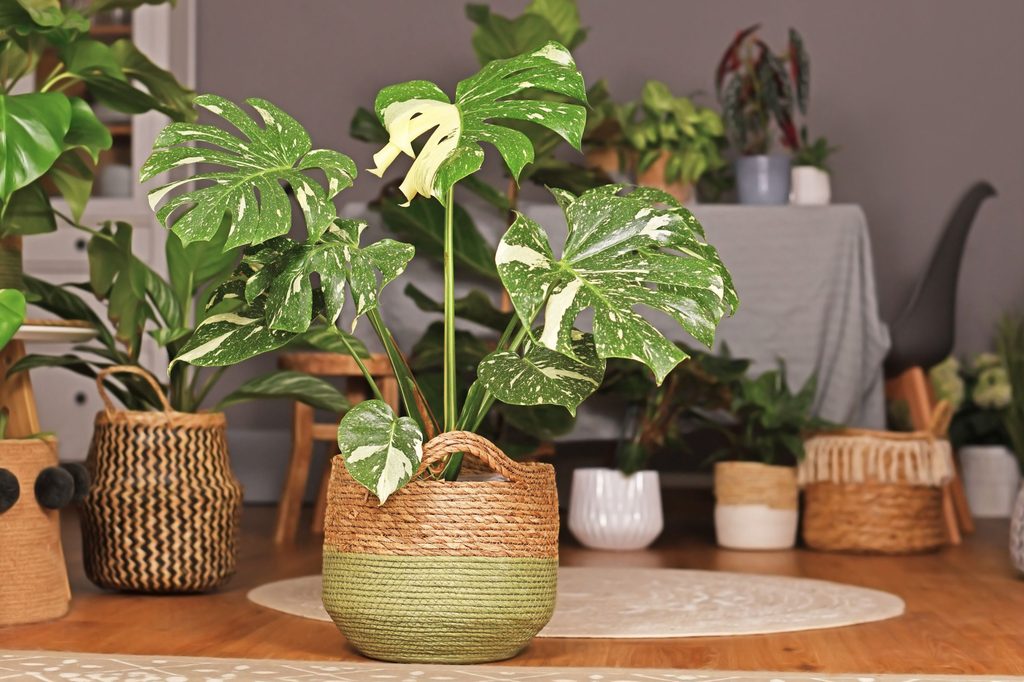
During the early pandemic days, the Thai Constellation Monstera was one of the most coveted cultivars of the humble Monstera deliciosa. Now, houseplant enthusiasts can more readily find this striking plant at lower costs, whether it’s at a grocery store or a local nursery. Despite its gaining popularity, you might still have questions about the Thai Constellation Monstera plant. Not to worry — here’s all that you need to know about what this plant is and how you can grow it in your lush indoor garden.
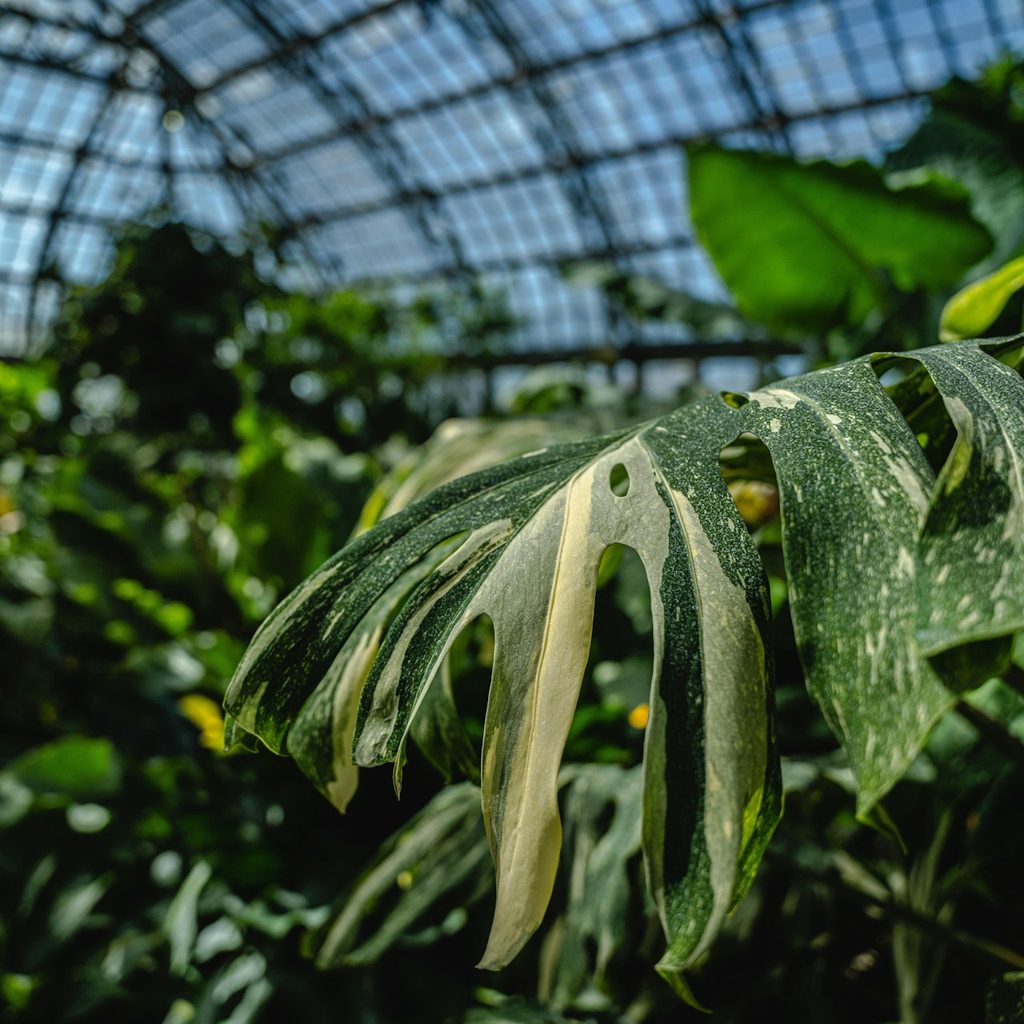
What is the Thai Constellation Monstera, and what makes it so special?
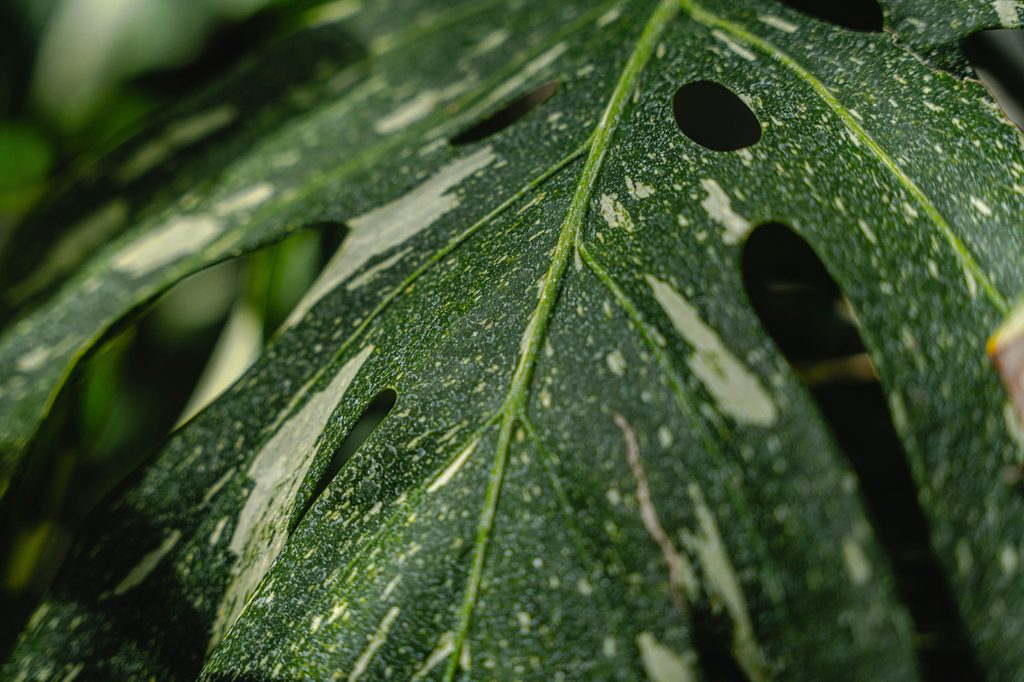
Along with the Monstera deliciosa’s eye-catching fenestrations, the Thai Constellation plant features gorgeous mottled leaves with a touch of creamy variegation. The Thai Constellation cultivar is relatively difficult to grow, which was why it was such a rare and expensive plant for so long — just a few years ago, a handful of cuttings could go for hundreds of dollars.
It can only grow from tissue culture or cuttings, which can mean a more involved propagation process. Along with its beautiful pattern and tricky cultivation, high demand from plant lovers also drove up prices.
Where can you find the Thai Constellation Monstera?
With expanding production efforts, it’s easy to find the Thai Constellation Monstera at major online nurseries these days, but you can sometimes spot them at big-box stores and your local garden center. Bear in mind that while it’s now cheaper than it originally was, it might not be within budget for everyone. A 6-inch pot may still cost about $100 or more. But with some luck, you may come across a plant for $50 or under at a grocery store. And if you’re willing to start with a small plant, you may encounter even greater savings.
How do you care for your Thai Constellation Monstera?
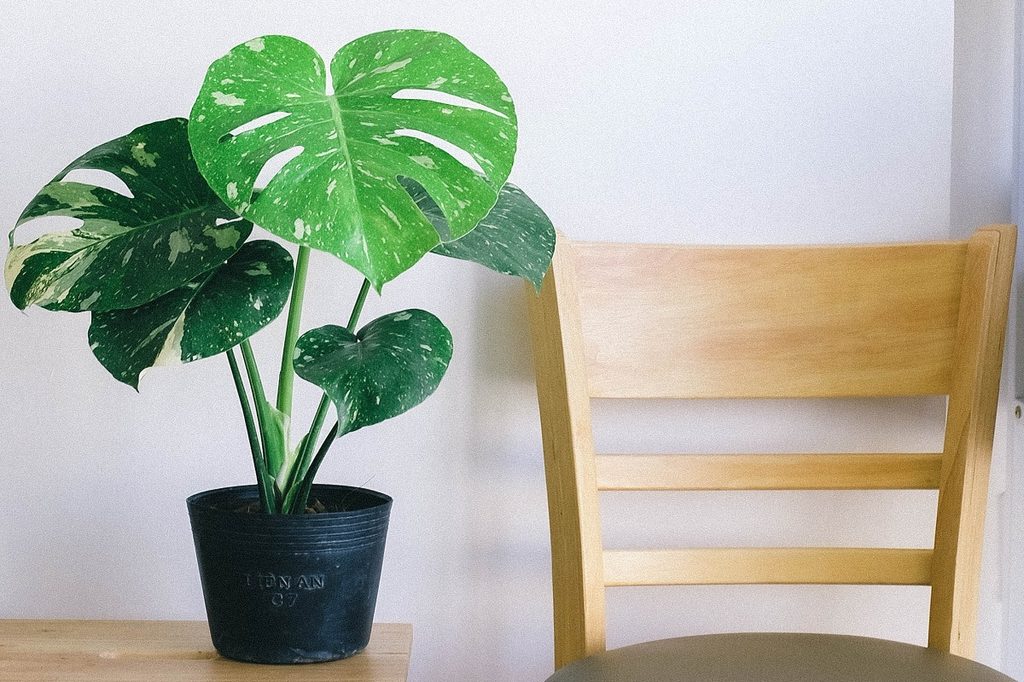
As you may have already guessed, the Thai Constellation’s care requirements are similar to those of your typical Monstera plant — this is good news because the commonplace deliciosa is easy to maintain. With well-draining soil, ample (but not excessive) watering, and moderate humidity, you’ll be well on your way to a thriving plant. To give your plant extra support, you can also teach it to climb on a moss pole.
Because of its special plant variegation, the Thai Constellation Monstera may require extra attention when it comes to lighting and pest inspection. To encourage variegation, give your plant about 5 to 6 hours of bright indirect light a day, or else it may revert to green. Moreover, you want to inspect your plant’s leaves and roots regularly to see if it has any diseases or pests. Because they don’t produce as much chlorophyll, variegated plants can sometimes be weaker than green ones.
If you’re lucky enough to introduce a Thai Constellation plant to your collection, keep these tips in mind to ensure that it thrives. While it’s low maintenance, it certainly requires some maintenance, so stay on top of its care to guarantee that your plant investment is worth the money!