Whenever you add a new plant to your collection, it can feel a bit scary not knowing if you’re caring for it correctly or not. We all want our plant babies to thrive and live their best lives, so here is a complete guide on how to support and care for your new Persian shield. This smaller plant is an excellent option for new and veteran plant parents alike and will add a unique pop of color to your collection.
What is a Persian shield?
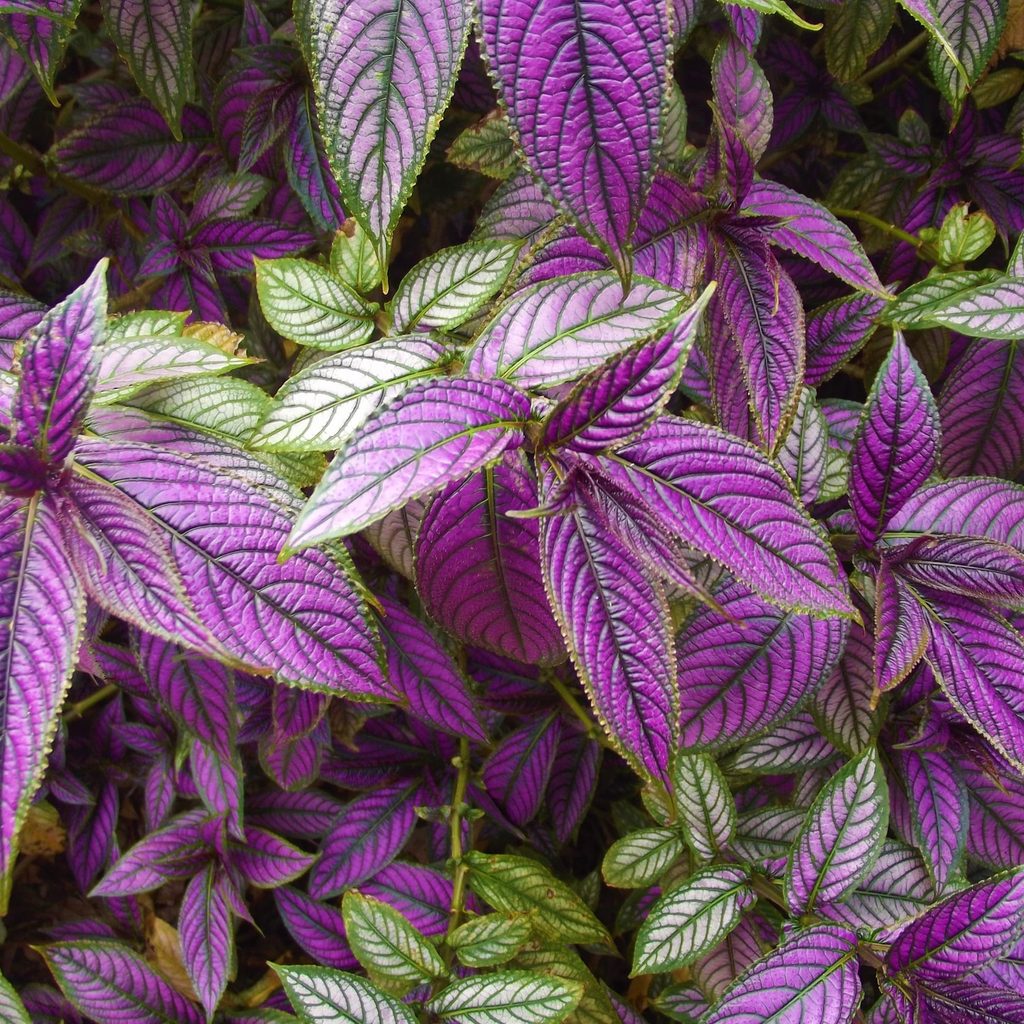
Green plants are great and everything, but let’s talk about this eye-catching purple plant that you’ll want to add to your collection as soon as possible. The Persian shield plant is initially found in tropical climates and isn’t likely to thrive outdoors in any zones in the United States. However, they can grow successfully as part-time outdoor plants in the summer and then be brought in when the weather begins to cool down. They can grow up to four feet tall in their natural habitat, and their leaves are between four and seven inches long. The leaves are slender with serrated edges. The deep purple of the leaf sticks to the inside while a deep green follows the veins and edges of the leaf. Persian shields also grow in a bushy pattern, so they would do great in smaller areas where other plants might take up too much space.
Care tips for Persian shield
As we said above, these are tropical plants, so they require a bit more attention than some of our other easy-care favorites, but they are still beginner-friendly and are pretty hardy and forgiving.
Water
Unlike other tropical plants, the Persian shield doesn’t mind being a bit more dry. Allow the top few inches to dry out between waterings, and you can even keep it drier during the winter months.

Humidity
If you have a corner of your home dedicated to more humidity-loving plants, it might be a good idea to place your Persian shield with them. Because this plant is used to tropical climates that have more humidity than the average home, they’ll be happier if they have access to more moisture. This could be a humidifier in the corner with them, grouping plants together to raise the humidity, or a dish with rocks and water.
Light
The Persian shield can handle almost every type of lighting between full sun and partial shade. If you do try to keep it outdoors in the summer, you might get rewarded with some pretty white flowers right before you bring it in for the winter. The extra sunlight that this plant gets from outdoors will encourage its blooming.
Food
Don’t feed your Persian shield in the fall or winter, but it’s extra crucial for this purple plant to be fed once every two weeks during the spring and summer months. The best way to do this for potted plants is by using water-soluble fertilizer and using it at half strength. Avoid the leaves to reduce the risk of burning your plant.
Temperature
Again, this is a tropical plant, so anything below 55 or even 65 degrees might put your Persian shield at risk of losing some leaves. While this might not mean your plant is dying, it’s never fun to watch your plant suffer. Keep it away from drafty doors, vents, and fans, and be sure to keep the temperature levels as even and close to between 70 and 80 as possible.
Toxicity
Fortunately for you, your pets, and possibly hungry children, the Persian shield is non-toxic and won’t harm humans or animals if accidentally ingested. But, of course, we recommend eating actual lettuce or spinach rather than snacking on your indoor plants.
Whether you’ve just brought your beautiful Persian shield home and you’re educating yourself to ensure you know what you’re doing, or you’re considering purchasing one but want to make sure you can provide it with what it needs, you now know how to care for a Persian shield. These uniquely colored plants are fun and are sure to stand out amongst the typical greenery of other house plants. You might even have to get yourself some more!


