Every gardener wants to grow healthy plants, and the best place to start is with healthy soil. Plants get the majority of what they need through the soil, so having the right kind for your plants is essential. What if your soil isn’t up to the task? If fertilizers aren’t doing the trick, or if the variety of fertilizers available overwhelms you, then you might have better luck with soil conditioners. You may not have heard of soil conditioners before, but don’t worry, that’s what we’re here for! We’ll answer all your soil conditioning questions and provide some simple tips for choosing the right one for your garden.
What is a soil conditioner?
Soil conditioners are mixtures that are added to soil to fix a variety of problems. They can add nutrients, change the soil pH, increase air flow, loosen up soil that has become compacted, and change your soil’s drainage speed. Which combination of these things the soil conditioner does depends on what it’s made of. Soil conditioner can be made from natural, organic material or synthetic, inorganic material. Most soil conditioners, especially premade ones, will have a mix of natural and synthetic ingredients. However, homemade soil conditioners are completely in your control. This means you can, and should, tailor your soil conditioner to meet the needs of your garden.
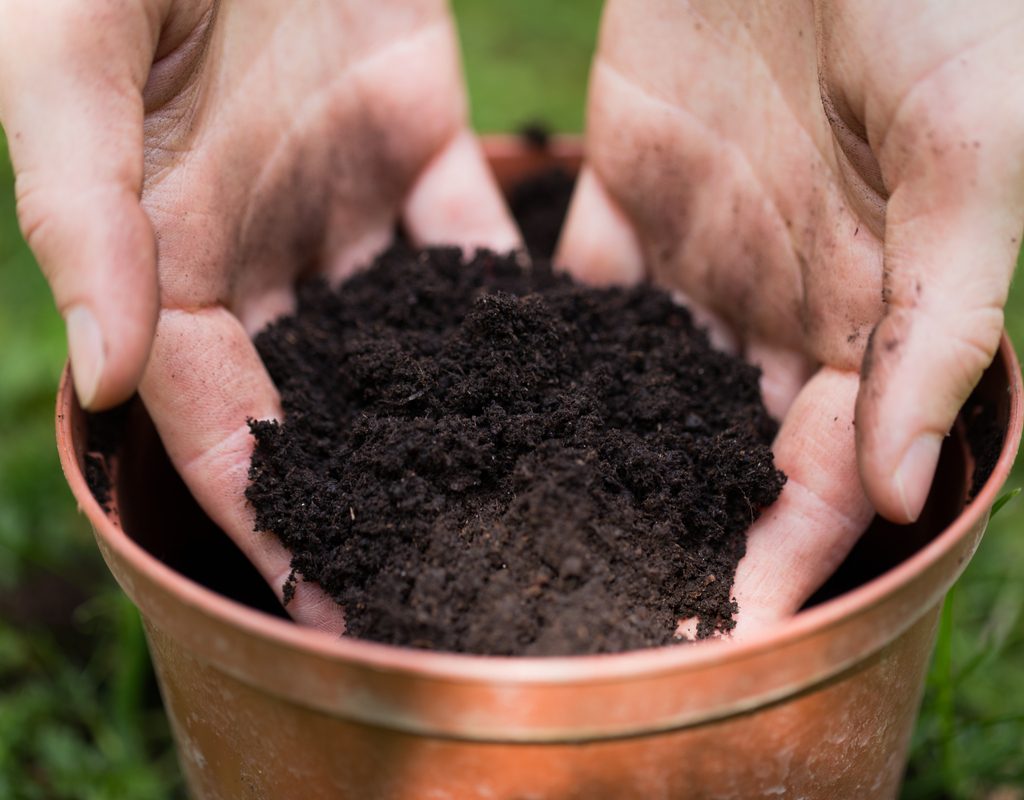
What are some popular soil conditioners?
One of the most popular soil conditioners is actually compost! Compost adds a lot of nutrients to the soil, and it makes a great base for most other soil conditioners. If you have compost, you’re already half-way to a well-rounded soil conditioner. Some other organic ingredients you can add to create the perfect soil conditioner are:
- Sawdust
- Peat moss
- Worm castings
- Manure
Sawdust and peat moss both lower the soil pH, making them more acidic. Peat moss also increases airflow and improves drainage. Manure and worm castings both add nitrogen, but they need to be composted before being used, otherwise they can cause an overload of nitrogen in the soil which leads to nitrogen burn.
Although we don’t always like to think about adding inorganic ingredients to our gardens, they can do just as much good as the organic ingredients. It’s also important to remember that inorganic can mean synthetic or something that isn’t and has never been alive, like minerals. Having said that, here are some commonly used inorganic soil conditioners.
- Perlite
- Vermiculite
- Limestone
- Gypsum
- Polysaccharides
Perlite and vermiculite both help soil retain water and loosen up to increase air flow. Limestone increases the soil pH, making it more alkaline, and is often used to balance peat moss. Gypsum adds calcium to the soil, and polysaccharides help reduce erosion.
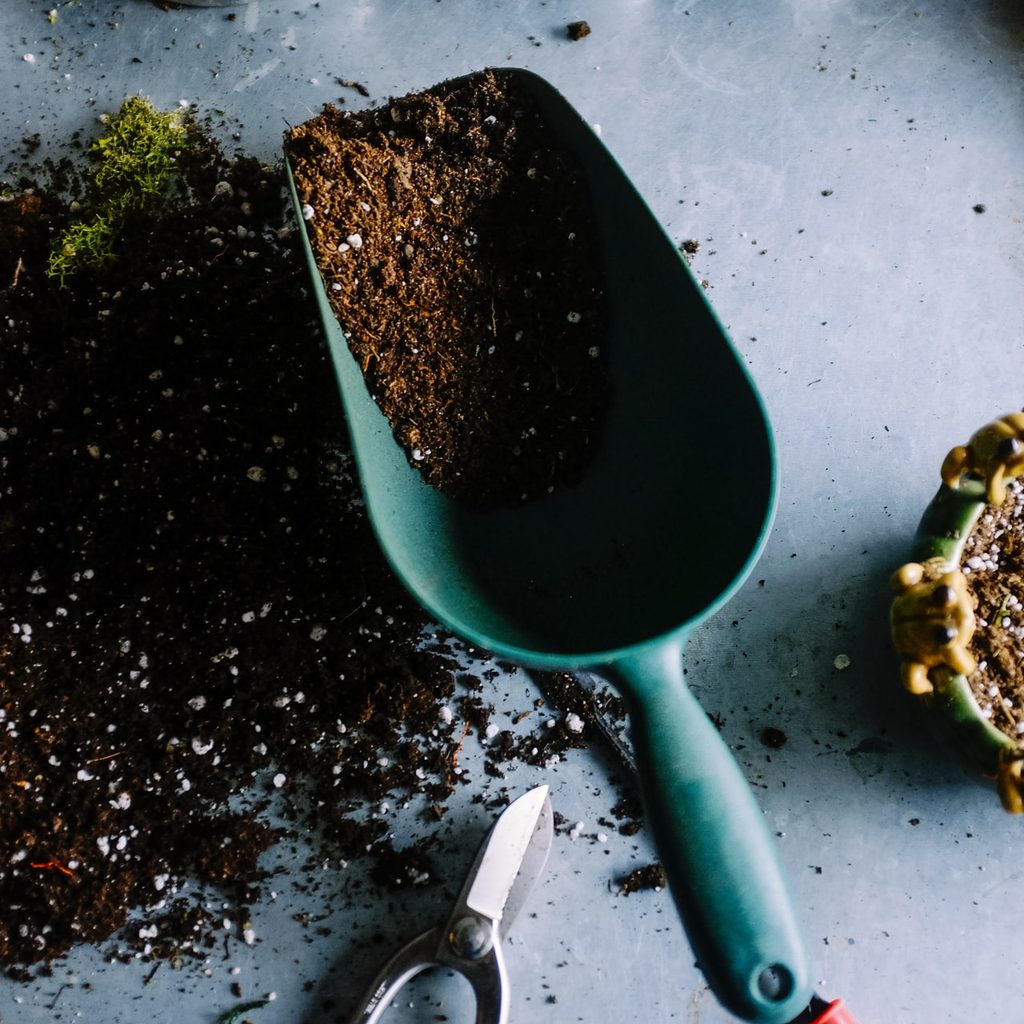
What to look for when choosing a soil conditioner
If you’ve decided to get a premade soil conditioner rather than making your own, you’ll want to know what to be on the lookout for. The first thing is to consider what purpose the soil conditioner will serve. Are you looking for something to loosen up compacted soil, add nutrients, or a mix of both? Once you’ve decided, then you’ll know which ingredients to look for. You can use the section above as a quick guide for some of the most common ingredients and what they do.
Read the ingredients list of any product carefully, and take a moment to look over any instructions the product gives. This can give you some context for how the soil conditioner is meant to be used and if it might be right for you. Check the packaging or product listing for any seals or guarantees, especially if you want a completely organic soil conditioner. OMRI is an easy to identify certification that a product is organic.
If you’re getting your soil conditioner from a physical store, don’t forget that you can ask the employees about specific products or certain ingredients that you may be unfamiliar with. This is especially true of local or specialty stores. For online stores, take a look at product reviews and any frequently asked questions that are listed. Some online stores also offer real time customer support chats, which can allow you to ask questions and get advice.
Soil conditioners can be enormously helpful when it comes to fixing most common soil problems. Whether this is the first time you’re hearing about them or you’re just looking for a refresher, you’re ready to find or make the perfect soil conditioner for your garden. Your soil will flourish, and your garden will thrive.